When it comes to enhancing your home's curb appeal, few things make as significant an impact as new siding installation. Your home's exterior is the first thing people notice, and siding serves as both a protective layer and a visual statement. Whether you're looking to sell your home or simply want to refresh its look, choosing the right siding can make a world of difference. The exterior of your home is not just about aesthetics; it also plays a crucial role in the overall functionality and longevity of your property. In this article, we'll explore the different exterior siding options available, discuss the factors affecting siding installation costs, and guide you through the process of selecting the best siding for your home.
Siding is more than just a pretty face for your house. It plays a crucial role in protecting your home from the elements. Properly installed siding can shield your home from rain, wind, and harsh sunlight while also providing insulation that can help reduce energy costs. Moreover, high-quality siding can increase the overall value of your home. By investing in quality siding, you are essentially investing in the long-term health and efficiency of your property, which can save you significant costs in the future.
Siding serves as a barrier against environmental factors. It prevents moisture from penetrating your home's structure, which can lead to mold, mildew, and structural damage. Additionally, it acts as an insulator, keeping your home warm in the winter and cool in the summer. The right siding can also enhance your home's resistance to pest infestations, which can save you from costly repairs. Furthermore, siding can help in noise reduction, providing a quieter and more peaceful indoor environment.
Your home's exterior is its face to the world, and siding significantly contributes to its visual appeal. With a wide range of colors, textures, and materials available, you can customize your home's look to reflect your personal style. The right siding can transform a dated appearance into something modern and stylish, instantly boosting your home's curb appeal. A well-chosen siding can also complement your landscaping, creating a cohesive and attractive exterior space.
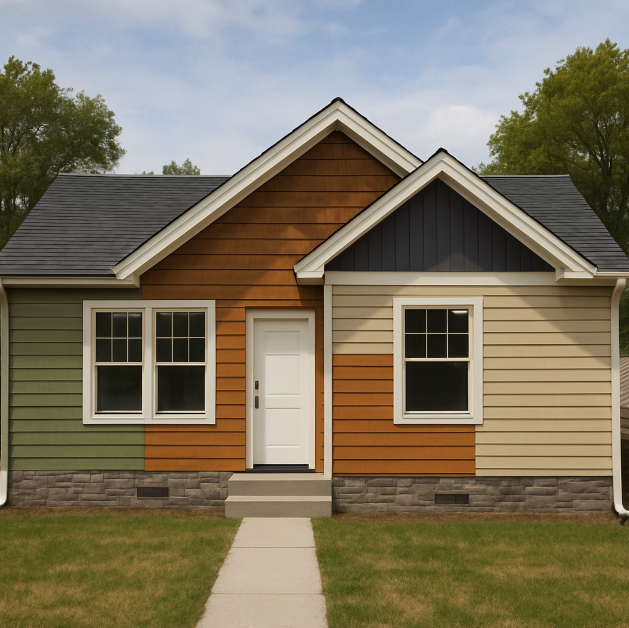
When it comes to choosing siding for your home, there are several options to consider. Each material has its own set of advantages and disadvantages, so it's important to weigh your options carefully. The right choice depends on your specific needs, preferences, and budget, but each option offers unique benefits that can enhance your home's exterior.
Vinyl Siding
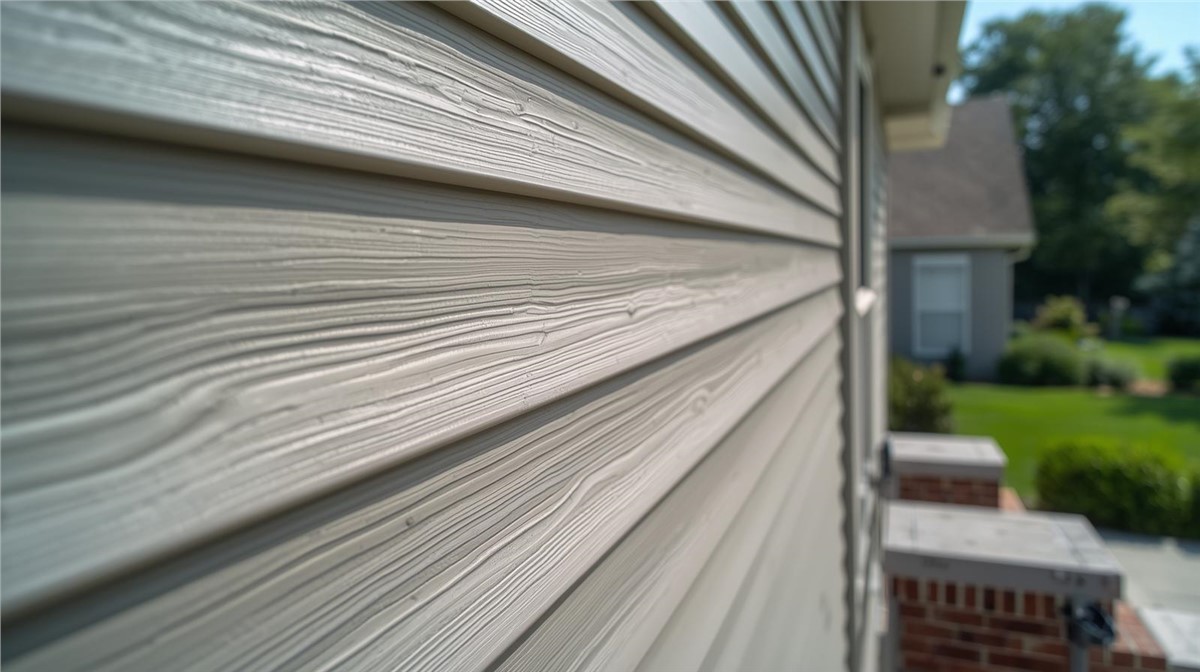
Vinyl siding is one of the most popular choices for homeowners due to its affordability and low maintenance requirements. It comes in a variety of colors and styles, making it easy to find a look that complements your home. Vinyl is also resistant to pests and rot, but it can become brittle in extremely cold weather. Despite this drawback, advancements in vinyl technology have improved its durability and resistance to weather extremes, making it a reliable option for many climates.
Wood Siding
For a classic and natural look, wood siding is an excellent option. It's available in various types, including cedar, pine, and redwood. Wood siding can be stained or painted in any color, offering a high degree of customization. However, it requires more maintenance than other materials, such as regular painting or sealing to prevent damage from moisture and insects. Yet, for those willing to invest the time, wood siding offers unparalleled beauty and warmth that can enhance any home's character.
Fiber Cement Siding
Fiber cement siding is a durable option that mimics the appearance of wood but requires less maintenance. It's resistant to fire, termites, and rot, making it a long-lasting choice. While fiber cement is more expensive than vinyl, its durability and aesthetic appeal often justify the cost. Additionally, it offers excellent resistance to harsh weather conditions and is available in a variety of styles and finishes, making it a versatile choice for many homeowners.
Metal Siding
Metal siding, typically made from aluminum or steel, offers a modern and sleek appearance. It's durable, fire-resistant, and low-maintenance. Metal siding can be more expensive upfront, but its longevity and resistance to wear and tear can make it a cost-effective choice in the long run. Its reflective properties can also contribute to energy savings by reducing heat absorption, which can be particularly beneficial in hot climates.
Siding Installation Cost Considerations
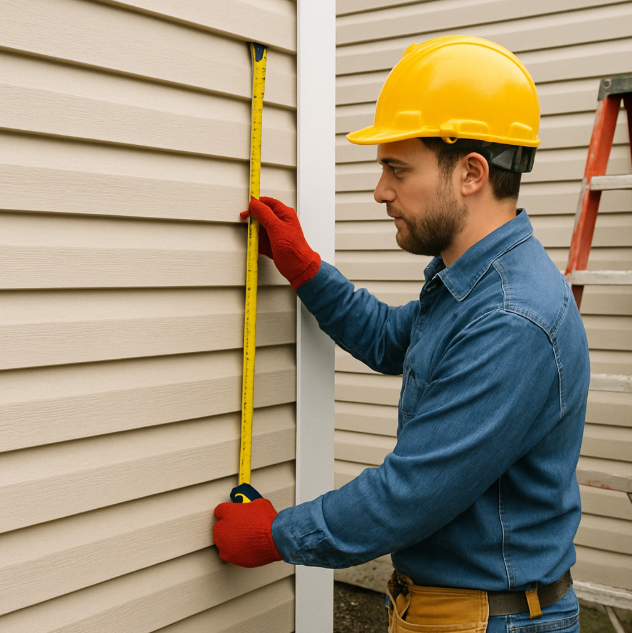
The cost of siding installation can vary widely based on several factors. Understanding these can help you budget effectively for your project. By considering all aspects of the cost, from materials to labor, you can ensure that your investment is both wise and sustainable.
Material Costs
The type of siding material you choose will significantly impact the overall cost. Vinyl siding tends to be the least expensive, while options like wood and fiber cement are more costly. Keep in mind that higher upfront costs for durable materials might save you money on maintenance and replacement in the future. It's essential to weigh the initial investment against the potential long-term savings and benefits, ensuring that you choose a material that aligns with your financial goals.
Labor Costs
Labor costs can also vary depending on your location and the complexity of the installation. It's wise to get quotes from multiple contractors to ensure you're getting a fair price. Remember, the lowest quote isn't always the best option; consider the contractor's reputation and experience. A skilled installer can ensure that your siding is properly placed, maximizing its lifespan and effectiveness, which can ultimately save you money on future repairs and replacements.
Additional Expenses
Don't forget to factor in additional costs such as the removal of old siding, repairs to the underlying structure, and any necessary permits. These can add to the overall expense, so it's important to have a comprehensive estimate before starting the project. Additionally, consider potential upgrades, such as enhanced insulation or weatherproofing, which might increase initial costs but provide significant long-term savings.
Choosing the Right Siding for Your Home
Selecting the right siding involves more than just picking a color you like. Consider the following factors to make an informed decision. By evaluating these elements, you can ensure that your choice of siding not only enhances your home's appearance but also meets your functional needs and budgetary constraints.
Climate Considerations
Your local climate plays a significant role in determining the best siding material. For example, if you live in an area with harsh winters, you'll want a material that can withstand cold temperatures without becoming damaged. Similarly, in a hot and humid climate, you'll need siding that resists moisture and heat. Understanding your climate's demands will help you choose a siding material that offers durability and performance.
Maintenance Requirements
Think about how much time and effort you're willing to invest in maintaining your siding. Some materials, like vinyl and metal, require less upkeep, while wood siding needs regular care to keep it looking its best. Consider your lifestyle and how much maintenance you're realistically able to commit to, ensuring that your choice of siding aligns with your long-term plans for your home.
Aesthetic Preferences
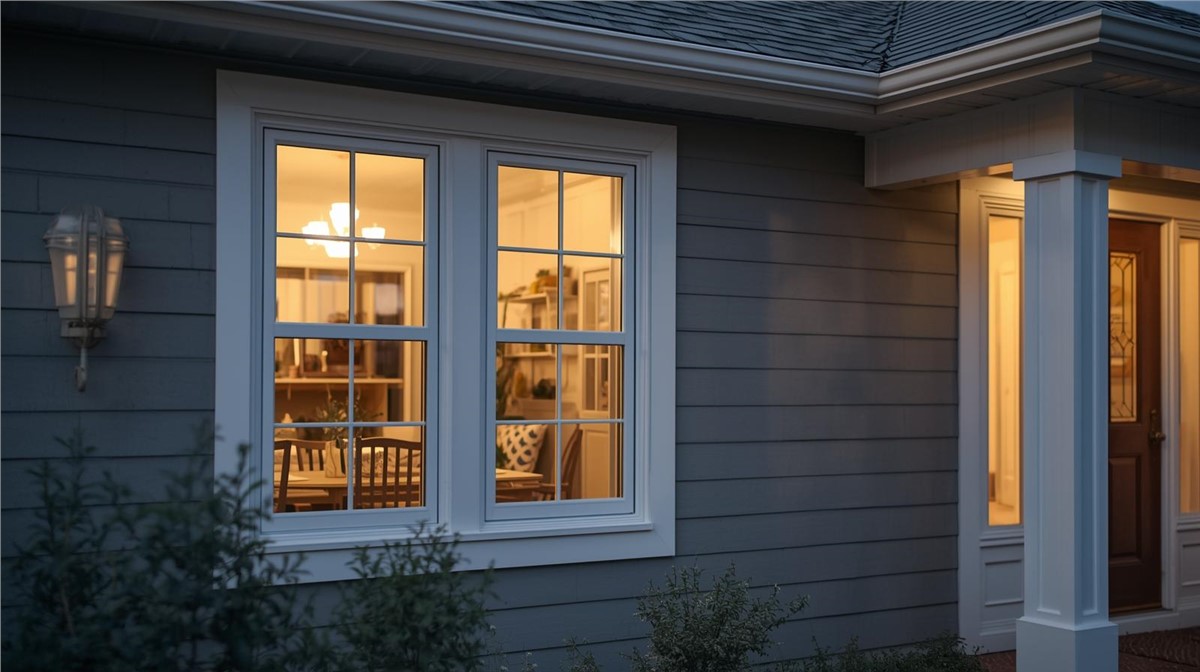
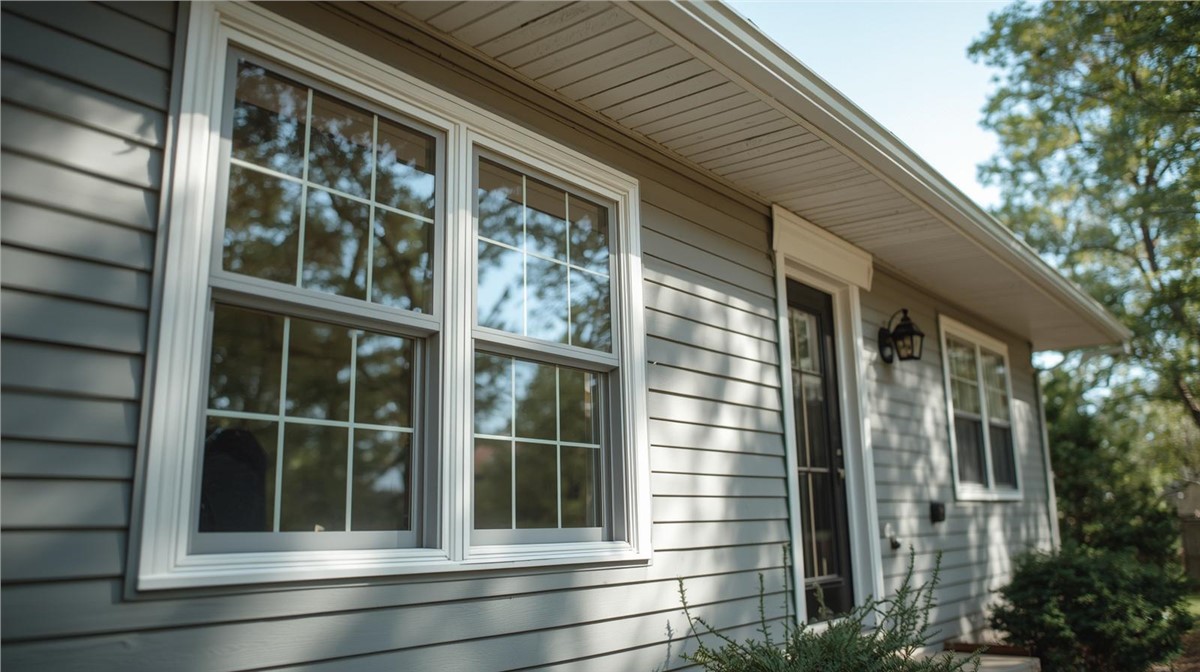
Your home's exterior should reflect your personal style and complement its architectural design. Take the time to explore different textures and colors to find the perfect fit for your home. By considering how your siding will look against other elements like roofing, windows, and landscaping, you can create a cohesive and attractive appearance that enhances your home's overall curb appeal.
Budget Constraints
Ultimately, your budget will influence your choice of siding. While it's important to stay within your financial limits, consider the long-term benefits of investing in high-quality materials. Sometimes, spending a little more upfront can save you considerable amounts on repairs and maintenance in the future. Evaluate your financial situation and plan accordingly to ensure that your investment in siding is both practical and beneficial.
Conclusion
New siding installation is a powerful way to boost your home's curb appeal and protect it from the elements. By understanding the various siding options, considering the costs involved, and evaluating your personal preferences, you can choose the perfect siding for your home. Whether you opt for the affordability of vinyl, the classic charm of wood, or the durability of fiber cement, your home will benefit from a fresh, updated look that enhances its value and appeal. With careful consideration and planning, siding installation can be a rewarding investment that brings both aesthetic and functional benefits to your home for years to come.
Subscribe to Huskie Exteriors's Blog




Comments