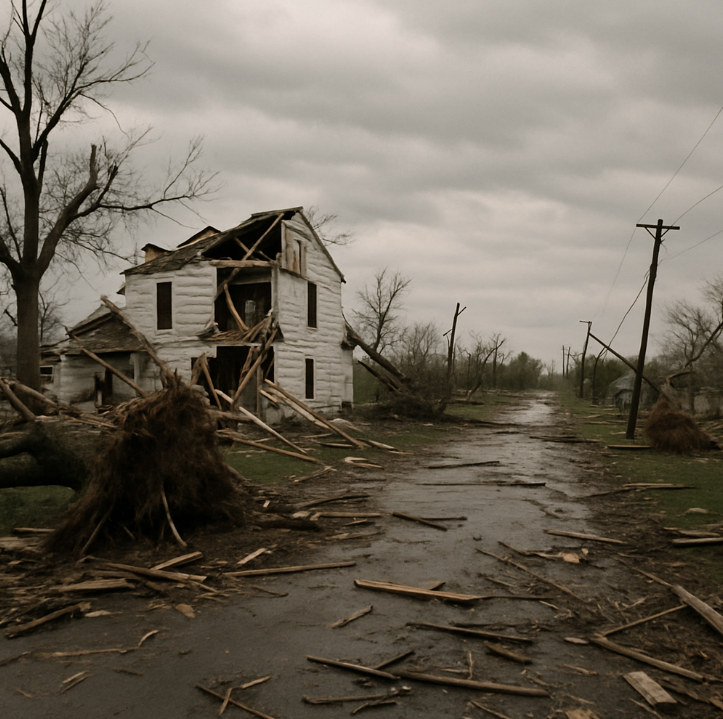
When a Midwest storm hits, it often leaves behind a trail of destruction, especially to roofs. Hail damage can range from minor dents to significant structural issues. If you're a homeowner in this region, knowing how to handle roof hail damage repair is crucial. This article provides a clear, step-by-step guide on what to do after a storm to ensure your roof is repaired efficiently and effectively.
Assess the Damage
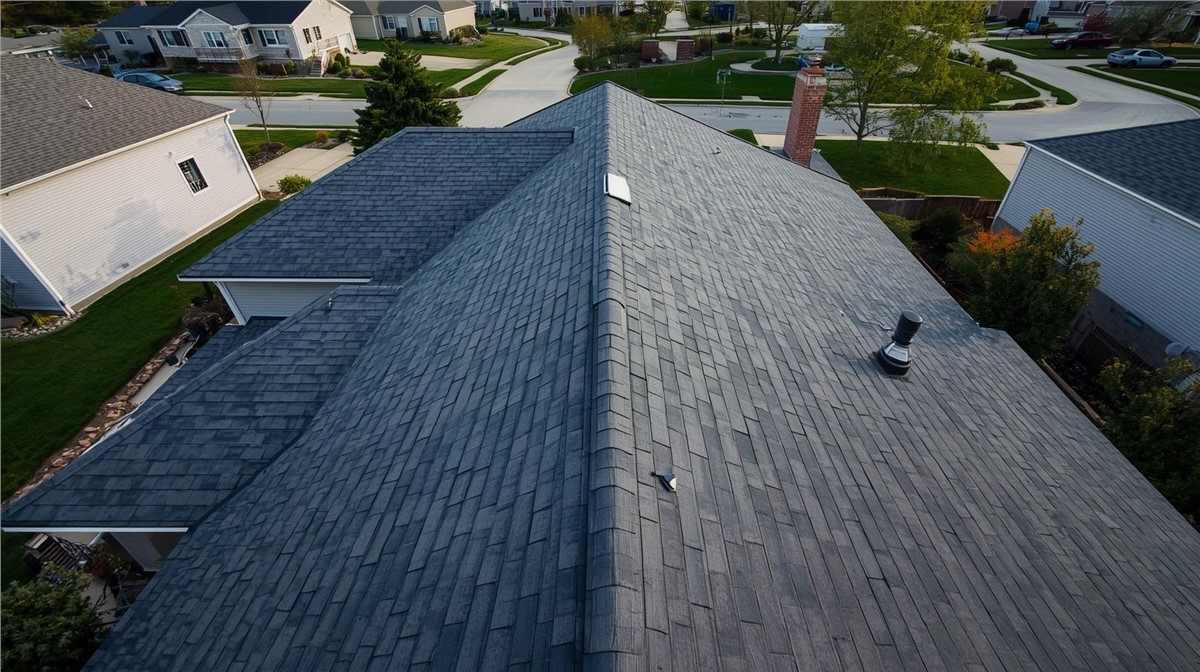
The first step in dealing with hail damage is to assess the extent of the impact. This involves a careful inspection of your roof and property.
Conduct a Visual Inspection
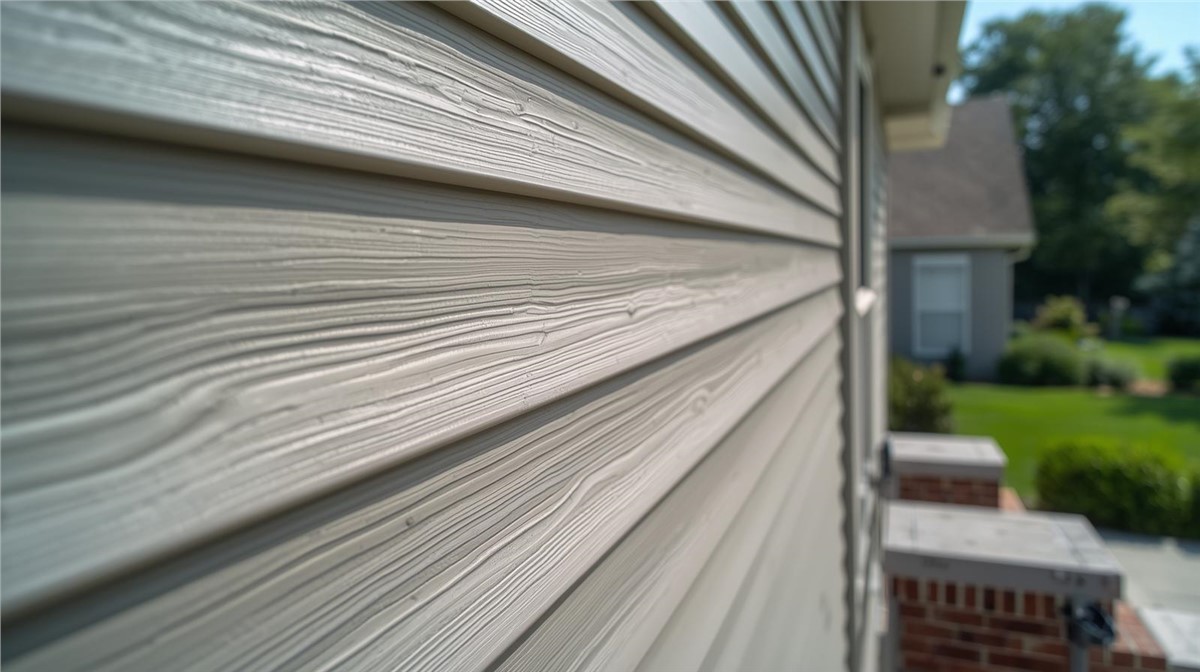
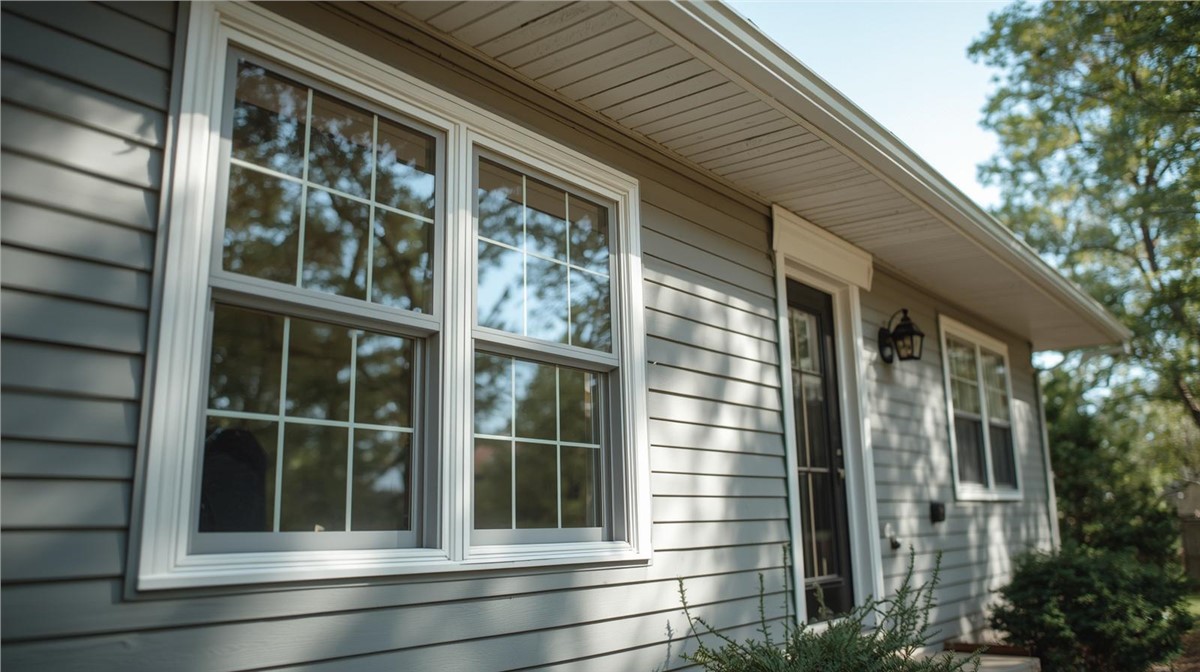
Before climbing onto your roof, start by walking around your property. Look for visible signs of damage such as missing shingles, dents in metal gutters, or broken skylights. Hail can also cause damage to siding, windows, and outdoor furniture, which can indicate the severity of the storm.
Safety First
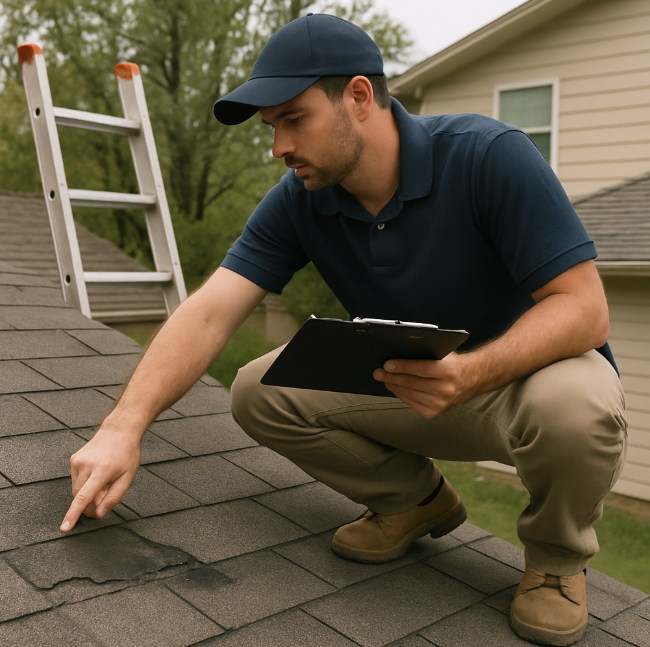
If you decide to inspect the roof yourself, prioritize safety. Use a sturdy ladder and wear non-slip shoes. Better yet, consider hiring a professional for a comprehensive inspection to avoid accidents and ensure no damage goes unnoticed.
Document the Damage
Documentation is key when dealing with insurance claims. Ensure you have a detailed record of all damage.
Take Photos and Videos
Capture clear images and videos of any damage you find. Focus on areas with missing shingles, dents, or other visible signs of hail impact. These will be essential when filing an insurance claim.
Keep Notes
Write down notes on the extent and location of the damage. Include any other observations like leaks or drafts that have appeared since the storm. This documentation will help when discussing repairs with contractors or insurance adjusters.
Contact Your Insurance Company
Once you have documented the damage, contact your insurance provider. They will guide you through the claims process for roof hail damage repair.
Understand Your Coverage
Review your homeowner's insurance policy to understand what is covered. Most policies cover hail damage, but the specifics can vary. Clarify any deductibles or limitations with your insurance agent.
File a Claim
Provide your insurance company with all necessary documentation, including photos, videos, and notes. An adjuster will likely be sent to assess the damage and determine the extent of coverage.
Choose a Reliable Roof Repair Service
Finding the right roof repair services is critical to ensuring quality repairs.
Research and Compare
Look for contractors specializing in emergency roof repair and hail damage. Compare services, reviews, and prices. It's wise to get several quotes before making a decision.
Verify Credentials
Ensure the contractor is licensed, insured, and has a good track record. Check their ratings with the Better Business Bureau and read customer reviews for additional insights.
Request References
Ask for references from past clients. Speaking with other homeowners can give you a sense of the contractor's reliability and quality of work.
Schedule the Repairs
Once you've chosen a contractor, schedule the repairs as soon as possible to prevent further damage.
Prepare for the Repair Process
Discuss the repair timeline and process with your contractor. Understand the materials that will be used and the total cost. Keep communication open to address any concerns that may arise during the repair.
Consider Temporary Solutions
If there is a delay in repairs, ask your contractor about temporary solutions to protect your home from further damage. This might involve tarping areas of the roof or sealing leaks.
Prevent Future Hail Damage
While you can't control the weather, there are steps you can take to minimize future damage.
Install Impact-Resistant Roofing
Consider upgrading to impact-resistant shingles or roofing materials. These are designed to withstand hail and can reduce the likelihood of future damage.
Maintain Your Roof Regularly
Regular maintenance can prevent minor issues from becoming major problems. Schedule annual inspections and address any damage promptly.
Trim Surrounding Trees
Trim trees and branches that hang over your roof. This reduces the risk of additional damage during storms.
Conclusion
Dealing with hail damage roof repair after a Midwest storm can be daunting, but with the right steps, you can restore your home efficiently. Assess the damage, document everything, and work closely with your insurance company and repair services. By taking preventative measures, you can also protect your roof from future storms. With careful planning and prompt action, your roof will be ready to withstand whatever nature throws its way.
Subscribe to Huskie Exteriors's Blog





Comments