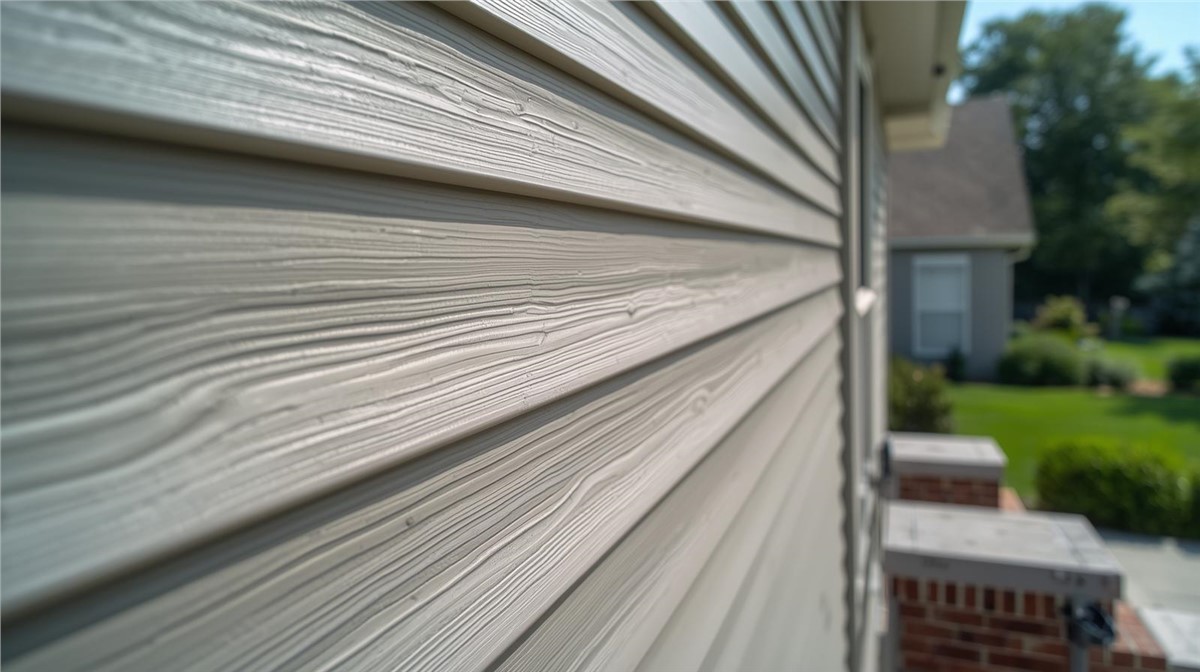
Vinyl siding is a popular choice for homeowners due to its durability, affordability, and low maintenance. However, like any other exterior material, it can suffer damage over time. In this article, we'll discuss common types of vinyl siding damage, repair options, and how to maintain your siding to keep it looking its best. We'll also delve into the costs involved in repairing vinyl siding and explore the use of repair kits.
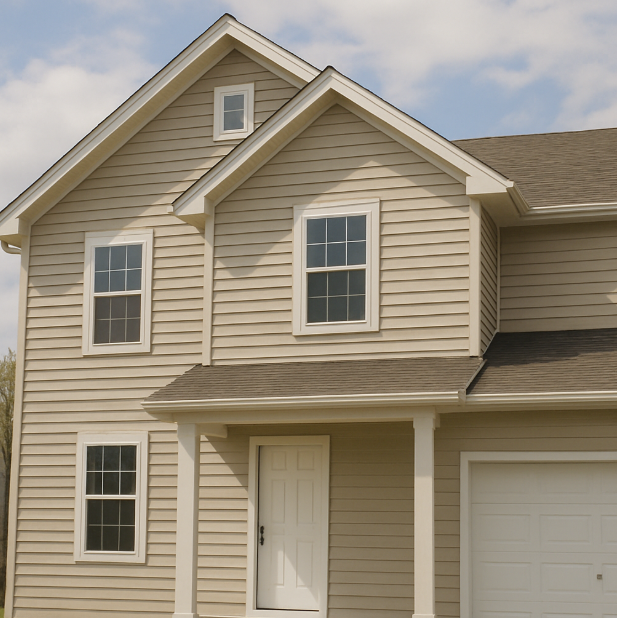
Understanding Vinyl Siding Damage
Vinyl siding is designed to withstand the elements, but it isn't invincible. Understanding the most common types of damage can help you identify issues early and take action before they become more severe.
Common Types of Vinyl Siding Damage
Cracking: Extreme temperature changes can cause vinyl siding to crack. This is particularly common in areas with harsh winters or scorching summers.
Warping and Buckling: Poor installation or excessive heat can cause the siding to warp or buckle. This not only affects the appearance but can also impact the siding's protective qualities.
Fading: Over time, exposure to sunlight can cause the color of vinyl siding to fade. While this doesn't affect its functionality, it can detract from your home's curb appeal.
Holes and Punctures: Accidents happen. Everything from hailstones to errant baseballs can puncture vinyl siding, leaving holes that need repair.
Mold and Mildew: Moisture can lead to mold and mildew growth on your siding, especially in damp, shaded areas. This can cause unsightly stains and potential health risks.
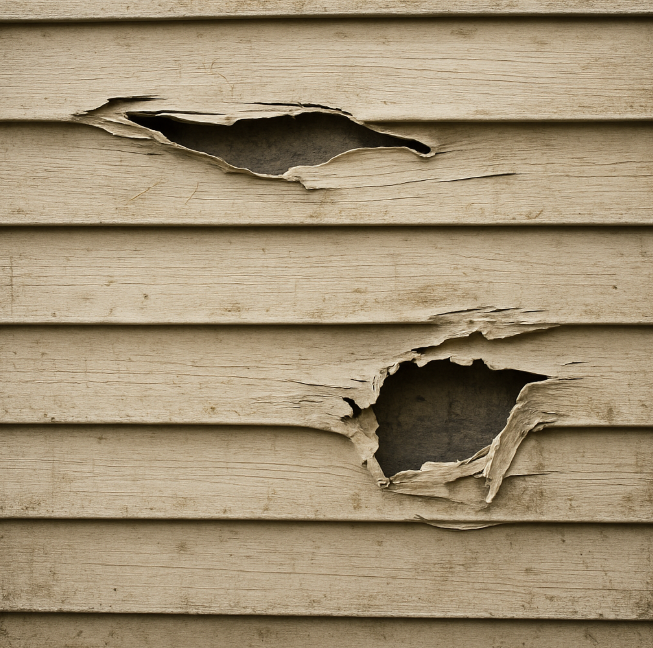
Repair Options for Vinyl Siding
The good news is that many vinyl siding issues can be repaired without replacing the entire siding. Here are some common repair options:
Vinyl Siding Repair Kits
Vinyl siding repair kits are a popular choice for DIY enthusiasts. These kits typically include color-matched patches, adhesive, and instructions for repairing small holes and cracks. They offer a cost-effective solution for minor damages and can be found at most home improvement stores.
Replacing Damaged Panels
For more significant damage, such as large cracks or severely warped panels, replacing the affected sections might be the best option. This process involves removing the damaged panel and installing a new one. It's a more involved repair but can restore the appearance and functionality of your siding.
Professional Siding Restoration
If you're unsure about tackling repairs yourself or if the damage is extensive, hiring a professional siding contractor is a wise choice. Professionals have the tools and expertise to handle repairs efficiently and ensure a long-lasting result. They can also help with siding maintenance to prevent future issues.
Vinyl Siding Repair Cost
The cost of vinyl siding repair varies based on the extent of the damage and the repair method chosen. Here's a general idea of what you might expect:
DIY Repairs: Repair kits are relatively inexpensive, typically ranging from $10 to $50, depending on the size and contents.
Panel Replacement: Replacing a single panel can cost anywhere from $100 to $300, including materials and labor. The cost may vary based on the brand and color of the siding.
Professional Repairs: Hiring a professional can cost between $200 and $1,500 or more, depending on the severity of the damage and the size of the area being repaired.
It's always a good idea to get multiple quotes from reputable contractors to ensure you're getting the best price for the work.
Siding Maintenance Tips
Regular maintenance can help extend the life of your vinyl siding and keep it looking great. Here are some tips to keep in mind:
Clean Regularly: Use a soft brush or cloth and a mixture of water and mild detergent to clean your siding. Avoid using abrasive cleaners or high-pressure washers, as they can damage the surface.
Inspect Annually: Check your siding at least once a year for signs of damage. Look for cracks, warping, and any areas where moisture may be getting in.
Trim Vegetation: Keep trees and bushes trimmed away from your siding to prevent scratches and mold growth.
Address Issues Promptly: If you notice any damage, address it promptly to prevent further deterioration. Small repairs can prevent larger, more costly problems down the line.
Consider Protective Coatings: Some homeowners choose to apply protective coatings to their siding to enhance durability and resistance to fading.
Conclusion
Vinyl siding is a durable and attractive choice for many homeowners, but it requires occasional attention to stay in top shape. Whether you're dealing with minor cracks or more significant damage, understanding your repair options can help you make informed decisions and keep your home looking its best. By maintaining your siding and addressing issues promptly, you can ensure that your investment continues to protect and beautify your home for years to come.
Remember, when in doubt, consulting with a professional can save you time, money, and ensure your repairs are done correctly. Whether you're using a vinyl siding repair kit or calling in the experts, taking care of your siding is an investment in your home's future.
Subscribe to Huskie Exteriors's Blog





Comments