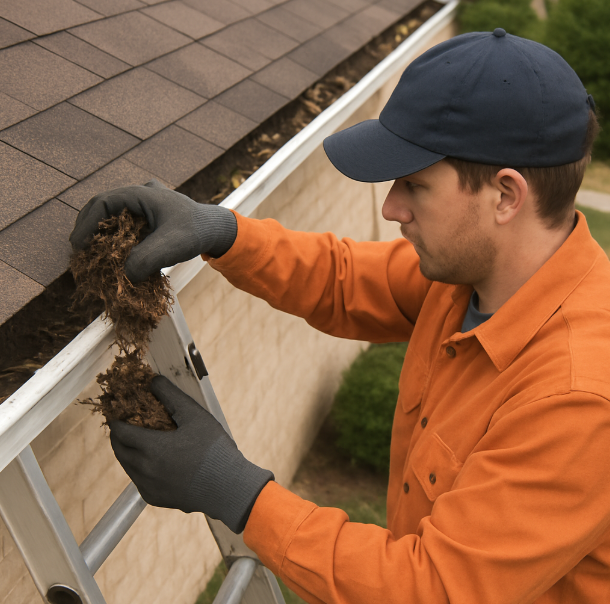
Maintaining clean gutters is crucial for protecting your home from water damage, especially in regions like the Midwest that experience a variety of weather conditions. But how often should you clean your gutters? This guide will help you understand the importance of regular gutter maintenance and provide you with a detailed Midwest cleaning schedule.
Why Gutter Cleaning is Essential
Gutters play a critical role in directing rainwater away from your home. When they become clogged with leaves, twigs, and other debris, they can't function properly. This can lead to water overflow, which might cause damage to your roof, walls, and even the foundation. Regular cleaning ensures that your gutters remain free-flowing and effective.
Potential Damage from Clogged Gutters
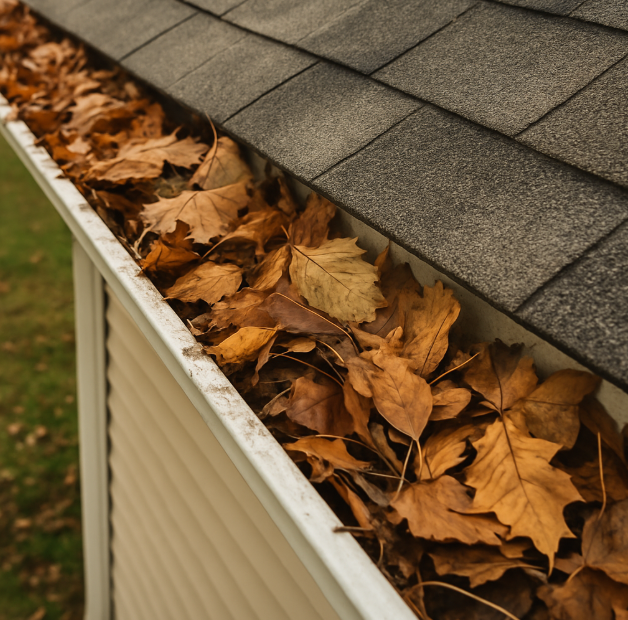
Clogged gutters can lead to various issues, including:
Roof Damage: Water can seep under shingles, leading to leaks and rot.
Foundation Issues: Excess water can pool around the foundation, causing cracks and instability.
Pest Infestations: Stagnant water in clogged gutters can attract mosquitoes and other pests.
Landscape Erosion: Overflowing water can wash away soil and damage landscaping.
Understanding these risks underscores the importance of keeping your gutters clean and functional.
Ideal Gutter Cleaning Frequency
The frequency of gutter cleaning can depend on several factors, such as the number of trees around your home, the type of trees, and the local climate. However, a general rule of thumb is to clean your gutters at least twice a year. In the Midwest, this usually means once in the spring and once in the fall.
Spring Cleaning
Spring is a critical time for gutter maintenance. After the winter months, gutters can be filled with debris from heavy snow and ice. Additionally, new leaves and buds from nearby trees can quickly clog gutters.
Timing: Aim to clean your gutters in late March or early April, depending on the weather.
Focus: Remove any leftover debris from winter and prepare for spring showers.
Fall Cleaning
Fall is another essential time for gutter cleaning, especially as leaves begin to fall. This is the season when gutters are most likely to become clogged.
Timing: Clean your gutters in late October or early November, after most leaves have fallen.
Focus: Clear out fallen leaves and prepare for winter snow and ice.
Additional Cleaning Considerations
While a biannual schedule works for many homeowners, some situations may require more frequent cleaning.
Proximity to Trees
Homes surrounded by many trees, especially deciduous ones, may need additional cleaning. Consider inspecting your gutters monthly during fall when leaves are falling rapidly.
Severe Weather Events
After severe weather events such as thunderstorms or windstorms, it's wise to check your gutters. High winds can blow debris into gutters, while heavy rains can exacerbate clogs.
Older Homes
Older homes may have gutters that are more prone to clogging due to age and wear. These homes might benefit from more frequent inspections and cleaning.
DIY Gutter Cleaning Tips
For those who prefer a hands-on approach, here are some tips for safe and effective DIY gutter cleaning:
Safety First: Use a sturdy ladder and ensure it's on stable ground. Consider using a ladder stabilizer for added safety.
Proper Tools: Use a small garden trowel or a gutter scoop to remove debris. A garden hose can help flush out remaining dirt.
Protective Gear: Wear gloves to protect your hands and safety glasses to shield your eyes from debris.
Check for Damage: While cleaning, inspect your gutters for signs of damage, such as rust, holes, or loose fittings.
When to Call the Professionals
While DIY cleaning is a viable option for many, some situations call for professional help:
Hard-to-Reach Gutters: If your home has multiple stories or challenging roof angles, professional cleaners can safely manage the task.
Persistent Clogs: Professionals have the tools and expertise to handle stubborn blockages.
Time Constraints: Hiring a professional service can save you time and ensure thorough cleaning.
The Benefits of Gutter Guards
For homeowners looking to reduce the frequency of gutter cleaning, gutter guards can be a worthwhile investment. These devices cover the tops of your gutters, preventing debris from entering while allowing water to flow through.
Advantages of Gutter Guards
Reduced Maintenance: Less debris means fewer cleanings.
Extended Gutter Life: Prevents clogs that can lead to damage over time.
Improved Water Flow: Ensures efficient drainage during heavy rains.
However, it's important to note that even with gutter guards, occasional cleaning is still necessary to remove any debris that may have bypassed the guards.
Conclusion
Regular gutter cleaning is a vital part of home maintenance, especially in regions like the Midwest where weather conditions can be extreme. By following a biannual cleaning schedule and considering your home's specific needs, you can protect your property from potential water damage and extend the life of your gutters. Whether you choose to tackle the task yourself or hire professionals, the key is consistency and attention to detail.
Subscribe to Huskie Exteriors's Blog










Comments