When it comes to reducing energy costs, many homeowners are exploring the benefits of energy-efficient windows. But do these windows truly make a significant difference in lowering utility bills? In this article, we will explore the features of thermal windows, low-e windows, and other energy-efficient options, and examine whether they live up to their promise of increased savings and comfort.
Energy-efficient windows are designed to prevent your home from losing heat in the winter and keep it cool in the summer. They achieve this by using special coatings, materials, and construction methods that help manage temperature and light.
Thermal Windows
Thermal windows are built with multiple panes of glass, usually two or three, separated by a space filled with air or gas. This space acts as an insulator, reducing the transfer of heat between the interior and exterior of the home. This type of window is particularly beneficial in areas with extreme temperature variations.
Low-E Windows
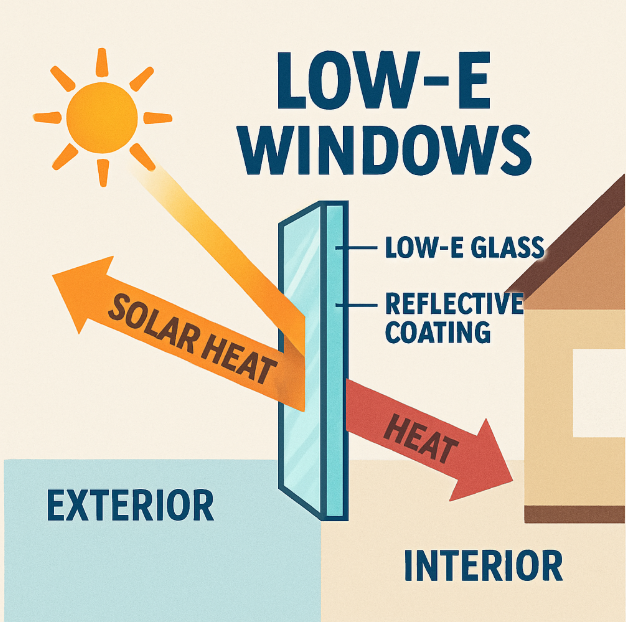
Low-emissivity (Low-E) windows have a special coating that reflects infrared light, keeping heat inside during winter and outside during summer. This coating is nearly invisible and also helps to reduce the amount of ultraviolet light that enters, protecting your home’s interior from fading and damage.
How Do Energy-Efficient Windows Work?
The secret behind energy-efficient windows lies in their construction. The combination of multiple panes, gas fills, and special coatings work together to create a barrier against temperature changes. Here's how these components contribute:
Multiple Panes: The layers of glass provide additional insulation, reducing heat transfer.
Gas Fills: Gases like argon or krypton are used between panes to enhance insulation.
Special Coatings: Coatings like Low-E reflect heat and reduce glare while maintaining visibility.
The Benefits of Energy-Efficient Windows
Reduced Energy Costs: By improving insulation, these windows can reduce the need for heating and cooling, leading to lower utility bills.
Increased Comfort: They help maintain a consistent indoor temperature, reducing drafts and cold spots.
UV Protection: Low-E coatings protect furnishings and floors from UV damage.
Environmental Impact: Lower energy consumption means a reduced carbon footprint.
Do Energy-Efficient Windows Really Save Money?
Many homeowners report noticeable savings after installing energy-efficient windows. However, the extent of these savings can vary based on factors such as the age of the home, the climate, and the existing windows' condition.
Factors Affecting Savings
Climate: In areas with extreme temperatures, energy-efficient windows can offer more significant savings.
Home Insulation: Proper insulation and sealing complement the performance of energy-efficient windows.
Window Orientation: South-facing windows can benefit more from Low-E coatings to reduce heat gain.
Are Energy-Efficient Windows Worth the Investment?
Installing energy-efficient windows is an investment in your home that can pay off in several ways. While the upfront cost can be higher than standard windows, the long-term savings on energy bills and increased home value often justify the expense.
Return on Investment
The exact return on investment (ROI) can vary, but energy-efficient windows generally offer a good ROI over time. Homeowners can typically recover the initial cost through energy savings within a few years.
Considerations Before Installing
Before making the switch, consider these factors:
Window Quality: Not all energy-efficient windows are created equal; research and choose high-quality options.
Professional Installation: Proper installation is crucial for maximizing efficiency.
Local Incentives: Check for local rebates or tax incentives for installing energy-efficient windows.
Conclusion
Energy-efficient windows can indeed help lower utility bills by improving your home's insulation and reducing energy consumption. While the initial investment may seem steep, the long-term benefits in energy savings, comfort, and home value make them a worthwhile consideration for many homeowners.
Ultimately, the decision to install energy-efficient windows should be based on your specific needs, climate, and budget. By taking the time to research and choose the right windows for your home, you can enjoy both immediate and lasting benefits.
Subscribe to Huskie Exteriors's Blog





Comments