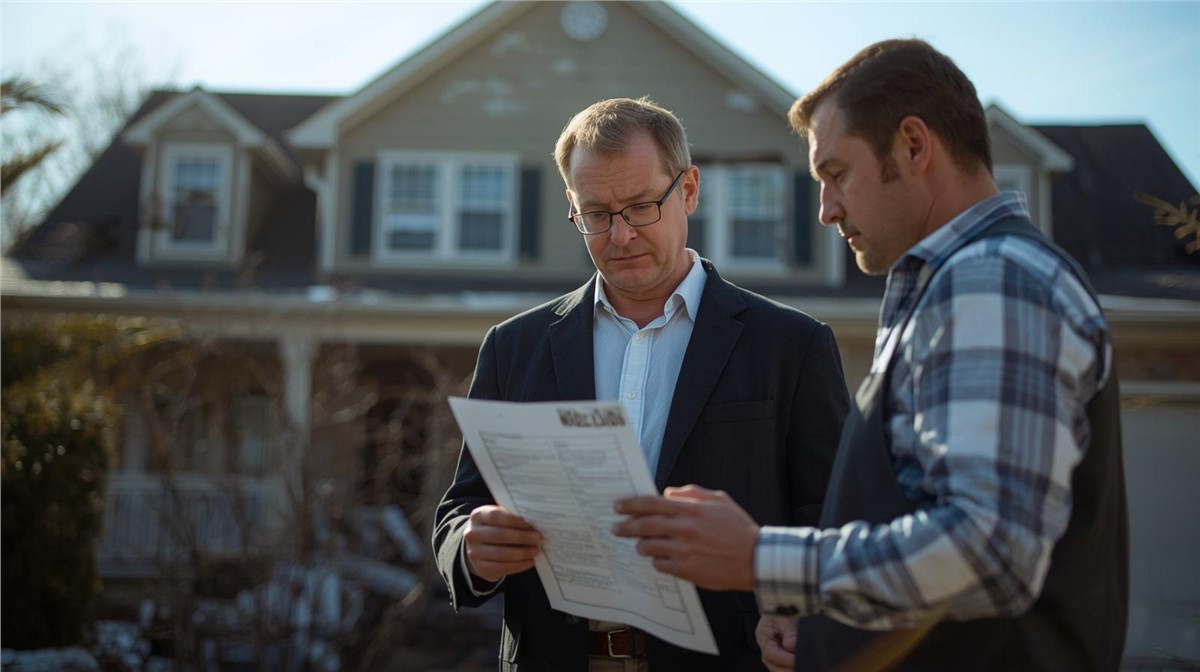
Storm damage claims move more smoothly when you act fast, document everything, and get a professional roof inspection before small issues turn into bigger interior problems. In Crystal Lake, IL, hail, damaging winds, and winter weather can all shorten roof life, so a clear step-by-step process helps you protect both your home and your insurance claim.
Why This Matters in Crystal Lake, IL
Roof insurance claims are stressful for any homeowner, but they are especially important in a climate like Crystal Lake, IL. Local weather risks include large hail, damaging winds, thunderstorms, and winter storms, all of which can damage shingles, flashing, gutters, and ventilation systems.
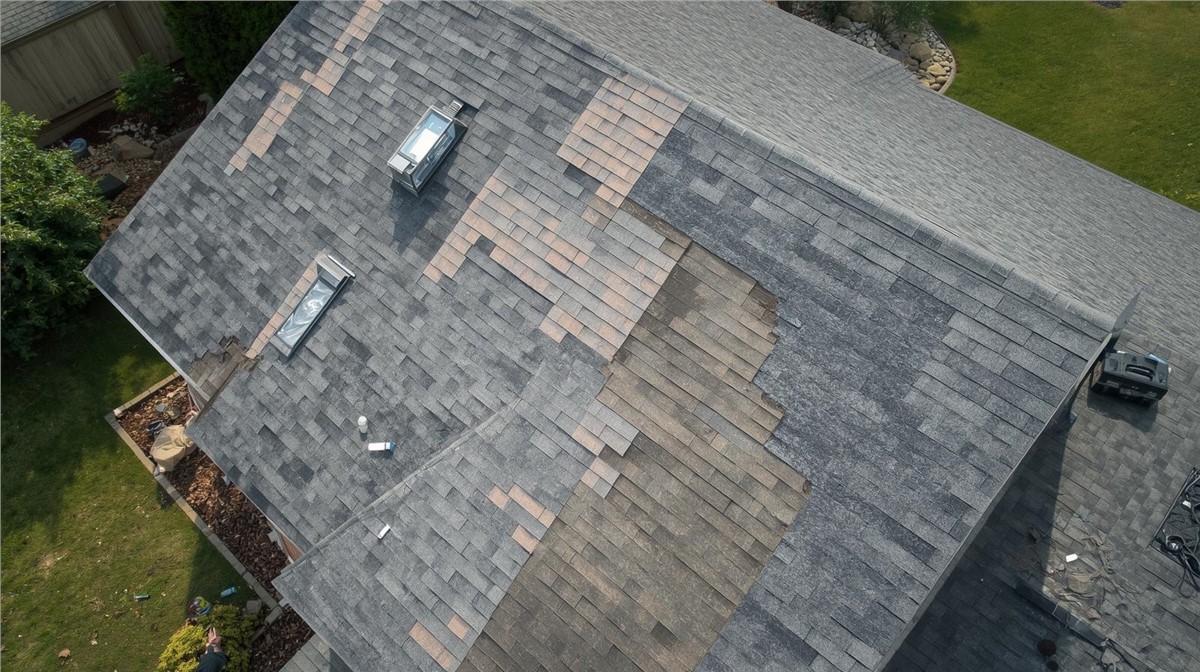
That matters because roof damage is not always obvious from the ground. A storm can loosen shingles, bruise asphalt, damage flashing, or create entry points for water without causing an immediate leak inside. Then freeze/thaw cycles, snow load, and ice dam conditions can make that hidden damage worse over the following weeks.
For homeowners in Crystal Lake, IL, the biggest mistake is waiting too long. Delays can make the damage harder to document, give moisture more time to spread, and create confusion during the adjuster’s review.
Common Signs You Need Roof Insurance Claim Help
- Missing or lifted shingles
High winds can break the seal on shingles or tear them off entirely, leaving exposed areas vulnerable to leaks. - Hail hits on shingles
Hail can bruise or fracture shingles, knocking off granules and shortening roof life even when the roof still looks mostly intact from the driveway. - Granules in gutters or downspouts
Heavy granule loss after a storm can point to impact damage or accelerated wear. - Bent, dented, or damaged flashing
Metal flashing around chimneys, valleys, skylights, and vents often shows storm impact clearly. - Leaking in attic or ceilings
Water stains, damp insulation, or a musty attic smell can mean roof damage has already allowed moisture in. - Damaged gutters, fascia, or siding
Storm damage rarely affects only one component. If exterior metal or siding took a hit, the roof may have damage too. - Visible debris impact
Fallen branches or wind-thrown debris can crack shingles and damage roof edges.
When to Schedule It (Best Timing + What to Do First)
The best time to schedule roof insurance claim help is as soon as possible after a storm event. Do not wait for a leak to appear. In Crystal Lake, IL, quick action matters because one storm can be followed by another, and damaged materials are more vulnerable to additional wind, rain, and freeze/thaw exposure.
Here is a practical timeline:
First 24 Hours
- Make sure everyone is safe.
- Stay clear of downed power lines or dangerous debris.
- Take photos of visible damage from the ground.
- Protect the interior if water is entering the home.
- Contact a qualified roofing contractor for an inspection.
- Notify your insurance carrier that you may have storm damage.
Within 1–3 Days
- Schedule a full exterior and roof inspection.
- Create a written list of damage you can see.
- Save any emergency mitigation receipts.
- Gather past roof records if you have them.
- Ask your contractor for photo documentation and a scope of damage.
Before the Adjuster Visit
- Organize photos and notes.
- Be ready to point out where you believe damage occurred.
- Have your contractor’s inspection findings available.
- Ask what deductible applies, especially for wind or hail claims. Some Illinois policies now use a separate wind/hail deductible structure, so homeowners should review that carefully.
What a Professional Inspection Includes
A professional storm-damage inspection should be much more than a quick glance from the ground. It should create a clear record of the roof’s condition and identify both obvious and less visible issues.
A thorough inspection typically includes:
- Shingle condition review
Looking for hail bruising, lifted tabs, torn shingles, creases, and granule loss. - Flashing inspection
Checking valleys, chimney flashing, step flashing, pipe boots, and skylight edges. - Roof edge and ridge review
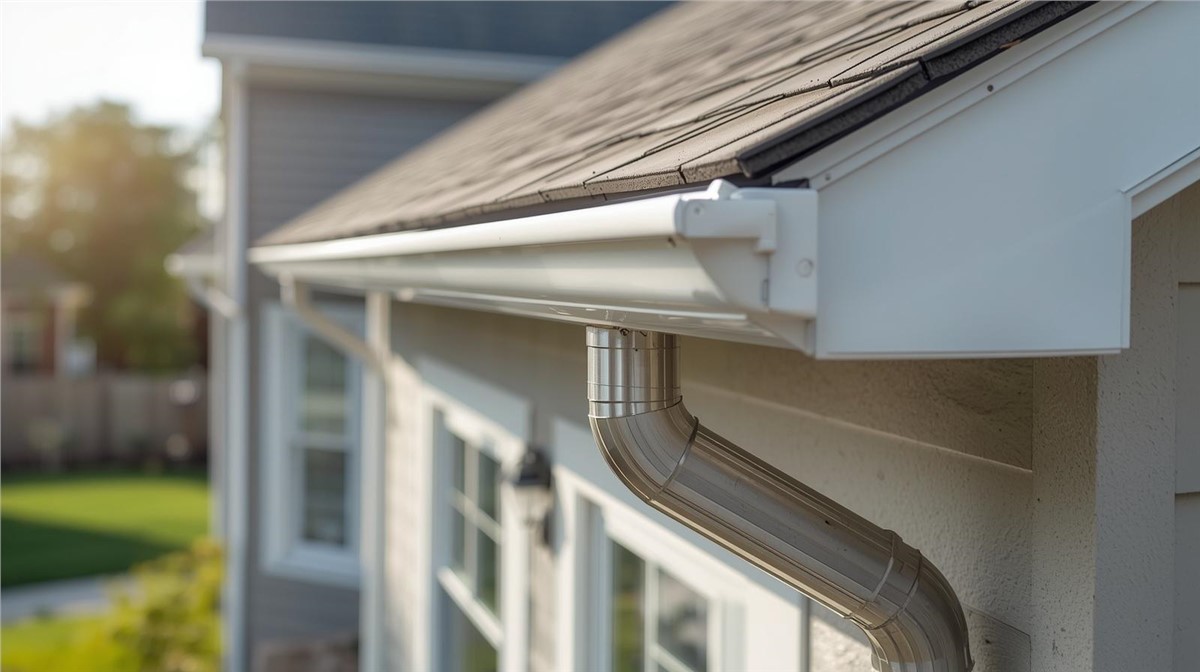
Inspecting drip edge, ridge caps, and wind-vulnerable areas. - Gutter and downspout assessment
Looking for dents, impact marks, sagging, and drainage issues. - Ventilation and attic check
Watching for moisture, staining, frost-related issues, poor airflow, and signs of past leaks. - Interior leak indicators
Checking ceilings, attic decking, insulation, and wall transitions where water may be entering. - Photo documentation
Taking clear images that help support the claim file and adjuster discussion. - Repair vs. replacement evaluation
Determining whether spot repair is realistic or whether storm damage is widespread enough to justify replacement.
At Huskie Exteriors, we also help homeowners understand what the damage means in real-world terms: what needs immediate attention, what can wait briefly, and what should be discussed directly with the insurance carrier.
What This Typically Costs in Crystal Lake, IL (2026 Pricing)
For homeowners in Crystal Lake, IL, roof costs depend on roof size, slope, materials, and how much storm-related work is needed. These are realistic 2026 Midwest ranges for standard residential projects:
- Minor roof repair: $450–$1,500
- Moderate storm-related repair: $1,500–$4,500
- Architectural asphalt shingle roof replacement: $8,500–$18,500
- Larger or steeper homes: $18,500–$30,000+
- Insurance-related temporary tarping or emergency mitigation: $250–$1,200 depending on size and urgency
Top cost factors include:
Roof Size
More squares mean more shingles, underlayment, labor, disposal, and accessory materials.
Roof Complexity
Valleys, dormers, steep slopes, skylights, chimneys, and multiple roof sections increase labor time and detail work.
Material Type
Standard three-tab, architectural shingles, impact-resistant shingles, and upgraded underlayments all affect cost differently.
Tear-Off Condition
If the decking has soft spots or moisture damage, repairs below the shingles can increase the final price.
Storm Scope and Accessory Damage
Damage to gutters, flashing, fascia, vents, or attic components can expand the project beyond shingles alone.
In many insurance situations, your out-of-pocket cost depends less on the full roof price and more on your deductible, coverage terms, depreciation structure, and whether all storm-related components are documented properly.
Insurance / Permits / Local Notes in Crystal Lake, IL
For storm-related roof work in Crystal Lake, IL, insurance and permit questions often come up at the same time.
On the insurance side, homeowners should secure the property, document damage, gather important paperwork, and prepare lists, photos, and contractor bids before or during the adjuster process. It also helps to be present for the adjuster visit when possible and keep records of contacts and next steps.
On the permit side, roofing work in Crystal Lake, IL can involve local permit requirements. That is one reason homeowners should work with a contractor who understands local code requirements and scheduling.
A few practical local notes:
- Storm events can affect many homes at once, which may delay adjuster availability.
- Winter conditions can make temporary protection urgent even when full replacement needs to wait for better weather.
- If your policy includes a wind/hail deductible, ask about that early so you understand your expected out-of-pocket cost.
How to Choose the Right Contractor in Crystal Lake, IL
The right contractor should make the process clearer, not more confusing. In Crystal Lake, IL, look for a roofing company that understands storm documentation, insurance communication, and Midwest weather performance.
Questions to ask:
- Are you experienced with storm-damage roof inspections?
- Will you provide detailed photos and a written scope?
- Do you inspect attic ventilation and related exterior components too?
- Are you licensed and insured for roofing work in Illinois?
- Will you explain repair versus replacement honestly?
- Can you help me prepare for the adjuster meeting?
- Do you install products suited for hail, wind, and ice dam conditions?
Red flags to watch for:
- Pressure to sign immediately after a storm
- Vague pricing or missing paperwork
- No proof of insurance or licensing
- Promises of “free roofs” or unrealistic claim guarantees
- No local presence or no clear service history in Northern Illinois
Mistakes Homeowners Make (And How to Avoid Them)
- Waiting too long to schedule an inspection
Small issues can turn into interior damage fast. - Only looking from the ground
Many storm issues are not obvious without a proper inspection. - Throwing away damaged materials too soon
Keep documentation and ask before discarding claim-related evidence. - Not taking photos right away
Early photos help show storm timing and condition. - Ignoring gutters, siding, or flashing
Those components may help confirm the extent of the storm event. - Not reading the deductible details
Wind and hail deductibles can work differently than standard deductibles. - Choosing a contractor based only on the lowest number
Incomplete scopes often lead to missed damage and more problems later.
FAQs
How soon should I file a roof damage claim in Crystal Lake, IL?
As soon as you suspect storm damage, start documenting and contact your insurer. Fast action helps preserve evidence and reduces the chance that later weather makes the damage worse.
Can hail damage a roof even if it is not leaking yet?
Yes. Hail can bruise shingles, loosen granules, and damage flashing without causing an immediate interior leak. That is why a professional inspection matters after a major storm.
Do I need a permit for roof work in Crystal Lake, IL?
Roofing work can involve local permit requirements depending on the scope of the project. Your contractor should confirm the exact scope and handle the permit process correctly.
What should I have ready for the insurance adjuster?
Have photos, notes, a list of observed damage, and any contractor inspection findings or bids. It also helps to keep receipts and records of communication during the claim.
Does my policy use a separate wind or hail deductible?
It might. Some Illinois homeowners policies apply a specific wind/hail deductible, so review your declarations page and ask your carrier to explain exactly how it applies to your claim.
Get a Free Estimate in Crystal Lake, IL
If your home may have storm damage, Huskie Exteriors is here to help with professional roof inspections, honest recommendations, and clear support through the insurance claim process. We serve homeowners in Crystal Lake, IL and across Northern Illinois and Southern Wisconsin with roofing, siding, gutters, and windows built for Midwest weather.
Schedule your free inspection and estimate with Huskie Exteriors today. We will assess the damage, document what we find, and help you take the next step with confidence.
Subscribe to Huskie Exteriors's Blog





Comments