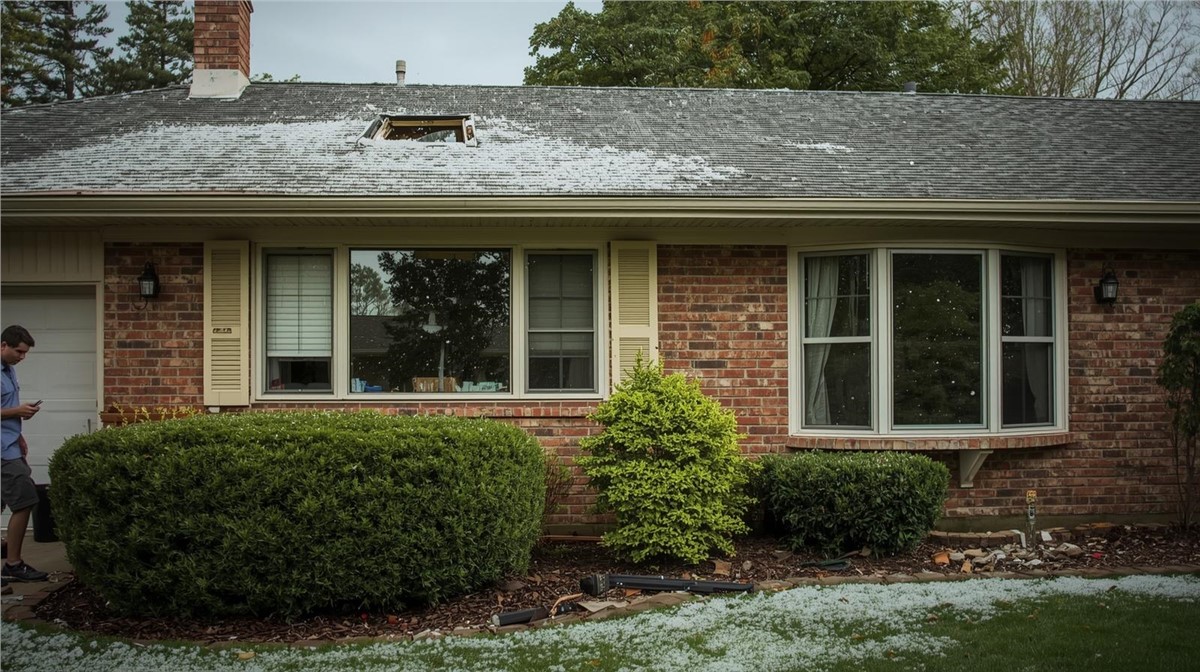
Hail storms can cause unexpected damage to homes across northern Illinois. In Naperville, IL, storms that bring hail and strong winds can impact roofs, siding, gutters, and other exterior components. Even when hailstorms appear brief, the force of hailstones striking a home can weaken roofing materials and create vulnerabilities that may lead to leaks or structural problems.
Many homeowners rely on their insurance policies to help cover the cost of storm-related repairs. However, filing an insurance claim after a hail storm can sometimes feel confusing if you are unfamiliar with the process.
Understanding how to file a hail damage insurance claim in Naperville, IL can help homeowners take the right steps after severe weather, properly document damage, and ensure repairs are completed efficiently.
How Hail Storms Damage Homes
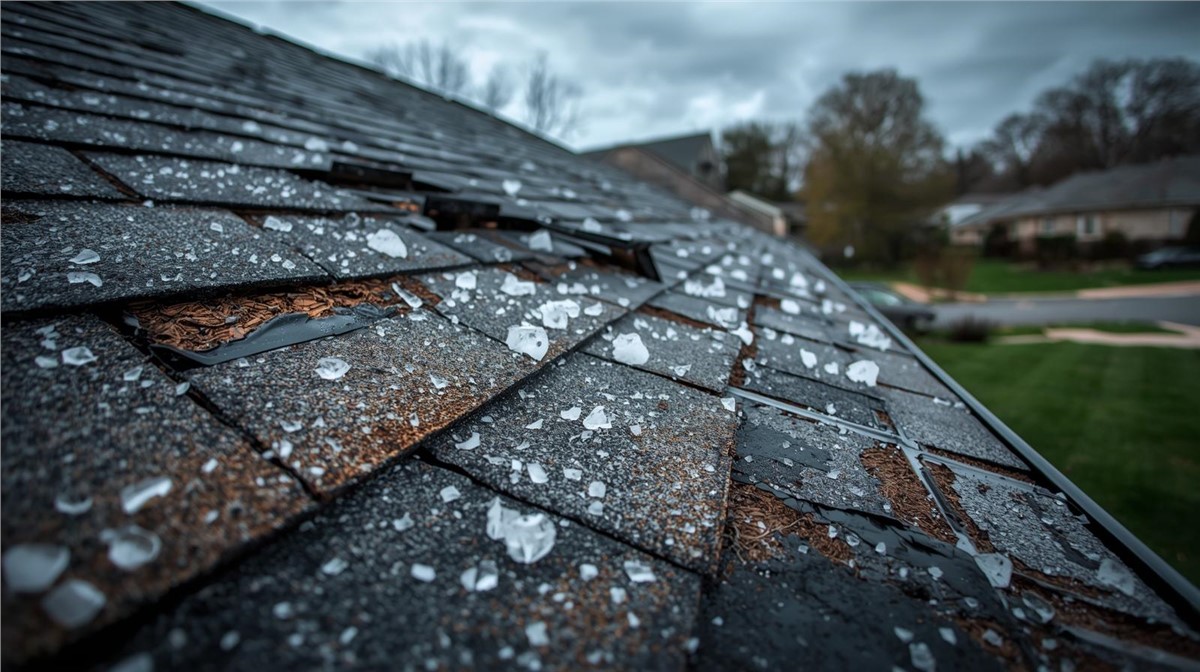
Hail storms can impact multiple areas of a home’s exterior. While roofing systems often receive the most damage, other components may also be affected.
Common signs of hail damage include:
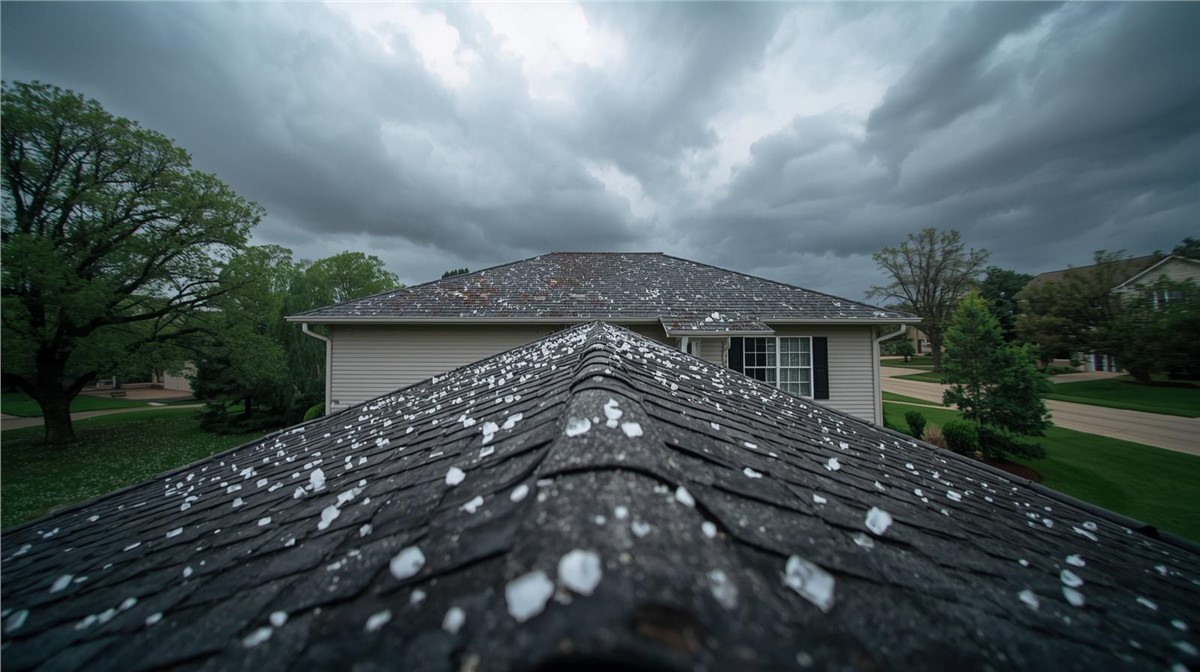
bruised or dented roofing shingles
granule loss on asphalt shingles
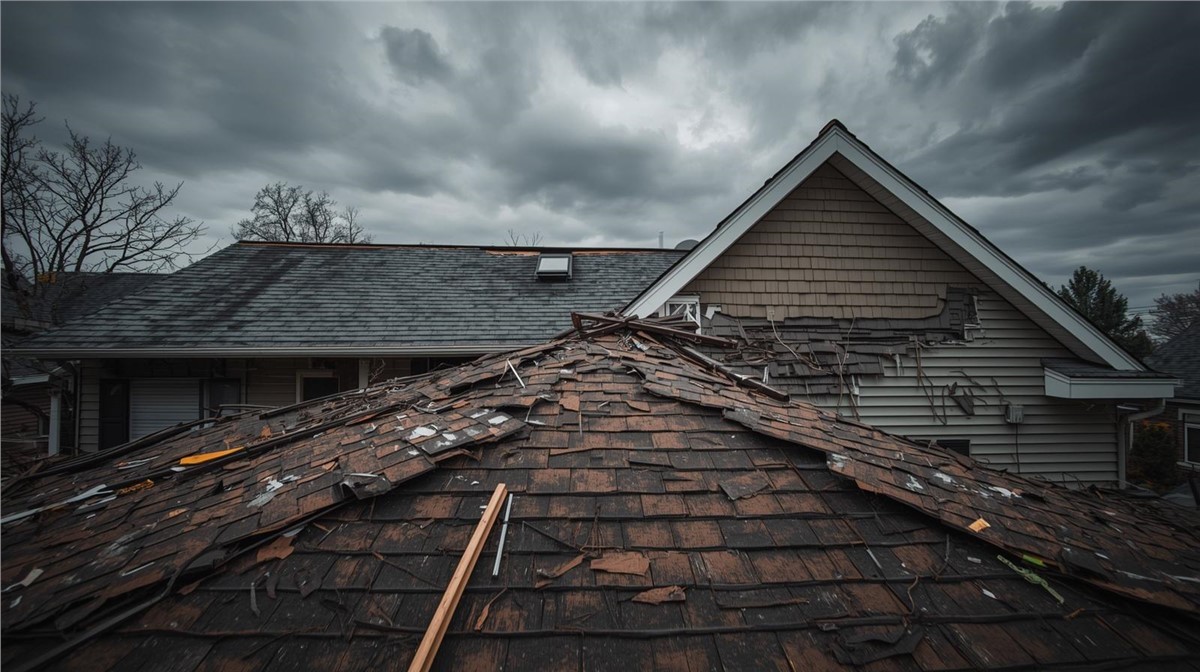
cracked or broken shingles
dents in gutters and downspouts
damaged siding panels
dents in roof vents or flashing
Some damage may be visible immediately after a storm, while other issues may develop gradually as weakened materials deteriorate.
Because hail damage is not always easy to identify from the ground, scheduling a professional inspection is often recommended.
Inspect Your Property After the Storm
Once a storm has passed and it is safe to go outside, homeowners should perform a basic visual inspection of their property.
Things to check include:
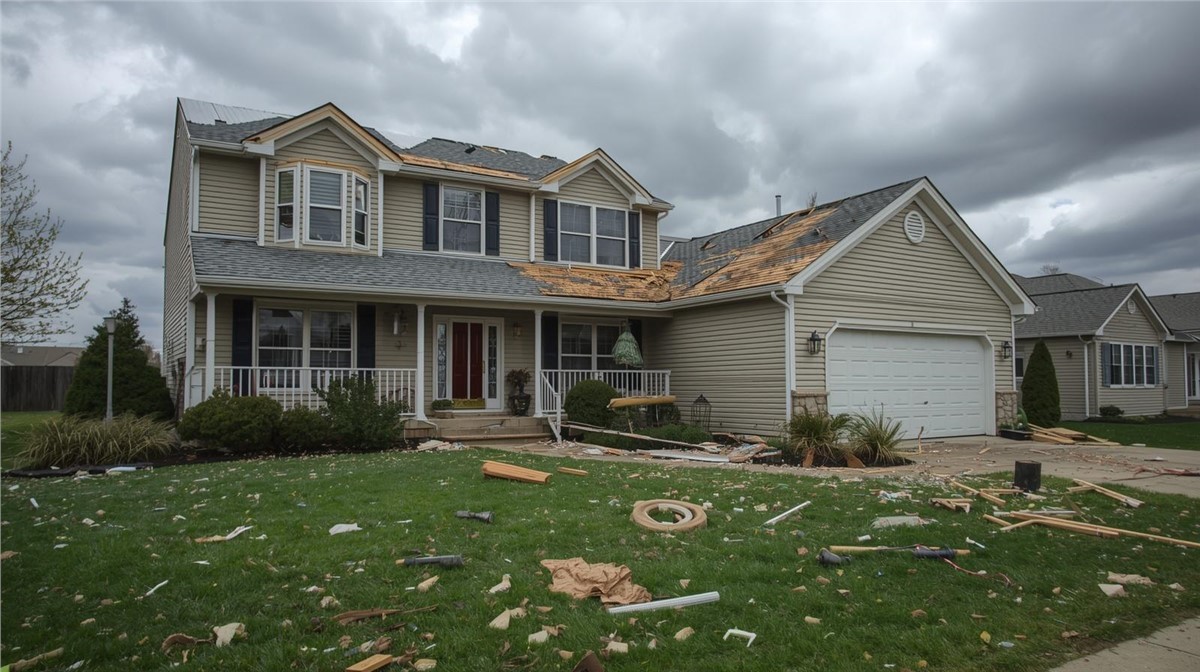
roofing debris in the yard
dented gutters or downspouts
damaged siding panels
granules collecting near downspouts
fallen branches or debris around the home
While these observations can help identify possible damage, homeowners should avoid climbing onto the roof. Roofing inspections are safest when performed by trained professionals.
Schedule a Professional Roof Inspection
A professional inspection is one of the most important steps in the insurance claim process. Roofing experts are trained to recognize subtle signs of hail damage that homeowners may overlook.
During an inspection, professionals evaluate:
roofing shingles and protective granules
flashing around vents and chimneys
roof ventilation components
gutters and drainage systems
siding panels and exterior trim
Inspection reports often include photographs and documentation that may be useful when filing an insurance claim.
Document the Storm Damage
Insurance companies typically require documentation confirming that damage was caused by a recent storm. Collecting information about the damage can help support your claim.
Homeowners should gather:
photographs of visible damage
inspection reports from roofing professionals
details about the date of the storm
records of previous roof maintenance or repairs
Proper documentation can help speed up the claims process and provide clear evidence of storm-related damage.
Contact Your Insurance Provider
Once damage has been documented, the next step is to contact your insurance company and report the claim. The insurance provider will typically open a claim and assign an adjuster to evaluate the damage.
The claim process often includes:
Reporting the storm damage to your insurance company
Scheduling an inspection with an insurance adjuster
Reviewing documentation and inspection reports
Determining whether repairs or replacement are covered
The adjuster’s evaluation helps determine the extent of the damage and the amount of coverage provided by the policy.
Understanding the Insurance Adjuster Inspection
During the claims process, an insurance adjuster will visit the property to inspect the damage. The adjuster’s role is to evaluate whether the damage was caused by a covered storm event.
The adjuster may examine:
shingles and roof surfaces
flashing and metal roof components
siding panels and exterior trim
gutters and drainage systems
After completing the inspection, the adjuster prepares a report outlining the damage and estimated repair costs.
Completing Hail Damage Repairs
Once the insurance claim is approved, homeowners can move forward with repairing the damage. Completing repairs promptly helps restore the home’s protective barrier and prevent further problems.
Common hail damage repairs may include:
replacing damaged shingles
repairing flashing and roof vents
replacing damaged siding panels
repairing or replacing gutters
Addressing storm damage quickly helps ensure the home remains protected from future weather events.
Why Acting Quickly Matters
Delaying repairs after a hail storm can allow damage to worsen over time. Even minor hail impacts can weaken roofing materials and allow moisture to penetrate the roof structure.
If hail damage is not addressed, it may eventually lead to:
roof leaks
mold growth in attic spaces
damaged insulation
deterioration of roof decking
interior water damage
Taking action early helps prevent these issues and protects the long-term condition of the home.
Schedule a Storm Damage Inspection in Naperville, IL
If your home recently experienced hail or severe storms, scheduling a professional inspection is an important step in the insurance claim process.
At Huskie Exteriors, we provide storm damage inspections and repair services for homeowners in Naperville, IL and surrounding communities. Our team evaluates roofs, siding, gutters, and other exterior components to identify hail damage and recommend the best repair solutions.
Filing a hail damage insurance claim and addressing repairs early helps protect your home, prevent costly future damage, and ensure your property remains safe during future storms.
Subscribe to Huskie Exteriors's Blog





Comments