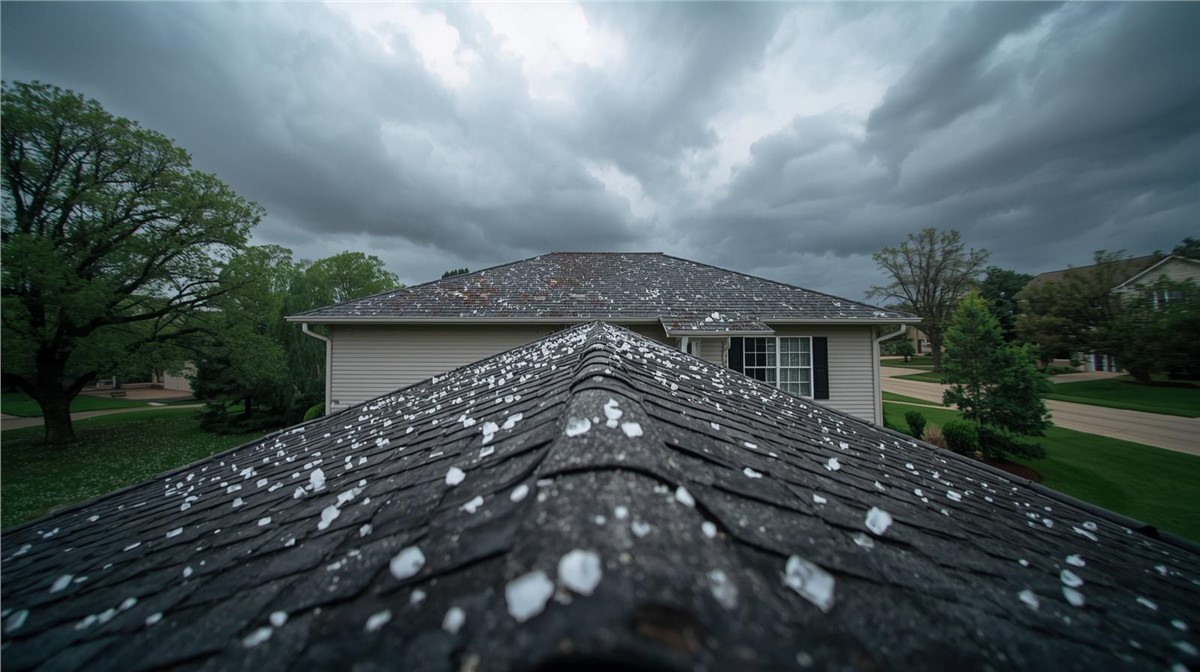
Hail storms can cause significant damage to homes, particularly roofing systems. In Naperville, IL, storms that bring hail and strong winds are fairly common during the spring and summer months. Even when hailstorms appear brief, the impact of hailstones striking roofing materials can weaken shingles and compromise the roof’s protective barrier.
Many homeowners assume their roof is in good condition if they do not immediately notice damage. However, hail damage is not always easy to detect from the ground. Small impact marks, cracked shingles, or granule loss can eventually lead to leaks or structural issues if they are not addressed early.
Knowing when to schedule a roof inspection after hail in Naperville, IL can help homeowners identify storm damage quickly and prevent small problems from becoming costly repairs.
Why Roof Inspections Are Important After Hail
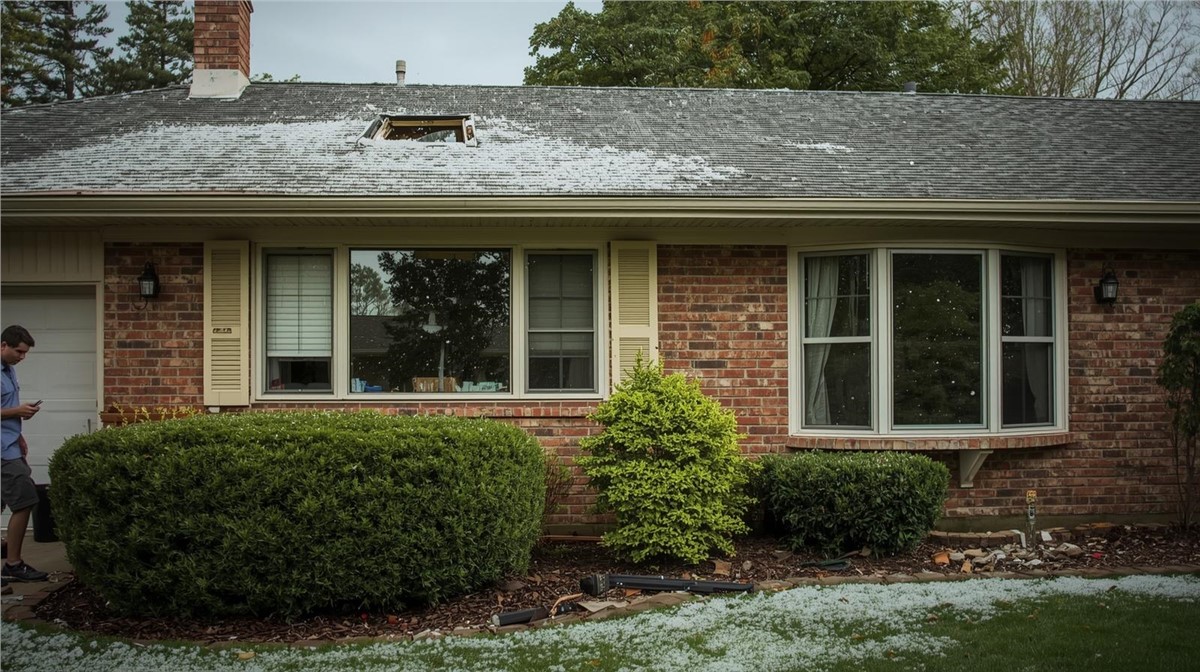
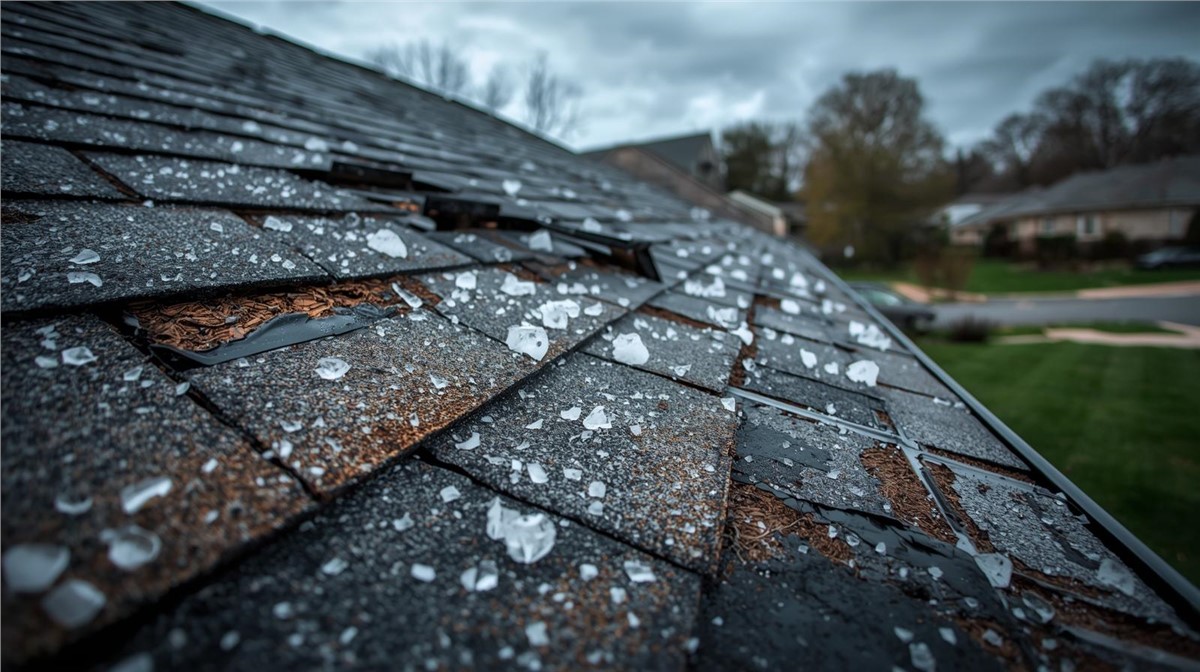
Hail storms can affect roofing materials in ways that are not immediately visible. Asphalt shingles may become bruised, lose protective granules, or crack after hail impacts.
Even minor damage can reduce the roof’s ability to protect the home from moisture and severe weather. Over time, these weaknesses can lead to roof leaks, mold growth, or deterioration of the roof structure.
A professional roof inspection helps identify hidden damage and determine whether repairs are necessary.
Schedule an Inspection Shortly After the Storm
One of the best times to schedule a roof inspection is soon after a hail storm occurs. Having the roof evaluated while the storm event is recent allows roofing professionals to assess damage more accurately.
Early inspections can help:
identify hidden hail damage
prevent water intrusion and leaks
document storm damage for insurance claims
determine whether repairs are needed
Prompt inspections also help homeowners address problems before the next storm occurs.
Signs That Your Roof Should Be Inspected Immediately
Even if you are unsure whether your roof was damaged, certain warning signs indicate that an inspection should be scheduled as soon as possible.
Common signs include:
dark impact marks on shingles
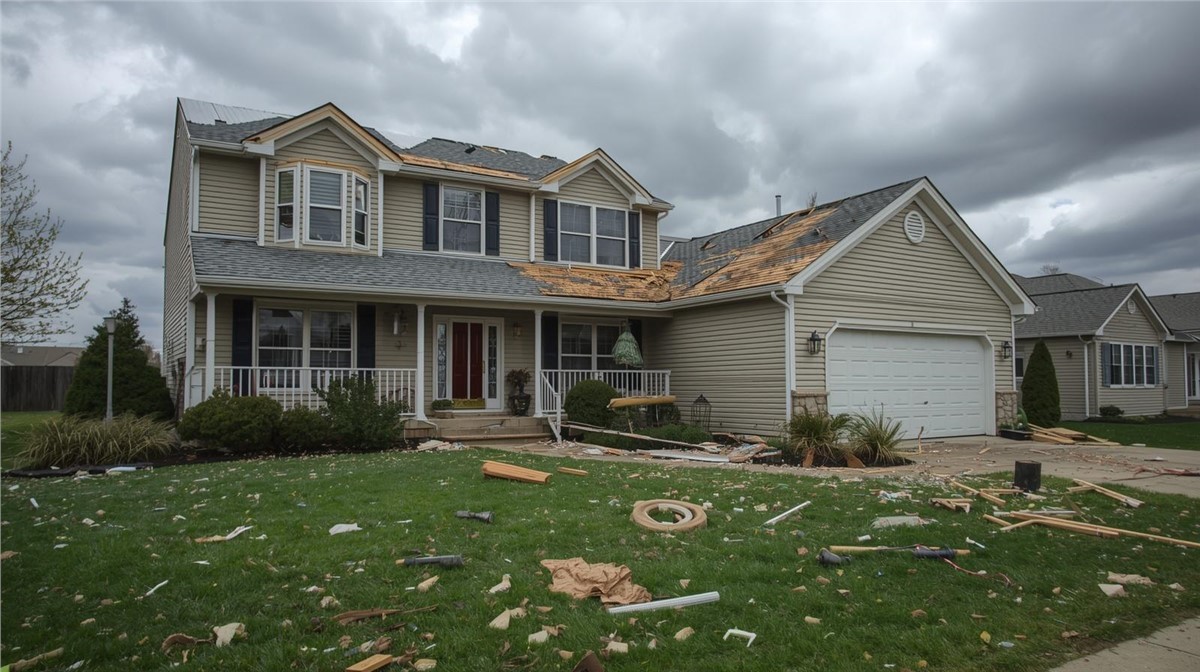
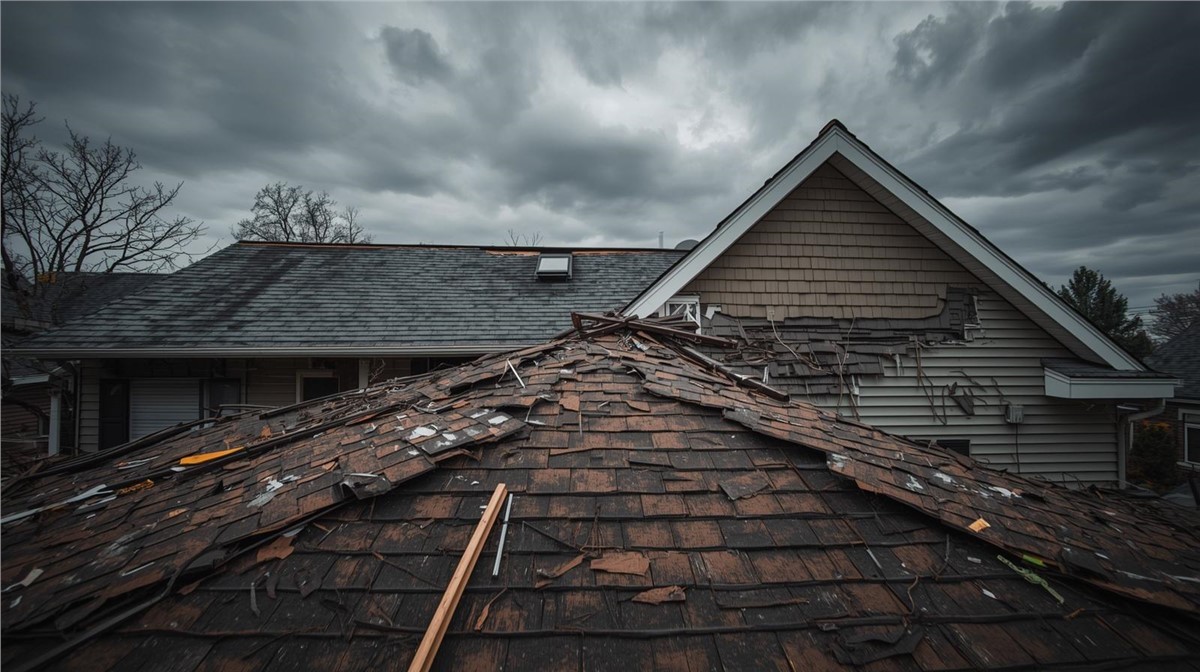
missing or loose shingles
granules collecting in gutters or downspouts
dents in roof vents or flashing
roofing debris scattered around the yard
These signs may indicate that hail struck the roof and weakened the roofing materials.
Inspect Your Roof After Large Hailstorms
The size of hailstones plays a major role in the severity of roof damage. Larger hailstones are more likely to crack shingles or cause significant impact damage.
If hailstones larger than one inch in diameter occur during a storm, it is generally recommended to schedule a roof inspection. Larger hail can damage not only shingles but also gutters, flashing, and siding.
Even if the roof appears intact from the ground, hidden damage may still exist.
Schedule an Inspection Before Filing an Insurance Claim
Many homeowners insurance policies include coverage for storm-related damage, including hail. However, insurance companies often require documentation confirming that the damage occurred during a recent storm.
A professional roof inspection can help provide the necessary documentation. Inspection reports may include:
photographs of damaged roofing materials
descriptions of impacted areas
recommendations for repairs or replacement
This documentation can help support an insurance claim and ensure the damage is properly evaluated.
Consider Routine Inspections After Storm Season
In areas like Naperville that frequently experience severe weather, routine roof inspections are an important part of home maintenance.
Scheduling inspections after storm season can help identify damage that may not have been noticed earlier. Regular inspections also allow homeowners to monitor the condition of their roofing systems and address minor issues before they become major repairs.
Routine inspections typically evaluate:
shingles and protective granules
flashing around vents and chimneys
gutters and drainage systems
attic ventilation
the overall roof structure
These inspections help ensure the roof remains strong and prepared for future storms.
Why Early Detection Matters
Delaying a roof inspection after a hail storm can allow damage to worsen over time. Small impact marks may eventually develop into cracked shingles or water infiltration.
If hail damage is left untreated, it may lead to:
roof leaks
mold growth in attic spaces
damaged insulation
deterioration of roof decking
interior water damage
Early detection allows repairs to be completed before these problems occur.
Schedule a Roof Inspection in Naperville, IL
If your home recently experienced hail or severe weather, scheduling a professional roof inspection is an important step in protecting your property.
At Huskie Exteriors, we provide roof inspections and storm damage repair services for homeowners in Naperville, IL and surrounding communities. Our team carefully evaluates roofing systems to identify hail damage and recommend the most effective repair solutions.
Scheduling a roof inspection after a hail storm helps protect your home, prevent costly repairs, and ensure your roofing system remains strong for years to come.
Subscribe to Huskie Exteriors's Blog





Comments