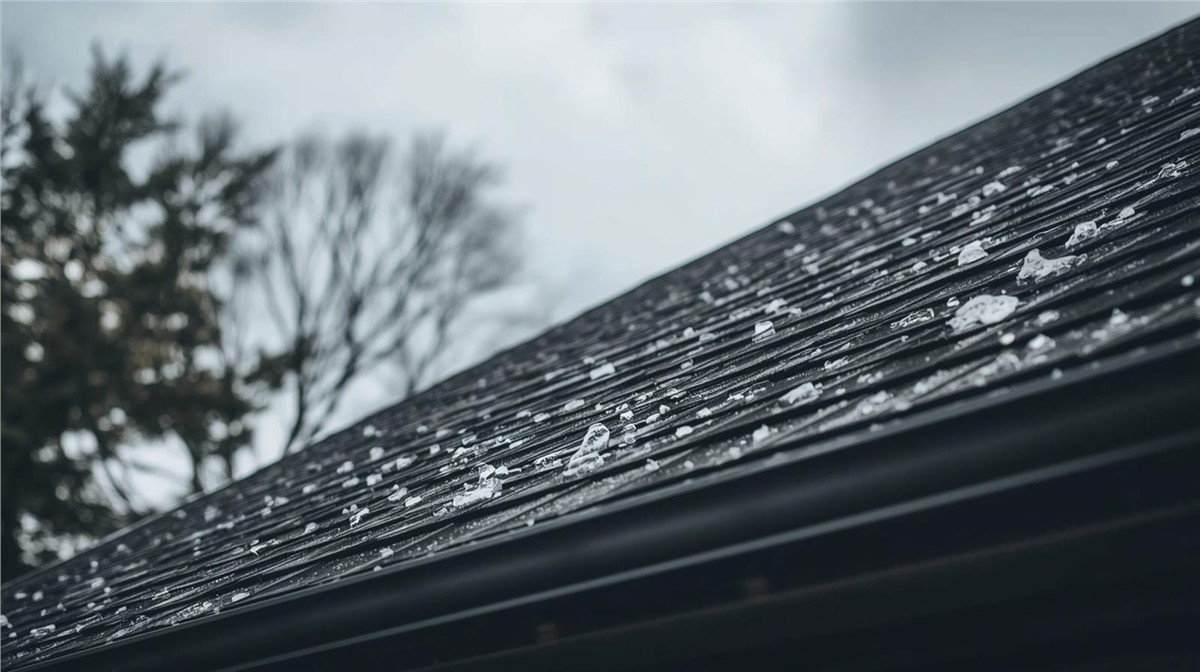
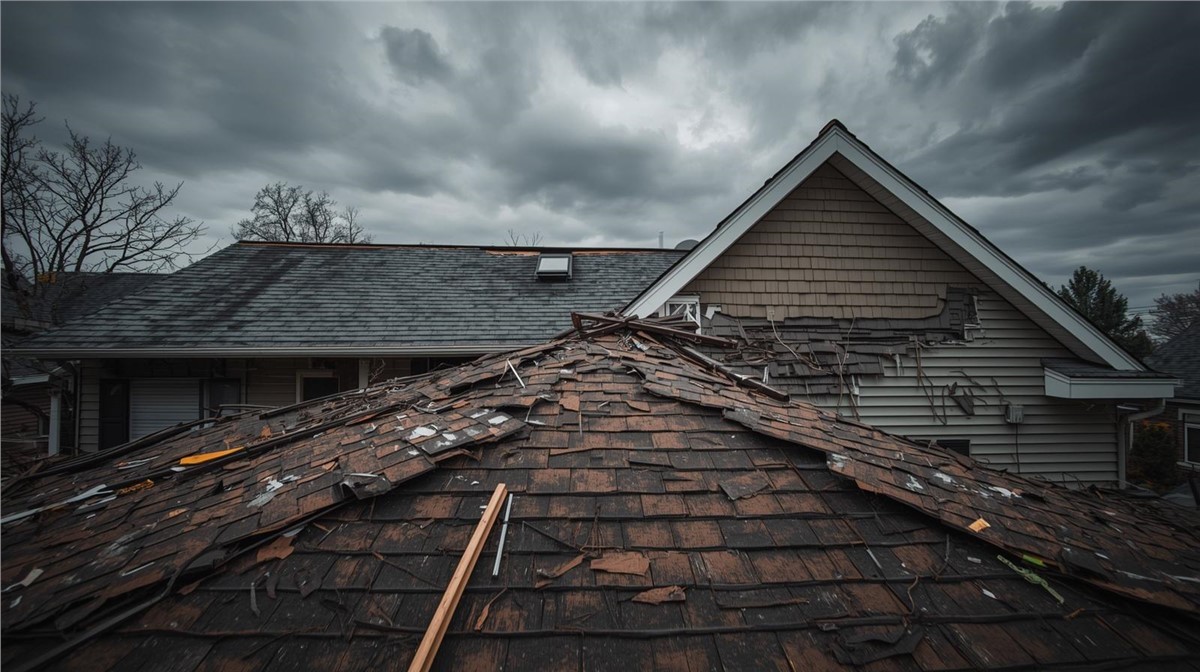
Hail storms can cause serious damage to homes, especially roofing systems and exterior materials. In Woodridge, IL, storms that bring hail and strong winds often leave behind damage that homeowners may not immediately notice. Even small hailstones can weaken shingles, dent gutters, and damage siding panels.
When storm damage occurs, many homeowners rely on their insurance policies to help cover repair costs. However, filing a claim can sometimes feel confusing or overwhelming if you are unfamiliar with the process.
Understanding how to file a hail damage insurance claim in Woodridge, IL can help homeowners take the right steps after a storm, document damage properly, and ensure their property is repaired as quickly as possible.
How Hail Damage Affects Homes
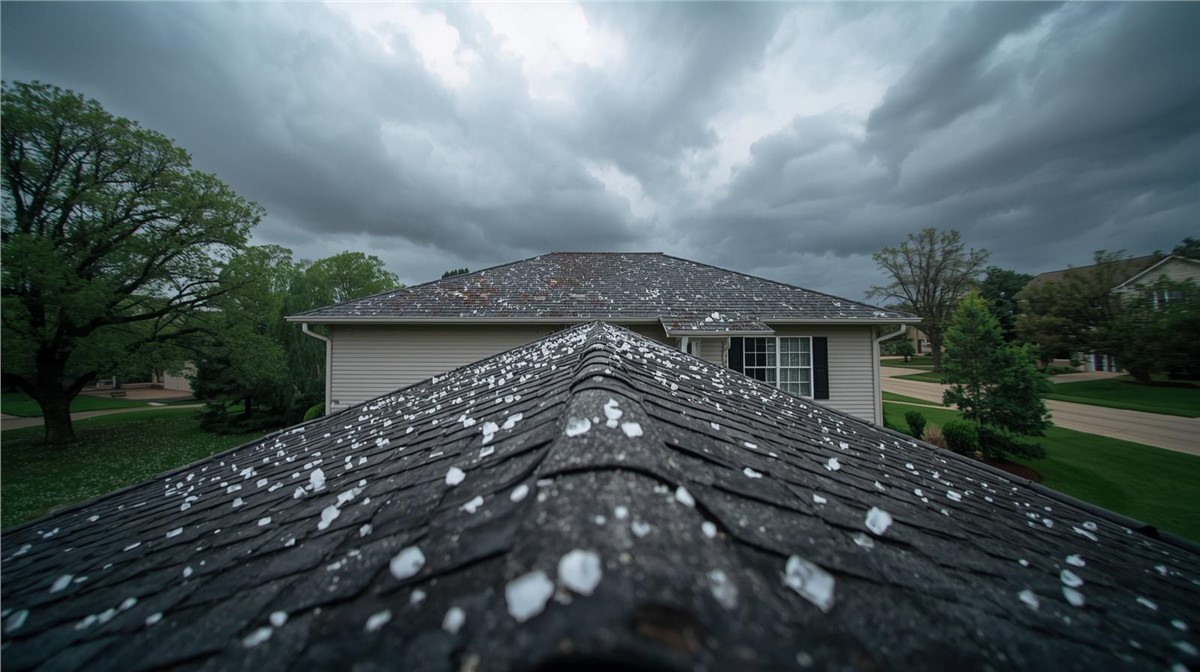
Hail storms can impact several exterior components of a home. While roofs often receive the most damage, hail can also affect siding, gutters, and other structural elements.
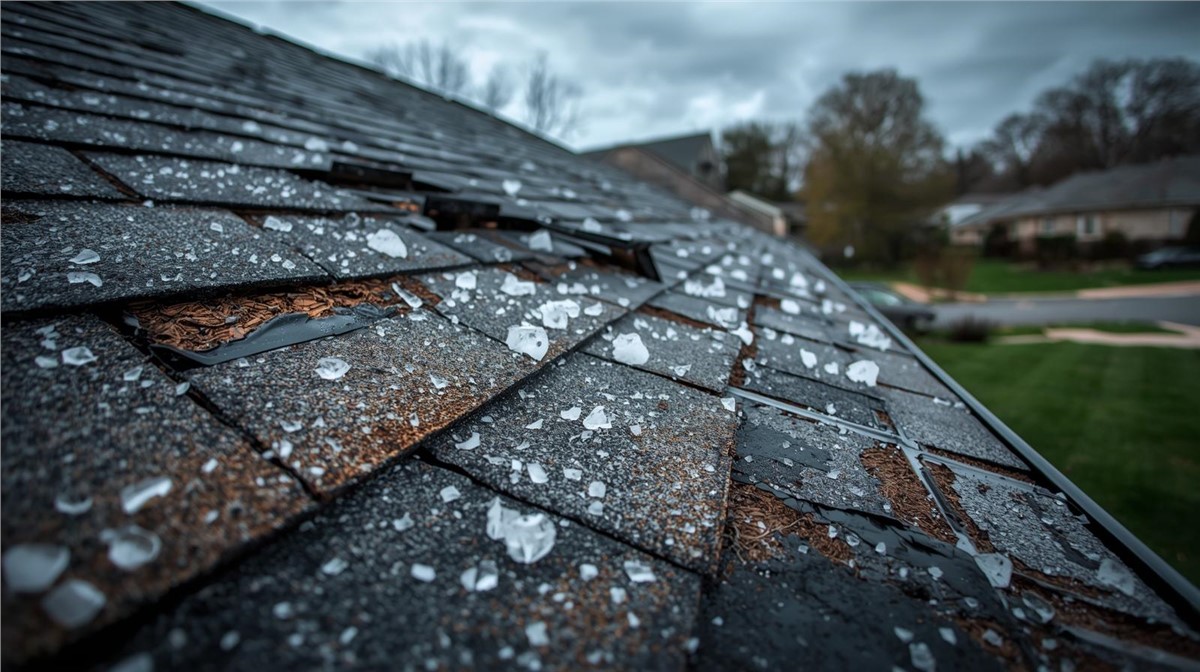
Common signs of hail damage include:
bruised or dented roofing shingles
granule loss on asphalt shingles
cracked or broken shingles
dents in gutters and downspouts
cracked or chipped siding panels
dents in metal roof components such as vents or flashing
Some types of damage may be visible immediately after the storm, while others may only appear later as roofing materials begin to deteriorate.
Because hail damage is not always easy to detect from the ground, a professional inspection is often recommended.
Inspect Your Property After the Storm
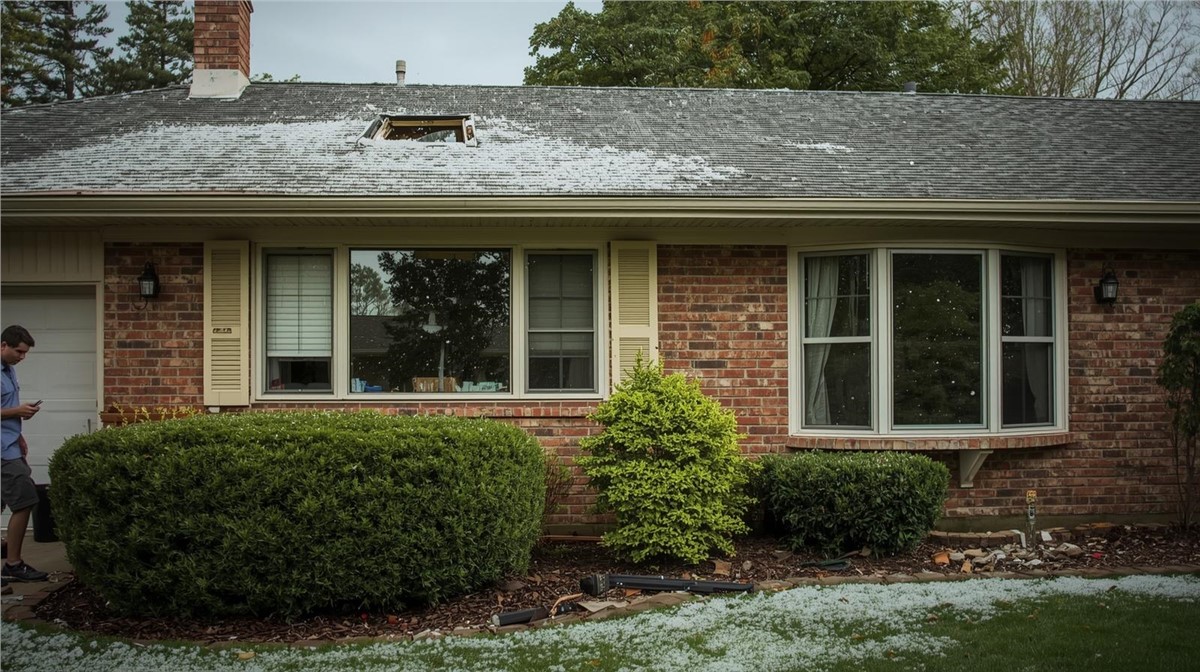
After a hail storm passes and conditions are safe, homeowners should walk around their property and look for visible signs of damage.
Things to check include:
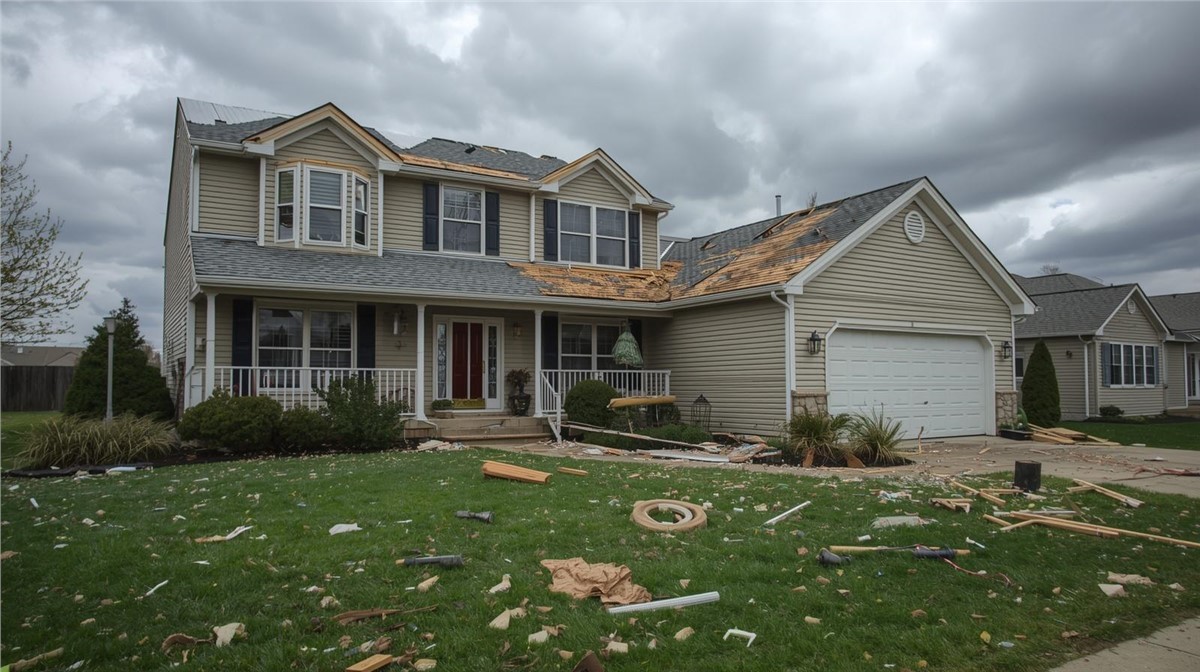
roofing debris in the yard
dented gutters or downspouts
damaged siding panels
granules from shingles collecting near downspouts
fallen branches or debris on the roof
While homeowners can perform a basic visual inspection from the ground, it is important to avoid climbing onto the roof, as this can be dangerous.
If you notice any signs of storm damage, the next step is to schedule a professional roof inspection.
Schedule a Professional Roof Inspection
A professional inspection is one of the most important steps in the insurance claim process. Roofing professionals are trained to identify hail damage that homeowners may overlook.
During an inspection, professionals evaluate:
shingles and protective granules
roof flashing and vents
gutters and drainage systems
siding panels and exterior trim
the overall condition of the roofing system
An inspection report often includes photographs and documentation that may be helpful when filing an insurance claim.
Document the Damage
Proper documentation is essential when filing a hail damage claim. Insurance companies typically require evidence showing that the damage occurred during a recent storm.
Homeowners should gather information such as:
photographs of visible damage
dates and details of the storm
inspection reports from roofing professionals
records of previous roof repairs or maintenance
Having this information ready can help speed up the claims process and provide clear evidence of storm-related damage.
Contact Your Insurance Company
Once damage has been documented, the next step is to contact your insurance provider to report the claim.
Your insurance company will typically:
Open a claim for the storm damage
Assign an insurance adjuster to inspect the property
Review documentation and inspection reports
Determine whether the damage is covered under your policy
The adjuster will evaluate the damage and determine whether repairs or replacement are necessary.
Understanding the Insurance Adjuster Inspection
An insurance adjuster will visit your property to assess the damage and verify that it was caused by the storm.
During this inspection, the adjuster may evaluate:
roofing shingles and impact marks
siding panels and gutters
roof flashing and vents
overall roof condition
The adjuster will then prepare a report outlining the damage and the estimated cost of repairs.
Completing Storm Damage Repairs
Once the claim is approved, homeowners can move forward with the necessary repairs. Addressing storm damage promptly helps restore the home’s protective barrier and prevents further issues such as leaks or structural damage.
Common hail damage repairs may include:
replacing damaged shingles
repairing flashing or roof vents
replacing damaged siding panels
repairing or replacing gutters
Completing repairs quickly helps protect the home from future weather events.
Why Prompt Action Is Important
Delaying repairs after a hail storm can allow damage to worsen over time. Even minor impact marks can weaken roofing materials and lead to moisture intrusion.
If hail damage is not addressed, it may eventually result in:
roof leaks
mold growth in attic spaces
damaged insulation
deterioration of roof decking
interior water damage
Taking action soon after the storm helps prevent these issues and ensures the home remains protected.
Schedule a Storm Damage Inspection in Woodridge, IL
If your home recently experienced hail or severe storms, scheduling a professional inspection is an important step in the insurance claim process.
At Huskie Exteriors, we provide storm damage inspections and repair services for homeowners in Woodridge, IL and surrounding communities. Our team evaluates roofs, siding, gutters, and other exterior components to identify hail damage and recommend the best repair solutions.
Filing a hail damage insurance claim and addressing repairs early can help protect your home, prevent costly future damage, and ensure your property remains safe during future storms.
Subscribe to Huskie Exteriors's Blog





Comments