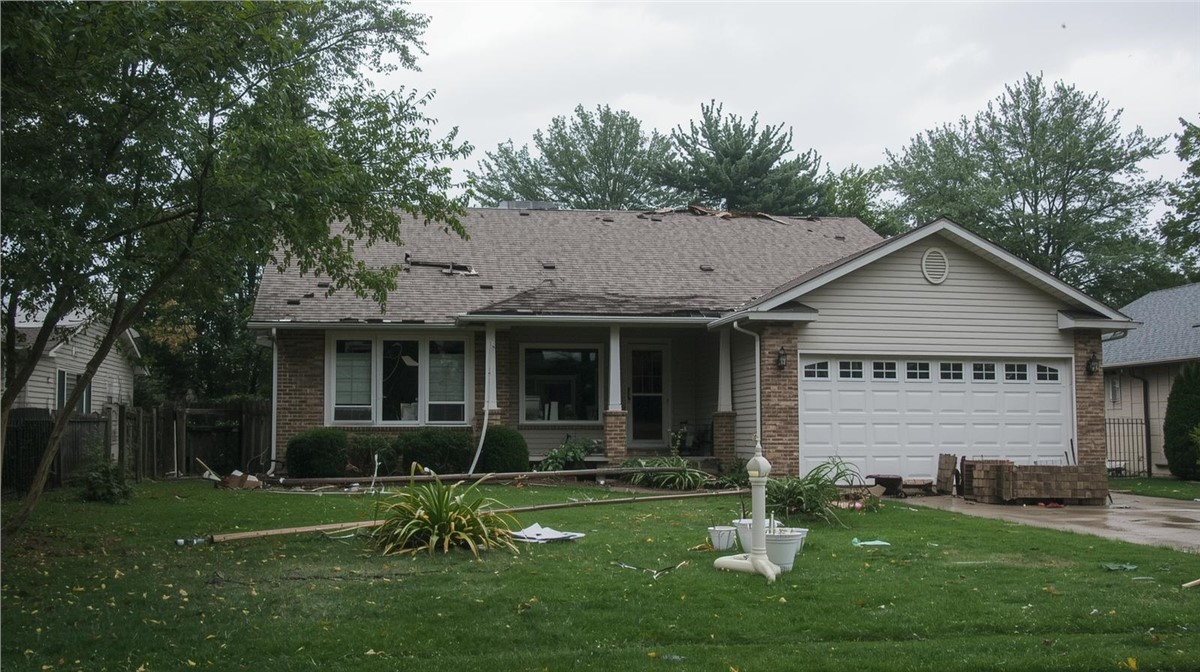
Severe weather can cause significant damage to homes throughout northern Illinois. In Woodridge, IL, storms often bring strong winds, heavy rain, hail, and flying debris that can impact multiple areas of a home’s exterior. While some storm damage is immediately visible, other issues may not appear until weeks or months later when leaks, structural problems, or siding damage begin to develop.
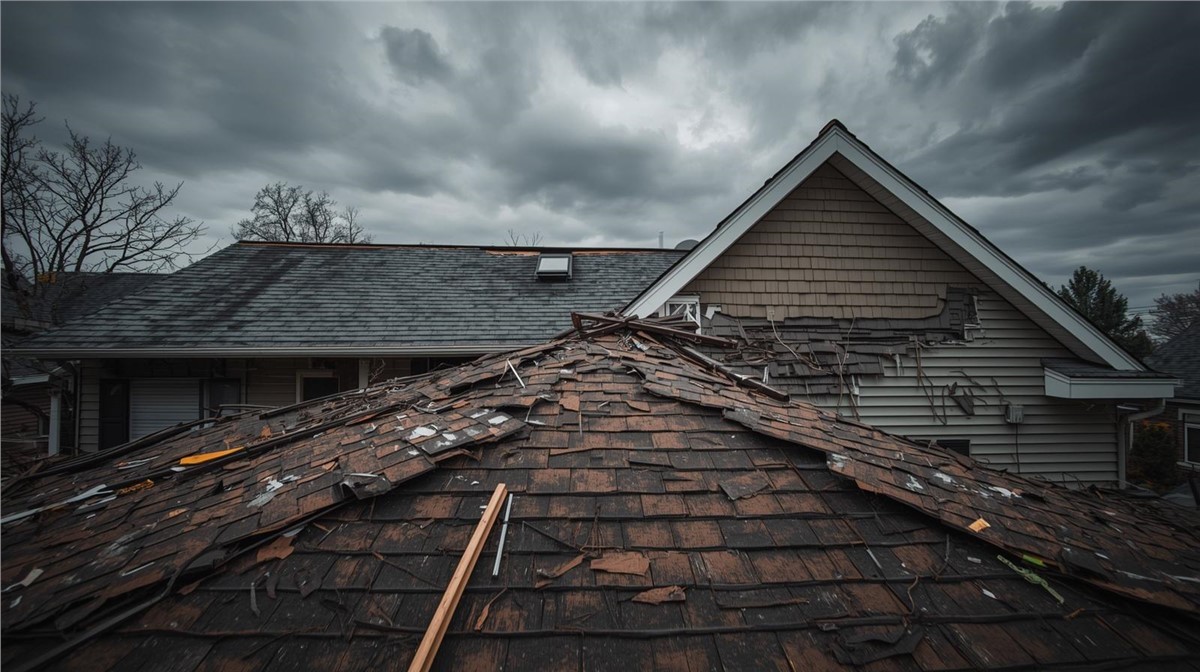
Storm damage can affect the roof, siding, gutters, windows, and other exterior components that protect the home from moisture and weather exposure. High winds may lift or remove shingles, hail can bruise roofing materials and dent siding, and heavy rain can expose weaknesses in the roofing system.
Understanding storm damage repairs for homes in Woodridge, IL helps homeowners identify potential problems early and take the necessary steps to restore their home’s protection.
How Severe Storms Damage Homes
Storms can impact several exterior areas of a home at the same time. Wind-driven rain, hail impacts, and falling debris can weaken roofing materials and damage siding or drainage systems.
Some of the most common types of storm-related damage include:
missing or lifted roofing shingles
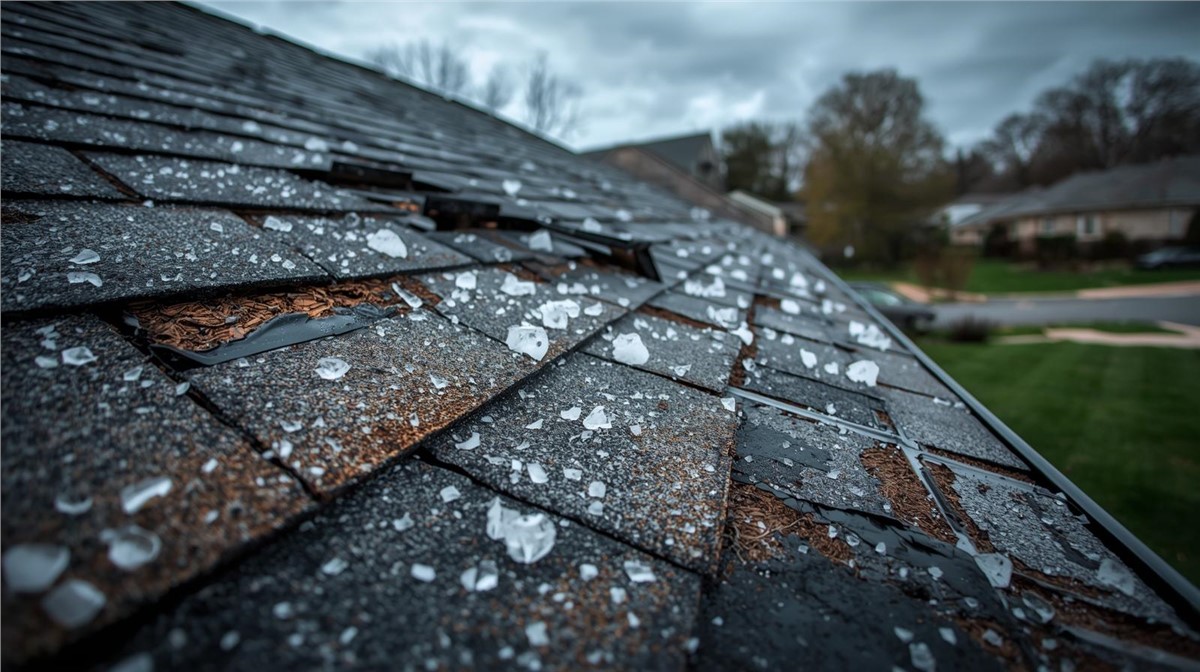
cracked or bruised shingles caused by hail
dents in metal roof components or flashing
cracked or dented siding panels
damaged gutters and downspouts
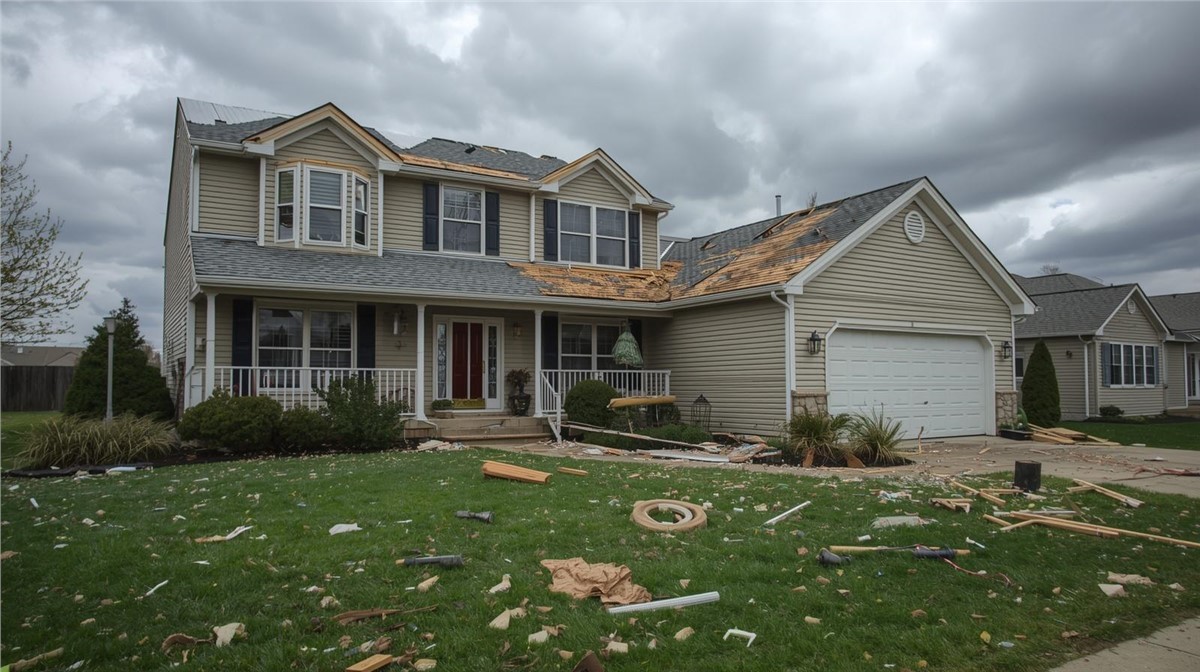
debris striking the roof or siding
Even minor damage can create openings that allow water to enter the home.
Roof Damage After Storms
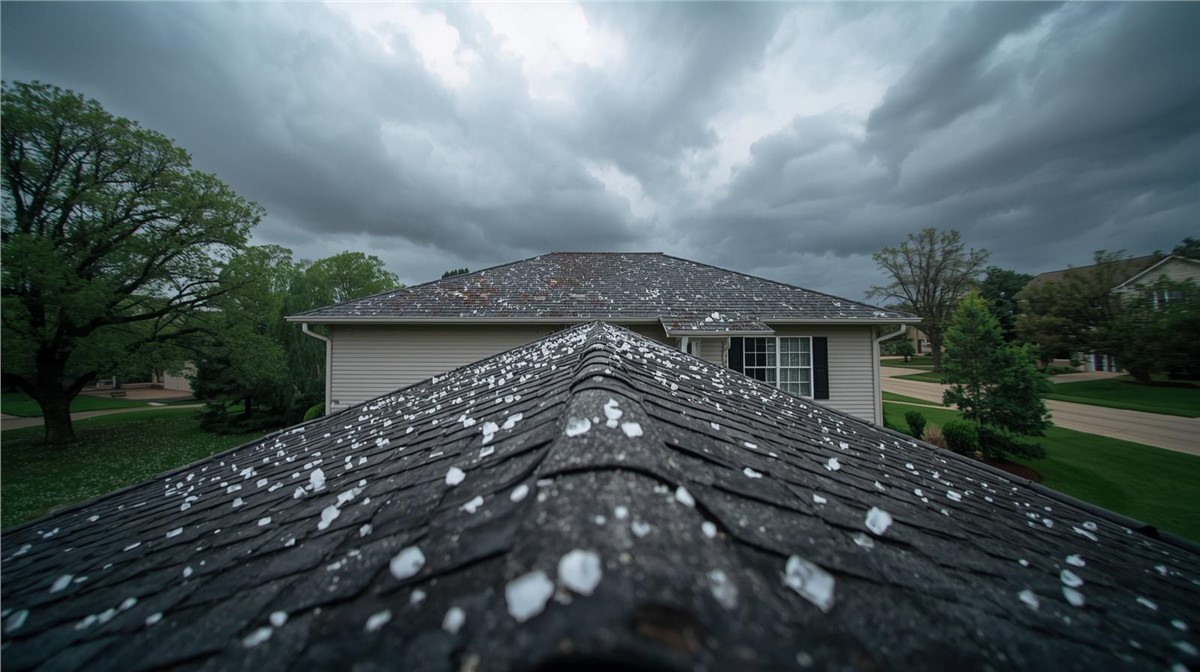
The roof is the most exposed part of a home during severe weather. Hail and strong winds can weaken shingles and compromise the roof’s protective barrier.
Common storm-related roofing problems include:
Missing or Lifted Shingles
Strong winds can loosen shingles or tear them completely off the roof, leaving sections of the roof deck exposed to moisture.
Hail Impact Damage
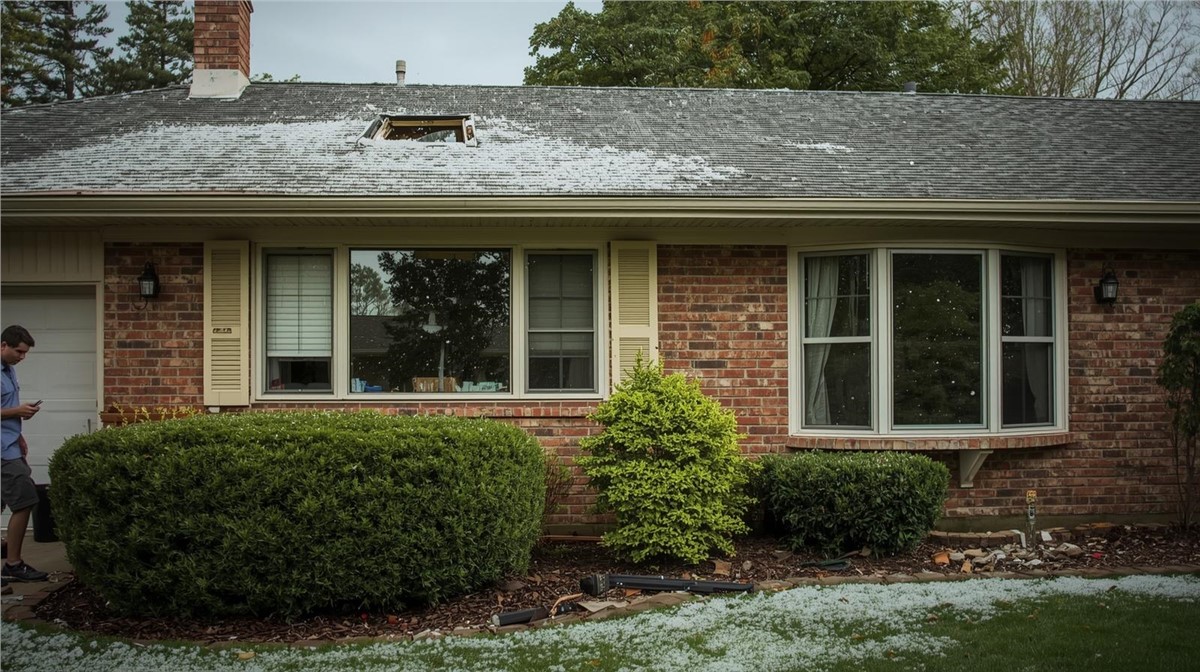
Hailstones can bruise or crack asphalt shingles and remove protective granules that shield the roof from sunlight and rain.
Damaged Flashing
Flashing around chimneys, skylights, and roof vents may become loose or bent during storms, creating entry points for water.
If these problems are not repaired quickly, they can lead to roof leaks and interior water damage.
Siding Damage From Severe Weather
Siding helps protect the exterior walls of a home from wind and moisture. During storms, hail and flying debris can damage siding panels.
Signs of siding damage include:
cracks or holes in vinyl siding
dents in aluminum panels
chipped paint or surface damage
loose or misaligned siding sections
Although siding damage may appear cosmetic at first, it can allow moisture to enter behind the panels and damage the structure underneath.
Repairing siding damage helps maintain the home’s protective exterior barrier.
Gutter and Drainage System Damage
Gutters and downspouts are designed to direct rainwater away from the roof and foundation. Storms can dent gutters or cause them to detach from the roofline.
Common gutter problems after storms include:
dents along the gutter edges
loose or detached gutter sections
clogged gutters from storm debris
damaged downspouts
If gutters are damaged, water may overflow and run down the sides of the home, which can damage siding and cause foundation problems.
Why Prompt Storm Damage Repairs Are Important
Many homeowners delay repairs because storm damage may appear minor at first. However, even small issues can weaken the home’s exterior and lead to larger problems over time.
If storm damage is not addressed, it may eventually cause:
roof leaks and interior water damage
mold growth in attic spaces
damaged insulation
deterioration of roof decking
structural damage to exterior walls
Prompt repairs help restore the home’s protective barrier and prevent costly future repairs.
Insurance and Storm Damage Claims
Storm damage is one of the most common reasons homeowners file insurance claims. Many homeowners insurance policies include coverage for sudden weather events such as hail, wind, and falling debris.
To support a claim, homeowners should document damage and schedule a professional inspection. Inspection reports typically include:
photographs of affected areas
descriptions of storm damage
recommendations for repairs or replacement
This documentation helps insurance adjusters determine the extent of the damage and whether repairs are covered.
Importance of Professional Storm Damage Inspections
While homeowners can look for visible damage from the ground, many types of storm damage are difficult to detect without professional training.
Roofing professionals typically inspect:
roofing shingles and protective granules
flashing around vents and chimneys
siding panels and exterior trim
gutters and drainage systems
overall roof structure
A professional inspection helps identify hidden damage and ensures repairs are completed properly.
Schedule Storm Damage Repairs in Woodridge, IL
If your home recently experienced severe weather, scheduling a professional inspection is an important step in protecting your property.
At Huskie Exteriors, we provide storm damage inspections and repair services for homeowners in Woodridge, IL and surrounding communities. Our team evaluates roofs, siding, gutters, and other exterior components to identify storm damage and recommend the best repair solutions.
Addressing storm damage early helps prevent costly repairs, extend the lifespan of your roof, and ensure your home remains protected through every season.
Subscribe to Huskie Exteriors's Blog





Comments