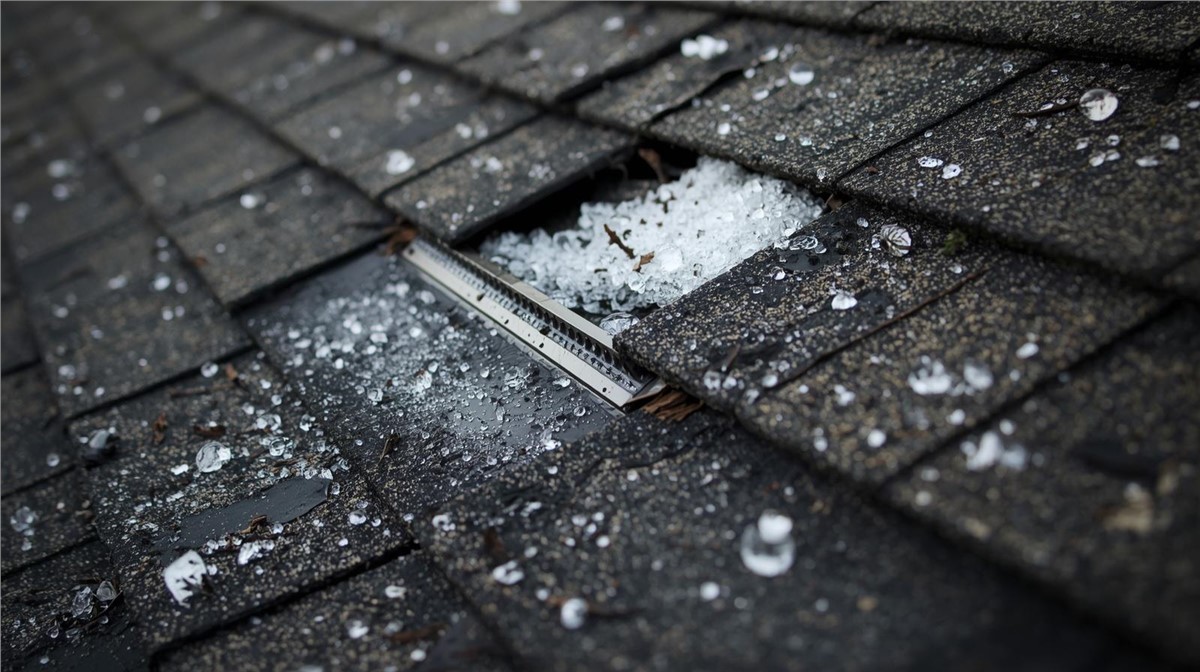
Severe weather is a common part of life in Illinois, and homeowners in Woodridge, IL often experience storms that include heavy rain, strong winds, and hail. While hail storms may only last a short time, they can cause significant damage to roofing systems. Even small hailstones can strike roofing materials with enough force to weaken shingles and compromise the roof’s ability to protect the home.
In many cases, hail damage may not be obvious right away. Some roofing problems develop slowly after a storm as damaged shingles begin to deteriorate or allow moisture to enter the roof structure. Understanding how hail storms damage roofs in Woodridge homes can help homeowners recognize warning signs and take action before small issues turn into major repairs.
Why Roofs Are Vulnerable During Hail Storms
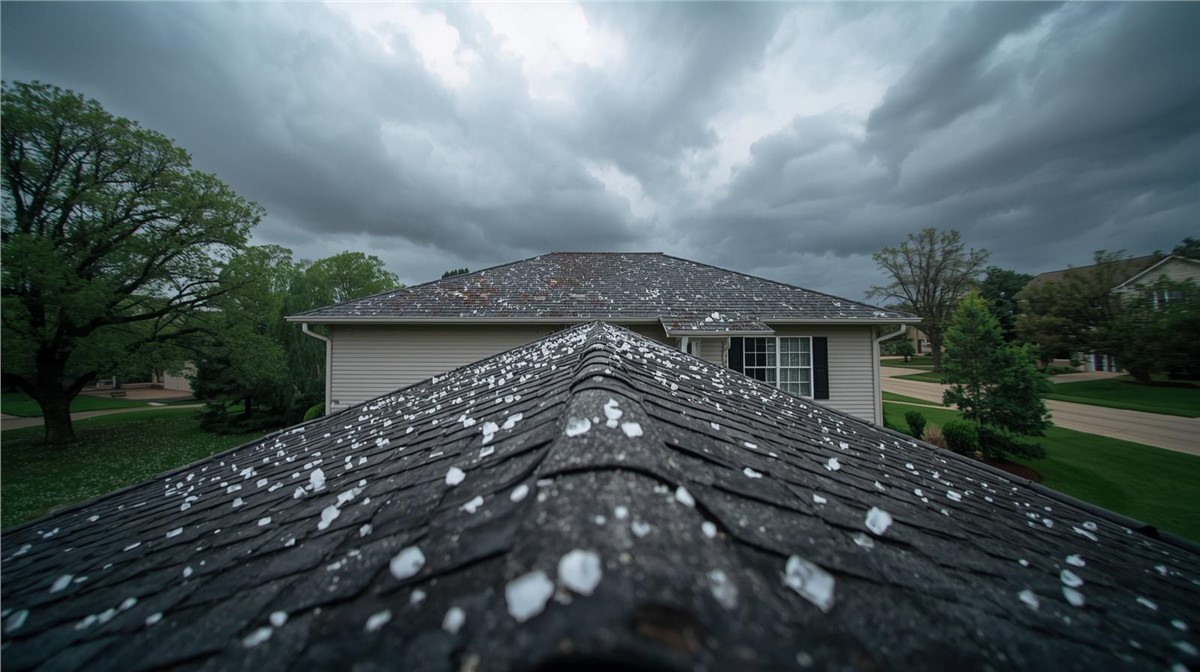
The roof is the most exposed part of a home during a storm. When hailstones fall from high altitudes, they can strike the roof at high speeds, especially when combined with strong winds.
Asphalt shingles, which are commonly used on homes in Woodridge, are designed to provide durable protection against weather. However, repeated exposure to hail impacts can weaken these materials over time.
Factors that influence the severity of hail damage include:
the size of the hailstones
wind speed during the storm
the age and condition of the roof
the slope and direction of the roof surface
Older roofs or roofs that already have minor damage are more likely to experience severe hail-related problems.
Impact Damage to Asphalt Shingles
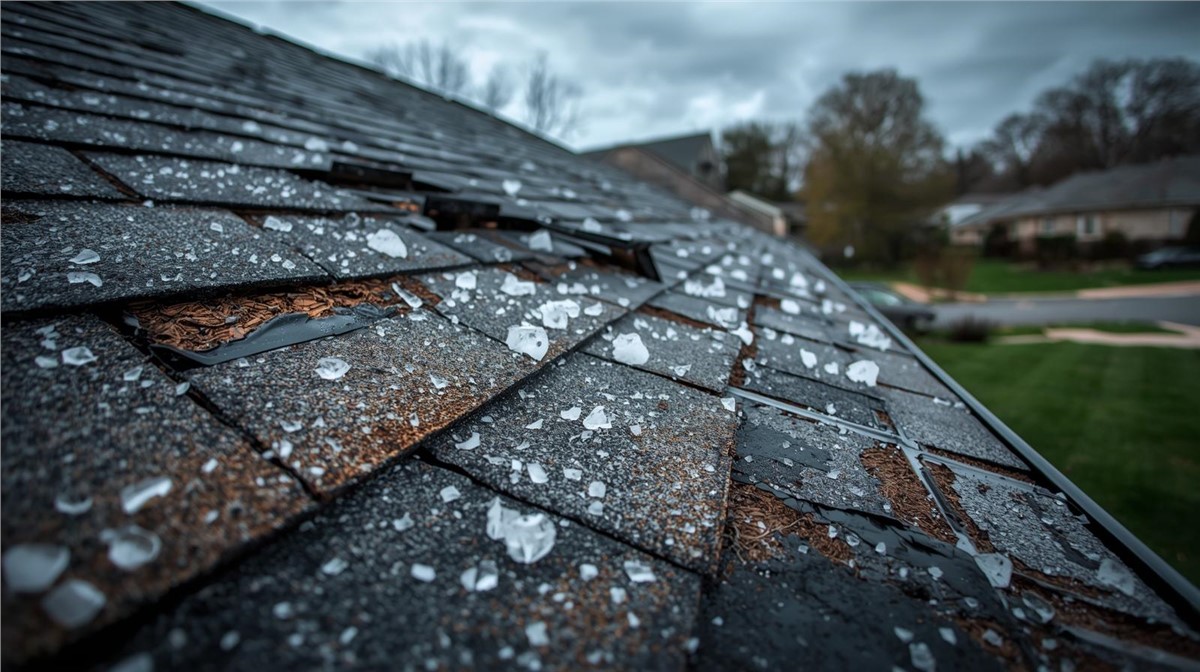
One of the most common effects of hail storms is impact damage to asphalt shingles. When hailstones strike the roof, they can bruise or crack the surface of the shingles.
Impact damage may include:
dark circular marks on shingles
cracked shingle surfaces
indentations or bruising
weakened shingle structure
These impact marks may not immediately cause leaks, but they can weaken the shingles and reduce their ability to withstand future storms.
Granule Loss and Roof Deterioration
Asphalt shingles are coated with protective granules that shield the roof from ultraviolet rays and moisture. Hail impacts can knock these granules loose, exposing the asphalt layer underneath.
Signs of granule loss include:
bald spots on shingles
granules collecting in gutters or downspouts
uneven or rough shingle surfaces
When shingles lose their protective granules, they become more vulnerable to sun damage and weather exposure. Over time, this can cause the shingles to deteriorate more quickly.
Cracked or Broken Shingles
Large hailstones can cause shingles to crack or break. These cracks allow water to penetrate beneath the shingles and reach the roof deck.
Once moisture enters the roof structure, it can lead to problems such as:
roof leaks
mold growth in attic spaces
damaged insulation
deterioration of roof decking
Cracked shingles should be repaired promptly to prevent further damage.
Damage to Roof Flashing and Vents
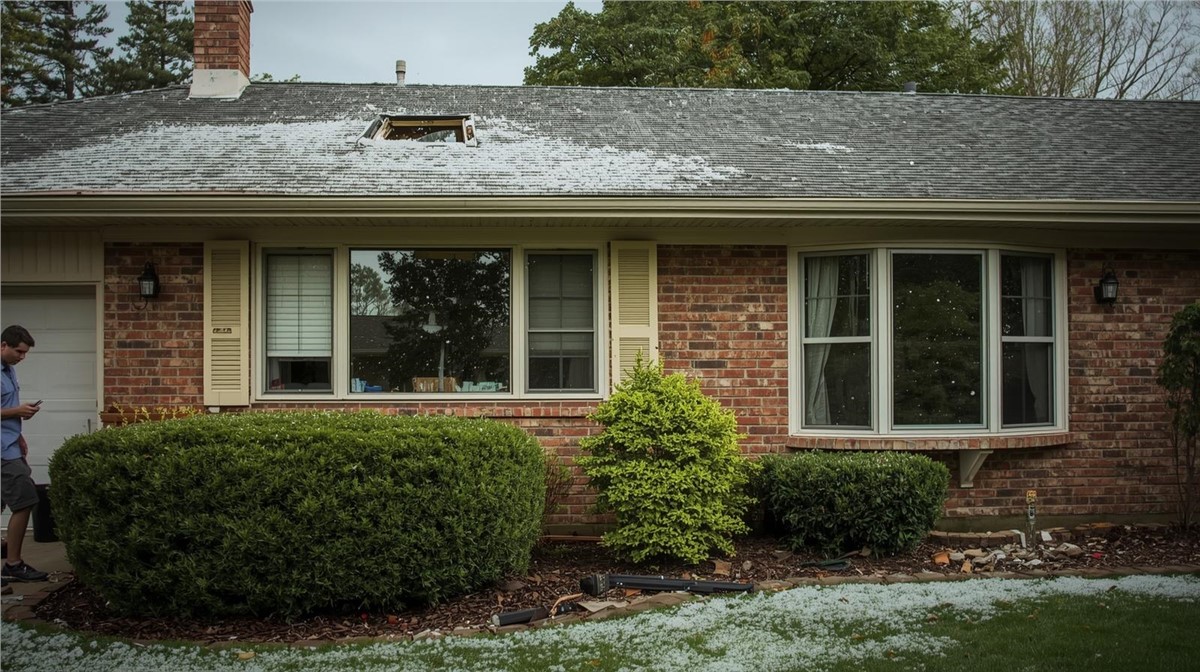
Hail storms do not only affect shingles. Metal components on the roof can also suffer damage during severe weather.
Common issues include:
dents in roof vents
bent or damaged flashing around chimneys
damaged skylight frames
loosened metal components
Flashing plays a critical role in sealing vulnerable areas of the roof. If flashing becomes damaged, it can allow water to enter the roof structure.
How Wind and Hail Work Together
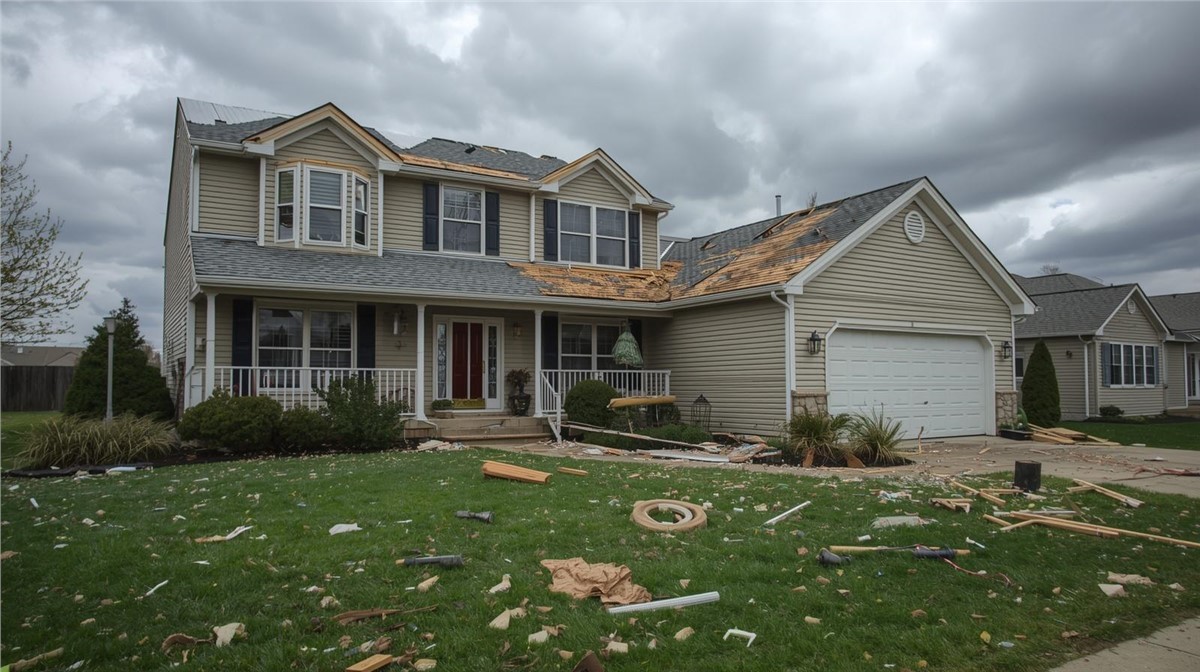
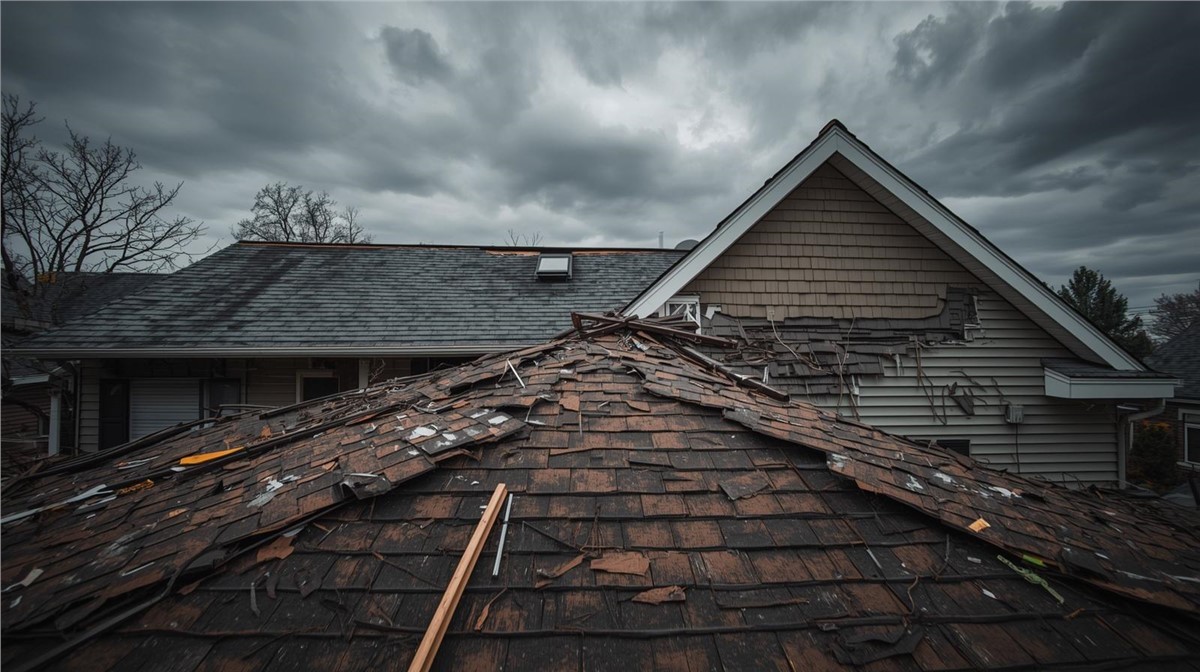
Hail storms are often accompanied by strong winds, which can increase the severity of roof damage. Wind-driven hail can strike the roof at sharper angles and with greater force.
Wind may also lift shingles that have already been weakened by hail impacts. Once shingles become loose, they may tear off during future storms.
This combination of wind and hail can create multiple vulnerabilities in the roofing system.
Signs Your Roof May Have Hail Damage
After a hail storm, homeowners should watch for signs that their roof may have been affected.
Common warning signs include:
dark impact marks on shingles
missing or loose shingles
granules collecting in gutters
dents in metal roof components
roofing debris around the yard
Although some of these signs may be visible from the ground, others may require a professional inspection.
Why Roof Inspections Are Important After Hail Storms
Hail damage is not always easy to detect. Even when a roof appears intact, subtle damage may still be present.
Professional roof inspections help identify issues that homeowners may not notice. During an inspection, roofing professionals evaluate:
shingles and protective granules
flashing around vents and chimneys
gutters and drainage systems
overall roof structure
Early detection of hail damage allows repairs to be completed before leaks or structural problems develop.
Schedule a Roof Inspection in Woodridge, IL
If your home recently experienced hail or severe storms, scheduling a professional roof inspection is an important step in protecting your property.
At Huskie Exteriors, we provide roof inspections and storm damage repair services for homeowners in Woodridge, IL and surrounding communities. Our team carefully evaluates roofing systems to identify hail damage and recommend the most effective repair solutions.
Addressing hail damage early helps prevent costly repairs, extend the lifespan of your roof, and ensure your home remains protected during future storms.
Subscribe to Huskie Exteriors's Blog





Comments