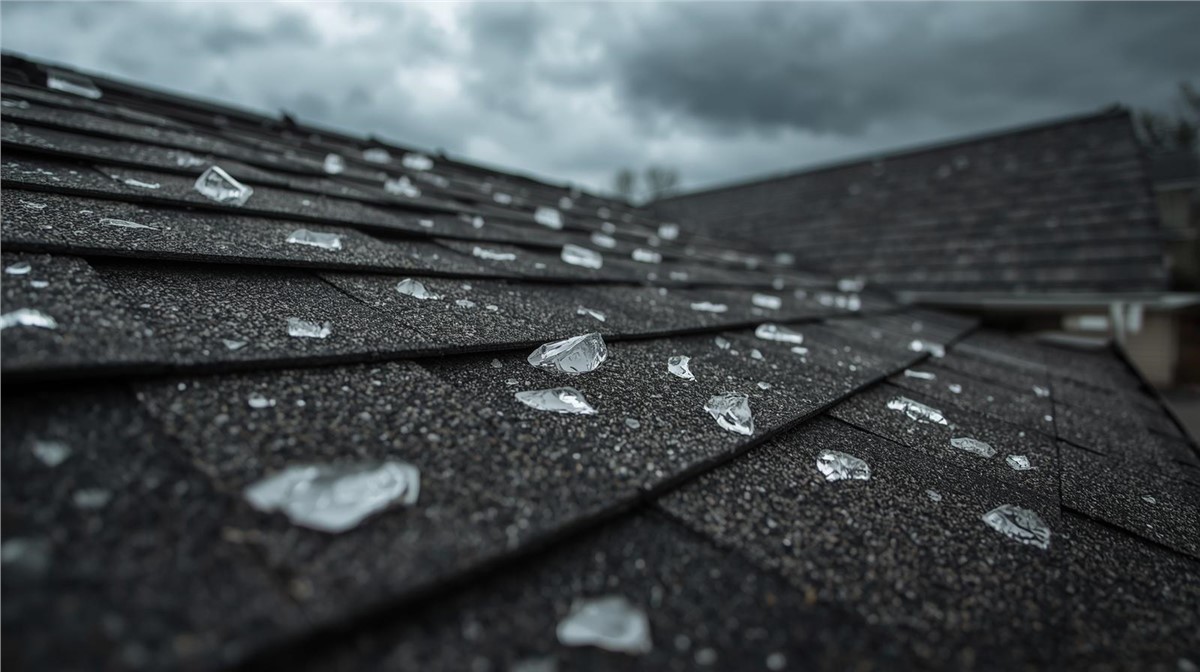
Severe weather is a common concern for homeowners in northern Illinois. In Orangeville, IL, storms that bring hail, strong winds, and heavy rain can cause unexpected damage to roofs, siding, gutters, and other exterior components of a home. While some storm damage may be obvious immediately after the storm, other issues may take time to become noticeable.
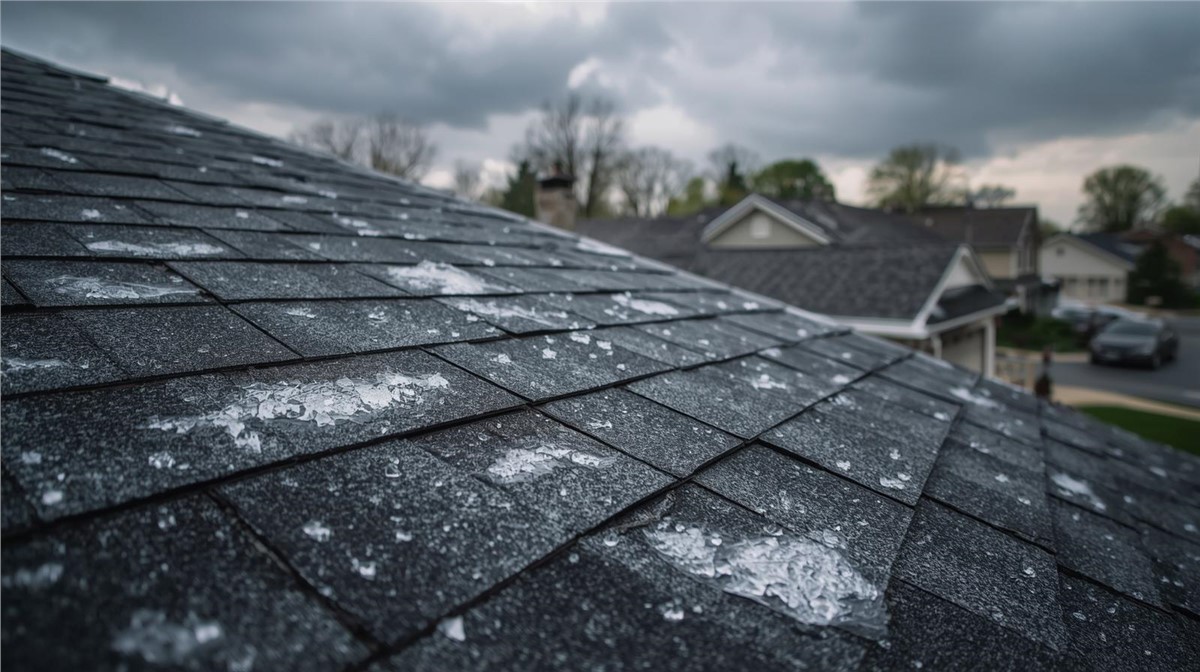
Hailstones can strike roofing materials with significant force, weakening shingles and denting metal surfaces. Even relatively small hail can remove protective granules from asphalt shingles or create cracks in siding panels. If this damage is not addressed quickly, it can eventually lead to leaks, moisture intrusion, and structural issues.
Understanding hail damage repairs in Orangeville, IL and knowing what to check after a storm can help homeowners identify problems early and protect their property from further damage.
How Hail Storms Affect Homes
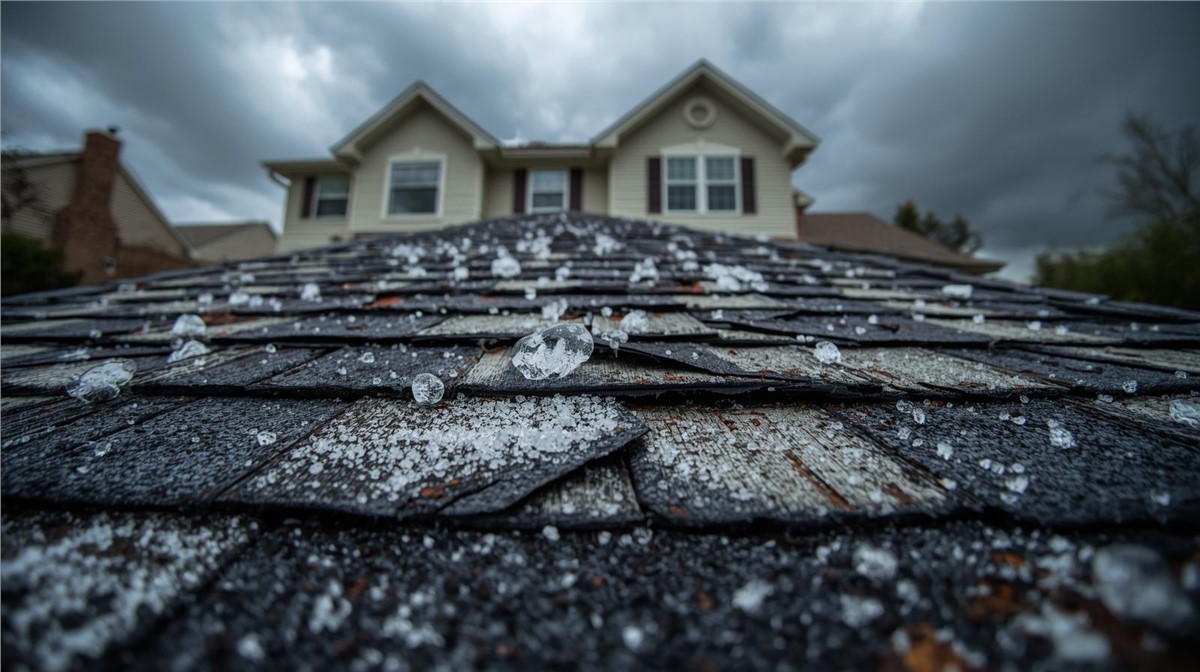
Hailstorms can impact multiple areas of a home’s exterior. When hailstones fall at high speeds, they can damage roofing materials, siding panels, and gutters. The severity of the damage depends on the size of the hailstones, wind speed, and the condition of the home before the storm.
Common types of hail-related damage include:
cracked or bruised roofing shingles
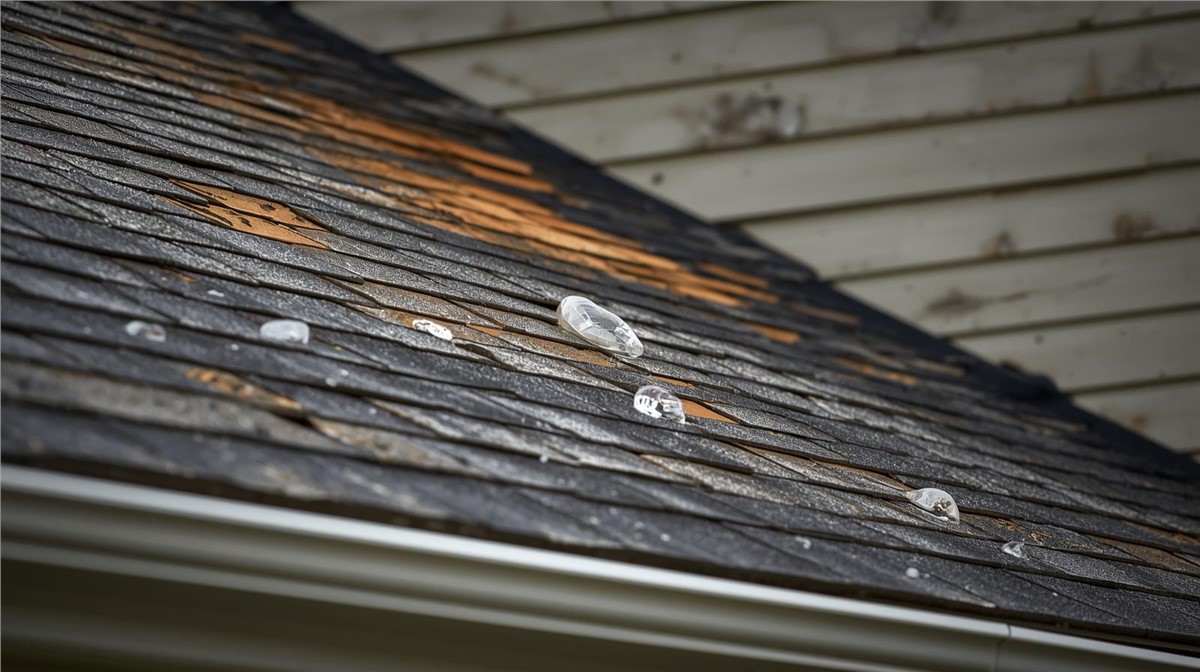
missing shingle granules
dents in roof vents or flashing
cracked or chipped siding panels
dented gutters and downspouts
Even minor damage can weaken exterior materials and reduce their ability to protect the home from moisture.
Checking Your Roof for Hail Damage
The roof is often the most vulnerable part of a home during a hail storm. While homeowners should avoid climbing onto the roof themselves, several signs of hail damage can sometimes be seen from the ground.
Signs that your roof may have hail damage include:
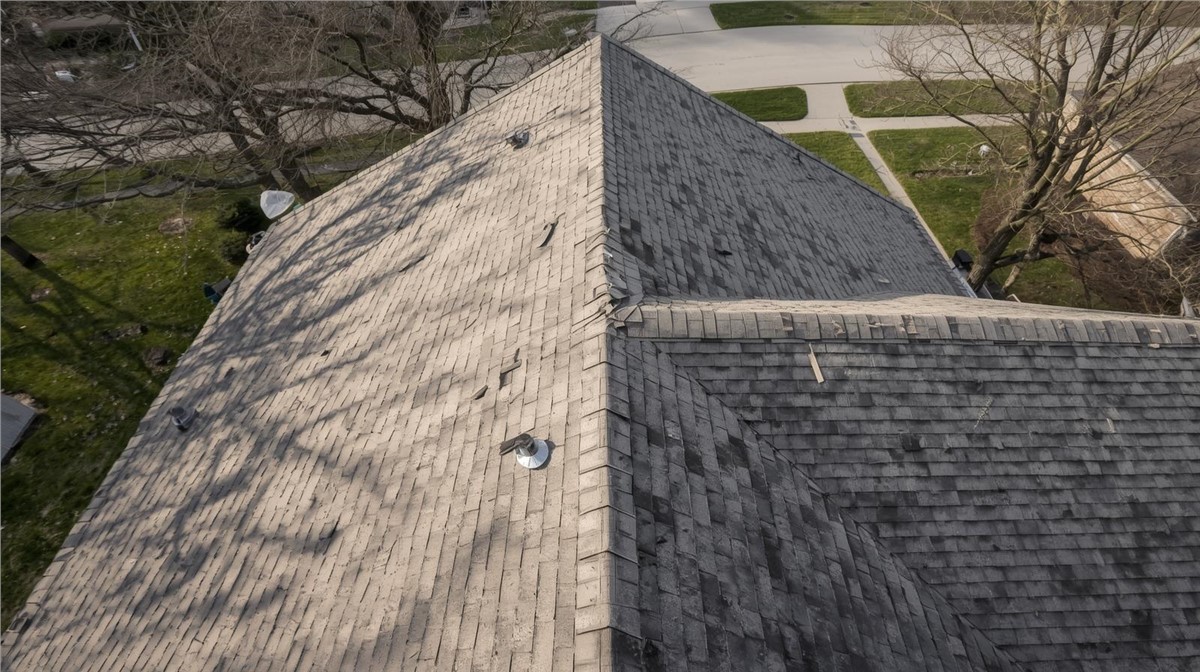
dark impact marks or bruises on shingles
loose or missing shingles
granules collecting in gutters
dents in metal roof components
pieces of roofing material on the ground
Granules on asphalt shingles help protect the roof from sun exposure and moisture. When hail knocks these granules loose, the shingles may deteriorate more quickly.
If you notice these signs, a professional roof inspection is recommended.
Inspecting Siding for Hail Damage
Hail storms can also cause damage to siding panels. Vinyl and aluminum siding may crack, chip, or dent when struck by hailstones.
Common signs of siding damage include:
small holes or cracks in vinyl siding
dents in aluminum siding
chipped paint or surface damage
loose siding panels
Although siding damage may appear cosmetic, it can allow moisture to enter behind the panels and affect the structure of the home.
Repairing damaged siding helps maintain the home’s protective exterior barrier.
Checking Gutters and Downspouts
Gutters and downspouts play an important role in directing water away from the roof and foundation. Hail impacts can dent gutters and disrupt the drainage system.
Signs of gutter damage include:
dents along the gutter edges
loose or detached gutter sections
clogged gutters filled with debris
damaged downspouts
Damaged gutters may prevent proper drainage and allow water to overflow, which can lead to roof leaks or foundation issues.
Why Prompt Hail Damage Repairs Matter
Many homeowners delay repairs because hail damage may appear minor at first. However, even small impact marks can weaken roofing materials and create vulnerabilities in the home’s exterior.
If hail damage is not repaired, it can eventually lead to:
roof leaks
mold growth in attic spaces
damaged insulation
deterioration of roof decking
interior water damage
Addressing storm damage quickly helps prevent these problems and ensures the home remains protected.
Insurance and Hail Damage Claims
In many cases, homeowners insurance policies include coverage for hail damage. However, insurance companies typically require documentation confirming the damage was caused by a recent storm.
A professional inspection can help identify hail damage and provide the documentation needed to support an insurance claim.
Inspection reports may include:
photographs of damaged areas
descriptions of impacted materials
recommendations for repairs or replacement
These reports help insurance adjusters evaluate the damage and determine whether coverage applies.
Preventing Future Storm Damage
While storms cannot be avoided, homeowners can take steps to reduce the risk of severe damage.
Helpful preventative measures include:
scheduling regular roof inspections
keeping gutters clean and functioning properly
trimming tree branches near the home
repairing minor damage promptly
Routine maintenance helps ensure the home’s exterior remains strong and prepared for future storms.
Schedule Hail Damage Repairs in Orangeville, IL
If your home recently experienced hail or severe storms, scheduling a professional inspection is an important step in protecting your property.
At Huskie Exteriors, we provide hail damage inspections and repair services for homeowners in Orangeville, IL and surrounding communities. Our team carefully evaluates roofs, siding, gutters, and other exterior components to identify storm damage and recommend the best repair solutions.
Addressing hail damage early helps prevent costly repairs, protect your home’s structure, and ensure your property remains safe during future storms.
Subscribe to Huskie Exteriors's Blog





Comments