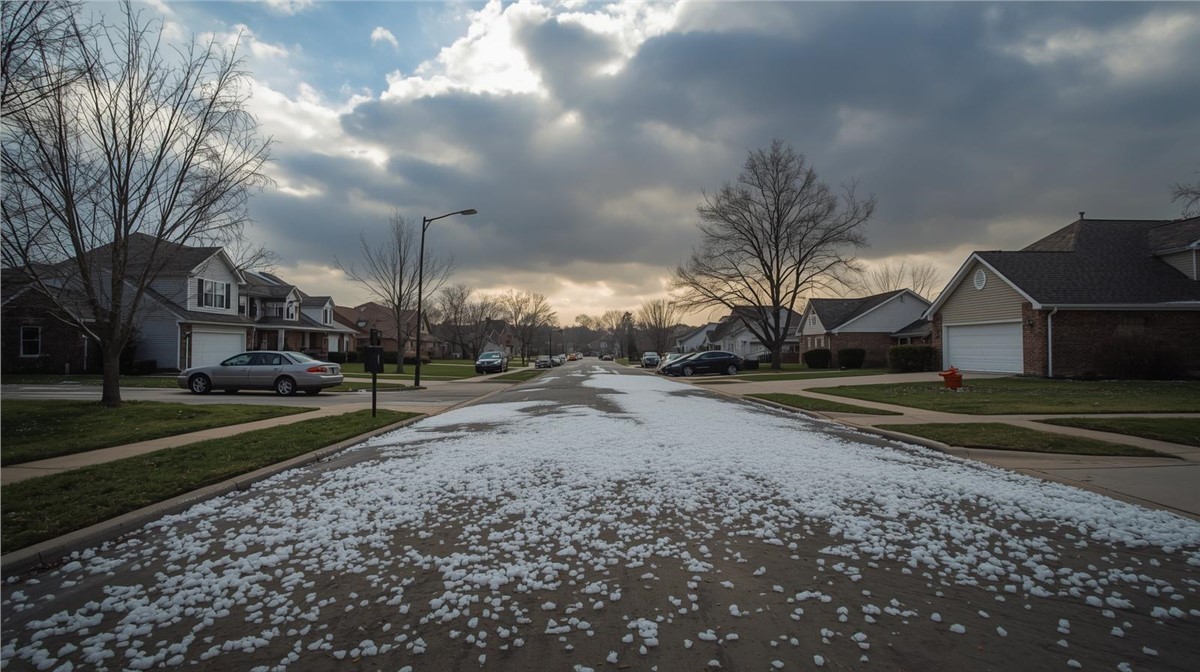
Hail storms can occur suddenly and cause unexpected damage to homes throughout northern Illinois. In Lena, IL, severe weather that brings hail, strong winds, and heavy rain can impact roofs, siding, gutters, and windows. Even when hailstones appear small, they can strike roofing materials with enough force to weaken shingles and damage other exterior components of a home.
After a hail storm passes, many homeowners are unsure what steps they should take next. Some damage may be visible immediately, while other problems may take weeks or even months to become noticeable. Small cracks, loosened shingles, or dented gutters may eventually lead to larger issues if they are not addressed early.
Understanding what to do after a hail storm in Lena, IL can help homeowners identify potential damage, protect their property, and prevent minor storm impacts from turning into costly repairs.
Step 1: Inspect Your Property Safely
Once the storm has passed and it is safe to go outside, the first step is performing a basic visual inspection of your property. This inspection should always be done from the ground rather than climbing onto the roof.
Walking around your home allows you to look for obvious signs of storm damage, including:
shingles or roofing materials on the ground
dents in gutters or downspouts
cracked or chipped siding panels
broken window screens
debris scattered across the yard
These signs may indicate that hail impacted your home’s exterior. Even if the damage appears minor, it could suggest that other areas of the roof or siding have also been affected.
Step 2: Check for Signs of Roof Damage
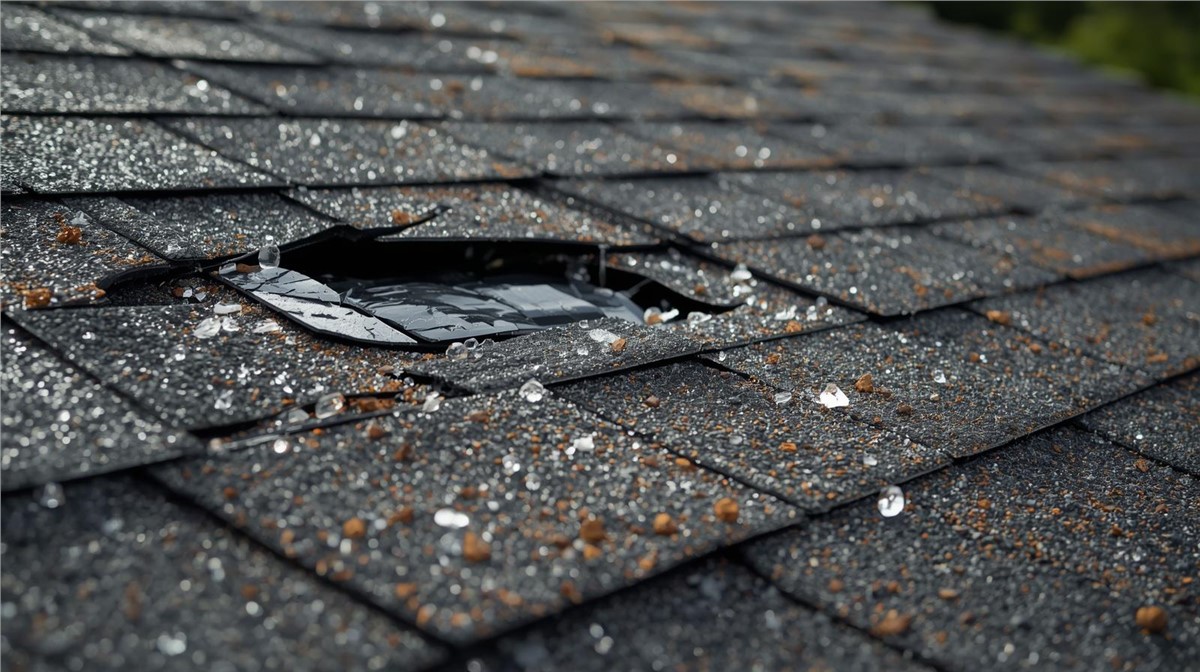
Roof damage is one of the most common problems caused by hail storms. Although homeowners should avoid climbing onto the roof themselves, there are several warning signs that can be observed from the ground.
Signs of potential roof damage include:
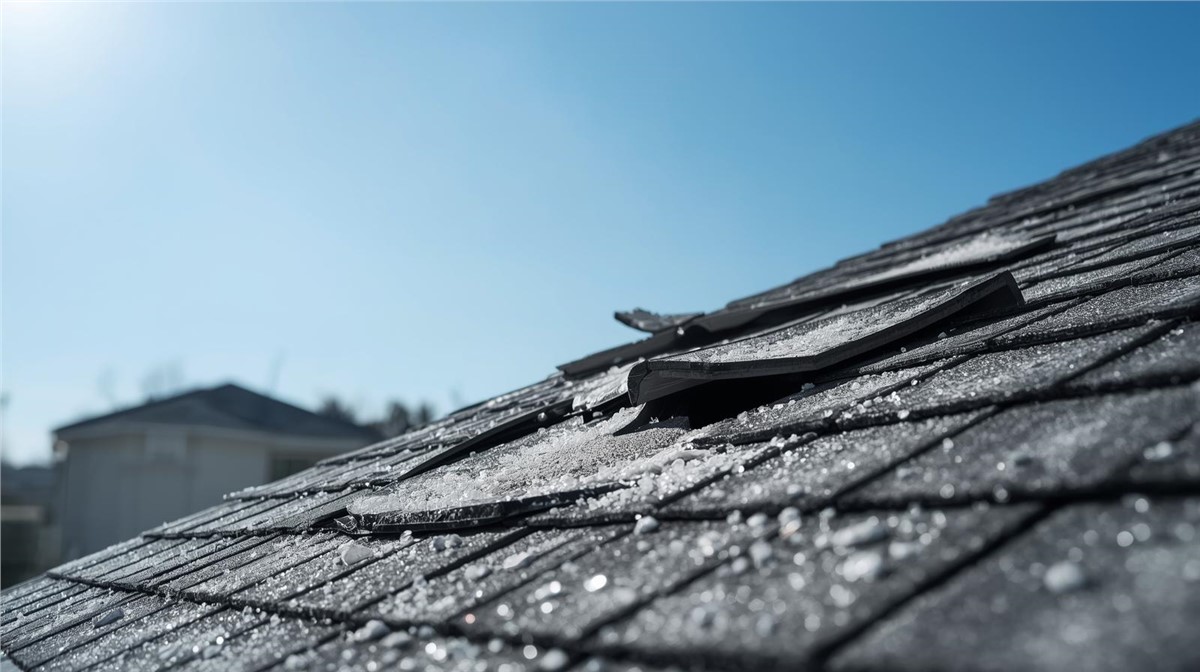
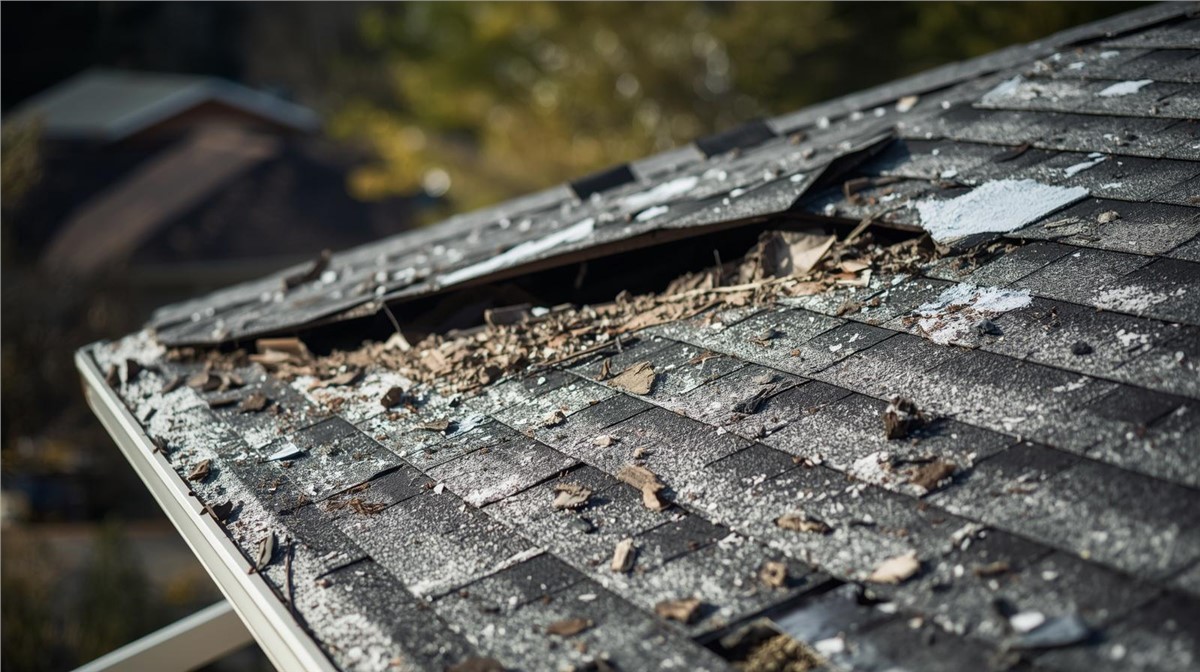
missing or cracked shingles
dark impact marks on asphalt shingles
dents in roof vents or flashing
granules collecting in gutters
roofing debris around the property
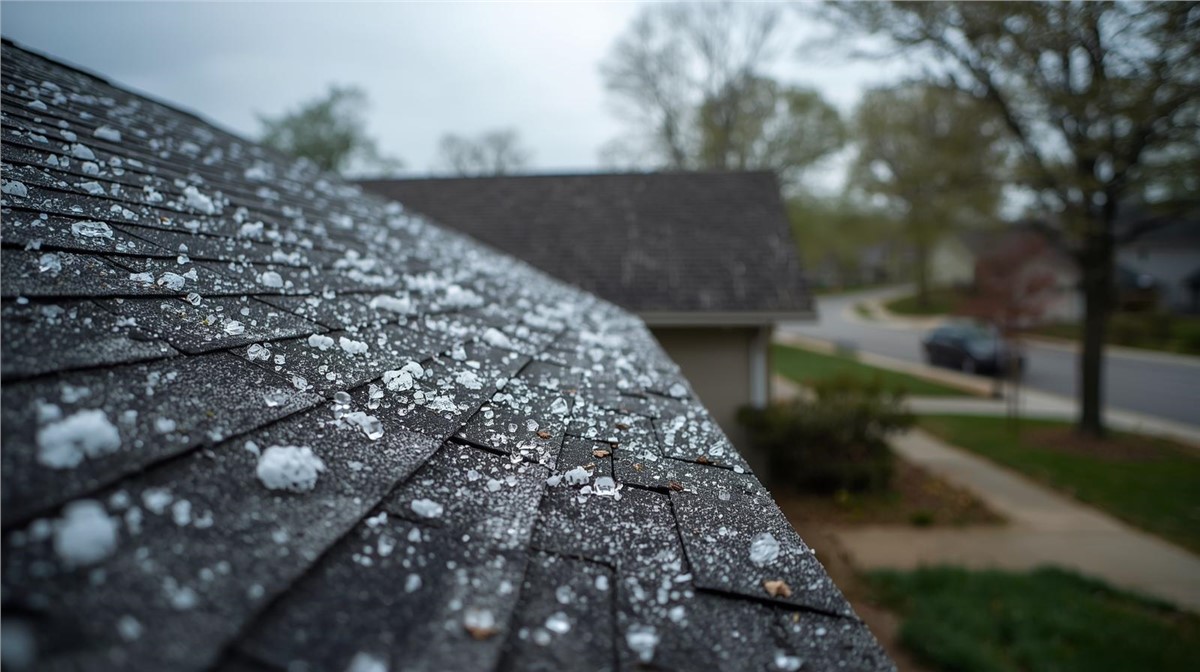
Asphalt shingles rely on protective granules to shield the roof from sunlight and moisture. When hail knocks these granules loose, the shingles may deteriorate more quickly and become vulnerable to leaks.
Step 3: Inspect Gutters, Siding, and Windows
Hail storms often affect more than just the roof. Several other exterior components of the home may also suffer damage during severe weather.
After a hail storm, homeowners should inspect:
Gutters and Downspouts
Hail impacts can dent gutters and interfere with the drainage system that directs water away from the roof and foundation. Damaged gutters may cause water to overflow or pool around the home.
Siding Panels
Vinyl or aluminum siding may crack, chip, or dent when struck by hailstones. Damaged siding can allow moisture to enter behind the panels and affect the structure underneath.
Windows and Frames
Window seals, frames, and screens may also be damaged during hail storms. Even small cracks can allow drafts or moisture intrusion into the home.
Because hail storms often impact multiple parts of a home’s exterior, a complete inspection of the property is recommended.
Step 4: Document Any Visible Damage
If you notice signs of storm damage, documenting the condition of your property can be helpful. Taking photographs of damaged areas creates a record that may be useful if you need to file an insurance claim later.
Photographs may include:
damaged roofing materials
dents in gutters or downspouts
cracks in siding panels
debris caused by the storm
Documenting damage shortly after the storm provides clear evidence of the impact and can help insurance adjusters evaluate claims more accurately.
Step 5: Schedule a Professional Roof Inspection
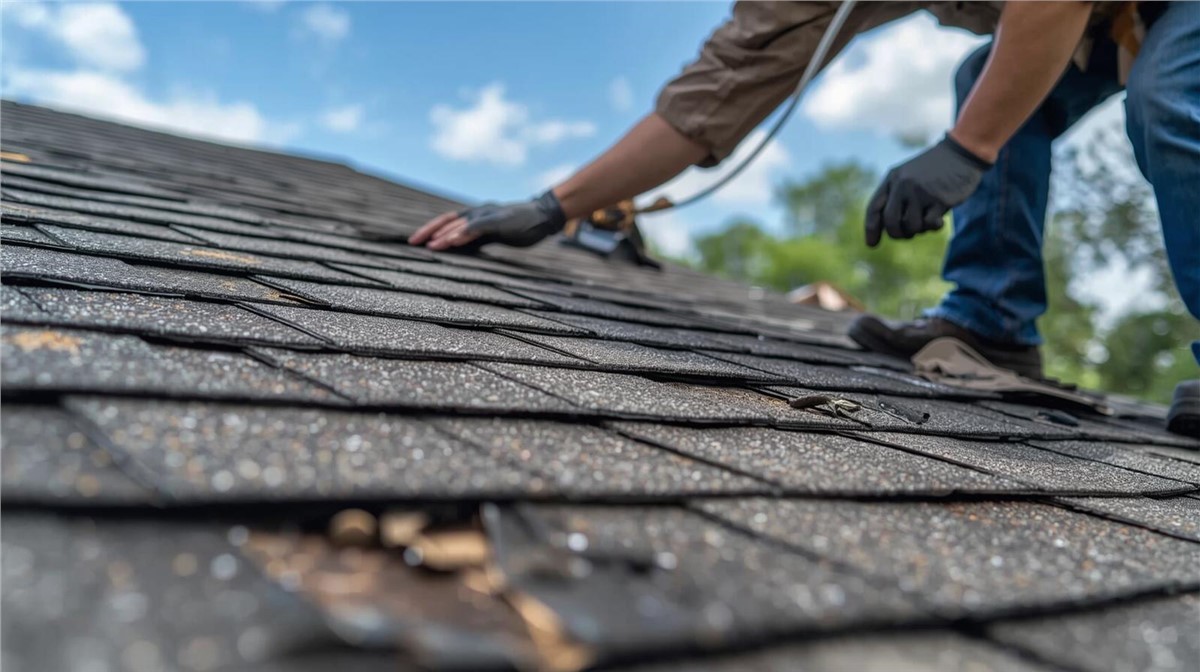
Although homeowners can identify some signs of damage themselves, many types of hail damage are difficult to detect without professional training.
Roofing professionals are trained to identify subtle signs of storm damage that homeowners may overlook. A professional inspection typically includes evaluating:
roofing shingles and protective granules
flashing and ventilation components
gutters and drainage systems
siding panels and exterior trim
windows and surrounding seals
A thorough inspection helps determine whether repairs or roof replacement may be necessary.
Step 6: Review Your Insurance Coverage
Many homeowners insurance policies include coverage for storm-related damage, including hail impacts. However, coverage may vary depending on the terms of the policy and the condition of the roof before the storm occurred.
If damage is confirmed, homeowners may be able to file a claim with their insurance provider to help cover repair costs. Having documentation from a professional inspection can help support the claims process.
Inspection reports often include photographs and descriptions of the affected areas, which help insurance adjusters determine whether repairs or replacement are covered.
Step 7: Address Repairs Promptly
If hail damage is confirmed, addressing repairs quickly is important. Delaying repairs can allow moisture to enter the roof structure and create larger problems over time.
Common problems caused by untreated storm damage include:
roof leaks
mold or mildew growth
damaged insulation
structural deterioration of roof decking
interior ceiling stains
Prompt repairs help prevent these issues and ensure the roofing system continues to protect the home effectively.
Why Professional Storm Damage Inspections Matter
Many homeowners underestimate how much damage hail storms can cause. Even small hailstones traveling at high speeds can weaken roofing materials and damage other exterior components.
Professional inspections ensure that all storm damage is identified and addressed properly. Because hail often affects multiple parts of a home’s exterior, inspections typically include evaluations of roofing systems, siding panels, gutters, and windows.
Having a professional inspection performed after severe weather provides homeowners with peace of mind and helps ensure their property remains protected.
Schedule a Storm Damage Inspection in Lena, IL
If your home recently experienced hail or severe storms, scheduling a professional inspection is one of the best ways to protect your property.
At Huskie Exteriors, we provide comprehensive exterior inspections for homeowners in Lena, IL and surrounding communities. Our team evaluates roofing systems, siding, gutters, and windows to identify storm damage and recommend the right repair solutions.
Addressing hail damage early helps prevent costly repairs, protect your home’s structure, and ensure your property remains safe during future storms.
Subscribe to Huskie Exteriors's Blog





Comments