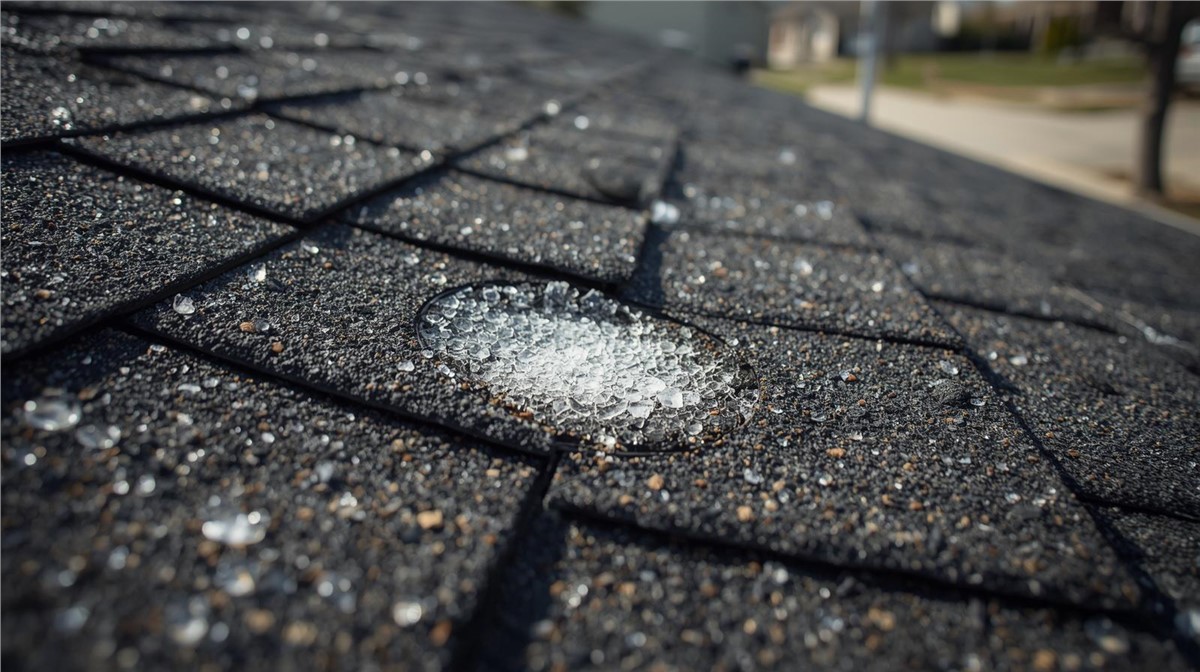
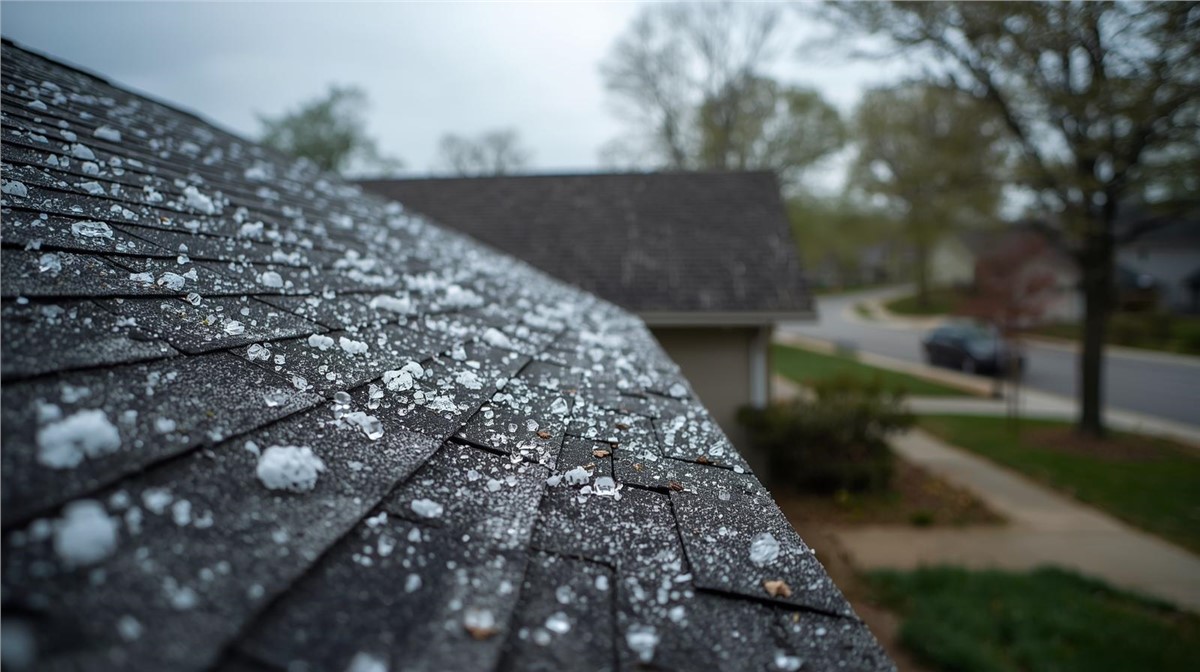
Hail storms can cause significant damage to homes throughout northern Illinois. In Lena, IL, severe storms that bring hail and strong winds can weaken roofing materials and affect other exterior components of a home. Even when hailstones appear small, the force of their impact can create damage that may not be immediately visible.
One of the challenges homeowners face after a storm is determining whether their roof has been affected. Hail damage can sometimes remain hidden until problems such as leaks, water stains, or loose shingles begin to appear weeks or months later.
Understanding the signs of roof hail damage in Lena, IL homes can help homeowners identify potential issues early and take the necessary steps to protect their property. Scheduling a professional inspection after severe weather is often the best way to confirm whether a roof has experienced storm damage.
Why Hail Storms Can Damage Roofing Systems
When hailstones strike a roof, they create high-impact force that can weaken roofing materials. The severity of the damage often depends on several factors, including the size of the hailstones, wind speed during the storm, and the condition of the roof before the storm occurred.
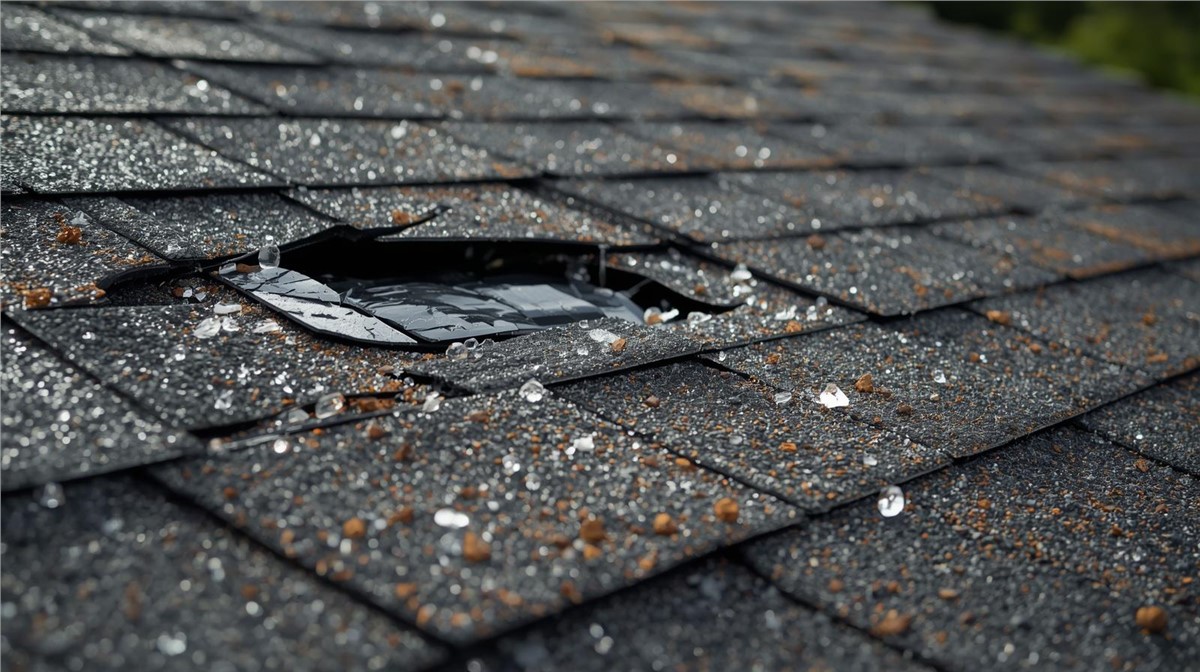
Asphalt shingles are commonly used on homes in Lena because they provide durable protection against changing weather conditions. However, hail impacts can still damage these materials by loosening the protective granules that shield the shingles from moisture and ultraviolet exposure.
When these granules are removed, the shingles become more vulnerable to deterioration. Over time, this can shorten the lifespan of the roof and increase the risk of leaks.
Common Signs of Roof Hail Damage
After a hail storm, there are several indicators that may suggest a roof has been impacted. Some signs are visible immediately after the storm, while others may become noticeable over time.
Common warning signs of hail damage include:
dents or impact marks on shingles
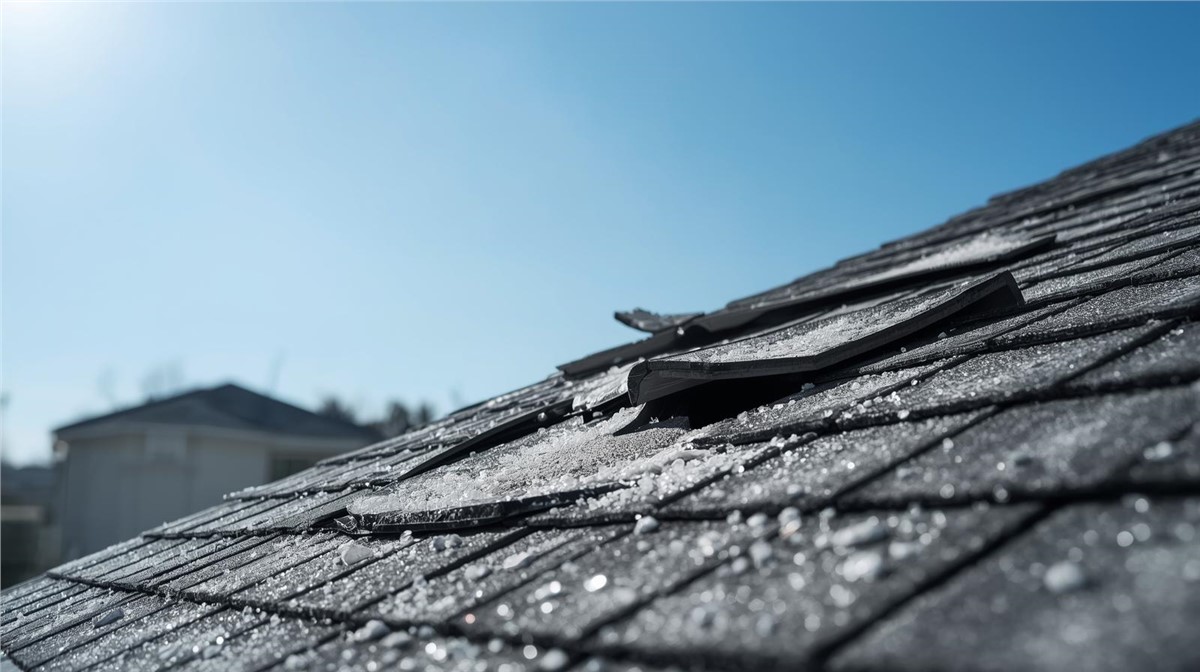
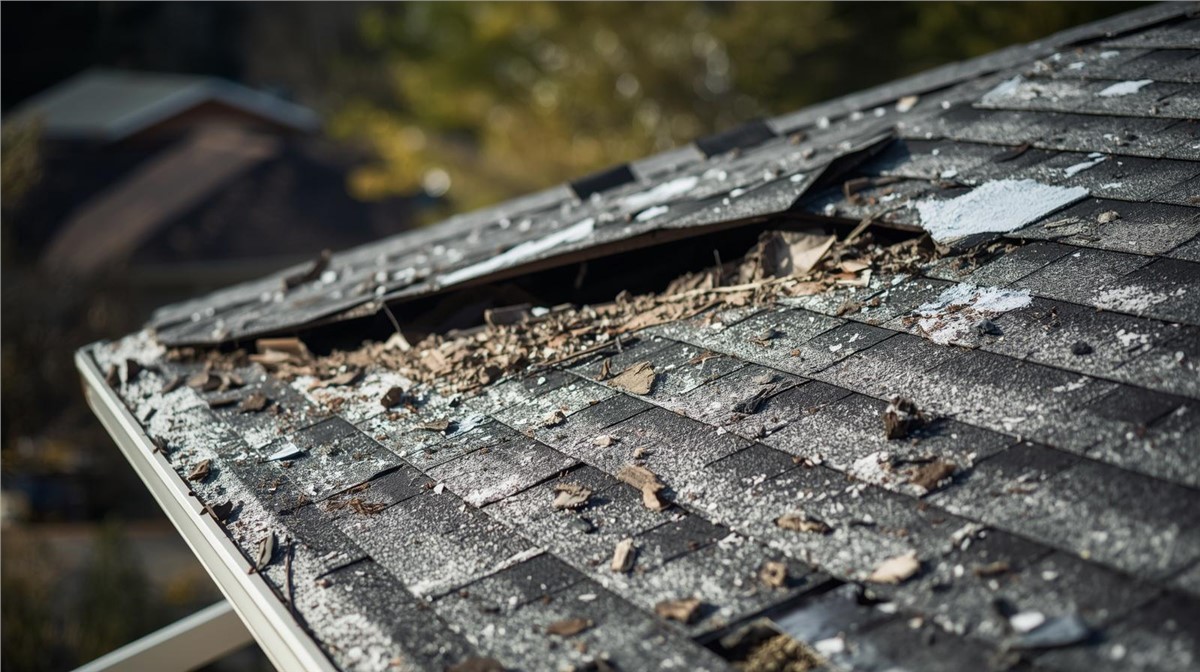
cracked or broken shingles
granule loss on asphalt shingles
dents in roof vents or flashing
debris from roofing materials around the property
Granule loss is one of the most common signs of hail damage. These granules protect shingles from sunlight and moisture. When hail knocks them loose, the exposed asphalt layer may deteriorate more quickly.
Another indicator of hail damage is dented metal components on the roof. Roof vents, flashing, and other metal surfaces often show visible dents after hail impacts.
How Hail Impacts Asphalt Shingles
Asphalt shingles are designed with multiple layers that help protect the home from weather conditions. When hailstones strike the surface of the shingles, they can create small bruises that damage the internal layers of the material.
Although these bruises may not be visible from the ground, they can weaken the roofing system and reduce its ability to protect the home from moisture.
Over time, hail-damaged shingles may:
develop cracks or splits
lose additional protective granules
allow water to penetrate beneath the shingles
weaken the overall roof structure
Because these issues may not appear immediately, professional inspections are often necessary to identify them.
Other Exterior Damage to Watch For
Hail storms rarely affect only the roof. Other exterior areas of the home may also suffer damage during severe weather.
Homeowners should inspect the following areas after a hail storm:
Siding Panels
Vinyl and aluminum siding may crack, chip, or dent when struck by hailstones. Damaged siding can allow moisture to enter behind the panels and affect the structure underneath.
Gutters and Downspouts
Hail impacts can dent gutters and disrupt the drainage system that directs water away from the roof and foundation.
Windows and Frames
Window frames, seals, and screens may also be damaged during hail storms. Even small cracks can lead to drafts or moisture intrusion.
Checking these areas can help homeowners determine whether their property was affected by the storm.
Why Professional Roof Inspections Are Important
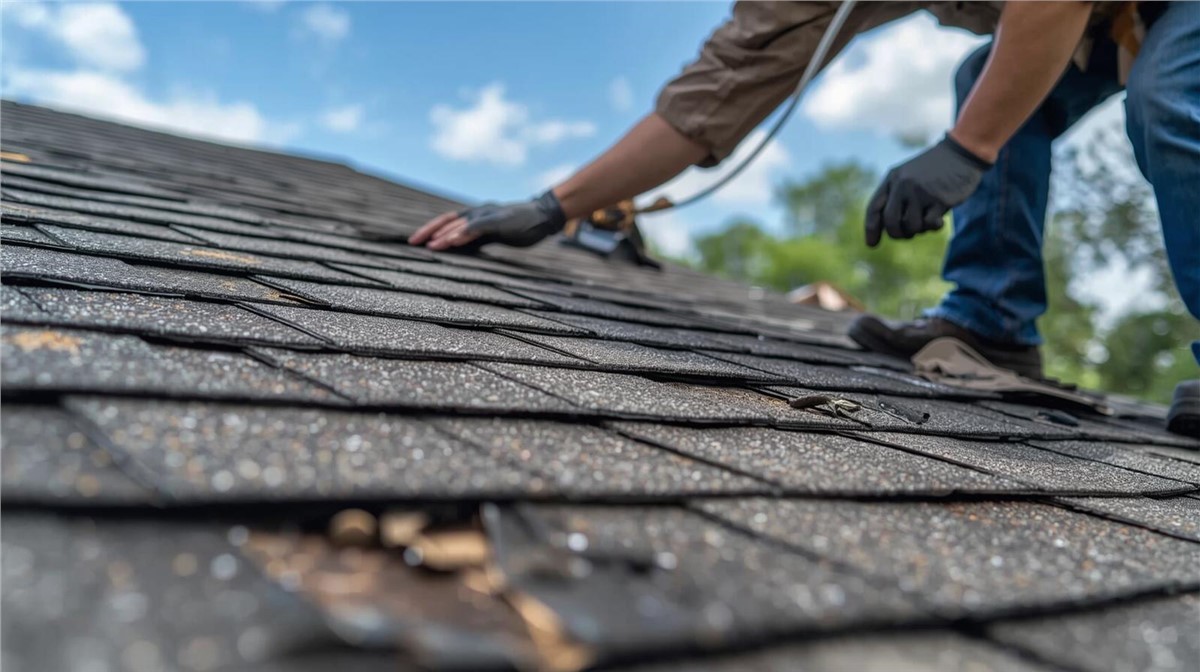
Although homeowners may be able to identify some signs of damage themselves, many types of hail damage are difficult to detect without professional training.
Roofing professionals know where hail damage is most likely to occur and can evaluate roofing materials more thoroughly. During an inspection, experts assess:
roofing shingles and protective granules
flashing and ventilation components
gutters and drainage systems
siding panels and exterior trim
window frames and seals
A professional inspection helps determine whether roof repairs or replacement may be necessary.
Preventing Long-Term Roof Damage
If hail damage is left untreated, it can eventually lead to more serious problems. Small impact marks can weaken roofing materials and allow moisture to enter the roof structure over time.
Common problems caused by untreated hail damage include:
roof leaks
mold growth in attic spaces
damaged insulation
deterioration of roof decking
Addressing hail damage early helps prevent these issues and ensures the roofing system continues to protect the home.
When to Schedule a Roof Inspection
After a hail storm, scheduling a professional inspection as soon as possible is the best way to determine whether damage occurred. Early inspections help identify potential issues before they worsen.
Prompt inspections also help homeowners document storm damage if they need to file an insurance claim.
Even if no visible damage is noticeable from the ground, a professional inspection can provide peace of mind and confirm the condition of the roof.
Schedule a Roof Inspection in Lena, IL
If your home recently experienced hail or severe storms, scheduling a professional inspection can help determine whether your roof has been affected.
At Huskie Exteriors, we assist homeowners in Lena, IL by providing detailed exterior inspections that identify hail damage affecting roofs, siding, gutters, and windows. Our team evaluates the condition of your home and recommends the best repair solutions to restore protection after severe weather.
Addressing hail damage early helps prevent costly repairs and ensures your home remains protected through future storms.
Subscribe to Huskie Exteriors's Blog





Comments