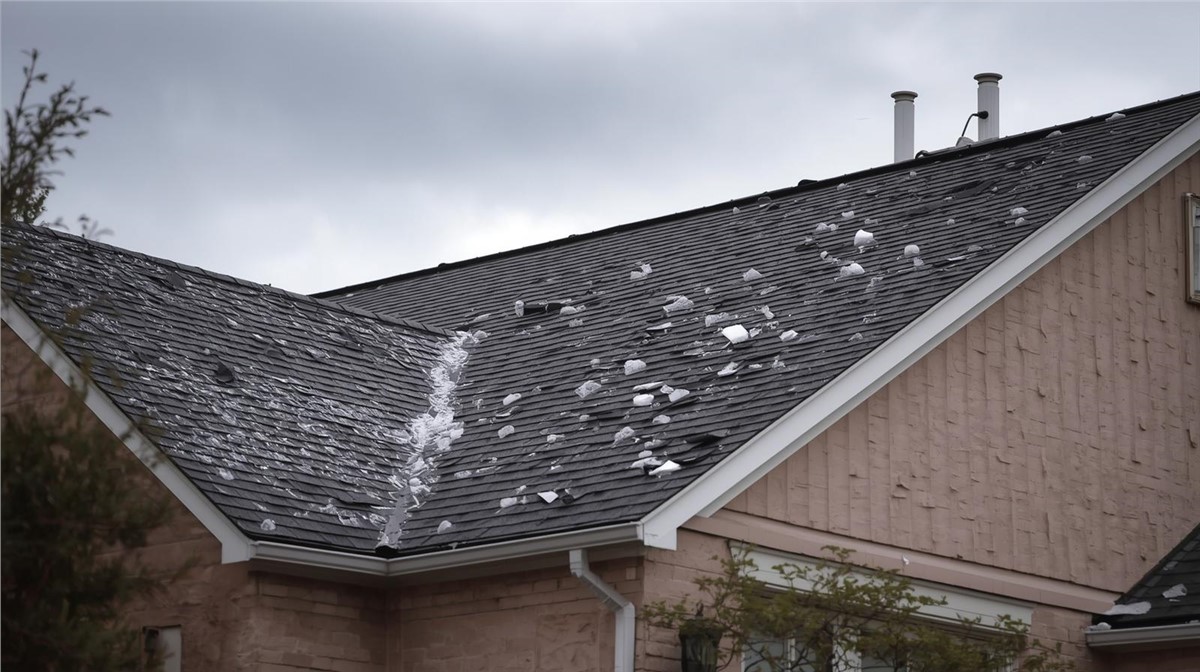
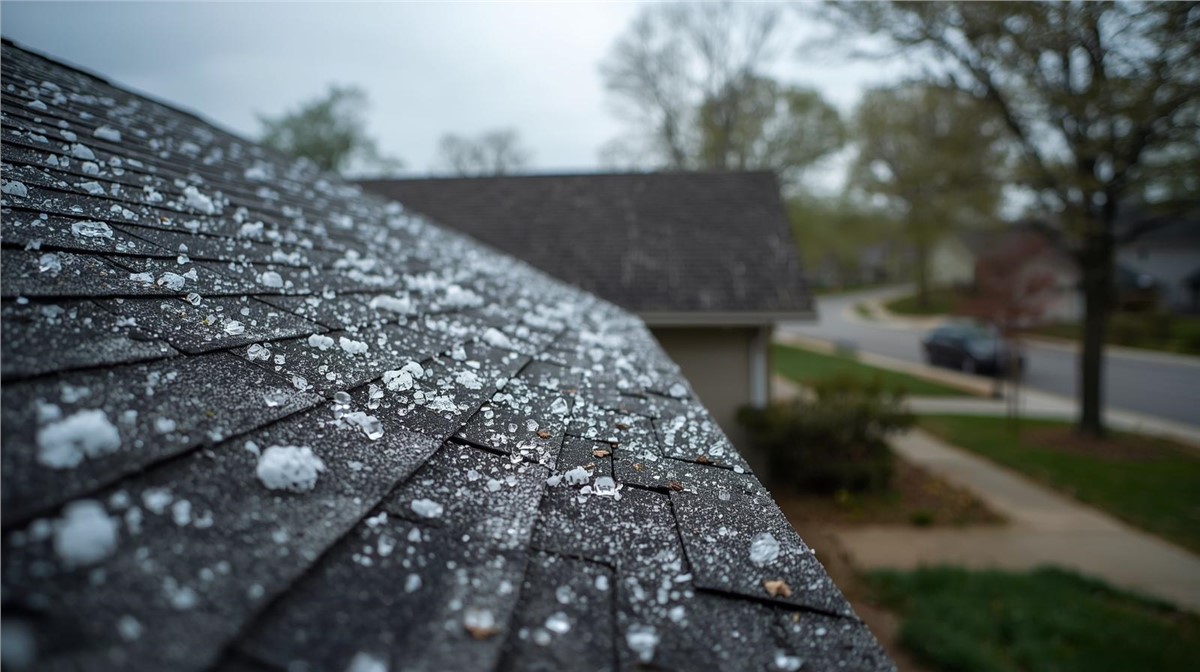
Hail storms can cause unexpected damage to homes, leaving many homeowners wondering whether their insurance policy will cover the cost of repairs. In Bolingbrook, IL, severe storms that bring hail can affect roofs, siding, gutters, windows, and other exterior components.
Understanding how homeowners insurance policies handle hail damage can help property owners make informed decisions when dealing with storm-related repairs. While most insurance policies include coverage for certain types of storm damage, the claims process can sometimes feel confusing without the right information.
Learning what types of hail damage are typically covered and how inspections support insurance claims can help homeowners navigate the process more confidently.
How Homeowners Insurance Handles Hail Damage
In many cases, homeowners insurance policies cover damage caused by sudden weather events such as hail storms. This coverage often applies to damage affecting major structural components of the home, including the roof and exterior materials.
However, coverage can vary depending on several factors, including:
the specific terms of the insurance policy
the age and condition of the roof before the storm
the extent of the damage caused by the hail
Insurance companies typically require proof that the damage was caused by a recent storm rather than general wear and tear.
Types of Hail Damage Insurance May Cover
Hail storms can damage multiple areas of a home’s exterior, and many insurance policies provide coverage for repairs affecting these components.
Common types of storm damage that may be covered include:
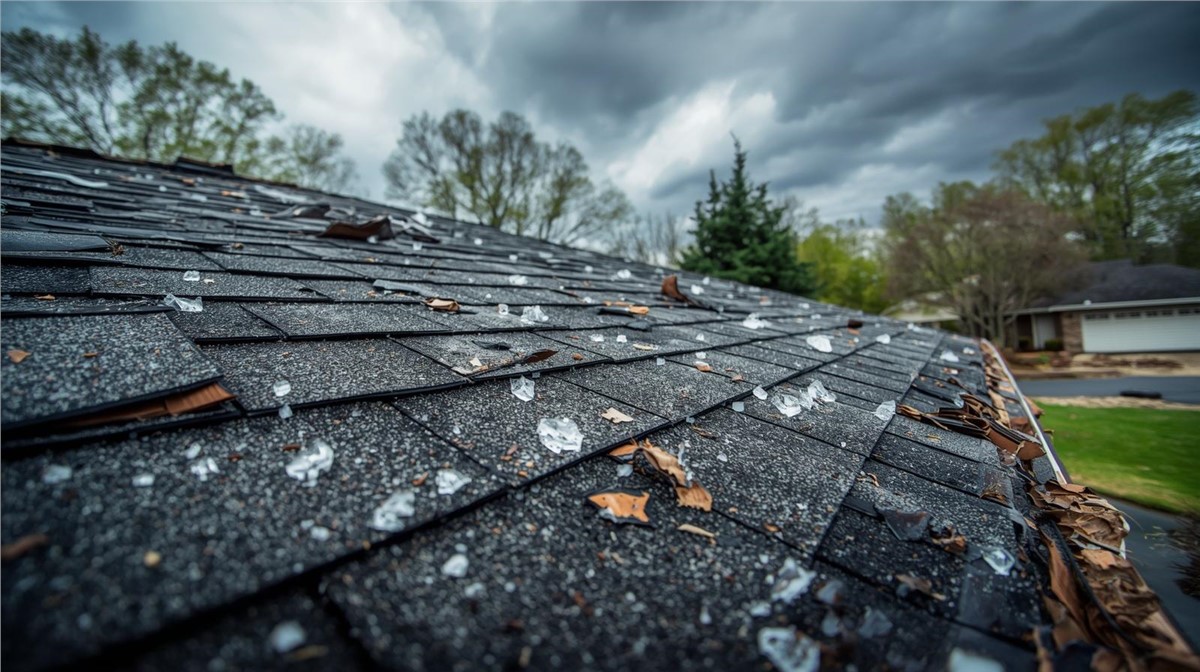
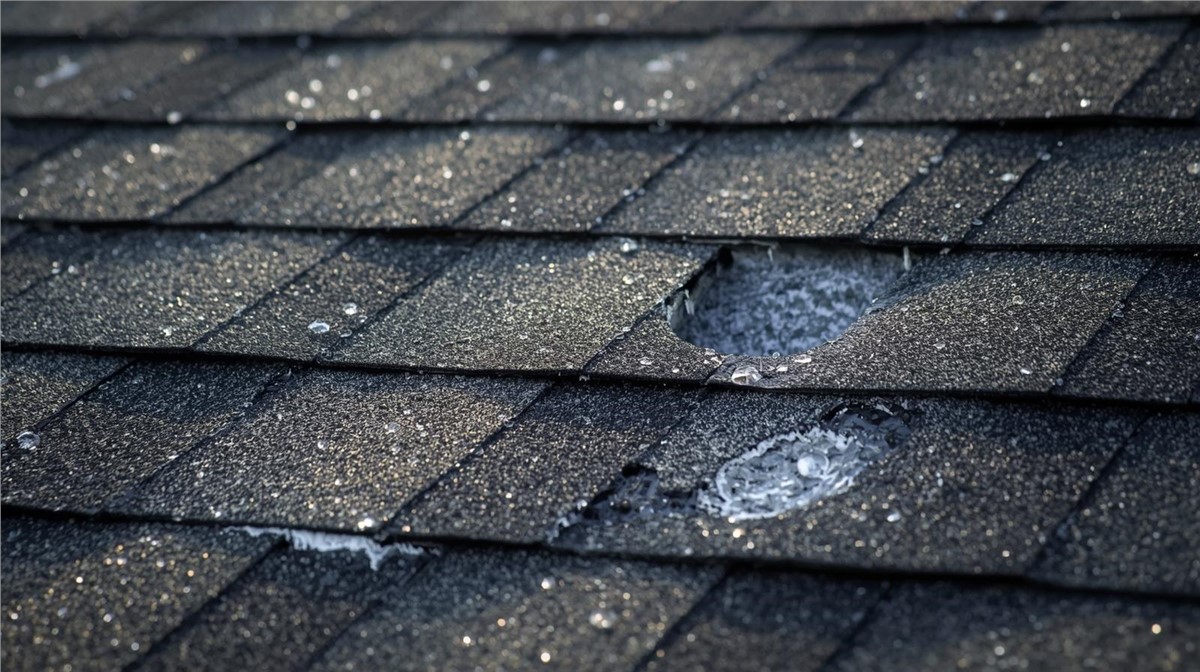
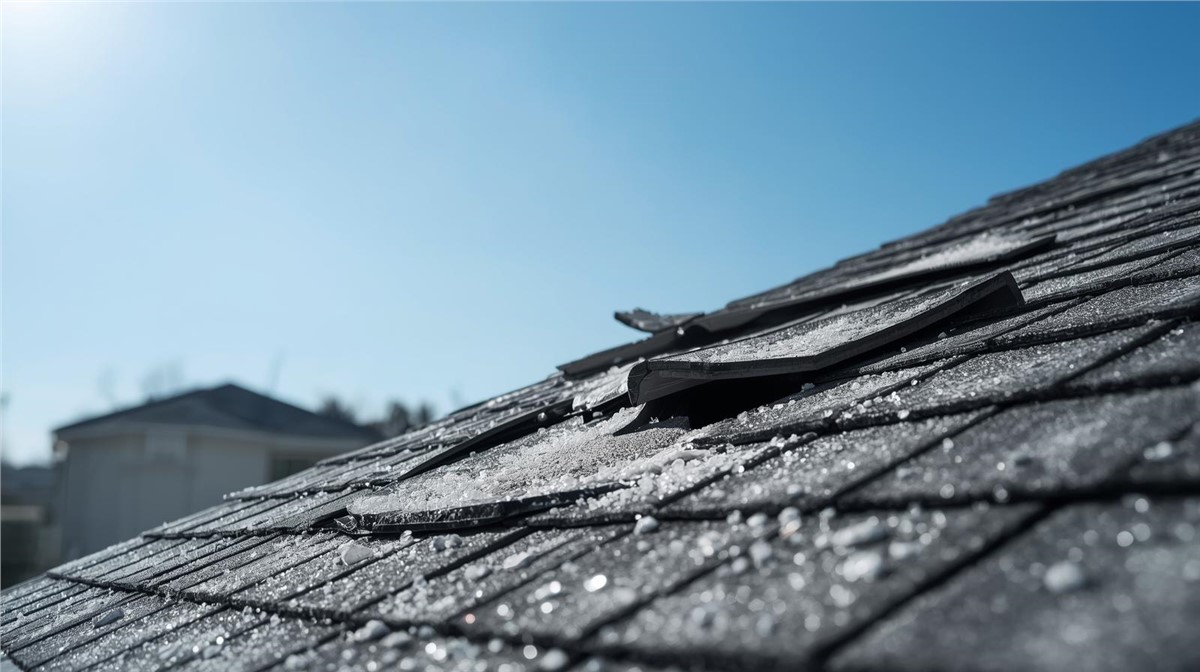
cracked or bruised roofing shingles
dented metal roof components or flashing
damaged siding panels
dented gutters and downspouts
damaged window frames or seals
Because hail damage often impacts several areas of the home, it’s important to inspect the entire exterior after a storm.
Why Roof Inspections Are Important for Insurance Claims
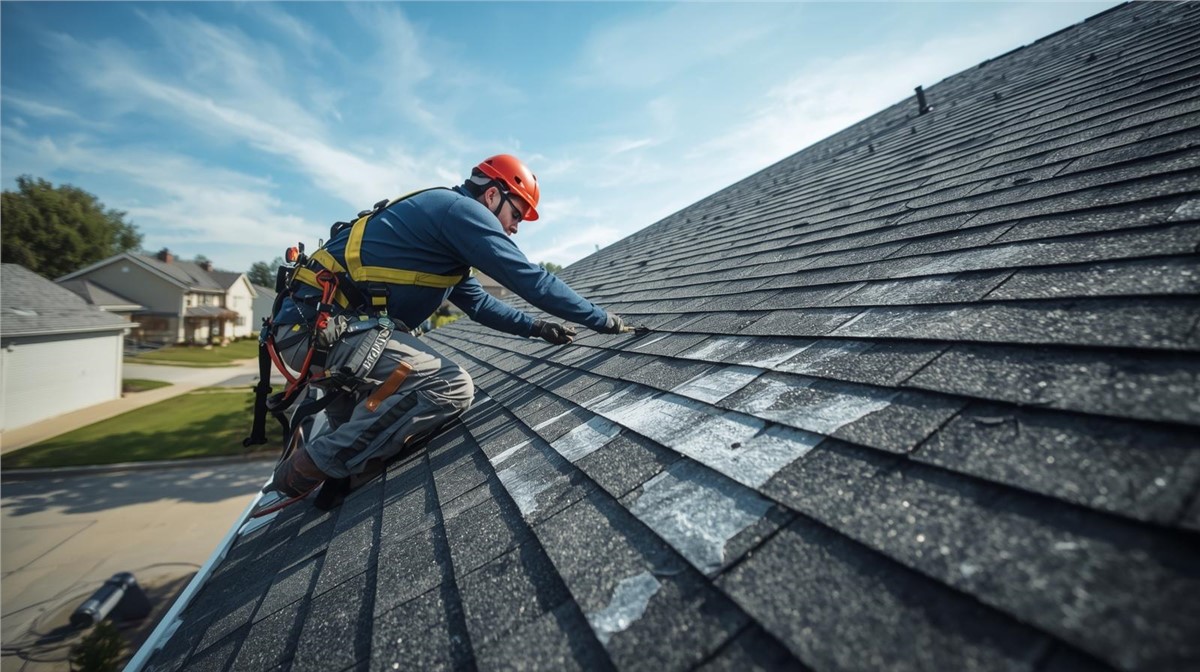
A professional roof inspection plays an important role in the insurance claims process. Inspectors can identify damage that may not be visible from the ground and provide documentation that supports a claim.
Inspection reports often include:
photographs of damaged roofing materials
descriptions of impacted areas
recommendations for repair or replacement
These reports help insurance adjusters evaluate the extent of the damage and determine whether coverage applies.
Filing a Hail Damage Insurance Claim
If you suspect your home has been affected by hail, the first step is scheduling a professional inspection. Once the damage is documented, homeowners can contact their insurance provider to begin the claims process.
The process typically includes:
Scheduling a roof inspection
Documenting damage with photos and reports
Contacting the insurance company
Scheduling an adjuster inspection
Determining whether repairs or replacement are covered
Working with experienced professionals can help ensure the damage is properly documented and that homeowners understand their repair options.
Protecting Your Home After a Hail Storm
Even if the damage appears minor, it’s important to have your roof inspected after a severe storm. Small hail impacts can weaken roofing materials and lead to leaks over time.
Regular inspections and prompt repairs help maintain the structural integrity of the home and prevent more costly damage in the future.
Schedule a Storm Damage Inspection in Bolingbrook, IL
If your home recently experienced hail storms, scheduling a professional inspection can help determine whether damage occurred and whether repairs are necessary.
At Huskie Exteriors, we assist homeowners in Bolingbrook, IL by providing thorough exterior inspections that identify hail damage affecting roofs, siding, gutters, and windows. Our team helps homeowners understand the condition of their property and determine the best steps for protecting their home after severe weather.
Early inspections can help prevent long-term damage and ensure your home remains safe and protected.
Subscribe to Huskie Exteriors's Blog





Comments