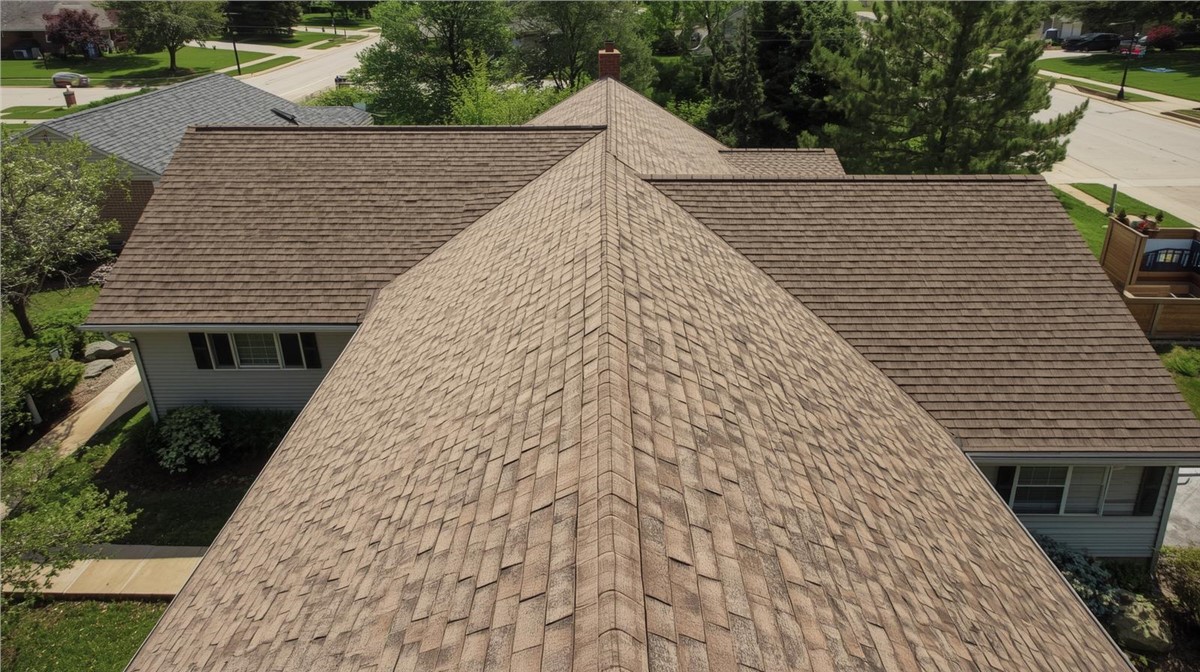
Asphalt shingle roofs are the most common roofing system for homes throughout the Midwest. They provide reliable protection, attractive curb appeal, and affordable installation costs compared to many other roofing materials.
However, homeowners often wonder how long their roof will last—especially in climates that experience harsh weather conditions.
If you own a home in Northern Illinois, understanding the typical lifespan of a shingle roof can help you plan maintenance, inspections, and future replacement.
At Huskie Exteriors, we install and maintain roofing systems across Northern Illinois and Southern Wisconsin, helping homeowners extend the life of their roofs and protect their homes from Midwest weather.
Average Lifespan of a Shingle Roof
Most asphalt shingle roofs last 20 to 30 years under normal conditions. However, several factors influence how long a roof will actually perform.
Homes in areas like Rockford often experience significant seasonal weather changes, which can impact roofing materials over time.
Typical lifespan ranges include:
3-tab asphalt shingles: 15–20 years
Architectural shingles: 20–30 years
Premium designer shingles: 30–40 years
Higher-quality shingles generally last longer because they are thicker and designed to resist wind and weather damage.
How Midwest Weather Affects Roof Lifespan
Roofs in Northern Illinois face challenging weather conditions throughout the year.
Environmental factors that can shorten roof lifespan include:
Heavy Snow and Ice
Winter snow accumulation can place significant weight on roofing systems. When combined with ice dams, melting snow may force water beneath shingles.
Freeze-Thaw Cycles
Temperature fluctuations during winter cause roofing materials to expand and contract, which can weaken shingles over time.
Hailstorms
Hail can bruise or crack shingles, damaging the protective granule layer that shields roofs from UV exposure.
Strong Winds
Severe thunderstorms in the Midwest often produce high winds capable of loosening or lifting shingles.
These environmental factors mean roofs in Northern Illinois often require regular inspections and maintenance to reach their full lifespan.
Signs Your Shingle Roof Is Aging
Even well-installed roofs eventually show signs of wear.
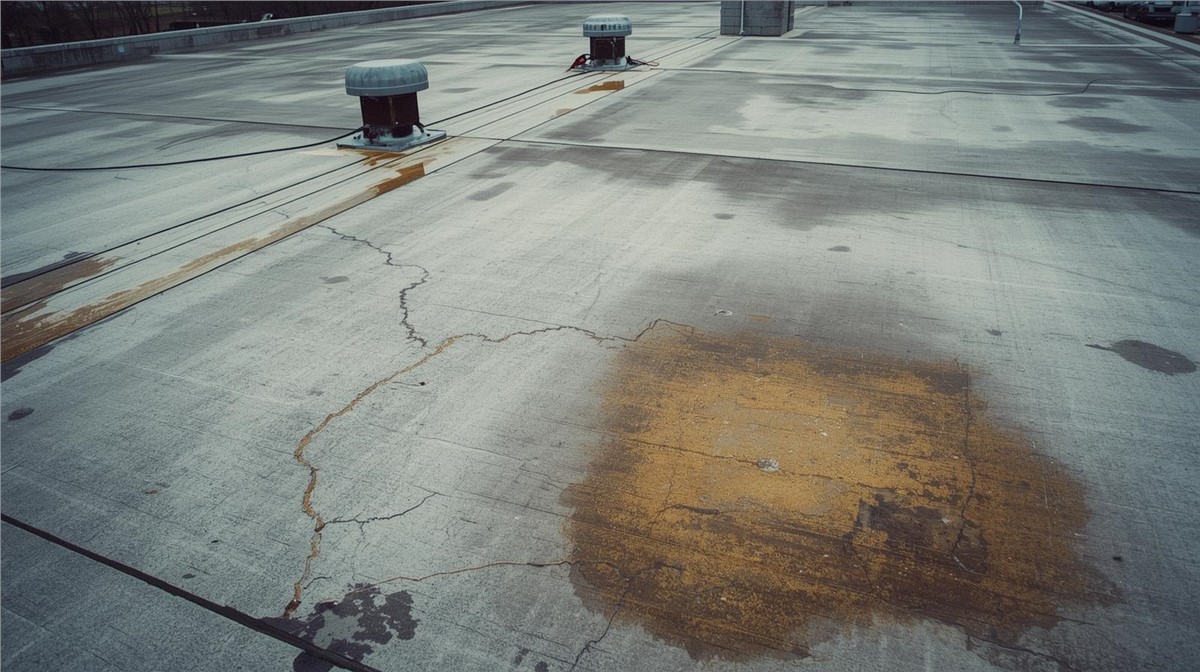
Common indicators that your roof may be nearing the end of its lifespan include:
Curling or cracked shingles
Missing shingles after storms
Granules collecting in gutters
Dark streaks or algae growth
Interior water stains on ceilings
Sagging roof areas
If your roof is showing several of these signs, it may be time to schedule a professional inspection.
Importance of Proper Roof Ventilation
Ventilation plays a major role in how long a roof lasts.
Poor attic ventilation can cause:
Heat buildup during summer
Moisture accumulation in winter
Premature shingle deterioration
Mold growth in insulation
A properly ventilated attic allows heat and moisture to escape, protecting both roofing materials and the underlying roof structure.
Maintenance Tips to Extend Roof Lifespan
Regular maintenance can help homeowners extend the life of their shingle roof.
Recommended steps include:
Scheduling annual roof inspections
Cleaning gutters to prevent water buildup
Removing debris from roof surfaces
Replacing damaged shingles promptly
Trimming tree branches near the roofline
Preventative maintenance helps protect roofing materials from avoidable damage.
Roof Repairs vs Roof Replacement
When roofing problems appear, homeowners often wonder whether repairs are enough or if full replacement is necessary.
Repairs may be sufficient when:
Damage is limited to a small area
The roof is relatively new
Shingles remain structurally sound
However, replacement may be recommended if:
The roof is more than 20 years old
Multiple areas show damage
Storm damage affects large sections
A professional inspection can help determine the best course of action.
Benefits of Upgrading to Architectural Shingles
Many homeowners upgrading their roof choose architectural shingles instead of traditional 3-tab shingles.
Benefits include:
Increased durability
Improved wind resistance
Longer lifespan
Enhanced curb appeal
Architectural shingles are designed to handle the weather conditions common in Northern Illinois.
Why Professional Installation Matters
The lifespan of a shingle roof depends heavily on the quality of installation.
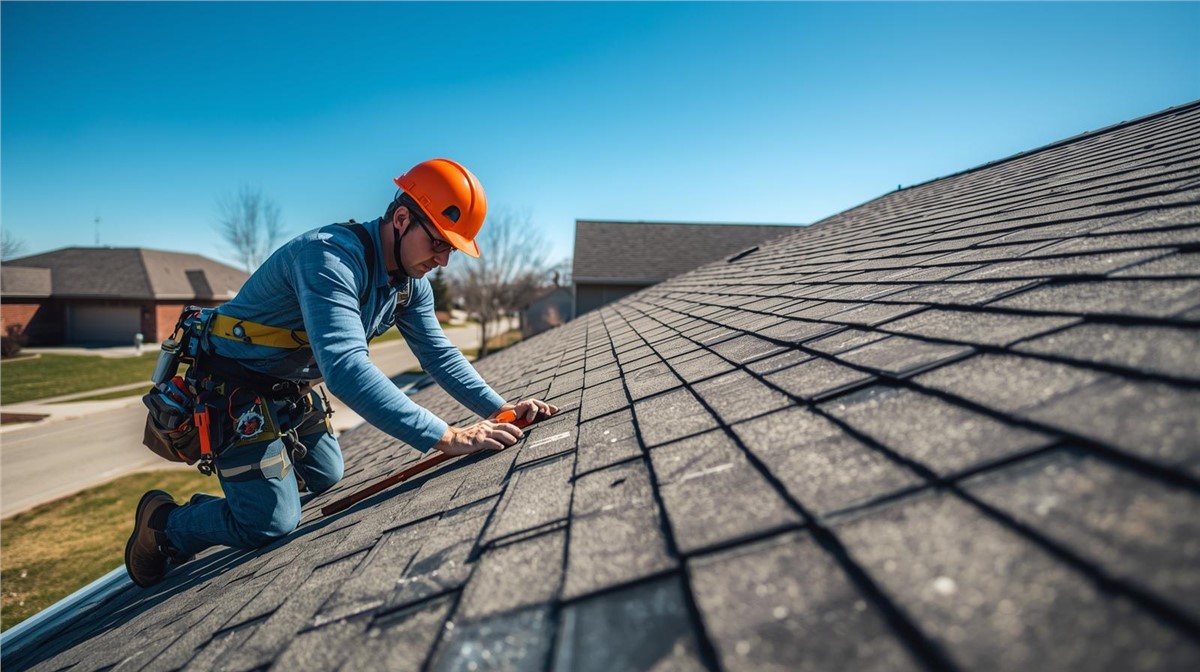
Professional roofing contractors ensure:
Proper underlayment installation
Correct shingle alignment and fastening
Adequate attic ventilation
Secure flashing around roof penetrations
Improper installation can shorten a roof’s lifespan by several years.
FAQs About Shingle Roof Lifespan
How long should a roof last in Northern Illinois?
Most asphalt shingle roofs last 20 to 30 years, depending on materials, installation quality, and weather exposure.
Do architectural shingles last longer than 3-tab shingles?
Yes. Architectural shingles are thicker and more durable, often lasting 10 years longer than basic 3-tab shingles.
How can I tell if my roof needs replacement?
Signs include curling shingles, frequent leaks, missing shingles, or excessive granule loss.
Can storm damage shorten roof lifespan?
Yes. Hail, high winds, and falling debris can weaken shingles and accelerate roof deterioration.
How often should roofs be inspected?
Experts recommend annual inspections and inspections after severe storms.
Schedule a Roof Inspection in Northern Illinois
Knowing how long your roof is expected to last helps you plan maintenance and avoid unexpected repairs. If your roof is aging or showing signs of wear, a professional inspection can help determine whether repairs or replacement are needed.
Huskie Exteriors provides roofing inspections, repairs, and replacements throughout Northern Illinois and Southern Wisconsin, helping homeowners protect their homes from Midwest weather conditions.
Our team can help you:
Evaluate the condition of your roof
Identify potential problems early
Recommend repair or replacement solutions
Contact Huskie Exteriors today to schedule a free roof inspection.
Subscribe to Huskie Exteriors's Blog





Comments