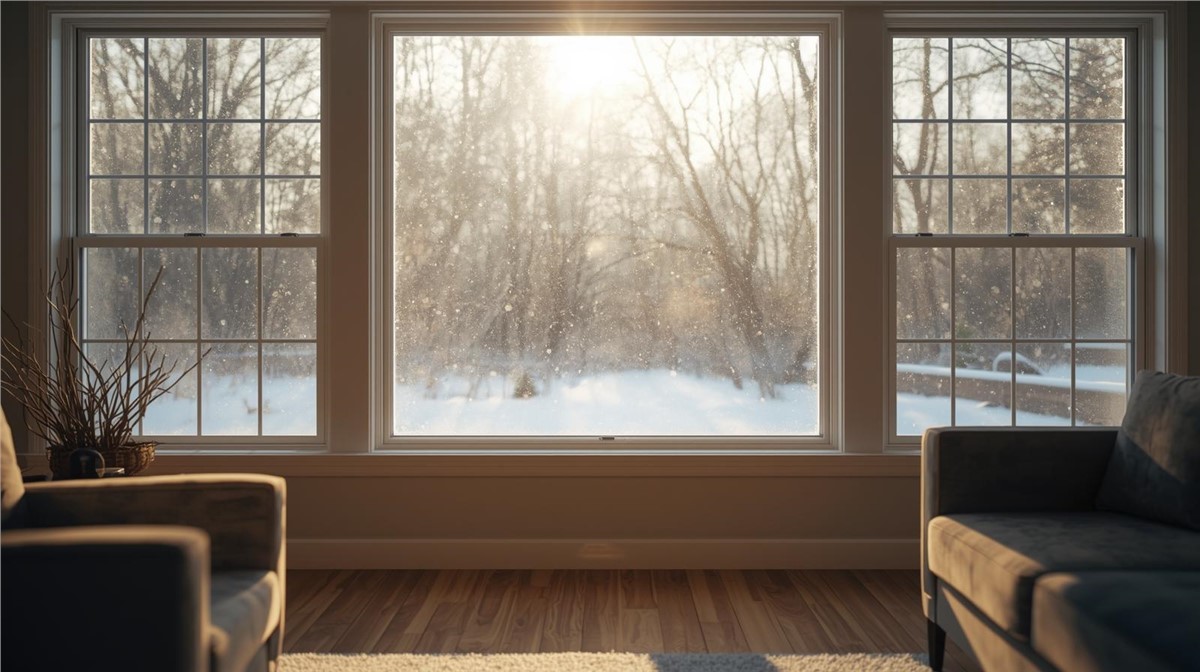
Winters in Wisconsin can be long, cold, and expensive when it comes to heating costs. When temperatures drop below freezing and icy winds move through the region, older windows can allow significant heat loss inside your home.
Upgrading to energy-efficient windows is one of the most effective ways to improve comfort, reduce energy bills, and protect your home from harsh winter conditions.
For homeowners in cities like Beloit and surrounding areas, selecting the right window type is especially important because Wisconsin winters regularly bring snow, wind, and extreme temperature swings.
At Huskie Exteriors, we install high-performance windows across Northern Illinois and Southern Wisconsin, helping homeowners choose window systems designed specifically for Midwest climates.
Why Energy-Efficient Windows Matter in Wisconsin
Older windows often allow heat to escape during winter months, forcing heating systems to work harder to maintain comfortable indoor temperatures.
Common problems with outdated windows include:
Drafts around window frames
Poor insulation from single-pane glass
Condensation forming between glass panes
Air leaks around window seals
Energy-efficient windows are designed to reduce these problems by improving insulation and minimizing heat transfer.
Benefits include:
Lower heating bills
Improved indoor comfort
Reduced drafts
Increased home value
Better protection against outside noise
In colder climates like Wisconsin, energy-efficient windows can make a noticeable difference in both comfort and energy costs.
Key Features of Energy-Efficient Windows
Modern windows use several technologies to improve insulation and performance.
Double or Triple Pane Glass
Energy-efficient windows typically include two or three panes of glass with insulating gas sealed between them.
Benefits include:
Reduced heat transfer
Improved insulation
Lower energy loss
Triple-pane windows are especially beneficial for homes exposed to extremely cold winter conditions.
Low-E Glass Coatings
Low-emissivity (Low-E) coatings help reflect heat back into your home during winter while blocking excessive heat during summer.
This helps maintain consistent indoor temperatures year-round.
Argon or Krypton Gas Fills
Energy-efficient windows are often filled with insulating gases such as argon or krypton between glass panes.
These gases reduce heat transfer more effectively than regular air.
Insulated Window Frames
High-quality frames made from vinyl, fiberglass, or composite materials help prevent air leaks and improve overall insulation.
Best Window Types for Wisconsin Winters
Different window styles provide different levels of insulation and performance.
Double-Hung Windows
Double-hung windows are one of the most common window styles used in Midwest homes.
Advantages include:
Easy operation
Good ventilation
Wide availability in energy-efficient designs
Casement Windows
Casement windows open outward and create a tight seal when closed, making them highly energy efficient.
Benefits include:
Excellent insulation
Strong weather resistance
Improved airflow when open
Picture Windows
Picture windows do not open, which allows them to create an extremely tight seal against outdoor air.
They are often used to maximize natural light while maintaining strong insulation.
Sliding Windows
Sliding windows are easy to operate and can provide good energy efficiency when properly installed with insulated frames.
How Energy-Efficient Windows Reduce Heating Costs
Windows are responsible for a large portion of heat loss in many homes.
Energy-efficient windows help reduce heat loss by:
Preventing drafts
Improving glass insulation
Reflecting indoor heat back into the home
Reducing air infiltration around window frames
These improvements allow heating systems to operate more efficiently during winter months.
Many homeowners notice lower heating bills after installing modern window systems.
Signs It’s Time to Replace Your Windows
If your current windows are older or inefficient, replacing them can significantly improve home comfort.
Signs you may need new windows include:
Drafts near window frames
Difficulty opening or closing windows
Condensation between glass panes
Rising heating and cooling costs
Visible damage to window frames
Homes with windows older than 20–25 years often benefit from modern energy-efficient upgrades.
Why Professional Window Installation Matters
Even the most energy-efficient windows will not perform properly if they are installed incorrectly.
Professional installation ensures:
Airtight window seals
Proper insulation around the frame
Correct flashing to prevent water intrusion
Long-term durability and performance
Experienced installers understand how Midwest weather conditions affect window systems and can ensure proper installation.
Additional Energy Efficiency Tips for Wisconsin Homes
Replacing windows is one of the most effective ways to improve energy efficiency, but other steps can also help.
Homeowners can improve efficiency by:
Adding attic insulation
Sealing air leaks around doors
Installing weatherstripping
Maintaining proper attic ventilation
Combining these improvements with energy-efficient windows can significantly reduce heating costs during winter.
Why Local Window Experts Matter
Working with a contractor familiar with Wisconsin weather conditions provides important advantages.
Local professionals understand:
Regional temperature fluctuations
Window products designed for cold climates
Wisconsin building codes and energy requirements
Proper installation techniques for snow and wind exposure
Contractors serving Southern Wisconsin and Northern Illinois can also recommend window systems designed specifically for Midwest homes.
FAQs About Energy-Efficient Windows
Are triple-pane windows worth it in Wisconsin?
Yes. Triple-pane windows provide additional insulation and can improve comfort during extremely cold winter months.
How much can energy-efficient windows reduce heating costs?
Many homeowners see energy savings of 10–25% depending on the condition of their existing windows.
What window frame material is best for cold climates?
Vinyl and fiberglass frames are both excellent options because they provide strong insulation and durability.
How long do energy-efficient windows last?
High-quality windows typically last 20 to 30 years when properly installed and maintained.
Do new windows increase home value?
Yes. Energy-efficient upgrades are attractive to buyers and can improve overall home resale value.
Schedule a Free Window Replacement Estimate
Energy-efficient windows can make a major difference in home comfort, especially during harsh Wisconsin winters. If your current windows are drafty, outdated, or inefficient, upgrading to modern insulated windows can help reduce heating costs and improve indoor comfort.
Huskie Exteriors installs high-quality windows throughout Northern Illinois and Southern Wisconsin, helping homeowners choose durable, energy-efficient solutions built for Midwest weather.
Our team can help you:
Evaluate your current windows
Choose the best energy-efficient window styles
Install new windows designed for cold climates
Contact Huskie Exteriors today to schedule a free window replacement estimate.
Subscribe to Huskie Exteriors's Blog




Comments