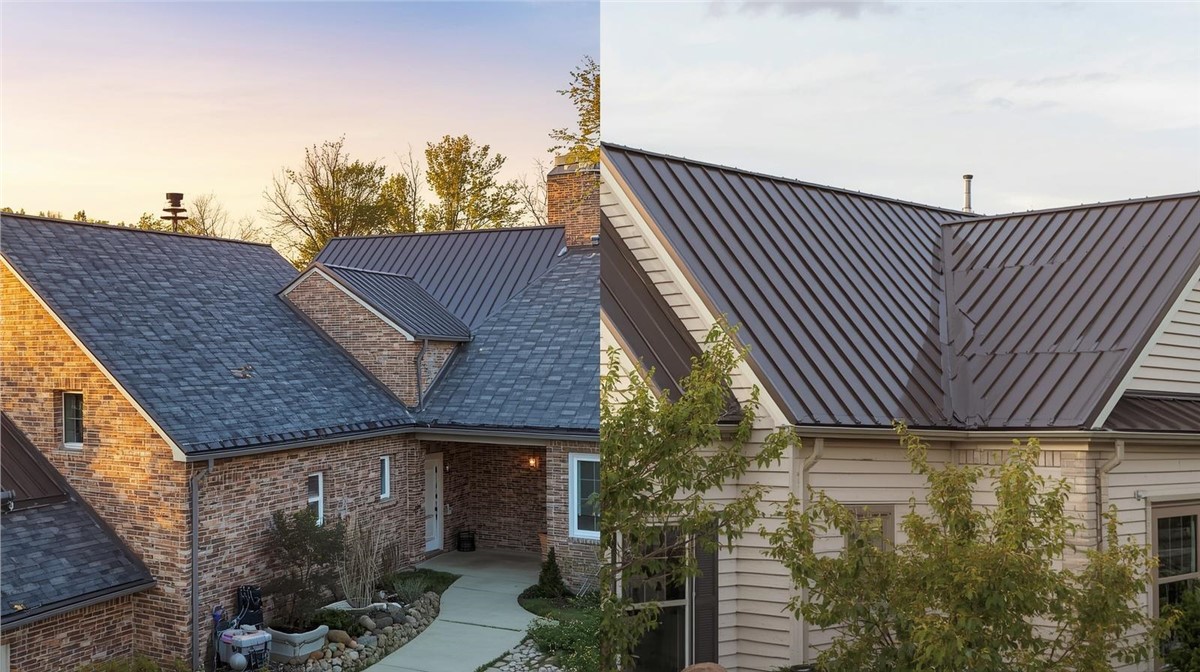
Metal roofing has become increasingly popular across the Midwest thanks to its durability, long lifespan, and ability to handle harsh weather conditions. Homeowners throughout Illinois and Wisconsin are choosing metal roofs as a long-term investment that protects their homes against storms, snow, and extreme temperature swings.
If you’re comparing metal roofing costs in Illinois and Wisconsin in 2026, it’s important to understand the factors that influence pricing, the benefits of metal roofing, and how Midwest weather affects roof performance.
At Huskie Exteriors, we install roofing systems across Northern Illinois and Southern Wisconsin, helping homeowners choose materials designed to withstand regional weather conditions.
Average Metal Roofing Cost in Illinois and Wisconsin
Metal roofing prices vary depending on the size of the home, roof complexity, and the type of metal roofing system installed.
In most Midwest markets, homeowners typically invest between $10,000 and $30,000 for a residential metal roof installation.
For an average home between 2,000 and 2,500 square feet, metal roofing projects commonly range from $18,000 to $28,000, depending on material selection, roof design, and installation requirements.
Several factors influence the final cost, including the style of metal roofing chosen, the complexity of the roof structure, and whether the existing roof must be removed before installation.
Because labor markets and supply chains are similar across the region, pricing for metal roofing tends to be comparable throughout Northern Illinois and Southern Wisconsin.
Do Metal Roofing Costs Differ Between Illinois and Wisconsin?
In most cases, the cost difference between Illinois and Wisconsin is minimal. Because the regions share similar labor markets, supplier networks, and weather conditions, pricing is generally consistent.
Cities such as Rockford and Beloit often see very similar roofing costs due to their geographic proximity.
However, a few factors can create slight variations.
Labor Availability
Areas with higher demand for roofing services may experience slightly higher labor costs, particularly after severe storms when roofing companies are busy with repairs and replacements.
Local Permit Requirements
Building permit fees vary between municipalities and can add a small amount to the total project cost.
Building Code Differences
Some communities require additional roofing components such as upgraded underlayment, improved ventilation systems, or enhanced ice barrier protection.
Overall, homeowners across Illinois and Wisconsin typically see very similar metal roofing installation costs.
Factors That Influence Metal Roofing Costs
Several key factors affect the final cost of a metal roofing project.
Roof Size and Complexity
Larger roofs naturally require more materials and labor. Complex roof designs also increase installation time.
Features that may increase cost include:
Steep roof pitches
Multiple roof slopes
Skylights or dormers
Chimneys or ventilation penetrations
Roof valleys and intersecting angles
Type of Metal Roofing System
Different metal roofing styles vary in cost depending on their design and installation requirements.
Common options include:
Standing seam metal roofing
Metal shingles
Corrugated metal panels
Stone-coated steel roofing
Standing seam systems are often considered a premium option due to their concealed fasteners and sleek appearance.
Roof Deck Condition
If the roof decking underneath the existing shingles is damaged or deteriorated, it may need to be repaired or replaced before installing a metal roof.
Removal of Existing Roofing
If your current roof must be removed before installing metal panels, the cost of labor and disposal will increase.
Why Metal Roofing Performs Well in Midwest Weather
Metal roofing is particularly well suited for homes in Illinois and Wisconsin because it performs well under the region’s extreme weather conditions.
Homes in the Midwest experience:
Heavy snow accumulation in winter
Ice dams caused by freeze-thaw cycles
High winds during thunderstorms
Hailstorms during spring and summer
Rapid seasonal temperature changes
Metal roofs are designed to withstand these conditions while maintaining structural integrity for decades.
Benefits of Metal Roofing
Although metal roofing typically costs more upfront than asphalt shingles, it offers several long-term advantages.
Long Lifespan
Metal roofs commonly last 40 to 70 years, significantly longer than traditional asphalt shingles.
Snow and Ice Performance
Metal roofing surfaces shed snow more easily, helping reduce the risk of ice dams forming along roof edges.
Energy Efficiency
Reflective metal surfaces can reduce heat absorption during summer months, helping lower cooling costs.
Low Maintenance
Metal roofs require less maintenance compared to many other roofing materials.
Potential Drawbacks of Metal Roofing
While metal roofing provides many benefits, it’s important to consider a few potential downsides.
Possible drawbacks include:
Higher upfront installation cost
Potential noise during heavy rain or hail (usually minimized with proper insulation)
Specialized installation requirements that require experienced contractors
Proper installation is critical to ensure long-term performance.
When Metal Roofing Is Worth the Investment
Metal roofing is often an excellent choice for homeowners planning to stay in their homes long term.
A metal roof may be a smart investment if:
Your current roof is nearing the end of its lifespan
Your home frequently experiences severe storms
You want a durable, low-maintenance roofing system
Energy efficiency is a priority
Although the upfront investment is higher, the long lifespan of metal roofing can make it cost-effective over time.
Choosing the Right Metal Roofing Style
Modern metal roofing systems come in several styles designed to match different home designs.
Popular options include:
Standing Seam Metal Roofing
This style features vertical panels with concealed fasteners and a clean, modern appearance.
Metal Shingles
Metal shingles are designed to resemble traditional asphalt shingles while offering greater durability.
Stone-Coated Steel Roofing
Stone-coated steel combines the strength of metal with the aesthetic appearance of traditional roofing materials.
Each option provides different aesthetic and performance benefits depending on your home’s design and budget.
FAQs About Metal Roofing in Illinois and Wisconsin
Is metal roofing more expensive than asphalt shingles?
Yes, metal roofing usually costs more upfront, but its longer lifespan often makes it more cost-effective over time.
How long does a metal roof last in the Midwest?
Most metal roofs last 40 to 70 years when properly installed and maintained.
Can metal roofs handle hailstorms?
Yes. Many metal roofing systems are designed to withstand hail impacts and severe Midwest storms.
Do metal roofs increase home value?
Yes. A long-lasting roof can increase resale value and attract buyers looking for durable roofing systems.
Are metal roofs energy efficient?
Yes. Reflective coatings on metal roofing help reduce heat absorption, which can lower cooling costs during summer months.
Get a Metal Roofing Estimate in Illinois or Wisconsin
Metal roofing offers durability, energy efficiency, and long-term protection for homes throughout the Midwest. If you're considering installing a metal roof, choosing the right contractor is just as important as selecting the right material.
Huskie Exteriors installs high-quality roofing systems designed to withstand the weather conditions of Northern Illinois and Southern Wisconsin.
Our team helps homeowners:
Evaluate metal roofing options
Select materials suited for Midwest climates
Install durable roofing systems built to last
Contact Huskie Exteriors today to schedule a free metal roofing estimate.
Subscribe to Huskie Exteriors's Blog



Comments