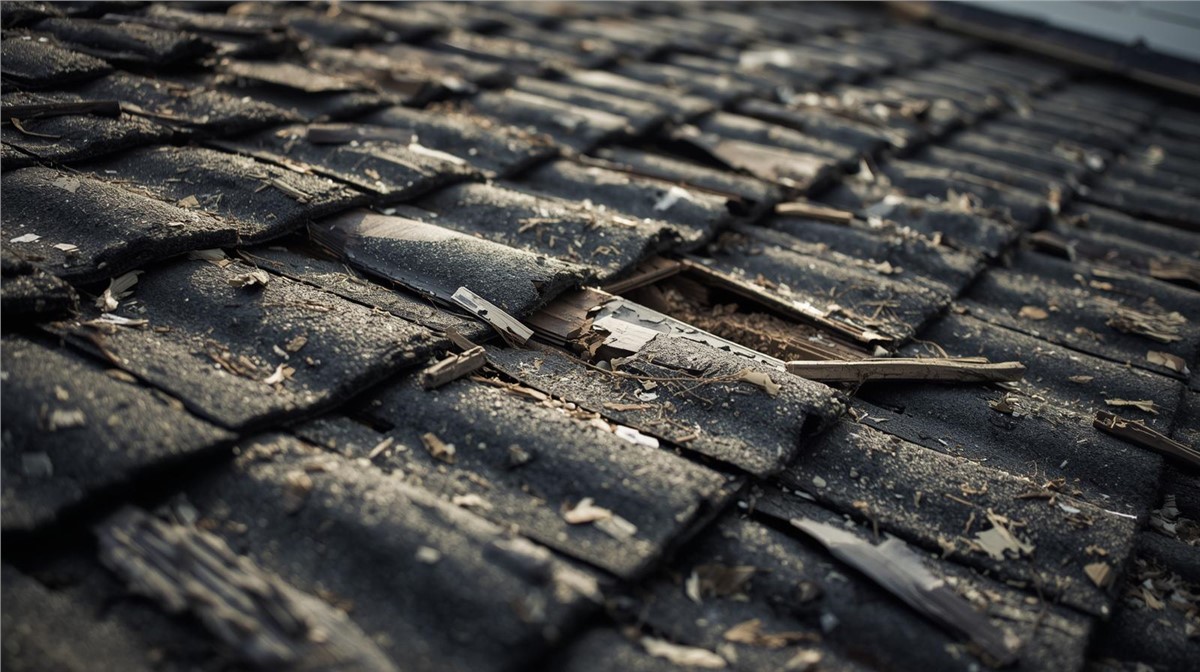
Storms in Wisconsin can be unpredictable and severe. Between heavy winds, hailstorms, freezing temperatures, and intense summer thunderstorms, roofing systems throughout the region endure significant stress every year.
After a major storm passes, many homeowners aren’t sure whether their roof has been damaged or if repairs are needed. Knowing how to identify early warning signs can help prevent minor issues from becoming expensive structural problems.
If you live in areas like Beloit, spotting storm damage early is essential for protecting your home and avoiding long-term roofing issues.
At Huskie Exteriors, we help homeowners across Southern Wisconsin and Northern Illinois identify storm damage quickly and restore their roofing systems before leaks or structural damage occur.
Why Storm Damage Is Common in Wisconsin
Wisconsin experiences a wide range of weather conditions throughout the year. These conditions can gradually weaken roofing materials or cause sudden damage during severe storms.
Common weather threats include:
Hailstorms during spring and summer
High winds during thunderstorms
Heavy snowfall and ice buildup in winter
Rapid freeze-thaw temperature swings
Falling tree branches during storms
Over time, these environmental stresses can compromise shingles, flashing, and other roofing components.
Signs of Wind Damage on Your Roof
Strong winds are one of the most common causes of roof damage in Wisconsin. Even moderate wind speeds can loosen or lift shingles.
Watch for these signs after windy storms:
Missing shingles on the roof
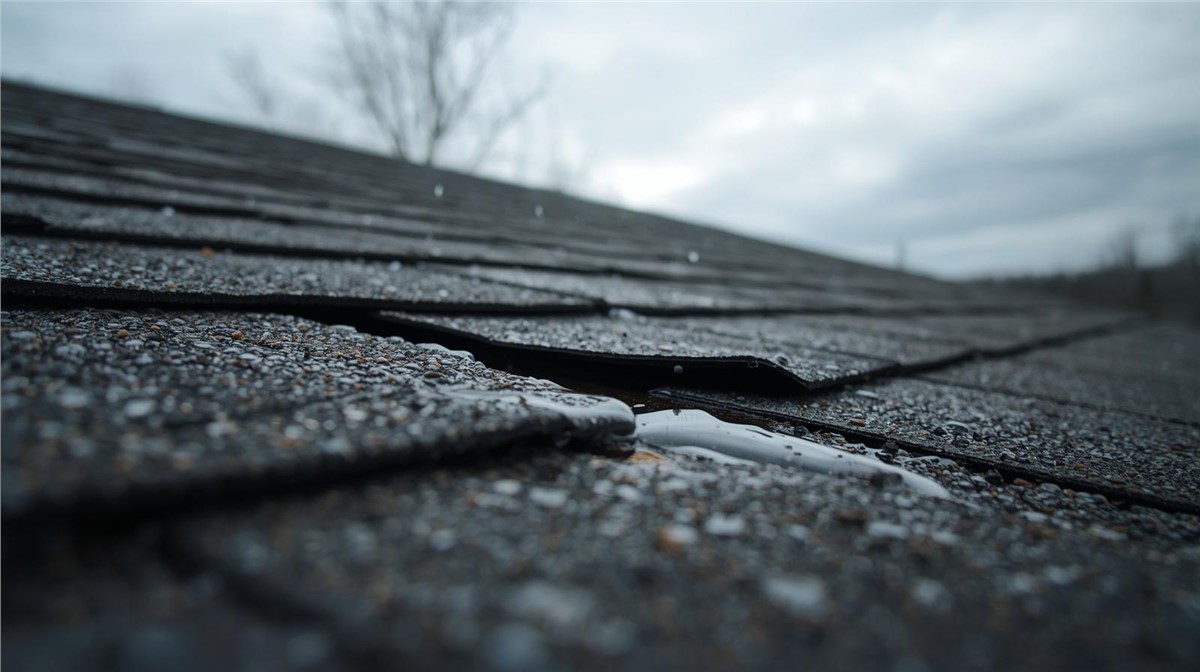
Shingles that appear curled or lifted
Loose flashing around chimneys or vents
Shingle pieces found in your yard
Debris buildup on the roof
When shingles lift during storms, the seal that protects the roof from water intrusion may break, increasing the risk of leaks.
How Hail Damage Affects Roofing Materials
Hailstorms can cause damage that isn’t always visible from the ground. Even small hailstones can weaken the protective layers of asphalt shingles.
Common indicators of hail damage include:
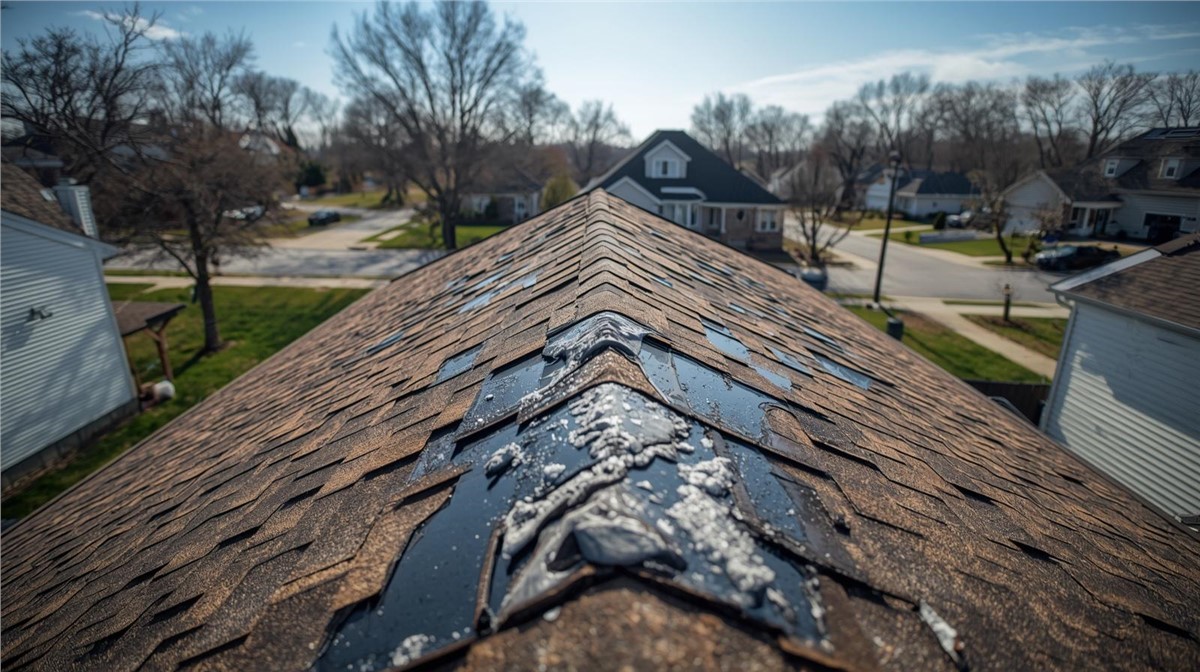
Dark or bruised spots on shingles
Granule loss exposing asphalt beneath
Dents in roof vents or metal flashing
Damaged gutters or downspouts
Cracked or broken shingles
Hail damage often shortens the lifespan of roofing materials, making early inspection important.
Check Your Gutters and Downspouts
Your gutters can reveal important clues about storm damage.
After a storm, check for:
Large amounts of shingle granules inside gutters
Dented gutter sections
Loose or sagging gutters
Clogged drainage areas
Granules help protect shingles from UV exposure and weather. If large amounts wash into gutters after a storm, your roof may have sustained damage.
Inspect the Attic for Hidden Roof Damage
Not all roof damage appears on the exterior. Some issues become visible from inside the attic.
Signs of potential roof damage include:
Moisture or water stains on rafters
Damp insulation
Mold or mildew odors
Sunlight visible through roof boards
Attic inspections can reveal leaks before they appear inside living spaces.
Why Professional Roof Inspections Matter
While homeowners can identify many visible signs of damage, professional inspections provide a more thorough evaluation.
Roofing professionals inspect areas that are difficult to assess from the ground, including:
Roof valleys where water flows heavily
Flashing around chimneys and skylights
Shingle adhesion and seal strength
Ventilation components
Professional inspections can also document storm damage for potential insurance claims.
When Storm Damage May Require Roof Repairs
Not all storm damage requires full roof replacement. Many problems can be repaired if caught early.
Common roof repairs include:
Replacing missing or damaged shingles
Repairing flashing around roof penetrations
Sealing exposed nail heads
Fixing damaged gutters or drainage systems
However, extensive hail or wind damage may require partial or full roof replacement depending on the severity.
Insurance Coverage for Storm Damage
Many homeowners insurance policies cover roof damage caused by sudden storms.
Insurance coverage often includes:
Hail damage
Wind damage
Falling tree limbs
Severe storm-related roof failures
However, insurance typically does not cover damage caused by normal aging or lack of maintenance.
If your home in Wisconsin experiences severe weather, documenting roof damage quickly can help ensure a smoother claims process.
How to Protect Your Roof From Future Storms
While storms are unavoidable, homeowners can reduce damage risk through preventative maintenance.
Helpful steps include:
Scheduling annual roof inspections
Keeping gutters clear of debris
Trimming trees near the roofline
Replacing aging shingles
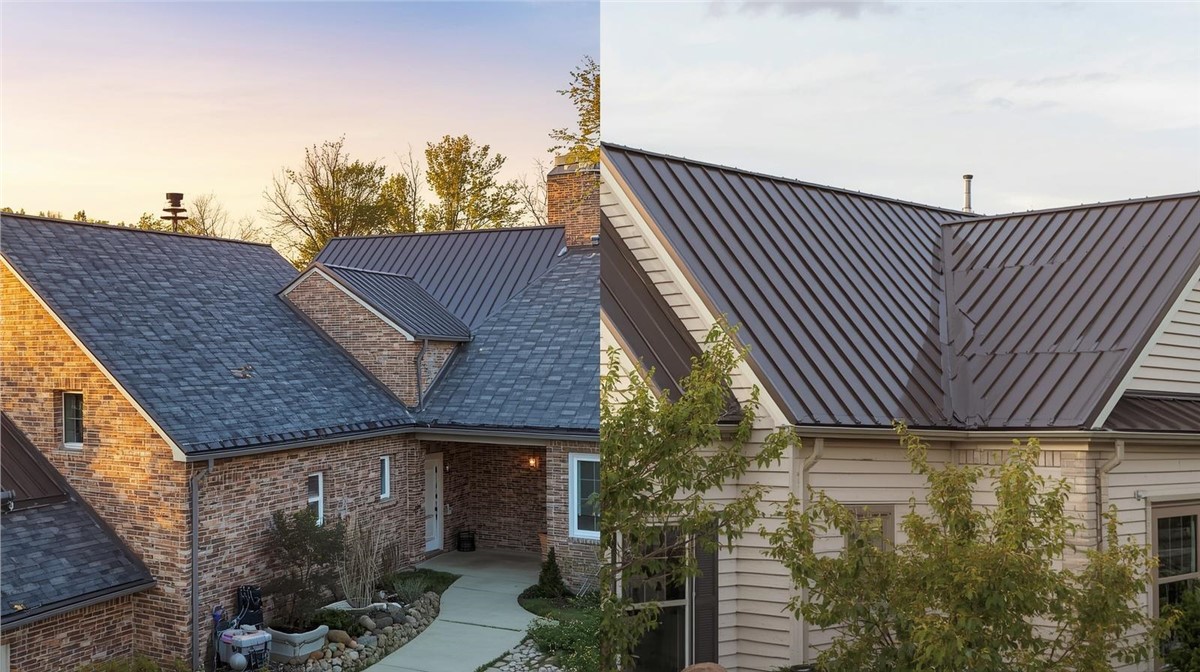
Installing impact-resistant roofing materials
Preventative maintenance can significantly extend the lifespan of your roofing system.
Why Local Roofing Contractors Matter
Hiring a contractor familiar with Wisconsin weather patterns provides several benefits.
Local roofing professionals understand:
Regional storm patterns
Roofing materials suited for Midwest climates
Wisconsin building codes
Insurance claim processes for storm damage
Contractors serving Southern Wisconsin can also respond quickly after severe weather impacts local communities.
FAQs About Roof Storm Damage in Wisconsin
How soon should I inspect my roof after a storm?
It’s best to inspect your roof within a few days after severe weather to identify potential damage early.
Can wind damage shingles without removing them?
Yes. Wind can break the adhesive seal that holds shingles down, making them more vulnerable to future storms.
Does hail damage always cause roof leaks?
Not immediately. Hail often weakens shingles first, which may lead to leaks months later.
Should I climb onto my roof to inspect it?
For safety reasons, it’s best to inspect from the ground and leave detailed inspections to professional roofing contractors.
Can insurance deny a storm damage claim?
Insurance companies may deny claims if damage is determined to be caused by aging materials or poor maintenance.
Schedule a Storm Damage Roof Inspection
Storm damage isn’t always visible right away, but ignoring it can lead to costly repairs later. If your home recently experienced severe weather, a professional inspection can identify problems early.
Huskie Exteriors provides storm damage inspections and roofing services throughout Southern Wisconsin and Northern Illinois.
Our experienced team helps homeowners:
Identify storm-related roof damage
Document issues for insurance claims
Repair or replace damaged roofing systems
Contact Huskie Exteriors today to schedule a free roof inspection and protect your home from storm damage.
Subscribe to Huskie Exteriors's Blog






Comments