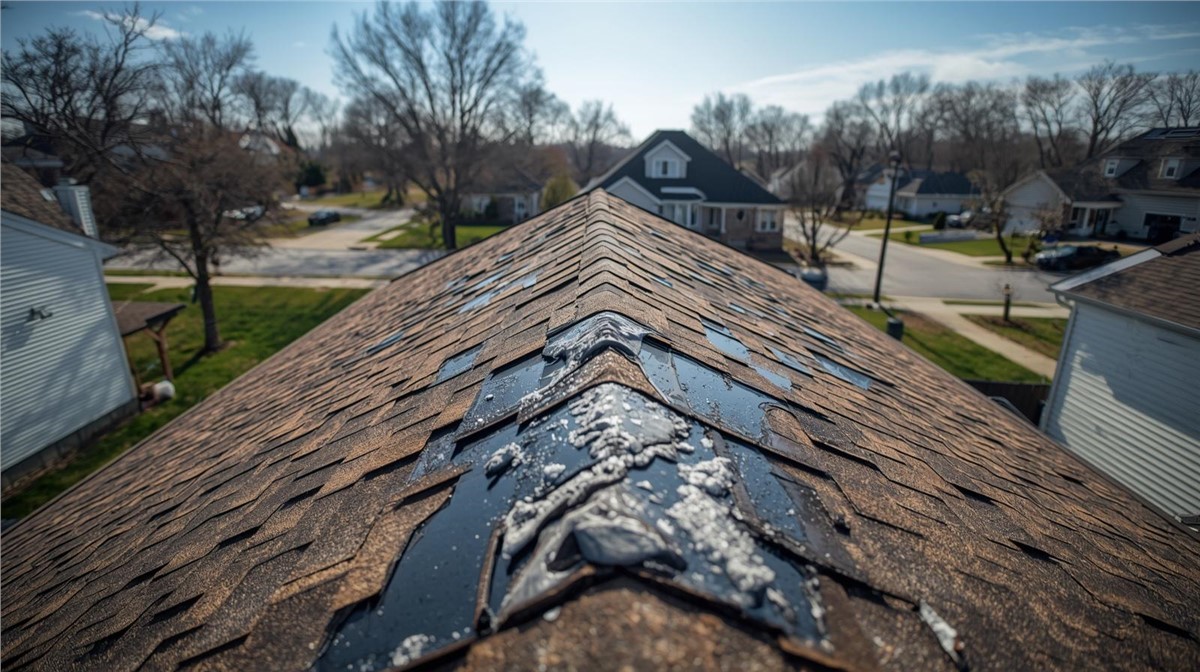
Hailstorms are one of the most common causes of roof damage across Northern Illinois. Even small hailstones can weaken shingles, shorten roof lifespan, and lead to leaks if repairs are delayed.
After a storm, many homeowners aren’t sure whether their roof was actually damaged or what steps they should take next. Understanding how hail affects roofing systems—and how the insurance process works—can help you protect your home and avoid costly problems later.
At Huskie Exteriors, we help homeowners throughout Northern Illinois and Southern Wisconsin inspect storm damage, document roofing issues, and complete professional hail damage repairs.
Why Hailstorms Are a Major Threat to Midwest Roofs
Homes across Northern Illinois experience severe weather throughout the year. Spring and summer storms frequently produce hail, high winds, and heavy rain.
Cities such as Rockford and Belvidere regularly experience storms capable of damaging roofing systems.
Hail damage often occurs when:
Hailstones strike shingles with significant force
Strong winds drive hail sideways into roof slopes
Larger hailstones fracture shingle surfaces
Protective granules are knocked loose
Even if damage isn’t immediately visible from the ground, the roof’s protective layer may be compromised.
Signs Your Roof May Have Hail Damage
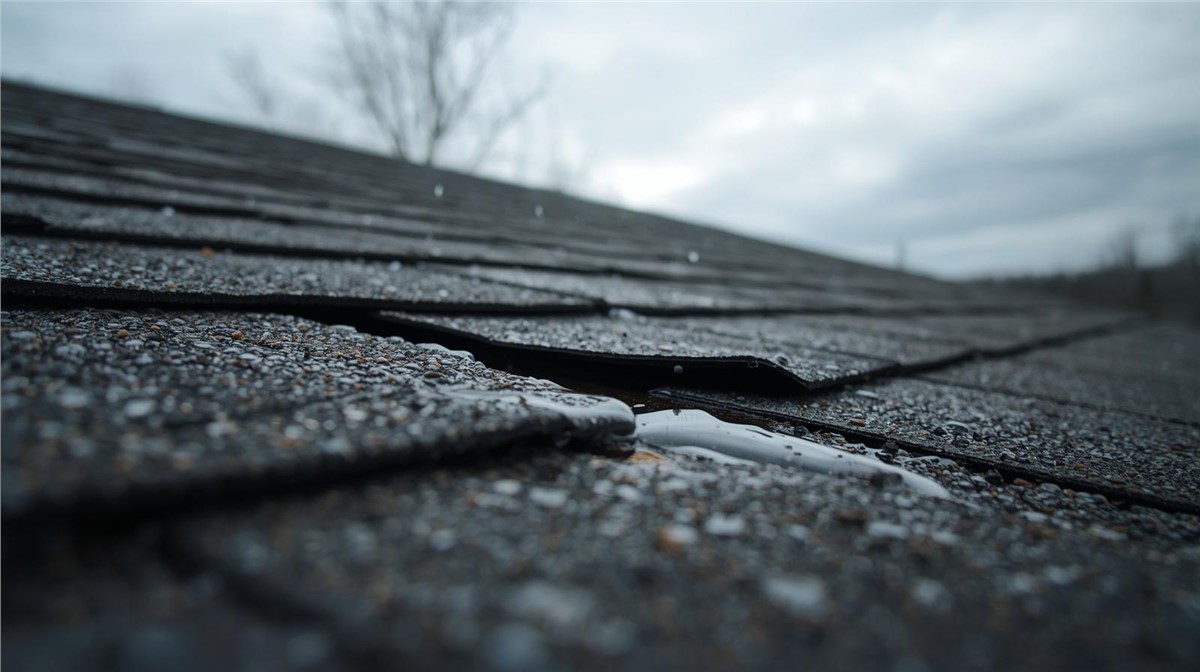
Hail damage isn’t always obvious right away. In many cases, the roof may look normal until leaks develop months later.
Common signs of hail damage include:
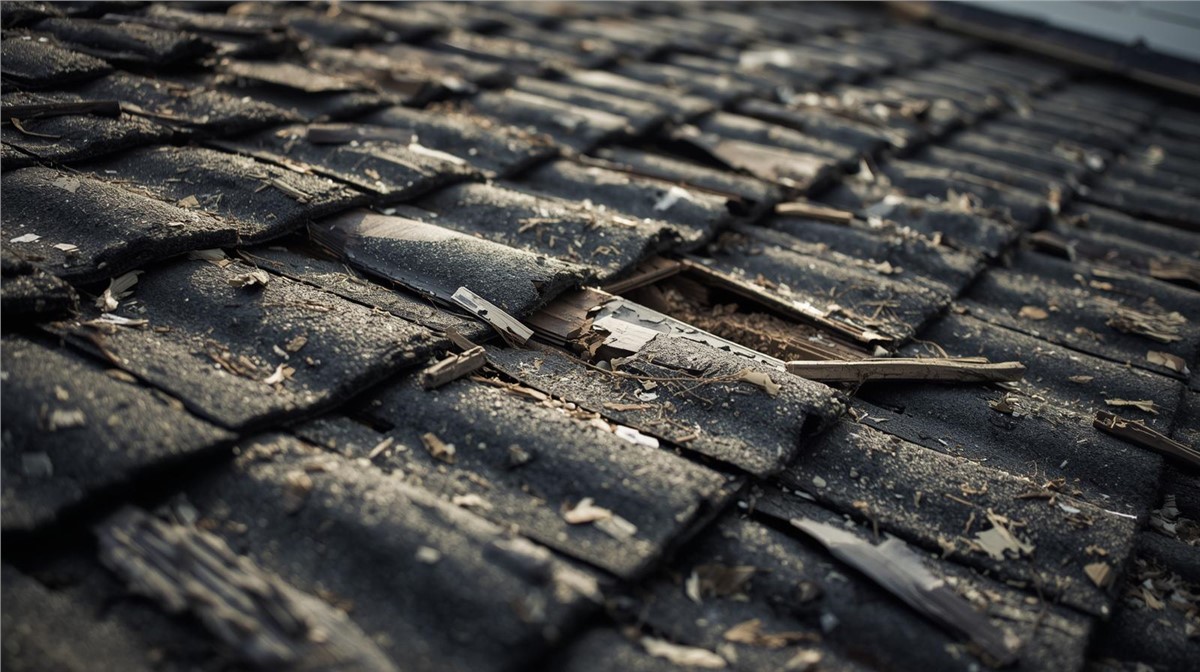
Bruised or dented shingles
Granule loss on asphalt shingles
Soft spots when shingles are pressed
Dents in gutters, flashing, or vents
Cracked or broken shingles
Shingle edges lifting after storms
You may also notice debris from shingles accumulating in gutters or downspouts.
Because these signs can be subtle, professional inspections are often necessary after major storms.
Why You Should Schedule a Roof Inspection After Hail
Even if your roof appears undamaged, a post-storm inspection is highly recommended.
Hidden hail damage can lead to:
Premature roof aging
Water leaks months later
Mold growth in attic insulation
Structural wood damage
Professional roofing inspections typically include:
Checking shingles for bruising or fractures
Examining flashing around chimneys and vents
Inspecting gutters and roof penetrations
Evaluating attic ventilation and decking
Early detection allows homeowners to repair damage before it leads to more expensive problems.
How the Roof Insurance Claim Process Works
Many hail-damaged roofs in Northern Illinois qualify for homeowners insurance coverage. However, the claim process can feel confusing if you’ve never filed one before.
Here’s how it typically works.
Step 1: Schedule a Professional Roof Inspection
A roofing contractor performs a storm damage inspection and documents any hail impacts with photos and notes.
Step 2: File an Insurance Claim
Homeowners contact their insurance company and report potential storm damage.
Step 3: Insurance Adjuster Inspection
The insurance company sends an adjuster to inspect the roof and confirm damage.
Step 4: Claim Approval
If the damage qualifies, the insurance company approves coverage for repairs or roof replacement.
Step 5: Roofing Repairs Begin
Once approved, a roofing contractor completes repairs or installs a new roofing system.
Experienced contractors often assist homeowners by meeting with adjusters and providing detailed documentation.
When Hail Damage Requires Roof Replacement
Not all hail damage leads to full roof replacement. However, significant impacts may require replacing large sections or the entire roof.
Replacement may be recommended if:
Shingles are cracked or fractured
Protective granules are severely damaged
Multiple slopes of the roof are impacted
The roof is already near the end of its lifespan
A professional inspection helps determine whether repairs or replacement is the best solution.
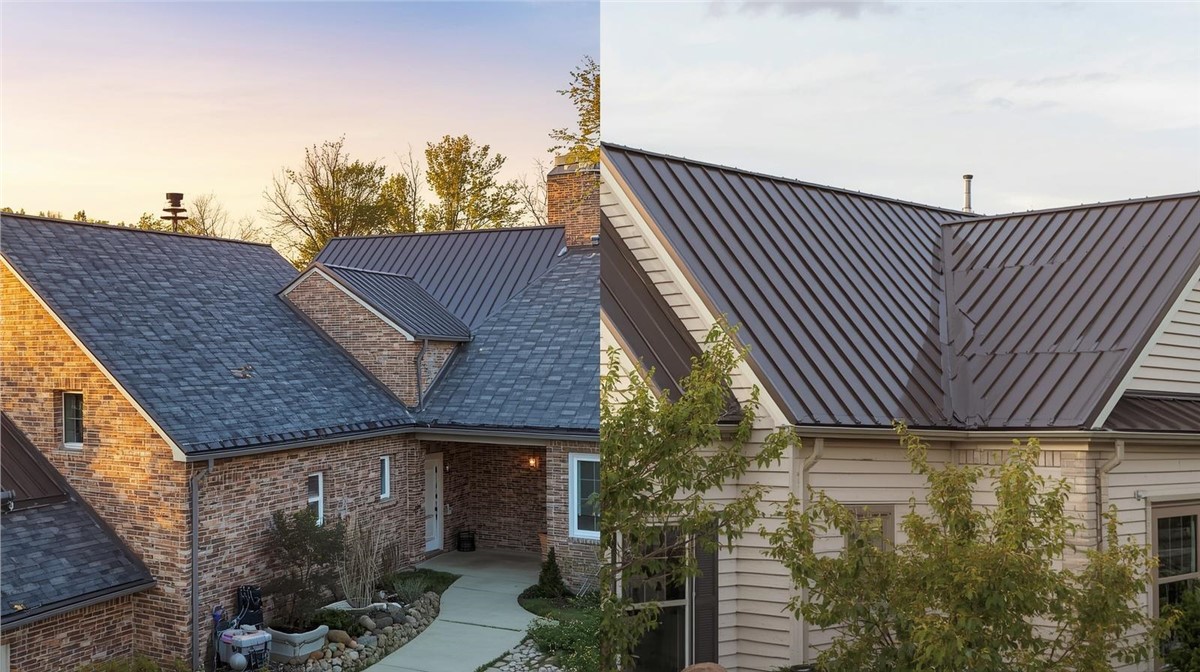
Roofing Materials That Resist Hail Damage
After a hailstorm, many homeowners choose to upgrade their roofing materials to improve durability.
Popular hail-resistant roofing options include:
Impact-Resistant Asphalt Shingles
These shingles are designed with reinforced materials to withstand hail impacts.
Benefits include:
Class 4 impact ratings
Increased lifespan
Potential insurance discounts
Architectural Shingles
Thicker asphalt shingles that provide stronger protection than traditional 3-tab shingles.
Metal Roofing
Metal roofs are highly durable and can shed hail impacts more effectively than standard shingles.
Each option provides additional protection against future Midwest storms.
How Midwest Weather Impacts Roof Longevity
Roofs in Northern Illinois face challenging environmental conditions year-round.
Weather-related stress factors include:
Freeze-thaw cycles during winter
Heavy snow accumulation
Ice dams forming along roof edges
High winds during thunderstorms
Intense summer heat
These conditions can weaken roofing materials over time, which is why storm inspections are essential after severe weather events.
Preventing Future Storm Damage
While hailstorms cannot be prevented, homeowners can reduce the risk of major roofing damage with proactive maintenance.
Preventative steps include:
Annual professional roof inspections
Clearing gutters and drainage systems
Replacing aging shingles
Ensuring proper attic ventilation
Addressing minor damage before storms worsen it
Routine maintenance helps roofs withstand severe Midwest weather.
Why Local Roofing Experience Matters
Hiring a contractor familiar with Northern Illinois weather patterns provides significant advantages.
Local roofing professionals understand:
Regional storm patterns
Insurance claim procedures
Local building codes
Roofing materials best suited for Midwest climates
Companies serving Northern Illinois and Southern Wisconsin also respond faster after severe storms impact local communities.
FAQs About Hail Damage Roof Repair
Can hail really damage asphalt shingles?
Yes. Even small hailstones can bruise shingles and weaken the protective granule layer, leading to future leaks.
How soon should I inspect my roof after a hailstorm?
Ideally within a few days of the storm. Early inspections help identify damage before leaks develop.
Does homeowners insurance cover hail damage?
Most policies cover hail damage, but coverage depends on the policy and the condition of the roof before the storm.
How long do I have to file a hail damage claim?
Many insurance policies allow between 6 months and 1 year to file a claim, but it’s best to report damage as soon as possible.
Should I call a roofer or my insurance company first?
Most homeowners begin by scheduling a professional roof inspection so they know whether damage exists before filing a claim.
Schedule a Hail Damage Roof Inspection
Hail damage can weaken your roof long before leaks appear. If your home experienced a recent storm, a professional inspection can identify hidden damage and help you determine the next steps.
Huskie Exteriors provides hail damage inspections and roofing repairs throughout Northern Illinois and Southern Wisconsin.
Our experienced team helps homeowners:
Identify storm damage
Navigate the insurance claim process
Restore roofs with durable materials designed for Midwest weather
Contact Huskie Exteriors today to schedule a free hail damage roof inspection.
Subscribe to Huskie Exteriors's Blog






Comments