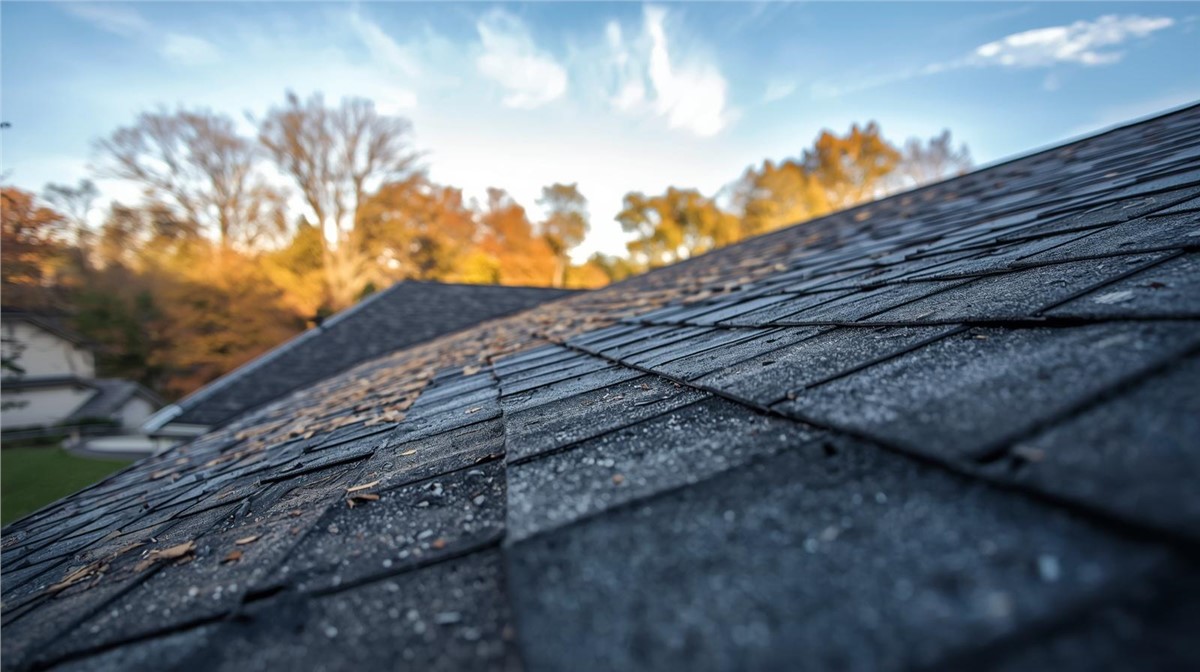
You've noticed the signs—a few stray shingles in the yard after a storm or that small water spot on the ceiling you’ve been trying to ignore. You know a roof replacement is coming, but in Illinois, choosing the wrong season can lead to a failed installation and thousands in wasted money. Timing your project right, however, ensures your home gets a durable, long-lasting shield against the elements for decades to come.
So, what’s the sweet spot? Most roofing professionals agree that early fall is the prime season. The benefits of fall roof installation come down to a few critical factors:
Ideal Temperatures: Mild days are not only safer for the crew but also essential for the materials.
Optimal Shingle Sealing: Asphalt shingles have adhesive sealant strips that need warmth to cure. Think of it like a very strong tape that requires the sun’s heat to get sticky and create a permanent, watertight bond. The ideal temperature for shingle installation is consistently above 40°F.
Fewer Weather Delays: Fall’s generally stable weather means less risk of a surprise thunderstorm leaving your home exposed mid-project.
Imagine your new roof is finished in mid-October. It then gets several weeks of mild, sunny afternoons to cure perfectly into a single, seamless membrane just before the cold and snow arrive. This gives you peace of mind all winter. Because this is the most popular time, the best contractors get booked months in advance. To secure a spot, industry data suggests scheduling a new roof installation by starting your contractor search in mid-to-late summer (July or August).
Spring Roofing in Illinois: A Good Option with One Big "If"
After a long Illinois winter, the warmer days of spring feel like the perfect time to tackle big outdoor projects. While the mild temperatures are certainly better for installation than the freezing cold, spring's notoriously unpredictable weather presents a significant gamble. One of the biggest pros and cons of a spring roof replacement is that same volatile weather; you might get a perfect week, or you might get stalled by constant, frustrating rain delays.
The real risk, however, goes beyond just waiting for a clear day. During a replacement, your old roof is torn off, leaving the wooden structure underneath—known as the roof decking—completely exposed. If a sudden thunderstorm rolls in during this critical phase, that wood can get soaked. This trapped moisture can lead to rot and mold inside your home's structure, creating a serious problem that undermines the very investment you’re making in a new roof.
Because of this risk, it’s crucial to ask any potential contractor about their specific emergency plan for dealing with sudden bad weather. You’ll also want to consider the threat of hail, a common feature of Illinois spring, which can damage brand-new shingles before the job is even finished. These weather considerations are why many homeowners wait for summer, but as we’ll see, the extreme heat brings its own challenges.
The Risks of a Summer Roof Replacement in Extreme Illinois Heat
Summer seems like a good bet with its sunny days, but intense Illinois heat creates its own problems. On a 95°F day, a shingle's surface can soar above 150°F, making it soft and pliable. When walked on during installation, boots can scuff the surface and grind away the protective granules. These granules are like sunscreen for your roof, shielding it from damaging UV rays. Losing them shortens your roof's lifespan and compromises your entire investment before it even has a chance to protect your home.
That extreme heat also poses a serious safety risk to the crew. Working on a hot roof is grueling and can lead to exhaustion-fueled mistakes. A tired worker might rush critical steps like nailing or sealing, creating weak spots that could fail years later. To avoid heatstroke, crews often have to end their day early, stretching a two-day project into a week and leaving your home exposed to potential pop-up thunderstorms for longer than necessary.
Finally, there's the classic Illinois humidity. A sticky, humid day can trap a layer of moisture on the roof deck right before new shingles are laid, preventing their adhesive strips from creating a perfect, watertight seal. Given the gambles of both spring rain and summer heat, the importance of timing is clearly critical. But what if you have an emergency leak in January? Can you even replace a roof in an Illinois winter?
Can You Replace a Roof in an Illinois Winter? The Last Resort Option
When a leak appears in January, waiting until fall simply isn’t an option. So, can you replace a roof in an Illinois winter? While technically possible, it’s a high-risk job that should only be done in an absolute emergency. The primary danger is material brittleness. In temperatures below 40°F, asphalt shingles become stiff and fragile, much like a plastic toy left out in the cold. Nailing through these brittle shingles can cause them to fracture, creating tiny, unseen cracks that invite future leaks and can even void your manufacturer's warranty.
Beyond the risk of cracking, the shingles’ built-in sealant won't work. The black tar strip on each shingle needs the sun’s warmth to melt and create a permanent, watertight bond. In the winter, that process fails completely. To compensate, crews must manually apply dabs of roofing cement to every single shingle by hand. This painstaking process adds significant time and labor costs to the project, leaving your home exposed for longer during unpredictable weather.
This reality often negates any potential savings from "off-season roofing discounts" in Illinois. The extra labor for manual sealing can quickly erase any discount offered, and that’s before considering the immense financial risk of a premature roof failure. The job must be done perfectly to stand a chance, leaving zero room for error. But sometimes, an emergency roof replacement in bad weather is your only choice, which means you need to know exactly how to protect yourself.
What If You Can't Wait? A Checklist for Off-Season Roof Replacement
An emergency roof replacement in bad weather shifts your priority from finding the best time to finding the best expert. While roofing contractor availability by season might be higher during slower winter months, not every crew has the specialized skill for a high-stakes, off-season job. Your goal is to find a contractor who doesn't just say they can work in the cold, but can prove they know how to do it right.
When interviewing potential roofers, you need to get specific. Go beyond asking if they work in the winter; ask how they manage the risks. Ask them to describe their exact process for manually sealing every shingle when it’s too cold for the factory adhesive to bond. A true professional will have immediate, confident answers because they understand the stakes and have a system in place. An evasive answer is a major red flag.
Above all, once you're satisfied with their plan, get every single one of those special procedures documented in your written contract. A verbal promise to hand-seal or use special handling techniques means nothing if it isn't in writing. This contract is your ultimate protection against a failed installation and a voided warranty. Getting the paperwork right is a crucial part of how to prepare your home for a new roof, but planning your project for the right season from the start is an even better strategy.
Your Illinois Roof Replacement Timeline: When to Plan for a Perfect Project
The single most important factor for success is ensuring your new shingles have time and mild warmth to properly seal before winter’s cold arrives. This knowledge moves you from worrying about your roof to confidently planning for its long-term success.
To put this into action, start planning in the summer. Begin calling contractors in July or early August for quotes. Finalizing your choice by late August helps secure a spot on their schedule during the ideal September-October window, the best time of year for roof replacement in Illinois.
You are no longer just reacting to a roof problem; you are proactively making a smart investment in your home’s safety. By planning ahead, you ensure the job is done right, giving you peace of mind that will last for decades—and that is the real payoff.
Subscribe to Huskie Exteriors's Blog





Comments