
Now that the last of the Rockford snow has finally melted, it’s time to see what winter left behind. A long season of ice dams, heavy snow, and freezing winds can be tough on a house, often in ways you can’t immediately see. That tiny crack in your walkway or loose piece of siding isn't just an eyesore; it's a quiet warning sign of the stress your home has been under.
What if you could prevent a costly summer repair bill in just thirty minutes? According to home maintenance experts, a simple walk-around is the single most effective task for spring home care. This quick inspection helps you spot over 90% of common issues—like water damage and foundation stress—before they become major headaches. It’s the easiest way to get ahead of problems.
This top-to-bottom Spring Exterior Maintenance Checklist for Rockford, IL will guide you through the four key zones of your home, ensuring you don’t miss a thing and can enjoy a worry-free season ahead.
Start at the Top: What to Look for on Your Roof and Gutters After a Rockford Winter
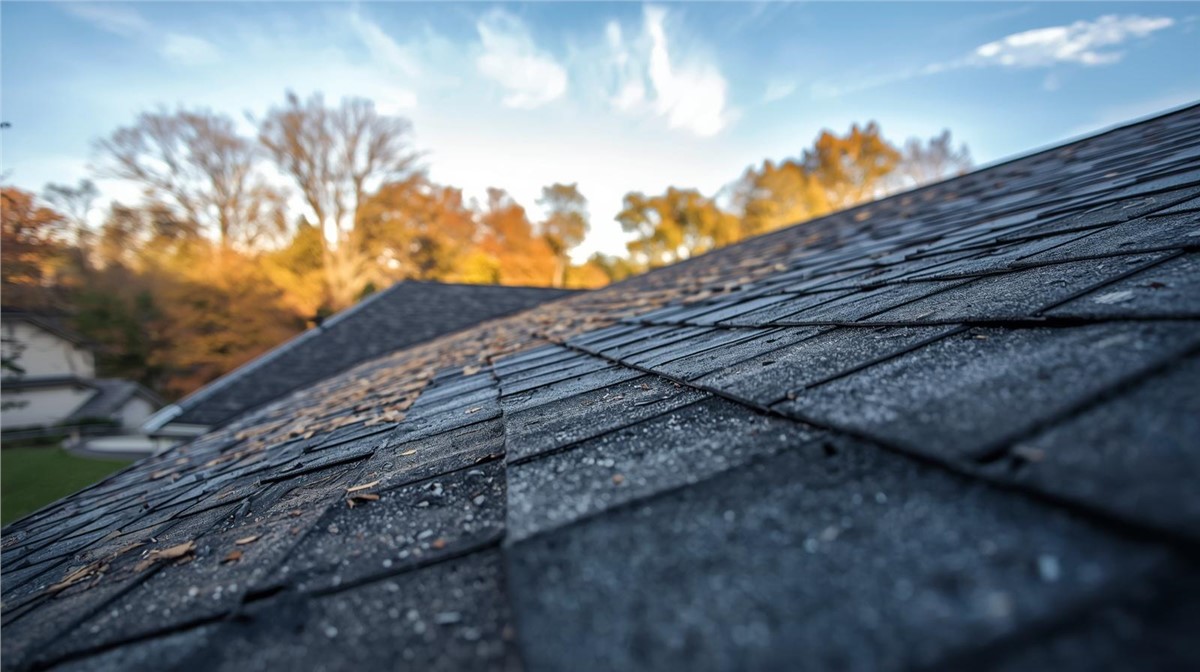
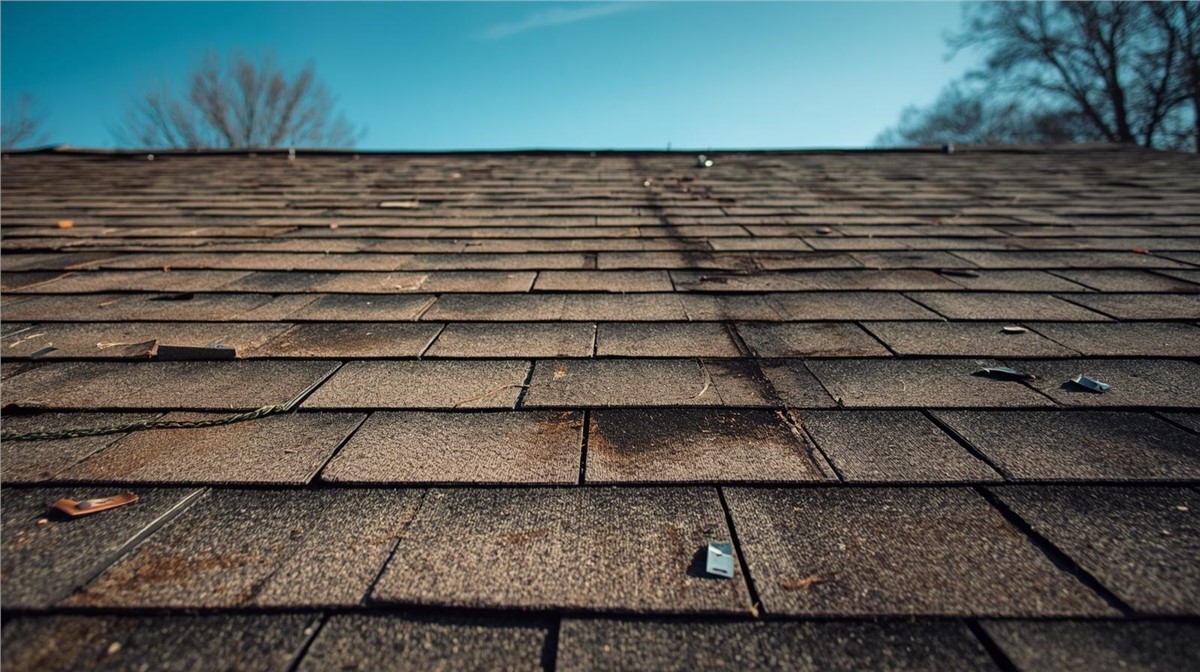
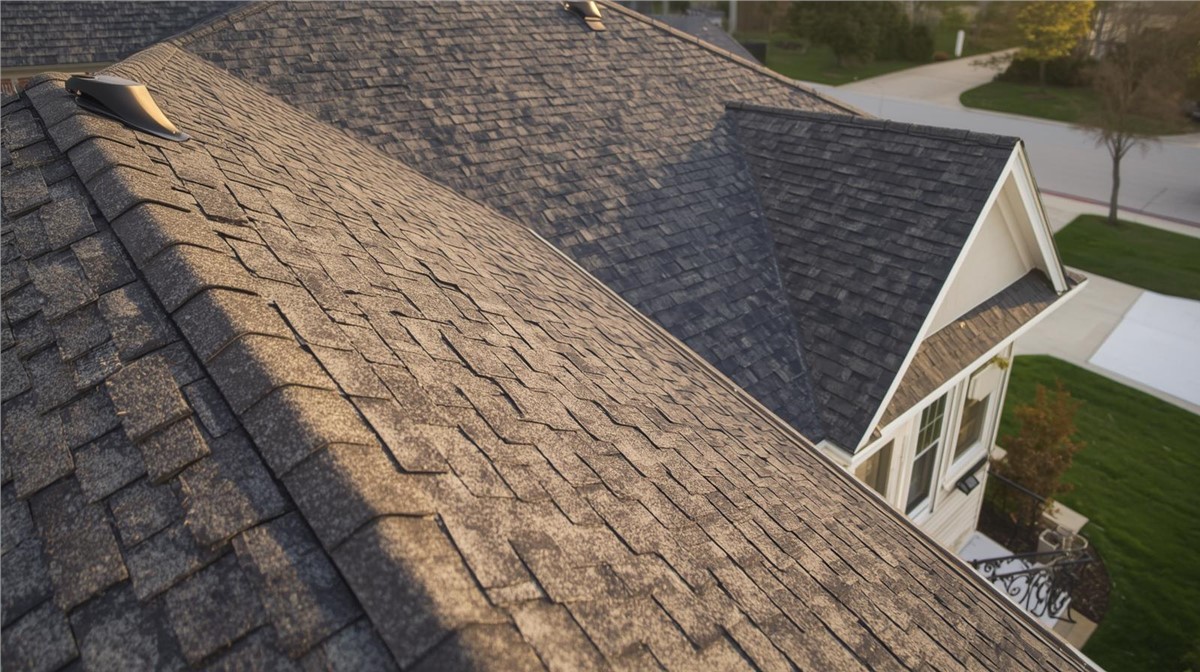
Your home’s first line of defense against a harsh Rockford winter is its roof, so a quick spring roof inspection is the perfect place to start. You don't need to climb a ladder to do it, either. From the safety of your yard, use a pair of binoculars to scan for any shingles that look cracked, curled at the edges, or are missing altogether. These are weak spots where ice dams and heavy snow could have caused damage, leaving your home vulnerable to leaks during spring showers.
While you're looking, pay close attention to your gutters and the ground beneath your downspouts. If you see piles of what looks like black sand, you're seeing shingle granules. Think of these granules as the protective "sunscreen" for your asphalt shingles. A heavy snow melt can wash some loose ones away, but finding a large amount means your roof's protective layer is wearing thin—a key sign that it's aging and losing its ability to shield your home.
Next, check the gutters themselves. After seasons of falling leaves and now those loose granules, they’re likely clogged. This is more than just a minor issue; it’s a direct pipeline to one of a homeowner’s biggest headaches. When water can’t flow freely, it spills over the sides and runs down your walls, pooling directly against your foundation. This is a leading cause of wet basements in our area, making the simple act of cleaning your gutters crucial for preventing basement leaks.
For many homeowners, clearing out gutters is a manageable DIY job with a sturdy ladder and a pair of gloves. However, if your roof is particularly high or steep, calling a local professional for gutter cleaning is always the safest bet. Once that water is flowing freely again, you can move down to check the areas it might have affected.
Check Your Home’s Armor: Finding Winter Damage on Siding, Windows, and Doors
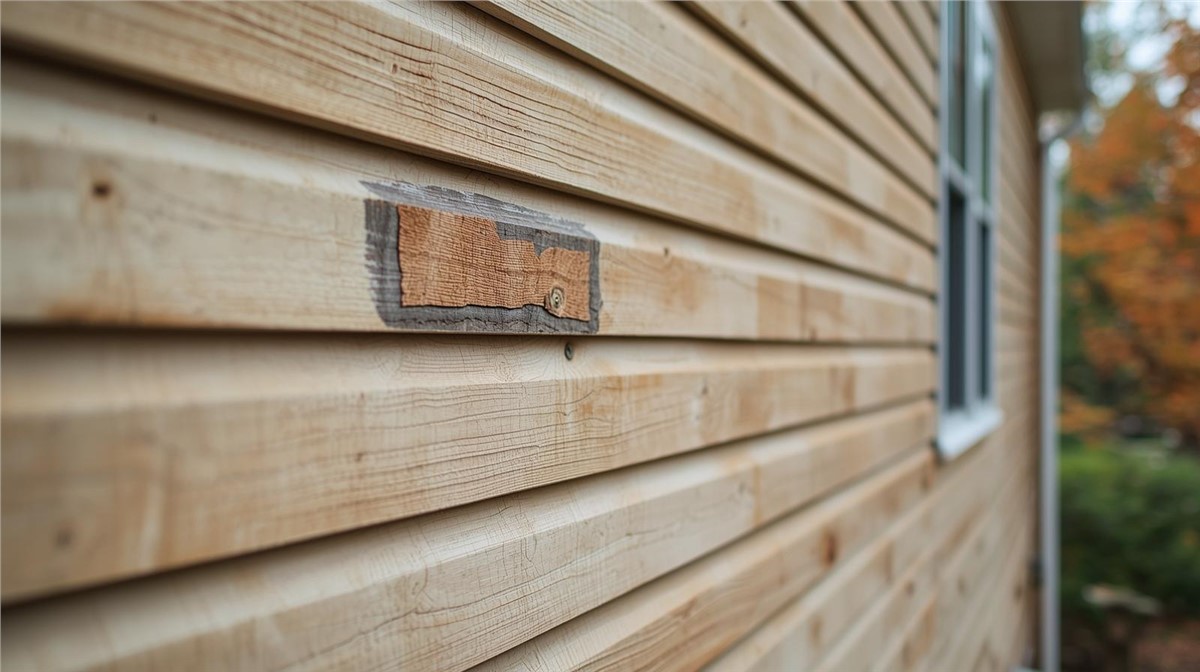
With your gutters clear, your next stop is the home's siding. The constant freezing and thawing we see in Rockford can cause siding panels to expand and contract, sometimes creating subtle damage. As you walk around your house, look for any obvious cracks or chips, but also keep an eye out for what are called "popped nails." On vinyl siding, this looks like a nail head pushing a small bubble out from the surface. It’s a telltale sign of movement and a perfect entry point for wind-driven spring rain.
Beyond cracks, pay close attention to the condition of your home’s paint. It’s easy to dismiss peeling paint as a cosmetic issue, but it’s actually your home’s most important protective barrier. Think of it as a rain jacket; where the paint is bubbling or flaking away, that jacket has a hole. This exposes the wood or siding material underneath to moisture, creating a risk for rot that is far more expensive to fix than a simple paint touch-up.
The seals around your windows and doors also take a beating over winter, often creating small gaps that let your heated or cooled air escape. To find these costly leaks, you can perform a simple "incense test." On a calm day, close your windows, turn off any fans or furnaces, and light a stick of incense. Carefully hold it near the frame of a window or door; if you see the smoke trail waver or get sucked outward, you’ve found a draft that needs to be sealed.
Fixing these weak spots in your home’s "armor"—the siding, paint, and window seals—is crucial for stopping water damage before it starts. Any moisture that does get by, plus all the water from the snowmelt, is headed one place: down. That makes the ground level our next stop to check on your foundation.
The Ground-Level Check: How to Spot Foundation Cracks and Driveway Damage
All that melting snow and spring rain has to go somewhere, and it all ends up at ground level. This makes early spring the perfect time to walk the perimeter of your house and inspect your foundation. You’ll likely spot a few thin cracks in the concrete—that’s normal. The important question is knowing which ones are harmless and which ones are warning signs of a bigger issue that could lead to basement leaks.
A simple way to gauge a crack’s severity is with the "credit card test." If a crack is thinner than the edge of your credit card, it’s usually just a surface-level hairline crack from concrete curing. But if you can slide that card into the gap, it’s time to pay closer attention.
Hairline Crack (thinner than 1/8 inch): These are common and generally not a concern. Keep an eye on it to make sure it isn’t growing.
Structural Crack (wider than a credit card): A crack that is widening, is uneven from side-to-side, or runs horizontally could signal a problem. This is a job for a foundation specialist.
Don’t forget to look at your driveway and walkways, too. The freeze-thaw cycle we get every Rockford winter can cause "frost heave," where frozen ground pushes concrete slabs up, creating uneven surfaces and serious trip hazards. On an asphalt driveway, look for "alligator cracking"—a web of interconnected cracks that means water has gotten underneath the surface. Taking care of sealing asphalt driveway cracks now prevents them from turning into giant potholes. A little sealant is far cheaper than repaving, making it one of the smartest ways to prepare your house exterior for spring.
Getting Your Yard Ready: Decks, Faucets, and Proper Grading
After a long winter, nothing feels better than thinking about summer barbecues on the deck. Before you start planning the menu, make sure your deck is ready. A quick trick from any good spring deck and patio maintenance guide is to splash some water on the wood. If it beads up like on a freshly waxed car, your sealant is doing its job. If the water soaks in and darkens the wood, it’s a sign that the surface is exposed. It’s time to re-seal to prevent rot and splinters before the humid summer arrives.
Another spring ritual is turning on the outdoor water, but doing it wrong can lead to a real headache. A hidden pipe crack from the winter freeze can cause a flood inside your walls or basement if you just crank the handle. When preparing outdoor faucets for spring, always turn on the interior shut-off valve first. Then, go outside and open the spigot slowly, listening and looking for any signs of leaks before you connect the garden hose. This simple sequence can save you from a major water damage repair bill.
Speaking of water, pay attention to where it goes after a spring shower. The ground around your house should act like a gentle ramp, sloping away from your foundation for about five to ten feet. This is called "positive grading." If the ground slopes inward, however, it funnels every drop of rain directly against your foundation, a leading cause of wet basements. Ensuring proper slope is a fundamental part of any guide to spring lawn care in northern Illinois because it protects both your basement and your lawn from getting soggy.
Managing water—whether on your deck, from your pipes, or across your yard—is one of the most important themes of spring maintenance. These simple checks help you spot where your home is vulnerable after a tough Rockford winter. But while some fixes are straightforward, others are best left to an expert.
Your Spring Toolkit: Knowing When to DIY and When to Call a Rockford Pro
Tackling a spring maintenance checklist can feel empowering, but the most important tool you have is good judgment. The golden rule is simple: your safety is always worth more than saving a few dollars. Any job that puts you on a high ladder or has you dealing with your home's core structure or electrical systems is a clear signal that it's time to call in a professional with the right training and equipment.
The decision for DIY vs professional gutter cleaning Rockford often comes down to height and safety. Likewise, while you can rent equipment, hiring professional power washing services Rockford Illinois is often safer and more effective.
DIY vs. Call a Pro
When you do need to hire help, a little homework goes a long way. Always try to get at least two or three quotes from local contractors to compare. Most importantly, before any work begins, ask for proof that they are insured. This simple step protects you and your home if an accident happens on your property, giving you true peace of mind.
Your Action Plan for a Worry-Free Rockford Spring and Summer
You now know how to read the small clues a Rockford winter leaves behind. By spotting these subtle signs of wear, you can protect your home from bigger problems—a powerful new skill for any homeowner.
Just remember the simple path: start at the top with your roof and gutters, work down the walls and windows, check the foundation, and finish with the yard. A few minutes of proactive spring home care now truly saves you from major headaches and expenses later, improving home curb appeal in the process.
So grab your coffee this Saturday morning and take that 30-minute walk around your property. You’re not just ticking boxes; you’re earning peace of mind for the seasons ahead. Get ready to enjoy a beautiful, worry-free Illinois summer.
Subscribe to Huskie Exteriors's Blog





Comments