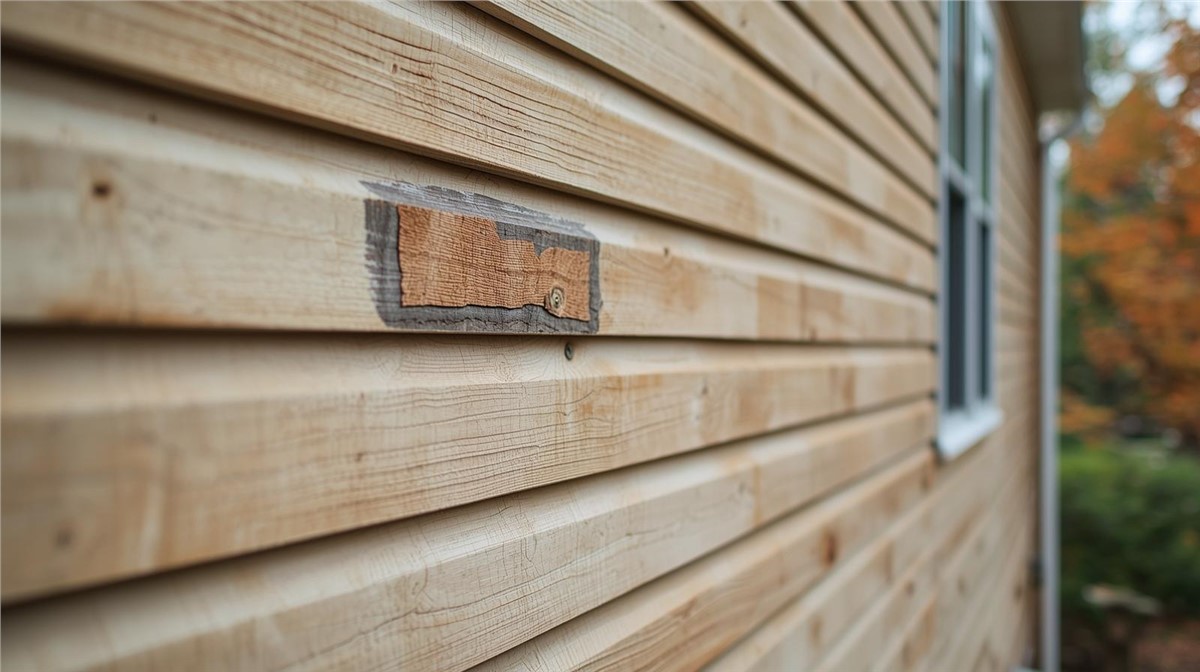
You saw it from the driveway—that one cracked siding panel that’s been nagging at you since last winter. Your first thought was likely, "How much is this going to cost?" For Wisconsin homeowners, the answer can mean the difference between a simple fix and a daunting project. In our state, siding is more than curb appeal; it’s your home’s armor against punishing weather.
The real question is whether a quick patch will suffice or if it’s just a temporary fix for a bigger, underlying problem. This guide provides a clear framework to help you assess the damage yourself, understand the warning signs, and decide whether a repair or a full replacement is the smarter long-term investment for your home.
When a Simple Siding Repair is Your Smartest Move
Not every siding issue calls for a total overhaul. If the damage is limited to just one or two specific spots, a targeted repair is often the most cost-effective solution. These isolated fixes protect your home from moisture while restoring its curb appeal quickly and affordably.
Your Repair Checklist
To determine if your home is a candidate for a simple fix, walk the property and look for these signs:
One or two cracked panels: A clean split from a stray baseball or an accidental bump with the lawnmower.
A few small holes: Damage from a rock or small hail, generally no bigger than a quarter.
A single loose panel: One piece is flapping in the wind but isn't torn or broken.
Minor cosmetic fading: Discoloration that’s only noticeable in one small area.
For these types of issues, repair is the clear winner. A contractor can often perform a patch or replace a single panel. The average siding repair cost in Wisconsin for a job like this typically falls between $350 and $800, depending on the material and accessibility.
4 Red Flags That Signal a Full Siding Replacement is Needed
Sometimes patching one spot is like putting a band-aid on a broken arm; the real issue is that the entire system is failing. The debate over siding repair vs. replacement shifts dramatically when you see signs of widespread problems that indicate your siding has reached the end of its useful life.
Look for these four critical warning signs:
Widespread Cracking or Brittleness: If you tap on your siding and it sounds hollow or feels brittle, it's a sign of old age. After years under the Wisconsin sun and through countless freeze-thaw cycles, materials lose their flexibility, and new cracks will keep appearing.
Over 30-40% of Siding is Damaged: Stand back at your curb and take an honest look. If a large portion of your home’s exterior is showing damage, you’ve passed the point of simple repairs.
Warping, Bubbling, or Buckling Panels: These issues often signal a deeper problem—usually that moisture has gotten trapped behind the panels. Simply replacing the warped piece doesn’t fix the underlying cause.
You Can't Find Matching Siding: Siding colors and styles are discontinued over time. If you can’t get a perfect match, your home will look like a patchwork quilt, hurting its curb appeal and value.
The Hidden Danger: What to Look for Under Your Siding
When cracks or gaps allow moisture to sneak past your siding, the real trouble begins. Water trapped behind siding can lead to wood rot, mold, and mildew, creating a problem far more expensive to fix than the siding itself. What starts as a cosmetic issue can quickly compromise the structural integrity of your walls.
Beneath the siding, your home has two critical layers: the sheathing (wooden frame) and the house wrap. The house wrap acts as a rain jacket, and the siding is the durable coat worn over it. If the coat is torn and the rain jacket is damaged, water will soak directly into the sheathing, threatening the very frame of your house.
Signs of water damage under siding are often subtle. Gently press on the siding around damaged areas—if it feels soft or spongy, you likely have wet, rotting wood underneath. During a Wisconsin winter, this trapped water freezes and expands, breaking wood fibers apart from the inside out. This is why proper siding maintenance is not just about looks, but about preventing catastrophic damage.
Siding Costs in Wisconsin: A Realistic Budgeting Guide
Ultimately, the decision often comes down to the numbers. While a simple repair is a minor expense, a full replacement is a major home investment. The total cost to replace siding in Wisconsin depends on four key factors:
Your Home's Size: Contractors price projects by the square footage of your exterior walls.
Siding Material: This is the biggest cost driver. Standard vinyl is budget-friendly, while durable fiber cement is a premium option.
Labor Rates: Costs can vary between metro areas like Milwaukee and more rural parts of the state.
Hidden Damage: Repairing rotted sheathing found after the old siding is removed will add to the project cost.
For context, replacing the siding on an average-sized Wisconsin home with standard vinyl might range from $14,000 to $24,000. Upgrading to a more durable option like fiber cement often brings the cost to between $22,000 and $38,000+. To ensure a fair price, always ask for an itemized quote that breaks down costs for materials, labor, tear-off, disposal, and potential rot repair.
Choosing Siding for Wisconsin Weather: An Investment in Durability
In a state with dramatic temperature swings, your choice of siding makes all the difference. The best siding for Wisconsin weather is built to last, saving you from future repairs. While standard vinyl is affordable, it can become brittle and crack in a deep freeze. For superior durability, many homeowners upgrade to materials built for cold climates.
Fiber cement, a tough mix of sand and cement, resists warping during our freeze-thaw cycles. Engineered wood, like LP SmartSide, is another popular alternative that blends strength with classic looks, as it's treated to resist moisture and handle impacts far better than vinyl. Paying more upfront for a higher-performance material is an investment in peace of mind, reducing the likelihood of surprise repair bills down the road.
The Payback: ROI and Energy Savings From New Siding
See a full siding replacement as an investment, not just an expense. New siding is one of the smartest exterior upgrades for Return on Investment (ROI), with homeowners often recouping a large percentage of the project cost at resale, increasing the property's overall worth.
Beyond resale value, new siding delivers immediate savings. During installation, adding a layer of continuous insulation underneath is like wrapping your home in a warm blanket. This boosts your walls' insulating power (R-value), prevents heat from escaping, and translates directly into lower monthly heating bills.
Finally, don’t underestimate the power of curb appeal. Fresh siding dramatically transforms your home’s appearance. This blend of stunning looks, energy savings, and high resale value demonstrates the clear long-term value of new siding.
Your Next Step: How to Talk to a Siding Contractor
Your next step is to talk to a professional. To find the right partner for your siding project in Wisconsin, start by asking these key questions:
Are you licensed and insured in Wisconsin?
Can you provide references from recent, local jobs?
How do you handle unexpected damage found underneath the old siding?
What is the timeline and warranty for the work?
You are now equipped to evaluate solutions, not just collect prices. As you compare quotes, look beyond the final number. If one bid is much lower, ask why—it could be due to differences in material quality. A detailed quote is an honest one. With this knowledge, you can protect your investment and make a choice with confidence.
Subscribe to Huskie Exteriors's Blog





Comments