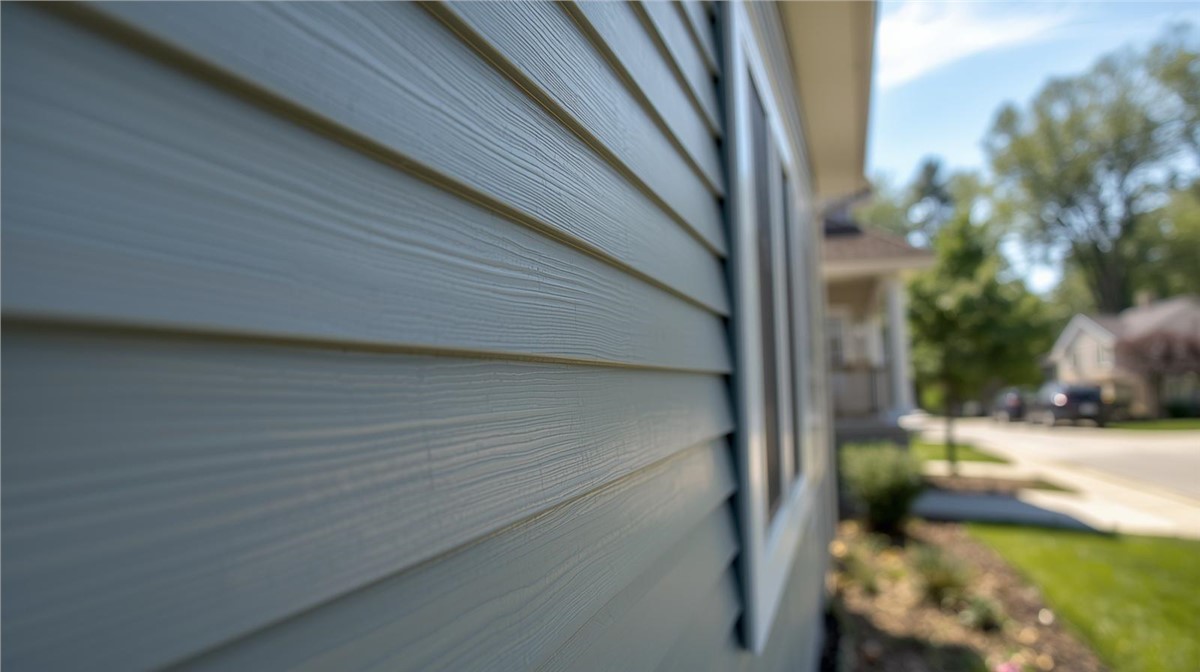
That last Wisconsin winter was a rough one. Now that the snow has finally melted, you’re walking around your house and notice something isn’t quite right with the siding. Is that crack new? Has that paint always been peeling? You're not alone in asking these questions after a long season of ice and wind.
Figuring out the difference between a small cosmetic issue and the first real signs of siding failure can feel overwhelming. A simple annual check-up is a smart habit for homeowners, and this guide provides a friendly, no-nonsense framework for that exact task. It will help you make sense of what you’re seeing and confidently assess your home’s condition.
Your 5-Minute Siding Inspection Checklist for Wisconsin Homes
You don’t need a ladder or any special tools to get a good sense of your siding’s health. A quick walk around your house is often all it takes to spot potential trouble. The next time you're outside, look for these common warning signs—they're your home’s way of asking for help.
Here’s what to keep an eye out for:
Cracks, Holes, or Gaps: Pay special attention to corners and the seams where two panels meet.
Warped or Bulging Panels: Look for siding that appears wavy, bowed, or is pulling away from the wall.
Faded or Chalky Surfaces: Run your hand across a panel. If a dusty, chalk-like powder comes off, its protective finish is gone.
Green or Black Spots: Check shady, damp areas for splotches that could be mold or mildew. Unlike dirt, this won’t just wash away with a simple hose spray.
Peeling Paint or Bubbling: For painted siding, this is a clear sign that moisture is getting trapped underneath.
If your siding looks more like a gentle wave than a flat wall, you’re likely seeing warping or buckling. This is often a major red flag that moisture has gotten trapped behind the panels, which can lead to serious issues with the wood structure of your home. That chalky residue, on the other hand, means the sun and weather have broken down the siding’s original protective surface, leaving it brittle and more susceptible to cracking in the cold.
Seeing one or two of these issues doesn't automatically mean you need a full replacement tomorrow. However, they are important clues about your siding’s overall condition.
What That Siding Damage Really Means for Your Home
Those small cracks and holes you spotted might seem minor, but they are an open invitation for water. Think of your siding as your home's armor. Even a tiny chink can be a problem, especially in Wisconsin. Water from rain or melting snow gets in, and when it freezes, it expands, pushing panels apart and making small gaps bigger. Over time, this repeated cycle of siding damage from ice and snow can turn a cosmetic issue into a significant pathway for moisture.
When you see more dramatic issues like warped or bulging panels, the problem has likely gone deeper. Underneath your siding is a special layer, like a raincoat for your home’s wooden frame, called a moisture barrier. Warped siding is often a sign that water is already trapped between these layers. This is a major red flag, because persistent moisture can lead to rot in the very structure of your house—serious water damage behind siding that you can't see from the outside.
Ultimately, siding damage isn't just about looks; it's about protection. Fungus or mildew that keeps returning is a clear sign of a constant moisture problem that needs to be addressed, not just cleaned. These visible clues are your home’s way of telling you its defenses are failing.
Is it Cheaper to Repair or Replace Siding? A Simple Guide
The answer to is it cheaper to repair or replace siding usually comes down to one simple question: is the damage isolated, or is it everywhere? If a single wind-blown branch damages one panel, a targeted repair is a perfectly good fix. But if you’re finding the same issues—like brittleness or warping—on multiple sides of your house, you’re not just fixing a spot. You’re patching a system that is failing, which means a full siding replacement is the smarter long-term solution.
Thinking about the long-term cost is also crucial. While one repair is clearly less expensive upfront, what happens when another panel fails next year? And another after that? Calling a contractor for multiple small jobs can quickly add up in labor and material costs. Eventually, you may end up spending more on these temporary fixes than you would have on a single, proper siding installation that solves the root problem for good.
Finally, consider your home’s curb appeal. Even if you can find a replacement panel, it will likely be a fresher color than the sun-faded siding surrounding it, creating a noticeable patchwork effect. A home with multiple mismatched patches can look neglected and lose value. A uniform exterior doesn't just protect your home better; it's an investment in its appearance and worth.
How Old Siding Secretly Inflates Your Wisconsin Energy Bills
That draft you feel near a window or an outlet isn’t just your imagination—it's a sign your home’s outer shell is failing. Think of your home’s walls like winter clothing: the insulation is the warm sweater, and your siding is the windbreaker. If that windbreaker is full of cracks, gaps, or has pulled away from the walls, it lets frigid air whistle right through to the sweater. This forces your furnace to work overtime just to keep up, sending your heating bills climbing.
It’s a common misconception that the insulation inside your walls does all the work. But insulation can't do its job effectively if it's constantly battling cold air that has slipped behind your siding. A complete siding replacement restores that essential "windbreaker" effect. Professionally installed new siding creates a tight, continuous barrier that stops air infiltration before it can ever reach your home's insulation, letting it perform as designed.
The result is a more comfortable home and tangible savings on your monthly energy bills. These energy efficient siding benefits not only provide immediate financial relief but also increase home value with new siding by making your property more attractive to future buyers.
The Best Siding Materials for Wisconsin's Freeze-Thaw Weather
Picking the right material for your home's "windbreaker" is about more than just color. In Wisconsin, siding has to survive a brutal cycle of deep freezes, humid summers, and punishing hail. For most homeowners, the decision comes down to three excellent modern choices: classic vinyl, ultra-durable fiber cement, or tough engineered wood. Each offers a different balance of cost, durability, and peace of mind.
For many, vinyl siding is the go-to because it’s affordable and one of the best low maintenance exterior siding options—you’ll never have to paint it. However, its primary trade-off for our climate is performance in extreme cold. During a harsh cold snap, standard vinyl can become brittle, making it more likely to crack from an impact. This is a key factor when considering vinyl siding vs fiber cement in cold climates.
If maximum durability is your goal, both fiber cement and engineered wood are fantastic heavy-duty choices. Fiber cement is a tough-as-nails composite that resists nearly everything Wisconsin can throw at it—hail, rot, pests, and even fire. Similarly, engineered wood delivers the classic, deep-grained look of real wood but is specially treated to stand up to moisture and impact far better than its natural counterpart.
Ultimately, choosing the best siding material for Wisconsin weather depends on your priorities. Vinyl offers incredible value, while fiber cement and engineered wood provide superior long-term resilience against the elements.
The Real Cost to Re-Side a House in Wisconsin (And Its Surprising ROI)
Thinking about the price tag can be daunting, but the cost to re-side a house in Wisconsin isn’t a single magic number. Instead, it depends on three main things: the size of your home, the material you choose, and the complexity of the job. A straightforward, single-story ranch will have a lower siding installation cost than a multi-story home with intricate angles and dozens of windows to work around.
However, it's crucial to see this as an investment, not just an expense. This is where the concept of Return on Investment, or ROI, comes in. Unlike many home upgrades, new siding has one of the highest ROIs of any exterior project. Year after year, remodeling reports show that homeowners can expect to recoup a significant portion—often over 80%—of their investment when they sell. It's a powerful way to increase home value with new siding.
Ultimately, that high return comes from something you’ll notice every time you pull into the driveway: incredible curb appeal. Fresh, clean siding makes a home look well-cared-for and instantly boosts its marketability. You aren't just buying protection from another Wisconsin winter; you're investing in your home’s long-term worth.
Your Next Steps: From Inspection to Installation
You’re no longer just guessing about your home’s exterior. You can now walk around your property with a trained eye, spotting the difference between a simple cosmetic issue and a real threat from Wisconsin’s weather. You understand what’s at stake and are equipped to make a smart, confident decision instead of an anxious one.
Your next step isn’t picking out colors, but finding the right partner. When learning how to choose a siding contractor, focus on local, licensed professionals with a history of quality siding installation. Ask for addresses of recent projects and confirm they’re experts on local Wisconsin building codes for siding.
This process is about more than a transaction; it’s about investing in your home’s future. You’re choosing a team to protect your family for decades, ensuring your house stays warm, dry, and secure through every season.
Subscribe to Huskie Exteriors's Blog




Comments