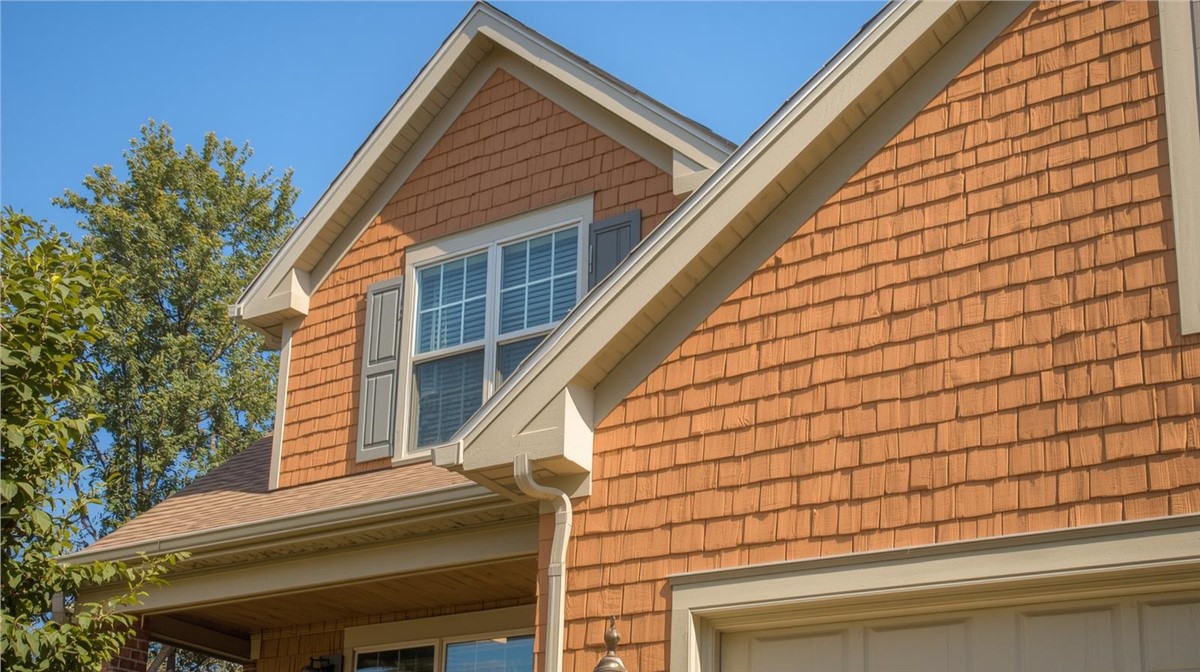
That cheap siding your neighbor installed might look fine today, but it could easily crack or warp after just one brutal Illinois winter. The secret to a lasting exterior isn’t simply finding the lowest price—it’s choosing the right material built to survive our state's punishing weather swings. This is your first step toward making a choice you won't regret.
To help you find the best siding materials for your home, let's review the three main players you'll be considering.
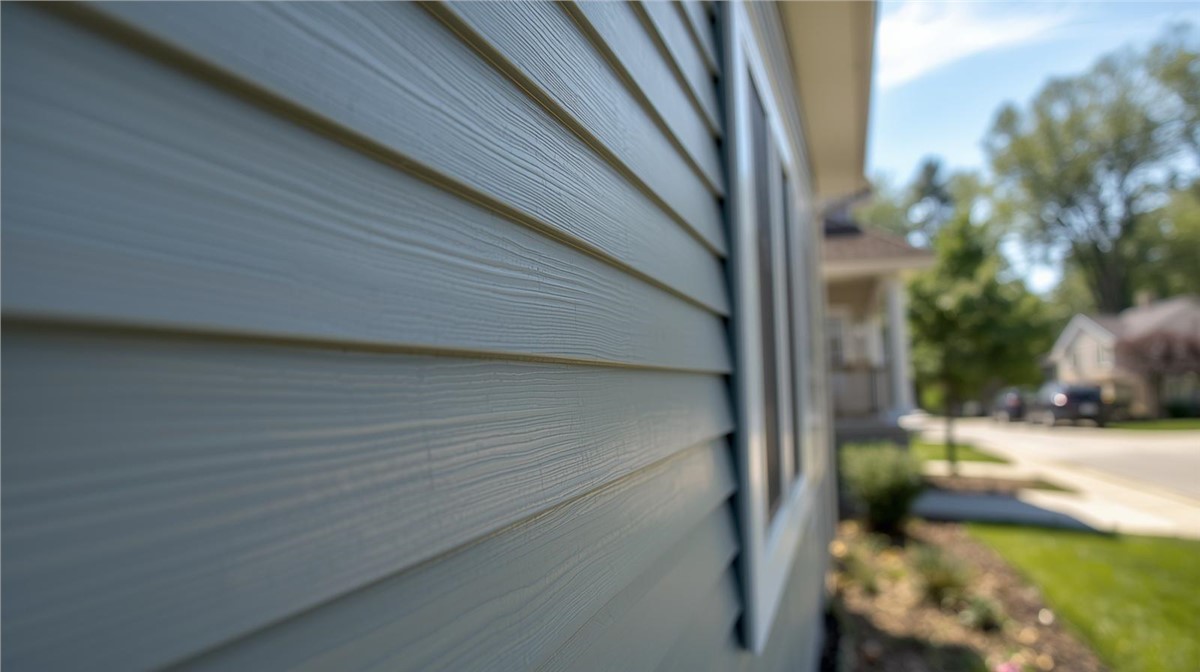
Vinyl Siding: The most popular, budget-friendly plastic siding that is low-maintenance and never needs to be painted.
Fiber Cement Siding: A super-durable composite of sand and cement that resists almost everything: hail, pests, and even fire.
Engineered Wood Siding: Offers the classic, rich look of real wood but with modern durability to fight off moisture and rot.
Most of these are also available as insulated siding, an upgrade with a foam backing that acts like a blanket for your home to help lower energy bills.
Vinyl Siding: Is the Most Popular Choice Right for Our Climate?
Walk through any Illinois neighborhood, and you’ll see plenty of vinyl siding. Its popularity comes down to one major factor: it's one of the most cost-effective options available. For homeowners wondering about how much new siding costs in Illinois, vinyl often provides the most budget-friendly path to a fresh, clean look, freeing up funds for other home improvement projects.
Beyond the attractive price, homeowners love vinyl because it frees them from the constant cycle of scraping and painting. As a true low maintenance siding, a simple cleaning with soap and water once a year is typically all that’s required to keep it looking sharp. This "set it and forget it" quality is a huge draw for anyone who would rather spend their weekends relaxing than up on a ladder.
Here’s the catch for our climate, though. When the temperature plummets into the single digits, standard vinyl can become brittle and lose its flexibility. Think of how a plastic toy feels after being left outside in the deep freeze—it can snap instead of bend. An impact from a stray hockey puck or even windblown debris in January could cause a crack that wouldn’t have been a problem in July. While thicker, insulated vinyl siding can improve durability and its R-value, this cold-weather fragility is why some homeowners look for a tougher alternative.
Fiber Cement: The 'Fortress' Option for Illinois Hail and Wind
If the thought of siding cracking from winter debris is unsettling, you’ll want to know about fiber cement. It’s an ultra-durable composite made from a simple but powerful mix of cement, sand, and wood fibers. Think of it less like a plastic shell and more like a thin, flexible sheet of rock for your house. This is the material behind brands like James Hardie siding, a popular choice across the Chicago area for homes that need to withstand whatever the forecast throws at them.
That rock-solid composition gives fiber cement siding for Illinois homes incredible impact resistance. Where a severe hailstorm might leave dents in aluminum or even crack vinyl, hail often just bounces right off fiber cement, making it a leading contender for the most durable type of house siding. As a bonus, it is also completely non-combustible—providing superior fire protection—and since it’s not wood or plastic, it offers zero appeal to pests like termites and woodpeckers, a common nuisance in more wooded areas.
All that durability does come at a higher price point. The material itself is significantly heavier than vinyl and requires a more specialized installation, which increases the upfront investment. For many homeowners, however, the trade-off is worth it for siding resistant to hail damage that will likely outlast cheaper options by decades. But what if you want that fortress-like strength while still achieving the classic, warm look of traditional wood?
Engineered Wood: Getting the Classic Look Without the Constant Headaches
For homeowners who love the timeless beauty of wood but dread the thought of constant scraping and painting, engineered wood siding presents a compelling middle ground. It’s not a solid plank cut from a tree. Instead, manufacturers press wood strands and fibers together with advanced resins and waxes under intense heat. This process creates a siding board that captures the deep, rich texture of real wood but is specifically designed to handle the challenges of a four-season climate with far less maintenance.
The real magic of this material is how it behaves during Illinois’s dramatic humidity swings. While traditional wood can swell in a sticky July and shrink in a frigid January—causing boards to warp, cup, and pull away from your home—engineered wood is far more stable. Its layered construction resists these movements, a property known as dimensional stability. This means the siding stays flat and the seams remain tight year after year, preventing unsightly gaps and preserving your home's protective barrier.
However, that advanced composition comes with one critical rule: flawless installation is non-negotiable. The tough, resin-coated surface of engineered wood is excellent at shedding rain, but the inner wood-fiber core is vulnerable if it gets wet. This is why every cut edge must be sealed and every seam must be caulked perfectly by a professional who knows the material. When installed correctly, it's a durable champion; when done poorly, it can lead to problems down the line.
Which Siding Truly Survives Illinois Storms: A Head-to-Head Comparison
When a surprise hailstorm rolls through, your siding is the first line of defense. Lighter materials like vinyl are more prone to cracking under a direct impact. In contrast, fiber cement and steel siding are significantly more resistant to hail damage, often causing hailstones to simply bounce off without a trace. This toughness is a primary reason they are considered among the most durable types of house siding for our region.
Beyond sudden storms, the relentless cycle of our winters creates another common siding problem. When water from melting snow seeps into tiny cracks or seams, it freezes and expands overnight, forcing the gap wider. This is called a freeze-thaw cycle, and over many seasons, it can pry siding panels apart, break down seals, and let damaging moisture reach your home’s structure.
Illinois's open spaces can also turn a strong breeze into a powerful force pushing against your house. This is where wind-uplift resistance comes into play. Heavier materials like fiber cement naturally resist this lifting force better than lightweight vinyl. However, proper installation is just as critical. Even the best siding for high winds and rain can fail if it isn't nailed securely according to the manufacturer's precise instructions.
Ultimately, choosing a siding that weathers these external threats provides crucial peace of mind. But protection is only half the story; the right siding also impacts your home’s internal comfort.
Can New Siding Actually Lower Your Winter Heating Bills?
The short answer is yes, new siding absolutely can help lower your heating bills. The key is to think of your home’s exterior walls, siding included, as a single system. Experts call this the building envelope—essentially the "jacket" that separates your cozy living space from the outside weather. A flimsy jacket lets cold air seep in, forcing your furnace to work overtime. A high-performance one keeps you warm and your energy costs down.
To understand how, we need to talk about R-value. You don't need to be a scientist to grasp this; R-value is just a simple score for how well a material resists heat from passing through it. Think of it like a winter coat: a thin windbreaker has a very low R-value, while a thick down parka has a high one. The higher the R-value, the better the insulation.
This is where a specific category of energy-efficient siding makes a huge difference. While standard siding offers minimal insulation on its own, insulated siding comes with a layer of rigid foam fused to the back of each panel. This creates that continuous "down parka" for your home, wrapping it in an unbroken layer of insulation. By reducing energy loss, this upgrade can make your home more comfortable year-round. While it may cost more upfront, its impact on your monthly bills is a key part of its long-term value.
The Real Cost of Siding: Breaking Down Upfront Price vs. Long-Term Value
It’s the first question on every homeowner’s mind: how much does new siding cost? While the installation quote is important, it’s only one piece of the puzzle. Focusing just on that number is like choosing a car based only on its sticker price without considering its gas mileage or repair record. A smarter way to evaluate your options is through lifetime cost. This includes the initial price, future maintenance (like painting), and its impact on your energy bills. A cheaper siding that needs constant work can quickly become the most expensive one you own over time.
This way of thinking introduces an idea called Return on Investment (ROI). Put simply, ROI tells you how much value you get back from the money you put in. Imagine a budget-friendly siding saves you $5,000 upfront but cracks easily in the cold and needs repairs after a hailstorm. Those savings can vanish quickly. In contrast, a more durable option like fiber cement or engineered wood might cost more initially, but its resilience against Illinois weather means you avoid those future repair bills, delivering a much better long-term return.
Ultimately, the return isn't just about avoiding costs; it’s about adding tangible value you can see at resale. According to Remodeling Magazine’s respected Cost vs. Value report, siding replacement delivers one of the highest returns of any home improvement project. For homeowners in our region, it’s not uncommon to recoup over 75% of the siding installation cost when selling their home. This proves that new siding isn’t just an expense—it’s a powerful investment in your property’s future.
Your Final Checklist for Choosing the Best Siding in Illinois
To make a confident decision, simply match the right material to your top priority:
Best for a Tight Budget: Vinyl Siding
Best for Storm-Proof Durability: Fiber Cement Siding
Best for a Classic Wood Look: Engineered Wood Siding
Best for Energy Savings: Insulated Siding
The final step is to get professional quotes. When you contact local experts for siding installation in Illinois, you can ask intelligent questions and evaluate their recommendations with confidence. You’re not just choosing a material—you’re investing in a protective system that will serve your home for decades.
Subscribe to Huskie Exteriors's Blog




Comments