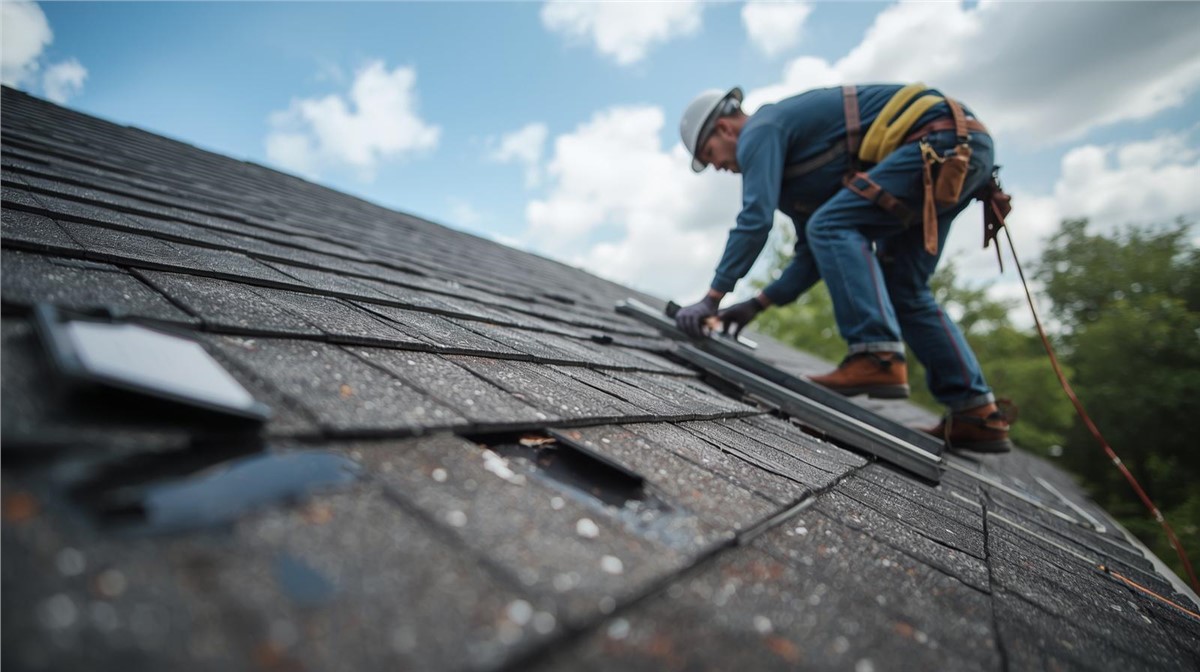
The recent storm that swept through Rockford left many homeowners wondering: "Is my roof okay?" After the wind and hail die down, it’s tempting to grab a ladder, but walking on a potentially compromised roof is a job for trained experts. The uncertainty of not knowing what to look for, coupled with the danger of a fall, can feel overwhelming.
Fortunately, you can spot most critical warning signs without ever leaving the ground. Some damage is subtle—like bruised shingles that won’t leak for months—while other issues need immediate attention. This post-storm roof assessment guide provides a clear, safe plan to identify problems from your yard and inside your home so you can take the right next steps.
Step 1: Your 5-Minute Safety-First Ground Inspection
After a big storm, you can learn a lot from a quick walk around your property—no ladder required. What you find in your yard and on the sides of your house tells the story of the stress your roof just endured. With your feet safely on the ground, look for these clear warning signs:
A Shingle on the Ground: Finding even one shingle in your yard is a major red flag. It means the wind was strong enough to break the shingle's seal and tear it away, a strong sign of wind damage that likely means others are loose.
Hail "Bruises": To identify roof hail damage, look for dark, circular spots on your shingles. It looks like a bruise on an apple where the protective, gritty granules have been knocked off, exposing the black layer beneath. You can often spot similar dents more easily on your metal gutters, downspouts, and roof vents.
Damage doesn't stop at the roofline. If you see cracks in your siding or tears in your window screens, it’s a strong signal the storm was severe enough to have also caused hidden roof damage. These clues tell you it's time for a closer look from a professional.
Why Your Gutters Tell the Real Story of Roof Damage
Your gutters do more than just channel rainwater; they collect evidence. After a storm, check where your downspouts empty. A large pile of what looks like coarse, black sand is actually shingle granules—the protective “sunscreen” for your asphalt shingles. A heavy loss of granules means the storm has stripped away your roof’s primary defense against the elements, rapidly aging it and leaving it vulnerable.
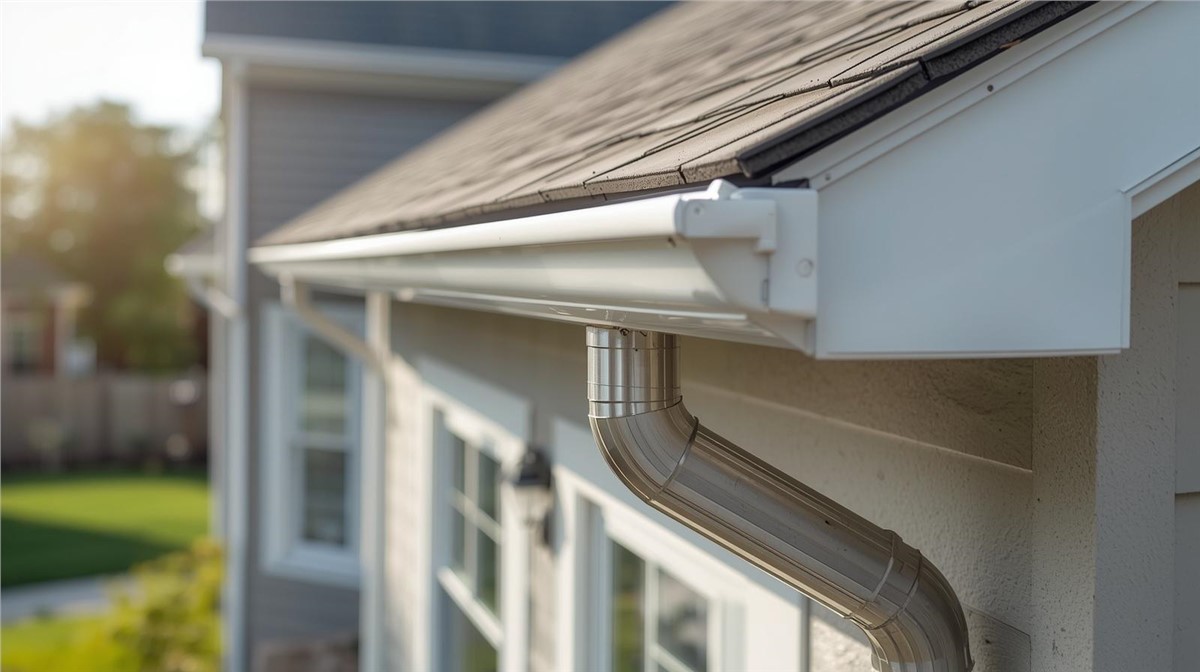
Beyond what’s inside them, the gutters themselves offer clear clues. Dents and dings on metal gutters or downspouts are undeniable proof of hail. This damage is easy to see and document, serving as powerful evidence for an insurance claim.
Finally, all this dislodged debris can create blockages. If your gutters are clogged or pulling away from the house, rainwater can back up and seep under the edge of your roof, causing hidden rot in your walls and attic.
Step 2: What to Look for Inside Your Home
The clues on your home's exterior often point to problems brewing inside. Your attic is the first interior space to show signs of hidden roof damage. If you can safely peek into your attic with a flashlight, look for wet insulation, dark water stains on the wood beams, or any slivers of daylight showing through the roof boards. Any of these is a clear signal that water has made its way past your shingles.
By the time a brownish stain appears on your living room ceiling, the leak is already well-established. Water must saturate the insulation and drywall before it becomes visible, meaning the damage you can't see is often far more extensive. A ceiling stain isn't the problem, but the final symptom of a larger issue unfolding above.
If your roof is actively leaking, place a bucket under the drip to protect your floors. Then, call a reputable professional immediately to ask about Rockford emergency roof tarping. This temporary fix is critical to prevent catastrophic interior damage while you arrange a permanent solution.
How to Document Damage for a Smooth Insurance Claim
Once you’ve spotted potential issues, your next step is to document the damage for your insurance provider. First, write down the date the storm hit Rockford. This simple act connects every problem you found to a specific, covered event.
Next, use your phone to take two kinds of photos for every issue: one from far away for context (like the entire roof slope) and a close-up to show detail (like the actual hail marks). This “context and close-up” method creates a powerful visual record that leaves no room for doubt.
Finally, pair these photos with a simple written list of every problem, from “dented gutters on the west side” to “three missing shingles on the back of the house.” While this log is an excellent start, a complete professional roof damage report is what truly ensures all damage is accounted for.
DIY vs. Professional Inspection: Why You Need a Pro
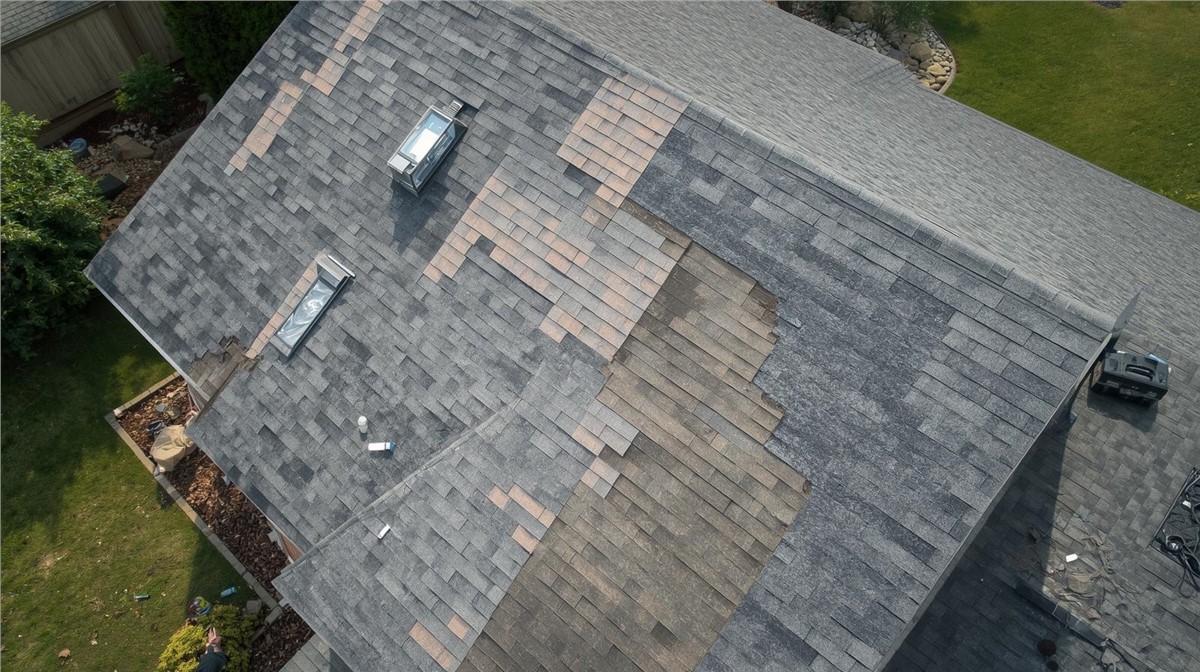
While your own photos are a great start, some of the worst storm damage is invisible from the ground. High winds often lift entire sections of shingles, breaking their watertight seals before they lay back down. To the naked eye, nothing looks wrong, but you now have a hidden entryway for water. A professional roofer is trained to spot these subtle but critical issues that a DIY inspection will miss.
Furthermore, a qualified inspection delivers a formal report with annotated photos and precise descriptions. This document acts as powerful evidence for your insurance provider, validating that the damage is recent and storm-related. This helps streamline the approval of necessary repairs.
When you call a roofer, be wary of “storm chasers”—out-of-town crews that appear right after bad weather, often using high-pressure tactics. Instead, choose local roof inspectors for storm damage. A reputable Rockford contractor has a permanent business address and a local reputation to uphold, ensuring they’re invested in protecting your home for the long term.
Your 3-Step Action Plan to Protect Your Home
You no longer have to stare at your roof with worry. You can now spot the key signs of storm damage yourself, turning uncertainty into a clear path forward. Your action plan is simple:
Assess: Complete your safe ground-level and interior check.
Document: Photograph and list everything you noted.
Call: Contact a trusted, local professional for a free roof inspection in Rockford, IL.
When you call, you can confidently explain that you've had storm damage and need a professional inspection. This report is your next step toward getting repairs covered and securing your peace of mind.
Subscribe to Huskie Exteriors's Blog






Comments