For most Freeport homeowners, the roof is 'out of sight, out of mind'—until a leak appears. Waiting for that drip can be an expensive mistake, as serious damage often happens silently. When was the last time you really looked at your roof?
Our harsh Freeport, IL winters and stormy summers mean a roof takes a constant beating. This accelerated wear and tear can shave years off its expected lifespan, creating subtle problems long before they become costly emergencies.
Learn the simple signs you need a roof replacement—all visible from the ground—to act proactively, save thousands, and protect your biggest investment.
The 'Sanding' in Your Gutters: Why Granule Loss and Curling Shingles Are Red Flags
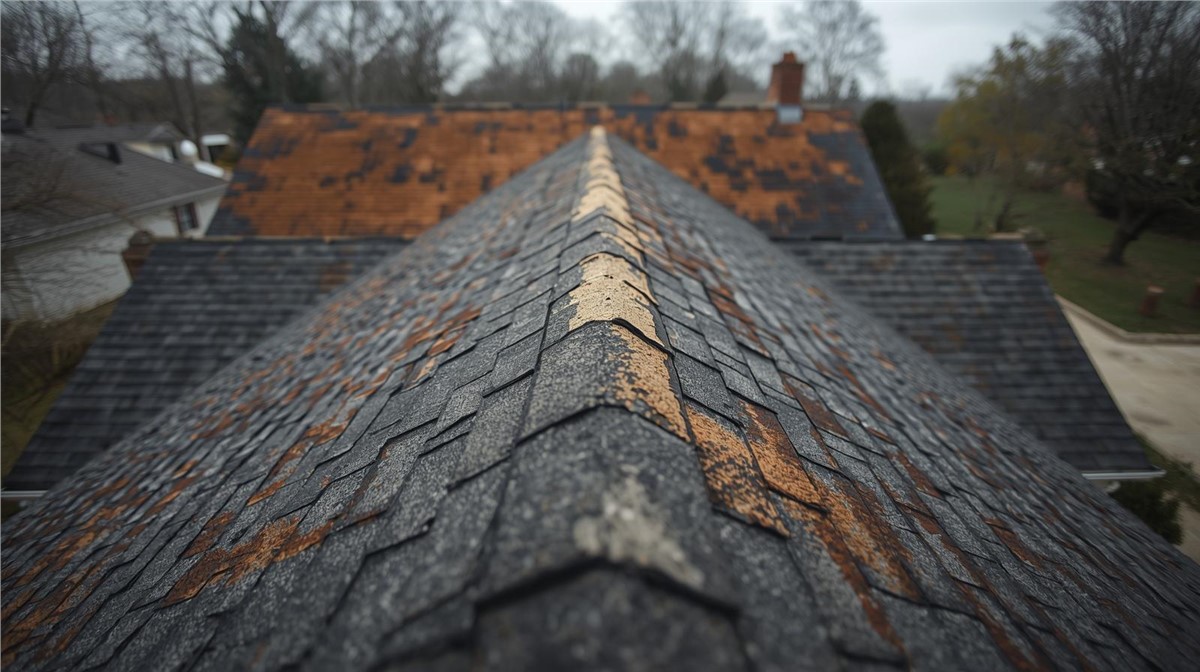
If you've noticed coarse, sand-like particles when cleaning your gutters, those are shingle granules. They act as your roof’s primary shield against the sun. Widespread granule loss exposes the underlying asphalt to harsh UV rays, causing it to become brittle and age much faster—a classic sign of a roof nearing the end of its life.
Another sign visible from the ground is shingles changing shape. If they are lifting at the edges or look wavy, you have curled or cracked shingles. This isn't just cosmetic; curled edges catch wind and can be torn off in a storm. They also break the watertight seal between shingles, creating a path for rain to seep underneath.
Both issues signal that your roof's materials are failing. As granules wash away and shingles become brittle, you may see other visual cues from the ground, such as dark streaks or even bald patches.
What Do Dark Streaks and Bald Patches on Your Roof Mean?
Those dark, vertical streaks on your roof aren't just dirt. This is often algae growth, which thrives in our humid summers and feeds on the materials in your shingles. By trapping moisture against the surface, algae accelerates wear and loosens the protective granules, shortening your roof's lifespan.
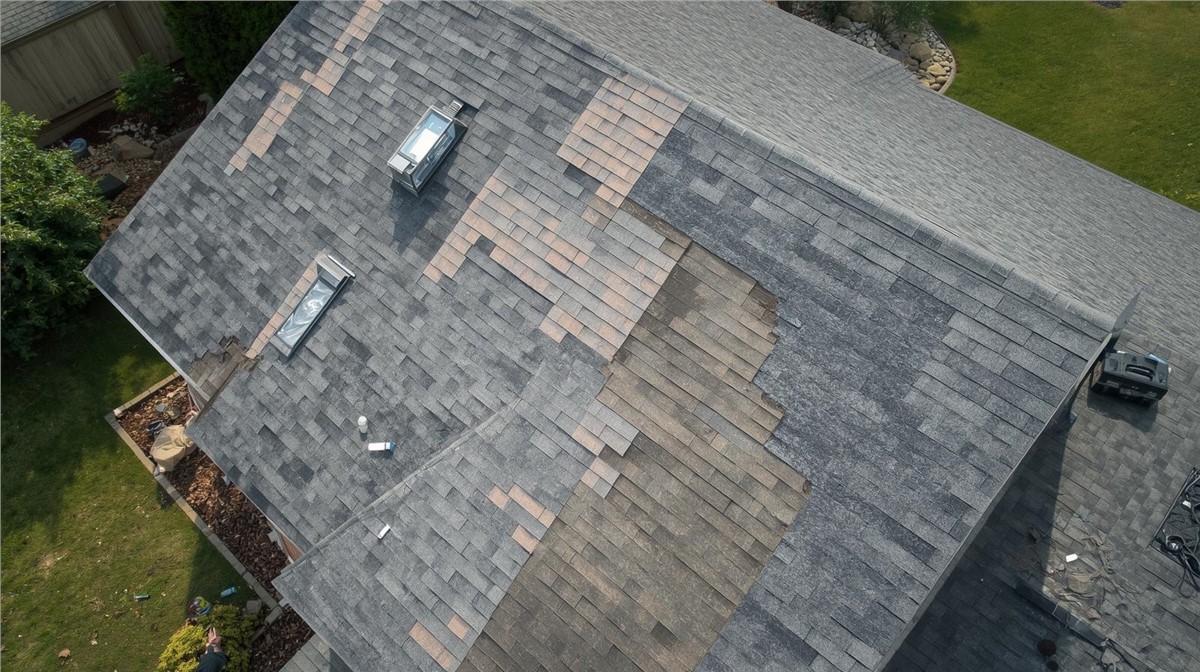
Even more urgent are 'bald patches' where shingles are completely missing. After a strong Freeport storm, finding a shingle in your yard is a major red flag. Each missing piece is a direct entry point for rain, creating an immediate risk for leaks and interior water damage. While these external signs are telling, the most urgent warnings often appear inside your home, starting in the attic.
Urgent Warnings From Inside: A Sagging Roofline and Attic Water Damage
A sagging roof is one of the most serious warning signs. From the street, look at your roof's ridgeline—if it dips or sways in the middle, it’s a red alert. This often means the underlying roof decking is waterlogged and rotting. The roof is losing its structural integrity and can no longer support its own weight, posing a significant risk.
Your attic provides more clues. On a clear day, look for slivers of daylight coming through the roof boards. Check for dark streaks on the wood or insulation that feels damp or looks compacted. These are undeniable signs that water has breached your shingles and is causing interior damage, mold, and wood rot.
A sagging structure or attic water damage signals a critical failure requiring immediate professional assessment. This is especially dangerous heading into an Illinois winter, where heavy snow and ice can turn a serious problem into a catastrophic one.
How Illinois Winters Attack Your Roof: Understanding Ice Dams and Hail Damage
Our harsh winters create unique challenges, and one of the biggest is the ice dam—a thick ridge of ice along your roof's edge. It forms when heat from your home melts snow on the roof, which then refreezes at the cold eaves. This dam traps melting water, forcing it underneath your shingles, where it can cause hidden leaks in your attic and walls.
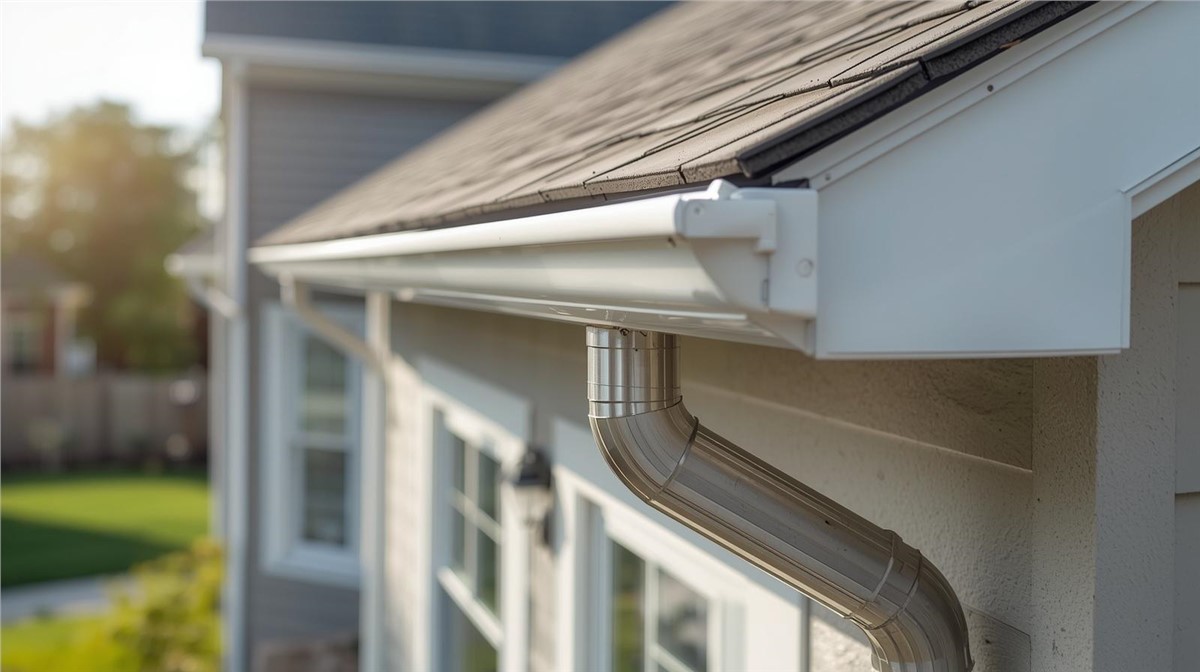
Hail damage is often sneakier. After a storm, you might not see gaping holes but rather subtle hail bruising: small, dark spots on shingles where granules have been knocked away. A safe way to assess this is to check your metal gutters or roof vents for dings from the ground. If they’re dented, your shingles likely took a hit, too.
This gradual, climate-specific damage is a major concern in Freeport, leaving homeowners wondering if a repair is enough or if it’s time for a full replacement.
Repair or Replace? How to Make the Smart Financial Decision
Knowing when to stop patching and invest in a new roof is a major decision. Age is a key factor; a typical asphalt shingle roof in Illinois lasts about 20 to 25 years. If your roof is nearing this milestone, frequent repairs become costly band-aids on a larger problem.
A full replacement is usually the smarter long-term investment if you're facing these issues.
Consider Replacement If...
Your roof is 20+ years old and shows multiple signs from this guide.
The damage covers more than 30% of a single roof section.
You are planning to sell your home within the next few years.
While the upfront cost to replace a roof in Stephenson County is higher, it buys you decades of security. A new roof addresses all underlying issues at once, protects your home’s value, and eliminates the worry that comes with every storm.
Your Next Step: Finding a Reliable Freeport Roofer You Can Trust
Now that you can spot urgent signs like a sagging roofline or widespread shingle damage, your next step is a professional inspection. When vetting a local roof replacement service, ask three key things: Are you licensed and insured in Freeport? Can you provide recent, local references? Will my estimate be itemized in writing?
Asking the right questions is the first step toward finding a reliable Freeport roofer and ensuring the roof over your head provides security for years to come.
Subscribe to Huskie Exteriors's Blog






Comments