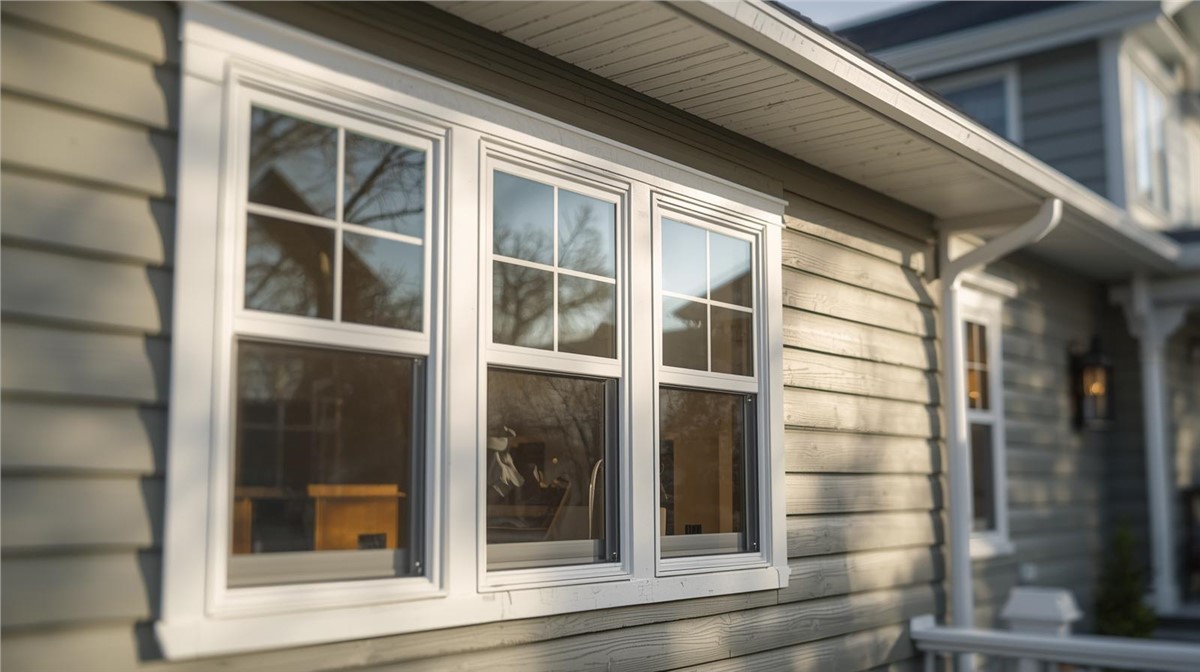
If your home feels drafty in the winter or struggles to stay cool during humid summers, your windows and siding may be part of the problem. In climates like Rockford, Illinois and Janesville, Wisconsin, where temperatures swing dramatically between seasons, energy efficiency isn’t just about comfort—it directly affects your monthly utility bills.
At Huskie Exteriors, we help homeowners throughout Northern Illinois and Southern Wisconsin understand how exterior upgrades impact overall performance. New windows and siding don’t just improve curb appeal—they strengthen your home’s thermal envelope and reduce energy loss year-round.
In Midwest climates, upgrading both windows and siding can significantly reduce heat loss in winter and minimize heat gain during summer—improving comfort and lowering energy costs.
Here’s how it works.
Understanding Your Home’s Building Envelope
Your home’s “building envelope” includes the materials that separate indoor living space from the outdoors:
Roofing
Siding
Windows
Insulation
Moisture barriers
When any part of this system fails, conditioned air escapes—and outside air enters. In Rockford and Janesville, that means higher heating bills in winter and increased cooling demands in summer.
Windows and siding play a particularly important role in managing air infiltration and thermal transfer.
How Old Windows Reduce Energy Efficiency
Windows are one of the largest sources of energy loss in many homes—especially older ones.
Common Problems with Aging Windows
Single-pane glass
Broken or failed seals
Drafts around frames
Warped or deteriorating materials
Condensation between panes
During Midwest winters, cold air seeps in while heated air escapes. In summer, warm outdoor air infiltrates your home, forcing your air conditioner to work harder.
The Energy Benefits of Modern Windows
Today’s energy-efficient windows are designed with:
Double or triple-pane insulated glass
Low-E (low emissivity) coatings
Argon or krypton gas fills
Improved frame construction
Advanced weatherstripping
These features reduce heat transfer and air leakage, helping maintain stable indoor temperatures even during extreme Illinois and Wisconsin weather.
How New Siding Improves Thermal Performance
While windows often get the most attention, siding plays a critical supporting role in energy efficiency.
Why Siding Matters
Siding protects the structural wall assembly and insulation behind it. If siding is cracked, warped, or improperly installed, moisture and air can infiltrate the walls.
In freeze-thaw climates like Northern Illinois and Southern Wisconsin, moisture trapped behind siding can:
Freeze and expand
Damage insulation
Reduce R-value
Cause structural deterioration
Modern Siding Systems Offer:
Improved moisture barriers
Better house wrap integration
Insulated siding options
Enhanced wind resistance
When siding and insulation work together properly, your home retains conditioned air more effectively.
The Combined Impact: Windows + Siding
Upgrading windows or siding individually improves performance—but replacing both at the same time can create a more comprehensive energy solution.
Benefits of Coordinated Upgrades
Improved air sealing
Consistent moisture management
Enhanced insulation performance
Reduced thermal bridging
Greater comfort year-round
For homeowners in Rockford and Janesville dealing with rising energy costs, these combined improvements can make a noticeable difference.
Seasonal Energy Savings in the Midwest
Winter Performance
In January and February, temperatures often drop well below freezing. Efficient windows and siding:
Reduce drafts
Prevent heat loss
Minimize ice formation near window frames
Lower furnace workload
Summer Performance
During humid Midwest summers:
Low-E glass reflects solar heat
Insulated siding reduces heat gain
Air sealing prevents humidity intrusion
The result? More stable indoor temperatures and lower cooling costs.
Warning Signs Your Windows and Siding Are Hurting Efficiency
If you notice any of the following, it may be time for an evaluation:
Cold spots near walls or windows
Visible drafts
Condensation between window panes
Rising heating and cooling bills
Faded, cracked, or warped siding
Moisture stains on interior walls
These symptoms often indicate compromised performance.
Long-Term Financial Benefits
Energy-efficient upgrades offer both immediate and long-term returns:
Reduced monthly utility bills
Lower maintenance costs
Increased home value
Improved resale appeal
Enhanced comfort
In competitive real estate markets like Rockford, updated windows and siding signal to buyers that the home has been properly maintained.
Additional Performance Considerations
When upgrading windows and siding, proper installation is just as important as product selection.
Key Installation Factors
Correct flashing integration
Proper moisture barrier application
Air sealing around window frames
Attic ventilation alignment
Insulation continuity
In Midwest climates, small installation gaps can lead to significant efficiency losses over time.
Frequently Asked Questions
1. How much can new windows reduce energy bills?
Savings vary depending on existing window condition, but many homeowners notice measurable reductions in heating and cooling costs after upgrading.
2. Is insulated siding worth it in Illinois and Wisconsin?
Yes. Insulated siding can improve thermal performance and reduce air infiltration, particularly in older homes with limited wall insulation.
3. Should I replace windows and siding at the same time?
If both systems are aging or compromised, coordinating upgrades can improve installation efficiency and overall performance.
4. How long do energy-efficient windows last?
Modern, professionally installed windows can last 20–30 years or longer with proper maintenance.
Improving Comfort Starts Outside
In Rockford, Illinois and Janesville, Wisconsin, energy efficiency starts with a strong, well-sealed exterior. Drafty windows and aging siding don’t just affect appearance—they directly impact your comfort and monthly expenses.
At Huskie Exteriors, we help homeowners evaluate their exterior systems and identify practical upgrades that improve performance without unnecessary pressure.
If you’re experiencing drafts, rising energy bills, or visible exterior wear, a professional inspection can help determine whether new windows, updated siding, or a combination of both would best support your home’s efficiency for years to come.
Subscribe to Huskie Exteriors's Blog




Comments