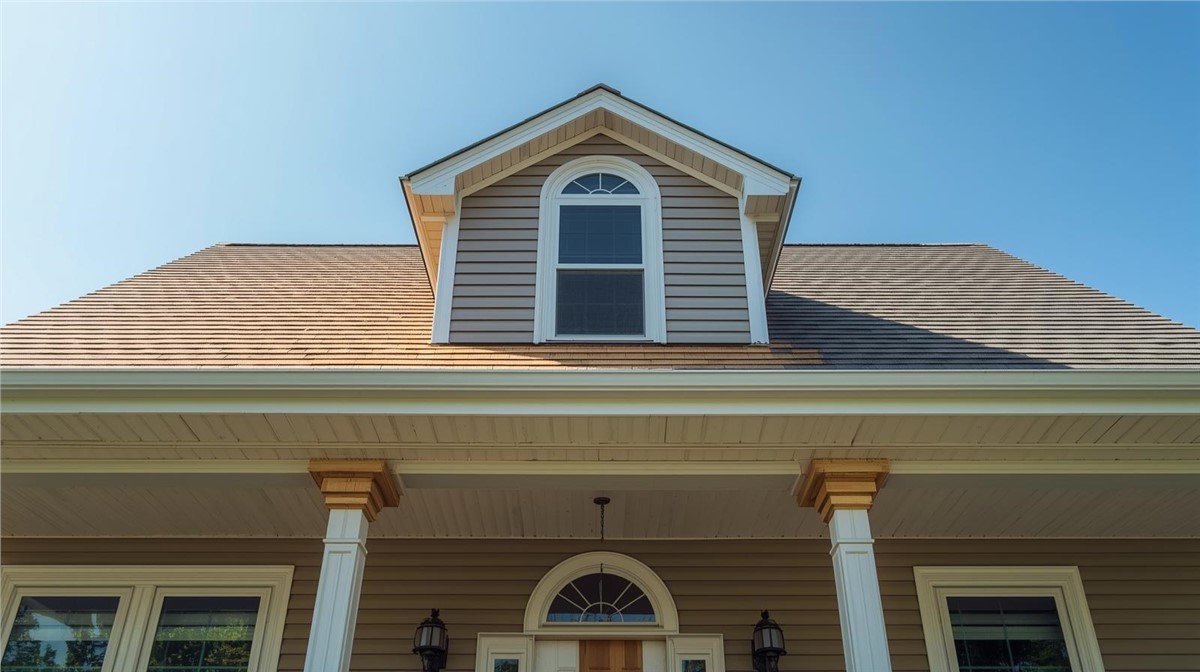
When your home’s exterior starts showing signs of age or storm damage, one major question often follows: Should you replace your roof and siding at the same time?
For homeowners in Rockford, Illinois and Janesville, Wisconsin—where Midwest weather brings hail, high winds, heavy snow, and dramatic temperature swings—this decision can impact your home’s protection, efficiency, and long-term value.
Below, we break down the pros, considerations, and situations where replacing both at once makes sense—so you can make an informed, confident decision.
Why Roof and Siding Work Together as a System
Your roof and siding aren’t separate components—they function as a unified exterior protection system.
The roof shields your home from rain, snow, and UV exposure.
The siding protects wall assemblies and insulation from moisture and wind.
Together, they create a weather-tight building envelope.
When one system fails, it can stress the other. In Midwest climates like Northern Illinois and Southern Wisconsin, that stress compounds quickly.
Common Reasons Homeowners Consider Replacing Both
1. Storm Damage from Midwest Weather
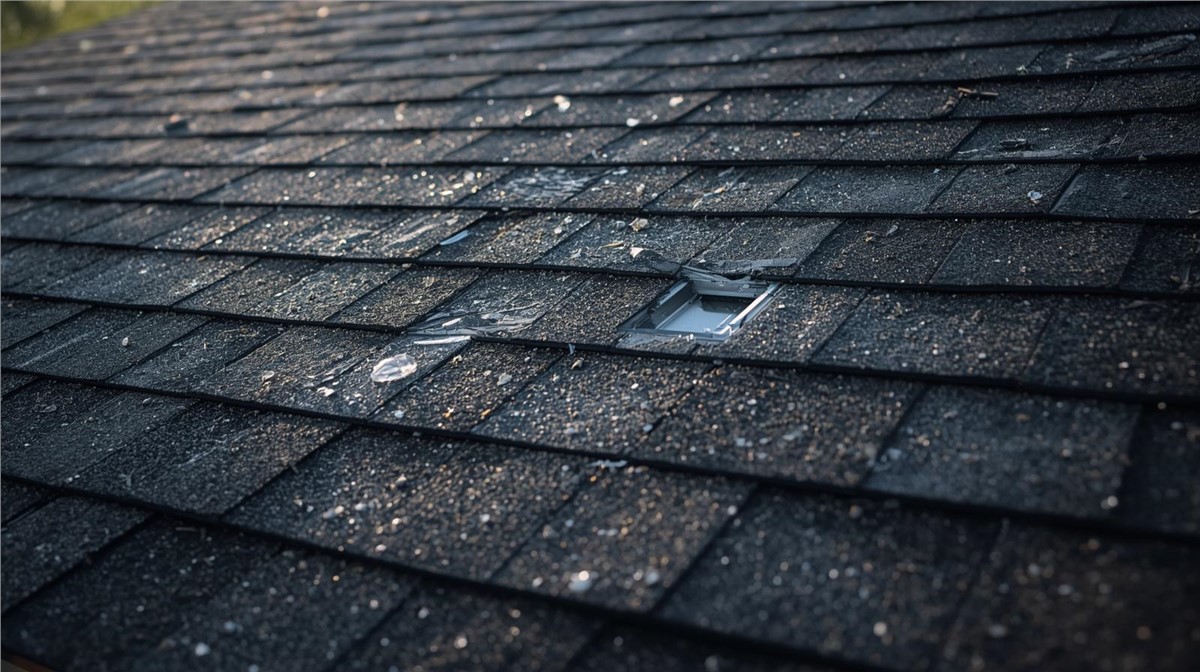
Severe storms frequently impact both roofing and siding at the same time. Hail and wind events in the Rockford and Janesville area often cause:
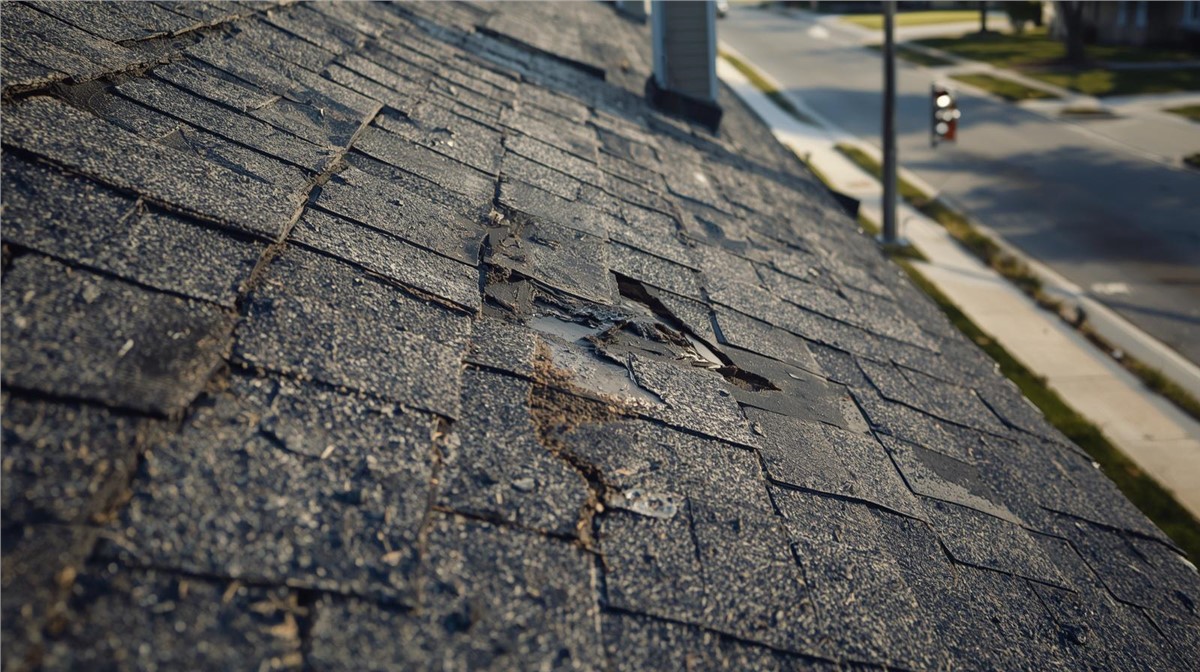
Shingle bruising or loss
Cracked or loosened siding panels
Damaged flashing
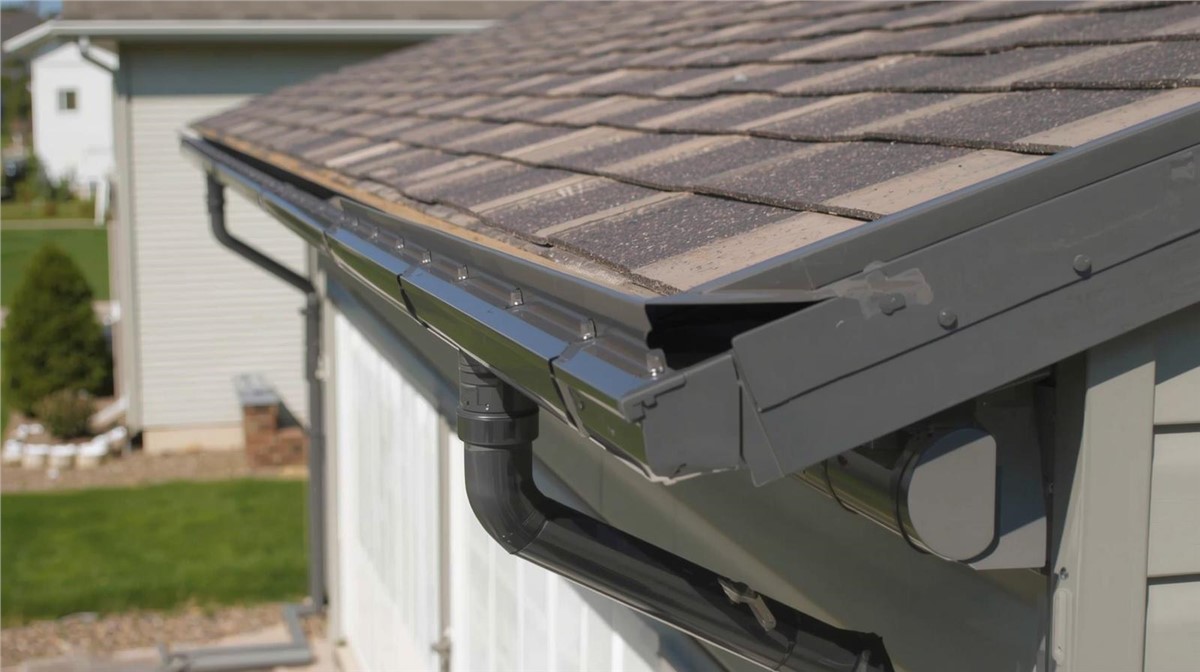
Gutter displacement
If both systems were compromised during the same storm, it may be practical to address them together.
2. Age and Material Lifespan
Roofing and siding often age on similar timelines, especially if installed at the same time.
Typical lifespans:
Asphalt shingles: 20–30 years
Vinyl siding: 20–40 years
Fiber cement siding: 30–50 years
If your roof is nearing the end of its life and your siding is also showing fading, cracking, or warping, coordinating replacement can prevent staggered construction projects over several years.
3. Energy Efficiency Upgrades
In climates with freezing winters and humid summers, energy efficiency matters.
Replacing both at once allows for:
Improved attic ventilation
Updated house wrap or moisture barriers
Air sealing improvements
Insulation upgrades behind siding
This integrated approach can significantly improve heating and cooling performance throughout Illinois and Wisconsin’s seasonal extremes.
The Advantages of Replacing Roof and Siding Together
Improved Weather Protection
Midwest storms don’t just test one part of your home—they test everything. Coordinated replacement ensures:
Proper flashing integration
Consistent moisture barriers
Reduced risk of water infiltration
When roofing and siding are installed together, contractors can create a more seamless, weather-resistant exterior.
Design and Curb Appeal Cohesion
Replacing both systems at once gives you complete control over your home’s exterior appearance.
You can:
Coordinate color palettes
Match architectural styles
Upgrade trim and accents
Modernize your home’s overall look
For homeowners in Rockford and Janesville looking to increase property value, exterior cohesion makes a noticeable difference.
Reduced Labor Overlap
When done separately, roofing and siding projects may require overlapping work on:
Flashing
Fascia boards
Soffits
Trim
Completing both at the same time can minimize redundant labor and avoid reworking recently installed materials.
Fewer Disruptions
Exterior construction naturally causes noise and temporary inconvenience. Handling both projects simultaneously limits disruption to one consolidated timeframe rather than two separate ones.
When It May Make Sense to Replace Them Separately
While there are clear advantages to replacing both at once, it’s not always necessary.
If One System Is Structurally Sound
If your siding is in excellent condition but your roof has storm damage, there may be no structural reason to replace both.
Likewise, if your roof is only five years old but siding has extensive hail cracking, siding replacement alone may suffice.
Budget Considerations
Roof and siding replacement are significant investments. If budget constraints are a factor, prioritizing the more urgent system is often the responsible choice.
A professional inspection can help determine which component poses the greater risk if delayed.
Warning Signs It’s Time to Replace Your Roof
Curling or missing shingles
Granule loss in gutters
Sagging roof decking
Persistent leaks
Ice dam formation during winter
In Northern Illinois and Southern Wisconsin, repeated freeze-thaw cycles accelerate roofing wear. If multiple signs are present, replacement may be more cost-effective than repeated repairs.
Warning Signs It’s Time to Replace Your Siding
Cracks or holes
Warping or buckling
Fading and UV damage
Mold or mildew growth
Rising energy bills due to drafts
Damaged siding allows moisture to penetrate wall assemblies. In Midwest climates, trapped moisture can freeze and expand, leading to hidden structural issues.
Long-Term Consequences of Delaying Replacement
Delaying necessary exterior updates can result in:
Structural rot
Mold growth
Insulation damage
Reduced energy efficiency
Lower resale value
In areas like Rockford and Janesville, where winter snow loads and summer storms are common, compromised exterior systems deteriorate faster once protective barriers fail.
Energy Efficiency and Performance Considerations
One of the most overlooked benefits of coordinated roof and siding replacement is improved energy performance.
Roofing Impacts:
Proper ventilation reduces heat buildup in summer.
Ice barrier installation protects against winter ice dams.
Siding Impacts:
Updated moisture barriers improve insulation performance.
New house wrap systems reduce air infiltration.
Together, these upgrades help stabilize indoor temperatures during Illinois and Wisconsin’s seasonal extremes—lowering heating and cooling demands.
Insurance Considerations After Storm Damage
In cases of significant storm damage, insurance may cover repairs to both roof and siding—particularly if the damage occurred during the same event.
It’s important to:
Document visible damage
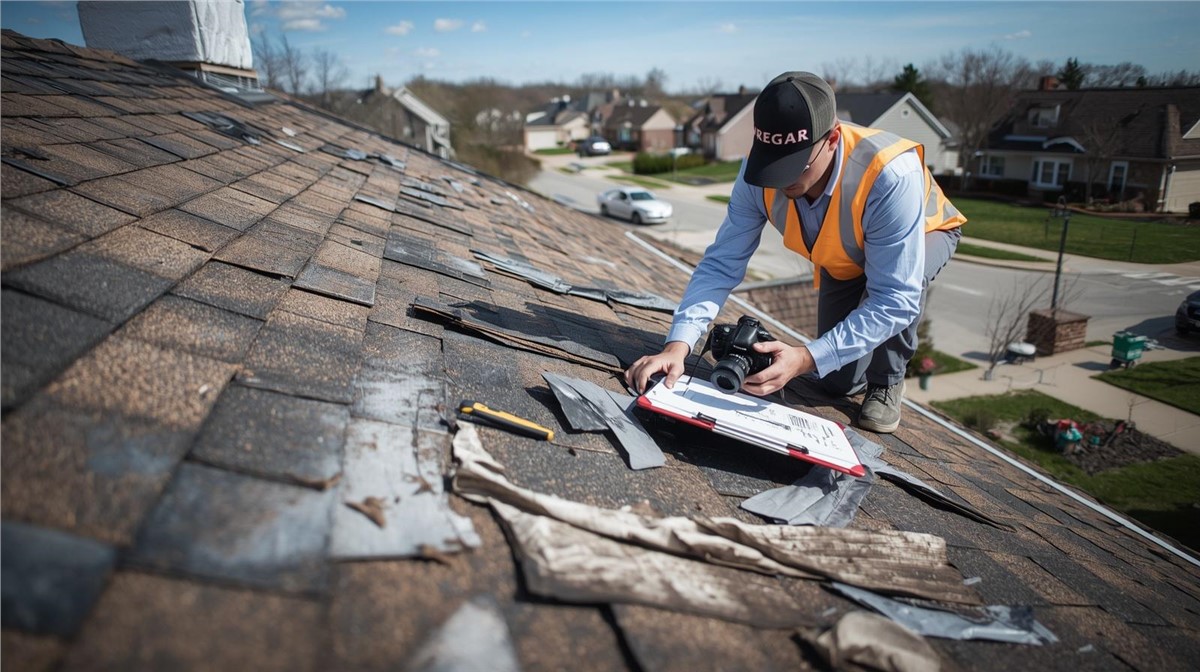
Schedule a professional inspection
Understand how matching laws may apply in Illinois or Wisconsin
Working with a knowledgeable local contractor can help ensure repairs align properly and maintain your home’s appearance and integrity.
Questions to Ask Before Deciding
How old are both systems?
Is there visible storm damage to one or both?
Are there energy efficiency concerns?
Do you plan to stay in the home long-term?
Are you preparing to sell in the near future?
These considerations help determine whether a combined project provides long-term value.
Frequently Asked Questions
1. Does replacing both at once save money?
It can reduce overlapping labor and minimize repeat setup costs, but savings depend on project scope and condition of existing materials.
2. Will replacing both increase home value?
Yes. A coordinated exterior update improves curb appeal, energy efficiency, and buyer confidence—especially in competitive Midwest markets.
3. Can I replace siding without touching the roof?
Yes, if the roof is structurally sound. However, flashing and trim connections should be evaluated to ensure compatibility.
4. How do Midwest winters impact this decision?
Harsh winters and freeze-thaw cycles accelerate wear. If both systems are aging, replacing them together before winter can prevent compounded damage.
Making the Right Decision for Your Home
There’s no universal answer to whether you should replace your roof and siding at the same time. The right decision depends on age, storm impact, structural condition, and long-term plans.
For homeowners in Rockford, Illinois and Janesville, Wisconsin, the key is understanding how your entire exterior system works together to withstand Midwest weather year-round.
If you’re unsure whether a combined replacement makes sense, a professional exterior inspection can provide clarity. A thorough evaluation helps you understand your options, prioritize wisely, and protect your home for seasons to come.
Subscribe to Huskie Exteriors's Blog





Comments