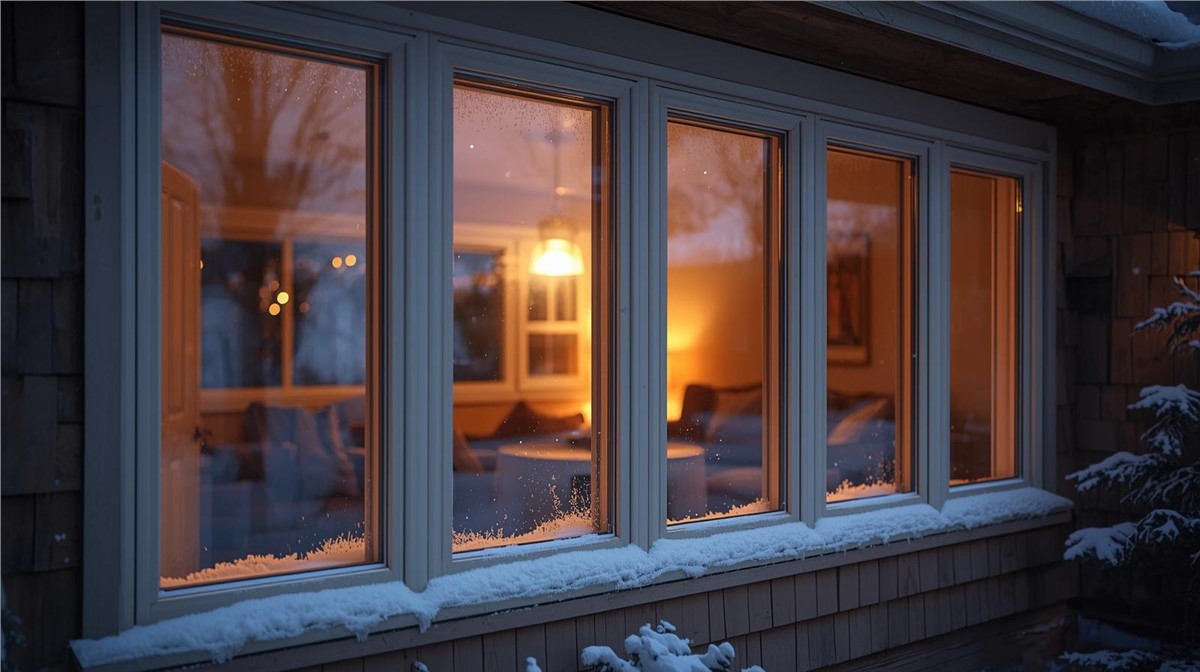
Wisconsin winters are no joke. Subzero temperatures, lake-effect winds, heavy snow accumulation, and extended heating seasons put serious stress on your home’s exterior—especially your windows.
If you’ve ever felt cold air near a closed window in January or watched your heating bill climb during a long stretch of freezing weather, you’ve likely wondered whether your windows are doing their job.
In this guide, we’ll break down the best energy-efficient windows for Wisconsin winters, explain what features truly matter (in plain language), and help you make informed decisions that protect your home and improve comfort for years to come.
Why Energy Efficiency Matters More in Wisconsin
Homes in Wisconsin experience:
Prolonged freezing temperatures
Significant wind chill
Heavy snow and ice
Large temperature swings between seasons
That means your windows must do more than let in light—they must:
Prevent heat loss
Resist air infiltration
Manage condensation
Protect against moisture intrusion
Maintain structural integrity in freeze-thaw cycles
Even small inefficiencies become magnified during long Midwest winters.
Understanding Heat Loss Through Windows
Before choosing the right window, it helps to understand how heat escapes.
Heat loss occurs in three main ways:
Conduction – Heat transfers through glass and frame materials
Air Leakage – Drafts around the window edges
Radiation – Heat energy escaping through glass surfaces
Modern energy-efficient windows are designed to minimize all three.
Key Features to Look for in Energy-Efficient Windows
Not all “energy-efficient” windows perform equally—especially in extreme cold climates like Wisconsin.
Here’s what truly matters.
1. Low U-Factor (Insulation Rating)
The U-factor measures how well a window prevents heat from escaping.
Lower U-factor = better insulation
In Wisconsin, look for 0.30 or lower, ideally closer to 0.25 or below
A lower U-factor significantly reduces heat loss during subzero nights.
2. Double or Triple Pane Glass
Most older homes still have single-pane or early double-pane windows. In Wisconsin winters, that’s often not enough.
Double-pane windows:
Two layers of glass
Gas-filled insulation between panes
Good baseline efficiency
Triple-pane windows:
Three layers of glass
Superior insulation
Reduced condensation risk
Better sound reduction
Triple-pane windows are often worth considering in northern climates where heating demands are high.
3. Argon or Krypton Gas Fills
The space between panes isn’t just air—it’s typically filled with insulating gas.
Argon – Most common, cost-effective
Krypton – Higher performance, often used in triple-pane windows
These gases slow heat transfer, improving thermal performance during long heating seasons.
4. Low-E (Low-Emissivity) Coatings
Low-E coatings are microscopic layers applied to glass that reflect heat.
In winter, Low-E coatings:
Reflect indoor heat back into the room
Reduce heat escape
Improve overall energy efficiency
In summer, they help block excessive solar heat gain.
For Wisconsin homes, a Low-E coating designed for northern climates is especially beneficial.
5. Quality Frame Materials
The frame is just as important as the glass.
Common options include:
Vinyl – Energy-efficient, low maintenance, resists moisture
Fiberglass – Extremely durable, handles temperature swings well
Composite – Strong and thermally efficient
Wood (clad) – Traditional look with improved exterior protection
Wisconsin’s freeze-thaw cycles can cause expansion and contraction. Fiberglass and high-quality vinyl frames perform particularly well in these conditions.
Signs Your Current Windows Aren’t Winter-Ready
If you’re unsure whether replacement is necessary, look for these warning signs:
Drafts near closed windows
Ice forming along the inside edges
Condensation between panes
High heating bills
Uneven temperatures between rooms
Difficulty opening or closing windows
These issues often indicate seal failure, poor insulation, or outdated window technology.
Condensation: A Common Wisconsin Winter Issue
Cold outdoor temperatures combined with warm indoor air create ideal conditions for condensation.
While some surface condensation can be normal, excessive moisture may signal:
Poor insulating performance
Failed seals
Inadequate ventilation
Over time, condensation can lead to:
Mold growth
Wood rot
Damage to drywall
Staining and peeling paint
Energy-efficient windows reduce interior surface temperature differences, minimizing condensation risk.
How Energy-Efficient Windows Lower Heating Costs
In Wisconsin, heating often accounts for the largest portion of annual energy use.
Upgrading to modern energy-efficient windows can:
Reduce heat loss
Improve indoor temperature consistency
Decrease furnace runtime
Lower monthly energy bills
Extend HVAC system lifespan
While savings vary by home size and insulation levels, many homeowners notice measurable improvements in comfort immediately.
Integration With Roofing, Siding, and Insulation
Windows are part of your entire exterior system.
Roofing & Attic Insulation
Proper attic insulation and ventilation help regulate interior humidity, reducing condensation on windows.
Siding & Air Sealing
Siding, house wrap, and flashing protect the window opening from water intrusion. Poor integration can lead to drafts or moisture problems even with high-performance windows.
A whole-home approach ensures your investment performs as intended.
Are Triple-Pane Windows Worth It in Wisconsin?
For many homeowners, yes.
Triple-pane windows offer:
Better insulation during extreme cold
Reduced cold spots near glass
Improved sound control
Less condensation buildup
While the upfront cost is higher, long-term comfort and heating savings often justify the investment in northern climates.
What About Storm Windows?
Storm windows can improve performance of existing units, but they don’t match the efficiency of modern insulated windows.
They may be a temporary solution for:
Historic homes
Budget-conscious upgrades
Short-term improvements
However, for long-term efficiency and durability, full window replacement is typically more effective.
Choosing the Right Installation Matters
Even the best energy-efficient window will underperform if poorly installed.
Professional installation ensures:
Proper sealing
Correct insulation around frames
Secure flashing
Long-term air and water resistance
In Wisconsin’s harsh climate, installation quality is just as important as product selection.
FAQ: Energy-Efficient Windows for Wisconsin Homes
What U-factor should I look for in Wisconsin?
Aim for a U-factor of 0.30 or lower, with 0.25 or below offering superior winter insulation.
Do energy-efficient windows really make a difference?
Yes. In cold climates like Wisconsin, modern insulated windows significantly reduce heat loss and improve indoor comfort.
Will new windows eliminate all drafts?
If properly installed, high-quality windows should eliminate drafts caused by air leakage. However, whole-home air sealing may also be necessary.
Can windows be replaced in winter?
Yes. Experienced contractors can safely install windows during winter months using controlled installation techniques.
Final Thoughts for Wisconsin Homeowners
Wisconsin winters demand durability, insulation, and thoughtful exterior design. If your windows are outdated, drafty, or struggling to handle the cold, upgrading to energy-efficient models can dramatically improve comfort and performance.
The key is understanding what features matter most—and ensuring your windows work in harmony with your roofing, siding, and insulation systems.
If you’d like a professional evaluation of your current windows and exterior performance, scheduling a local inspection can help you determine the best next steps—based on your home, your goals, and Wisconsin’s unique climate challenges.
Subscribe to Huskie Exteriors's Blog




Comments