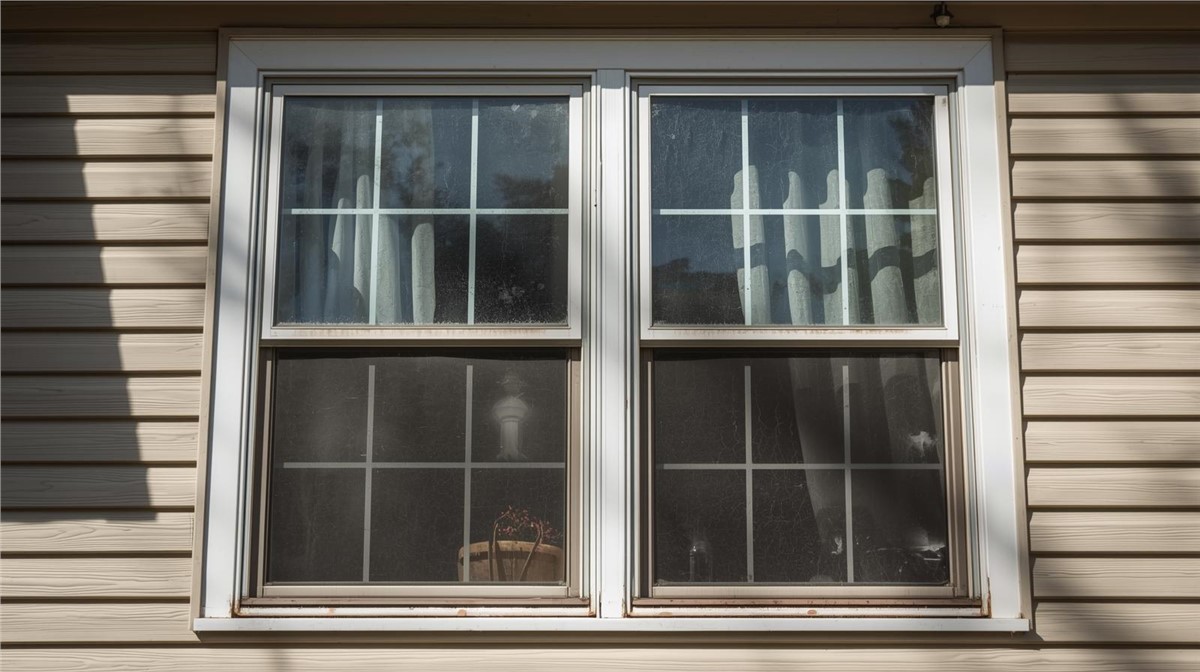
Rockford homeowners know that Midwest weather doesn’t hold back. From subzero winter winds rolling off the Rock River to heavy spring storms and humid summer heat, your home’s exterior works hard year-round. While roofing and siding often get the spotlight, your windows play an equally critical role in protecting your home, managing energy costs, and maintaining comfort.
If you’ve been wondering whether it’s time to replace your windows, you’re not alone. Many Illinois homeowners wait until a major issue appears—but there are often subtle warning signs long before failure becomes obvious.
In this guide, we’ll walk through the clear signs you need new windows in your Rockford home, explain why problems develop in our regional climate, and explore the long-term impact on energy efficiency and structural integrity.
Why Windows Matter in Northern Illinois
Windows do more than provide natural light. In a climate like Rockford’s, they must:
Withstand freezing temperatures and snow accumulation
Resist heavy rain and spring storms
Manage humidity and summer heat
Prevent air leakage during high winds
Maintain energy efficiency year-round
When windows begin to fail, the effects ripple beyond the glass. Drafts can strain your HVAC system. Moisture intrusion can affect siding and wall assemblies. Poor sealing can even impact roofing ventilation and attic insulation performance.
That’s why recognizing early warning signs is so important.
1. Drafts or Noticeable Temperature Changes Near Windows
One of the most common signs you need new windows is feeling a draft—even when the window is fully closed.
Why It Happens
In Illinois, constant expansion and contraction from temperature swings can:
Break down window seals
Warp frames
Shrink caulking and weatherstripping
Create small gaps around the frame
Over time, these gaps allow cold winter air or humid summer air into your home.
Long-Term Consequences
Higher heating and cooling bills
Uneven indoor temperatures
Increased wear on your furnace and AC
Reduced overall comfort
If you notice rooms that are consistently colder in winter or warmer in summer, your windows may be contributing.
2. Rising Energy Bills Without Explanation
Rockford winters are long, and heating costs are a reality for homeowners. But if your energy bills are steadily climbing and your insulation and roofing are in good shape, windows may be the culprit.
Older windows—especially single-pane or early double-pane units—often lack modern energy-efficient features such as:
Low-E coatings
Argon or krypton gas fills
Multi-chamber insulated frames
Why This Matters in Midwest Weather
In winter, inefficient windows allow heat to escape.
In summer, they allow solar heat gain to increase indoor temperatures.
Over time, this inefficiency can significantly impact monthly utility expenses.
3. Condensation Between Glass Panes
If you see fog or moisture trapped between panes of glass, that’s not just cosmetic—it’s a sign of seal failure.
What’s Happening
Modern double- and triple-pane windows are sealed units filled with insulating gas. When the seal fails:
Moisture enters the space between panes
Insulating gas escapes
Energy performance drops dramatically
Seal failure is common after years of exposure to:
Freeze-thaw cycles
Strong winds
Storm pressure changes
UV exposure
Why It Shouldn’t Be Ignored
Failed seals reduce energy efficiency and can eventually lead to interior wall moisture issues if the surrounding frame deteriorates.
4. Difficulty Opening or Closing Windows
Windows should operate smoothly. If yours stick, jam, or refuse to stay open, it could indicate:
Warped frames
Structural shifting
Moisture damage
Failing hardware
Rockford’s seasonal humidity shifts can cause wood frames to swell, while repeated freezing temperatures can affect metal components.
Beyond inconvenience, difficult windows are also a safety concern. In emergencies, you need windows that open quickly and reliably.
5. Visible Rot, Soft Wood, or Water Damage
Exterior windows are directly exposed to Illinois storms, driving rain, and snow accumulation. Over time, water can infiltrate compromised seals or flashing.
Warning Signs Include:
Peeling paint
Cracked caulk
Soft or spongy wood
Dark staining around frames
Mold or mildew near sills
Moisture damage doesn’t stop at the window. It can spread to:
Wall sheathing
Insulation
Interior drywall
Even siding systems
If water is getting in around your windows, it may be time to consider replacement rather than repeated patch repairs.
6. Outside Noise Is Louder Than It Should Be
Live near a busy road in Rockford? Close to schools or commercial areas? If outside noise seems unusually loud, outdated windows may be part of the problem.
Modern insulated glass units provide significantly better sound reduction than older models. Noise infiltration often indicates thin glass, poor sealing, or aging construction.
Upgrading windows can improve both comfort and peace of mind.
7. Your Windows Are 20+ Years Old
Even if you don’t notice dramatic problems, age matters.
Most windows last between 15–25 years, depending on:
Installation quality
Material type
Exposure to weather
Maintenance history
In Northern Illinois, extreme temperature shifts accelerate wear. If your windows are over two decades old, replacement may be more cost-effective than ongoing repairs.
8. Fading Furniture or Flooring
Have you noticed fading on hardwood floors, carpets, or furniture near windows?
Older windows lack UV-blocking coatings that modern windows provide. Prolonged sun exposure can cause:
Fabric discoloration
Wood bleaching
Flooring damage
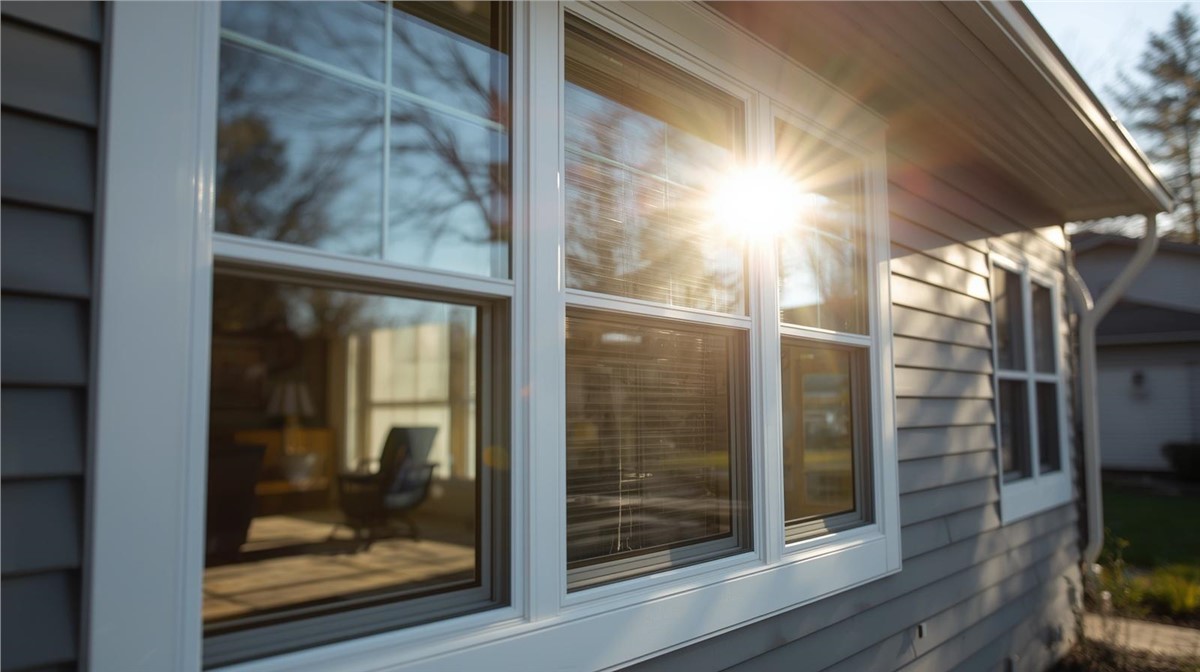
Energy-efficient windows with Low-E coatings reduce UV penetration while still allowing natural light.
9. Ice Buildup in Winter
Ice forming on the inside of your windows is a red flag.
It usually means:
Poor insulation
Air leaks
High interior humidity meeting cold glass surfaces
In Rockford’s frigid winters, inefficient windows create condensation that freezes, potentially damaging frames and surrounding trim.
How Window Performance Connects to Roofing and Siding
Windows don’t operate in isolation. They’re part of your home’s exterior system.
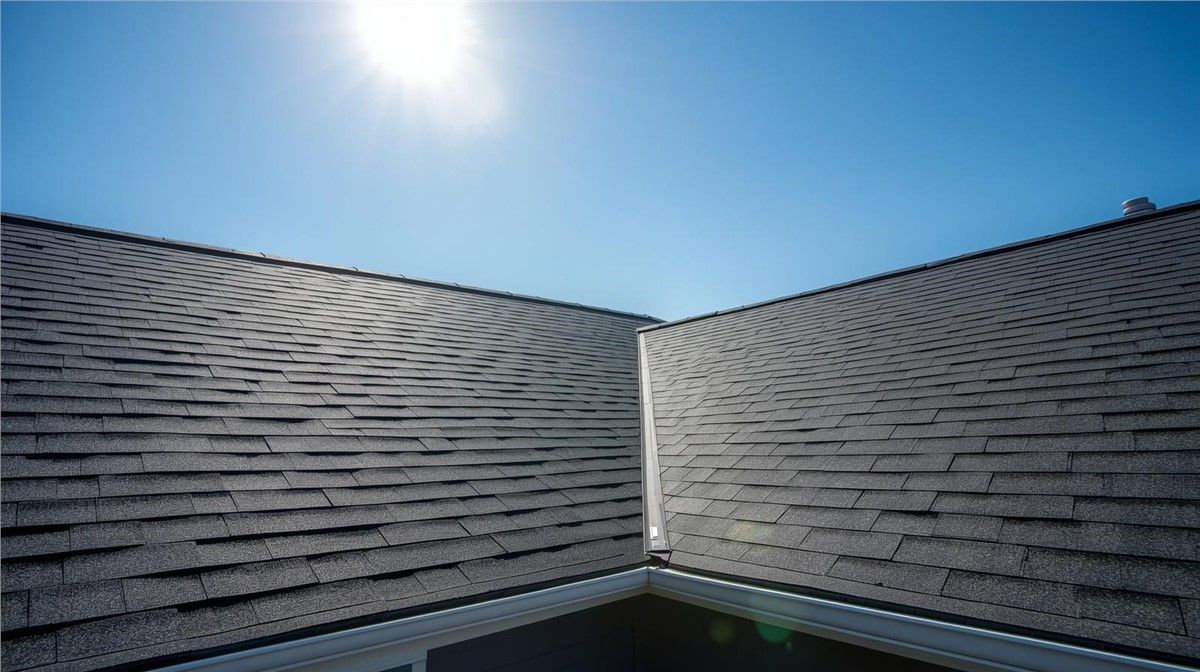
Roofing & Ventilation
Proper attic ventilation and roofing insulation affect indoor humidity levels. Poor ventilation can increase condensation around windows.
Siding & Moisture Management
Your siding and house wrap system help channel water away from window openings. If siding or flashing is compromised, window frames can suffer.
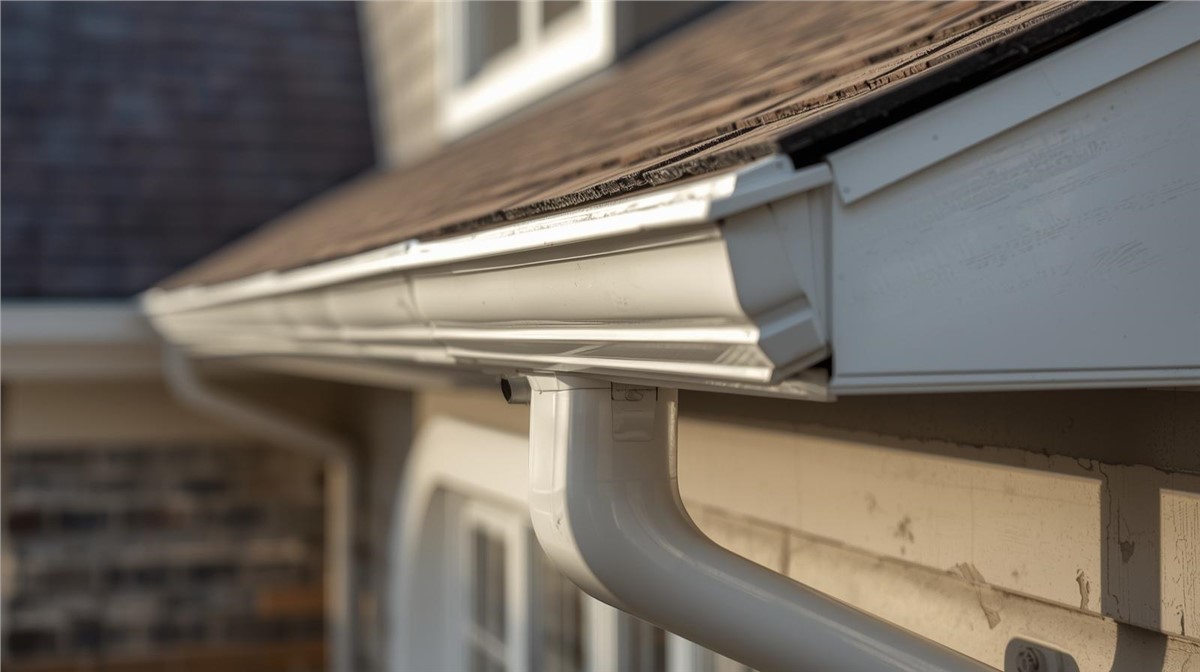
A comprehensive exterior inspection ensures that all components—roofing, siding, windows, and gutters—work together to protect your home.
The Long-Term Cost of Waiting
Delaying window replacement can lead to:
Higher energy bills
Water intrusion and structural damage
Mold growth
Increased HVAC wear
Reduced property value
For Illinois homeowners planning to sell in the future, modern energy-efficient windows are also a strong resale advantage.
FAQ: New Windows in Rockford, Illinois
How do I know if I need full window replacement versus repair?
If you’re dealing with seal failure, widespread rot, or repeated drafts across multiple windows, full replacement is often more cost-effective long term. Minor issues like isolated hardware problems may only require repair.
Are energy-efficient windows worth it in Illinois?
Yes. With Rockford’s cold winters and hot summers, energy-efficient windows can significantly reduce heating and cooling costs while improving indoor comfort year-round.
What time of year is best for window replacement?
Spring through fall is common, but experienced contractors can install windows year-round in Illinois. Winter installations are possible with proper scheduling and weather precautions.
Will new windows help during Midwest storms?
Modern windows are built with improved structural strength, better seals, and impact-resistant options. While no window is storm-proof, upgraded systems perform far better than aging units during high winds and heavy rain.
A Local Perspective for Rockford Homeowners
Your windows are a first line of defense against everything the Midwest throws at your home. If you’ve noticed drafts, moisture, rising energy bills, or aging materials, it may be time to explore your options.
At Huskie Exteriors, we understand how Rockford weather impacts roofing, siding, windows, and gutters—because we work in it every day. Our approach is simple: honest assessments, clear explanations, and solutions designed for Illinois homes.
If you’re unsure whether your windows need repair or replacement, a professional exterior inspection can provide clarity. We’re happy to take a look, answer your questions, and help you make an informed decision—without pressure.
Your home deserves protection built for Midwest seasons.
Subscribe to Huskie Exteriors's Blog





Comments