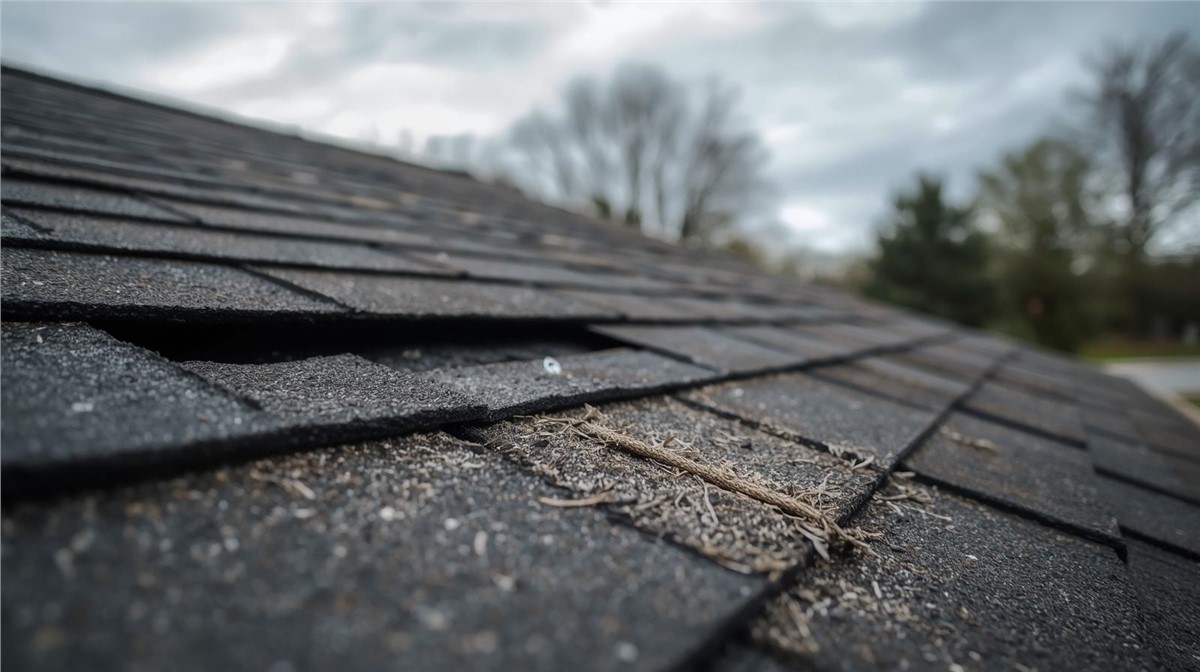
It’s easy to postpone roof repairs—especially if the leak seems small or the damage isn’t obvious from the ground. But in Illinois, where roofs endure hail, heavy rain, snow, wind, and freeze–thaw cycles, small roofing problems rarely stay small for long.
Understanding the real cost of delaying roof repairs in Illinois helps homeowners protect their property, avoid structural damage, and make smarter long-term decisions. What may look like a minor issue today can quickly turn into a far more expensive problem.
Why Illinois Weather Makes Delays Risky
Illinois weather is unpredictable and often extreme.
Homes regularly face:
Heavy spring storms
Hail and high winds
Hot, humid summers
Rapid temperature swings
Snow and ice accumulation in winter
These conditions accelerate roof deterioration. A minor vulnerability can be exposed repeatedly, making damage worse with each season.
1. Small Leaks Become Major Water Damage
A minor leak may only stain a small section of drywall at first. But water travels.
When roof leaks are ignored, moisture can:
Soak attic insulation
Rot roof decking
Damage rafters and framing
Spread behind walls
By the time interior damage becomes visible, repairs are often far more extensive.
2. Freeze–Thaw Cycles Widen Cracks
Illinois winters create frequent freeze–thaw cycles. Water that enters small cracks in shingles or flashing freezes and expands.
This process:
Widens cracks
Breaks adhesive seals
Weakens roofing materials
What started as a small gap can become a structural vulnerability by spring.
3. Mold and Moisture Problems Develop
Moisture trapped in attic spaces creates ideal conditions for mold growth.
Mold can:
Damage insulation
Affect indoor air quality
Require professional remediation
Spread to wall cavities
Addressing mold often costs significantly more than fixing the original roofing issue.
4. Roof Deck and Structural Damage
When water repeatedly penetrates the roofing system, it can weaken the wood decking beneath shingles.
Over time, this may cause:
Soft spots in the roof
Sagging sections
Structural instability
Structural repairs are far more expensive than replacing a few damaged shingles.
5. Energy Efficiency Declines
Even minor roof damage can impact energy performance.
Damaged roofing and ventilation issues may lead to:
Increased heat loss in winter
Hot attic buildup in summer
Higher heating and cooling bills
In Illinois’ climate, energy inefficiency can add up quickly over multiple seasons.
6. Insurance Complications
Insurance typically covers sudden storm damage—not gradual deterioration.
If a small repairable issue is left unaddressed and worsens over time, coverage may be limited or denied. Prompt repairs help document and prevent additional damage.
7. Repair Costs Increase Over Time
One of the biggest financial risks of delaying roof repairs is escalation.
For example:
A $400–$800 repair today could prevent
Several thousand dollars in decking and insulation repairs later
Delays often transform simple fixes into larger projects involving multiple components of the roof system.
8. Increased Risk During Storm Season
Illinois storms bring high winds and heavy rain.
A roof with existing damage is more vulnerable to:
Shingle blow-off
Flashing separation
Rapid leak expansion
Weak areas often fail first during severe weather.
9. Impact on Home Value
Visible roof issues or past water damage can reduce buyer confidence.
When selling a home, unresolved roof problems may:
Trigger inspection concerns
Lead to price negotiations
Delay closing
Proactive repairs protect both property value and resale potential.
Warning Signs You Shouldn’t Ignore
Illinois homeowners should act quickly if they notice:
Missing or cracked shingles
Granules collecting in gutters
Water stains on ceilings
Sagging roof areas
Loose flashing
Large icicles or recurring ice dams
Even if the issue seems minor, a professional inspection can confirm the extent of damage.
Why Timing Matters
The best time to address roof repairs is before the next season arrives.
Repair in spring before summer storms
Repair in fall before winter snow and ice
Waiting until active leaks occur increases risk significantly.
The Cost Comparison: Repair vs. Replacement
Homeowners sometimes delay repairs out of fear that a full replacement may be required.
In many cases:
Early repairs extend roof lifespan
Targeted fixes prevent structural damage
Small investments reduce long-term expense
Ignoring damage increases the likelihood of needing premature replacement.
Frequently Asked Questions
How long can I wait to fix a small leak?
It’s best not to wait. Even minor leaks can cause hidden damage within weeks.
Does homeowners insurance cover delayed damage?
Usually not if it’s considered neglect or gradual deterioration.
How often should Illinois roofs be inspected?
At least once per year and after severe storms.
Can hail damage get worse over time?
Yes. Hail can weaken shingles, leading to future cracking and leaks.
Is it better to repair or replace?
It depends on the age and extent of damage. A professional evaluation provides clarity.
Protecting Your Home Before Costs Escalate
In Illinois, delaying roof repairs often leads to higher expenses, greater structural risk, and increased stress during storm season. Small issues are much easier—and more affordable—to correct before they expand into major problems.
Huskie Exteriors works with homeowners across Illinois, bringing experience in roofing systems built for Midwest weather. A timely inspection and repair plan can help protect your home and prevent minor concerns from becoming costly repairs.
Subscribe to Huskie Exteriors's Blog




Comments