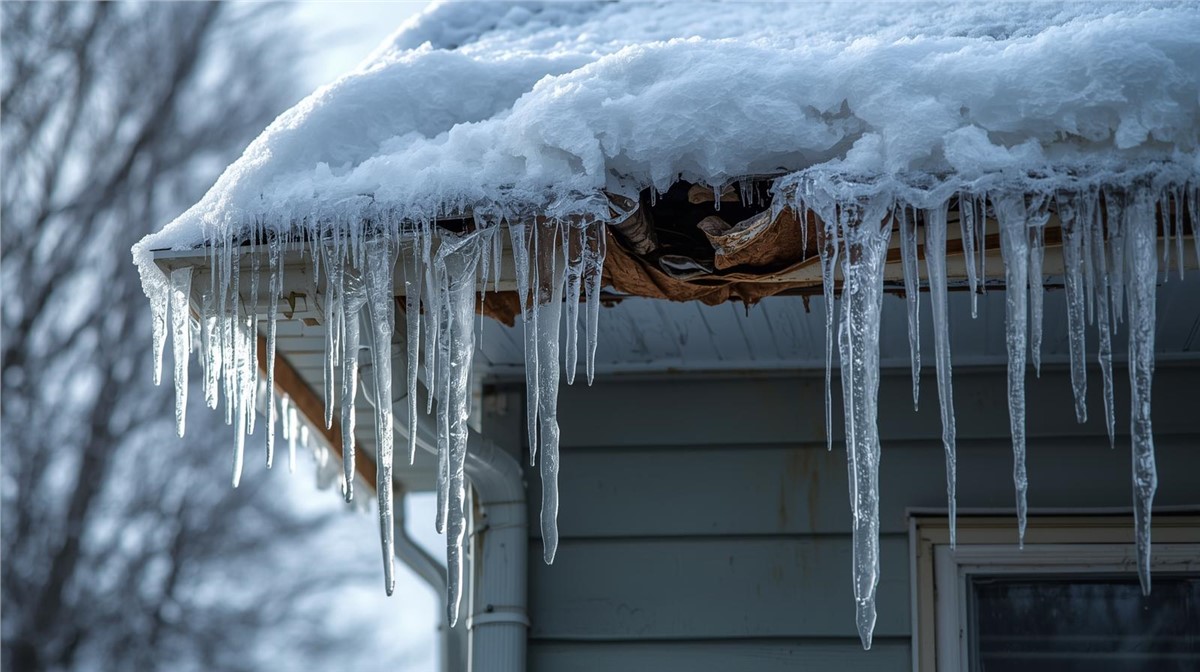
Ice dams are one of the most common—and misunderstood—winter roofing problems in the Midwest. While icicles hanging from your roofline may look harmless, they often signal a deeper issue forming along the edges of your roof.
For homeowners in Wisconsin and Illinois, understanding the hidden damage ice dams cause to roofs and gutters is essential. Left unaddressed, ice dams can lead to leaks, structural rot, insulation damage, and costly gutter repairs.
What Is an Ice Dam?
An ice dam forms when snow on your roof melts and then refreezes at the colder roof edge (typically near the eaves).
Here’s how it happens:
Heat escapes from your attic into the roof
Snow melts on warmer upper roof areas
Meltwater flows downward
Water refreezes at the colder roof edge
Ice builds up, creating a ridge (the “dam”)
As more snow melts, water gets trapped behind the ice barrier—with nowhere to go.
Why Ice Dams Are So Common in the Midwest
Wisconsin and Illinois winters create ideal conditions for ice dams:
Heavy snowfall
Fluctuating temperatures around freezing
Sun exposure during the day and freezing at night
Poor attic insulation or ventilation
Repeated freeze–thaw cycles worsen the buildup.
Hidden Roof Damage Caused by Ice Dams
Ice dams don’t just sit on top of your roof—they force water underneath your roofing materials.
1. Water Backing Up Under Shingles
When water can’t drain off the roof, it backs up beneath shingles.
This can lead to:
Wet roof decking
Interior ceiling leaks
Stained drywall
Peeling paint
Even small amounts of trapped water can cause significant long-term damage.
2. Roof Deck Rot
Repeated winter seasons with ice dams allow moisture to soak into roof decking.
Over time, this may cause:
Soft or sagging roof areas
Structural wood rot
Compromised support beneath shingles
Rot often remains hidden until significant deterioration occurs.
3. Damaged Underlayment
Roofing underlayment is designed to provide a secondary moisture barrier. However, constant exposure to trapped water weakens this layer, reducing its effectiveness during future storms.
Gutter Damage from Ice Dams
Ice dams don’t only damage the roof—they place enormous stress on gutters.
1. Heavy Ice Weight
Ice accumulation along the roof edge often extends into the gutters.
This added weight can cause:
Gutters pulling away from fascia boards
Bent or warped sections
Separated seams
Midwest winters with heavy snow loads make this particularly common.
2. Fascia and Soffit Rot
When gutters sag or overflow due to ice buildup, water can seep behind fascia boards.
This may result in:
Wood rot
Mold growth
Paint deterioration
Once moisture penetrates these areas, repairs can become more extensive.
3. Drainage Failure During Thaw
When temperatures rise, large volumes of water may suddenly melt.
If gutters are clogged with ice, water overflows down siding and near the foundation—potentially causing basement moisture issues.
Interior Damage from Ice Dams
Many homeowners first notice ice dam problems inside the home.
Common signs include:
Water stains on ceilings
Wet attic insulation
Mold or musty smells
Peeling interior paint
By the time these symptoms appear, water intrusion has often been happening for weeks.
Why Ice Dams Get Worse Each Year
Ice dams are often a recurring issue.
If the underlying causes—such as poor insulation or ventilation—aren’t corrected, each winter adds more stress to the roofing system.
Small vulnerabilities grow larger with every freeze–thaw cycle.
Preventing Ice Dam Damage
While no home is completely immune, several steps greatly reduce risk.
1. Improve Attic Insulation
Proper insulation prevents warm indoor air from escaping into the attic and melting roof snow unevenly.
2. Ensure Balanced Ventilation
Soffit and ridge vents help maintain consistent roof temperatures.
3. Seal Air Leaks
Air gaps around attic hatches, recessed lights, and ductwork allow warm air into the attic.
Sealing these leaks reduces heat buildup.
4. Maintain Gutters
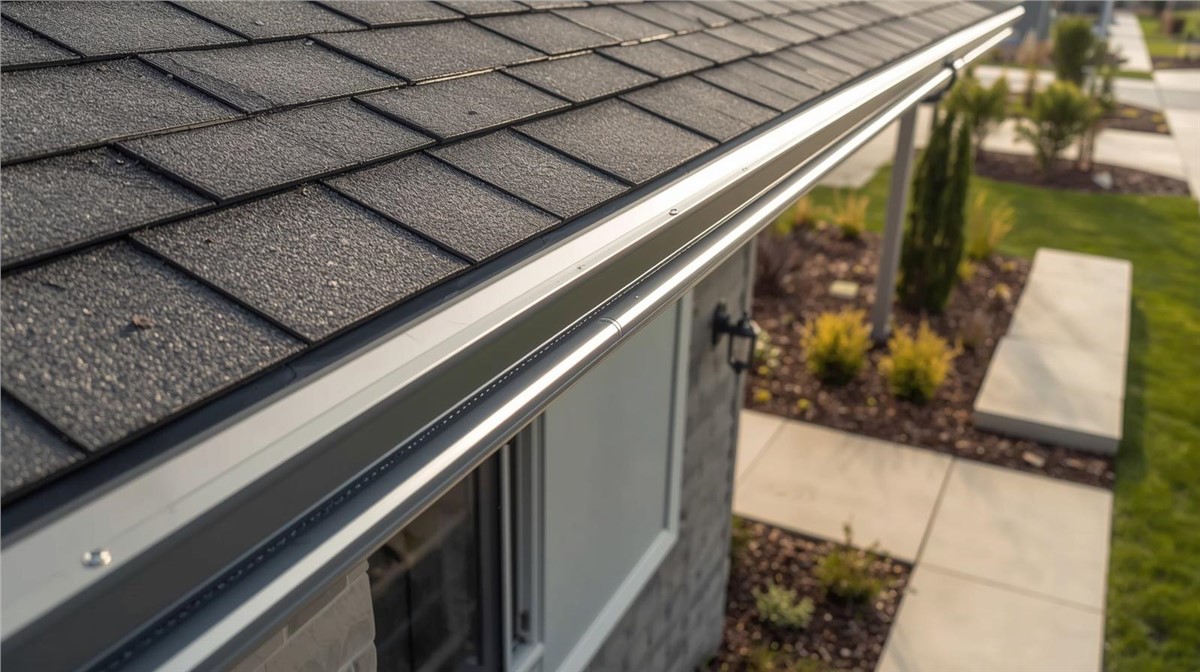
Clean, properly secured gutters allow meltwater to drain effectively during thaw periods.
5. Install Ice and Water Shield
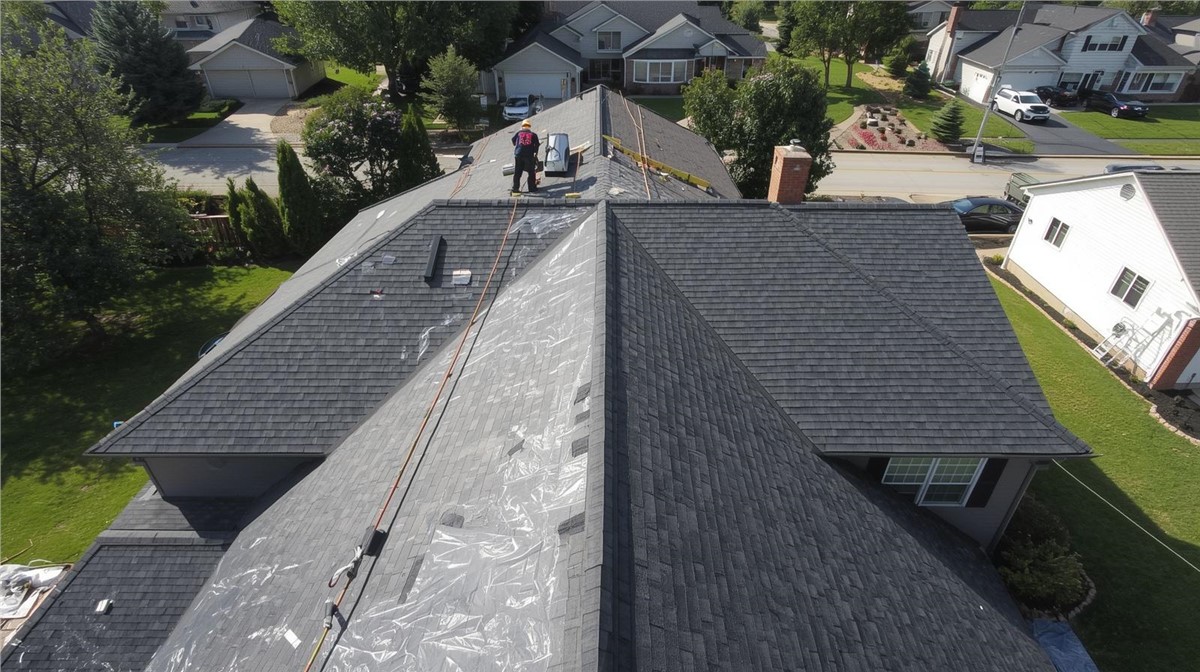
When replacing a roof, adding an ice and water barrier along eaves provides extra protection against water backup.
Warning Signs You Shouldn’t Ignore
Call for an inspection if you notice:
Large icicles along roof edges
Repeated winter leaks
Sagging gutters
Visible ice buildup along eaves
Interior ceiling stains during winter
Early action prevents structural damage.
Frequently Asked Questions
Are icicles always a sign of ice dams?
Large or persistent icicles often indicate heat escaping from the attic and potential ice dam formation.
Can ice dams damage new roofs?
Yes. Even new roofs can be damaged if insulation and ventilation are inadequate.
Is removing snow from the roof helpful?
Careful snow removal may reduce buildup, but underlying ventilation issues must still be addressed.
Does homeowners insurance cover ice dam damage?
Coverage depends on policy details and maintenance history.
Do gutter guards prevent ice dams?
They may reduce debris buildup but do not eliminate ice formation caused by heat loss.
Protecting Your Roof Through Midwest Winters
Ice dams may appear harmless at first, but the hidden damage they cause to roofs and gutters can be significant. In Wisconsin and Illinois, proper insulation, ventilation, and drainage are key to preventing long-term winter damage.
Huskie Exteriors works with homeowners across the Midwest, providing roofing and gutter solutions designed to handle harsh winter conditions. Addressing ice dam risks early helps protect your home from leaks, structural damage, and costly repairs season after season.
Subscribe to Huskie Exteriors's Blog





Comments