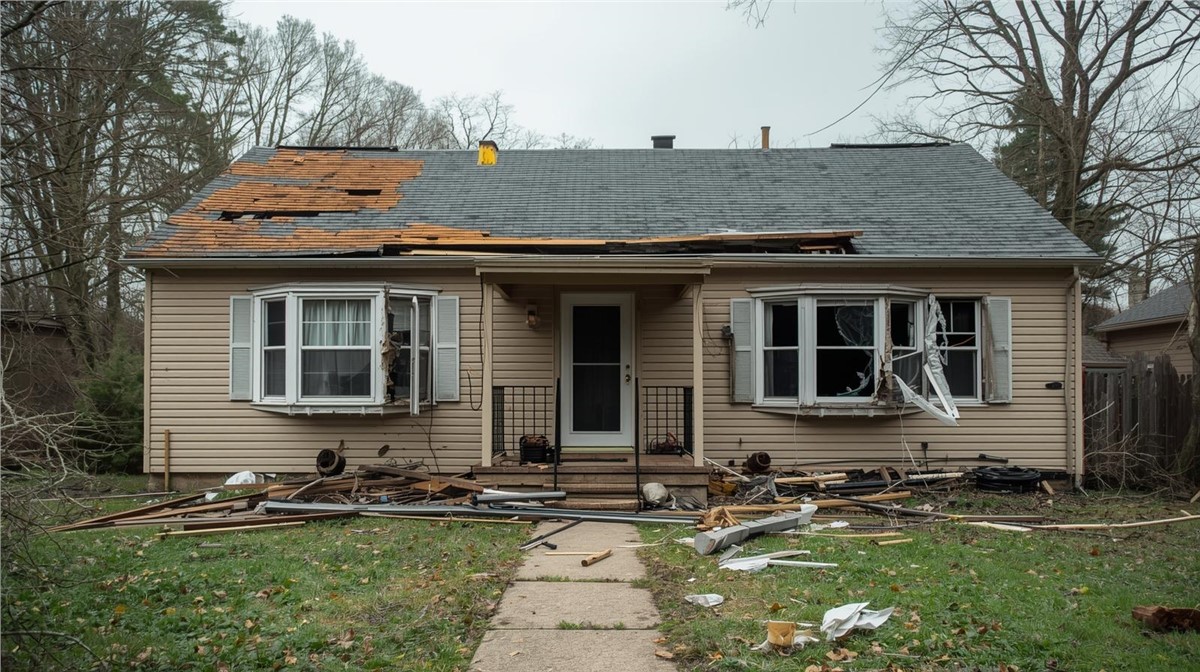
Storms in Illinois can move through quickly—but the damage they leave behind doesn’t always show up right away. High winds, hail, heavy rain, and sudden temperature shifts can cause hidden exterior problems that worsen over time.
While some damage is obvious—like missing shingles or fallen gutters—many serious issues stay concealed until water stains appear inside your home. Understanding the signs storm damage is worse than it looks helps Illinois homeowners act early and avoid costly structural repairs.
Why Storm Damage Often Goes Undetected
Illinois weather is unpredictable. A storm may last only minutes, but it can:
Break shingle seals without tearing them off
Crack siding without creating visible holes
Shift flashing slightly out of place
Loosen gutters without detaching them
These subtle changes compromise your home’s protective barrier—even if everything looks fine from the ground.
1. Your Roof Looks Intact — But Shingles Are Compromised
After a wind or hailstorm, many roofs appear undamaged at first glance.
Hidden Roofing Issues
Lifted shingles: Wind may break the adhesive seal without removing shingles.
Hail bruising: Impact can weaken shingles without visible cracking.
Granule loss: Protective granules may be knocked loose, shortening lifespan.
Damaged shingles may still be in place—but they’re more vulnerable to future storms and leaks.
2. You Notice Granules in the Gutters
After a hailstorm, check your gutters and downspouts.
Excess shingle granules can indicate:
Impact damage
Accelerated aging
Surface layer deterioration
Granule loss exposes asphalt to UV rays and moisture, reducing roof durability.
3. Flashing Has Shifted or Lifted
Flashing protects areas where different materials meet, such as:
Around chimneys
Roof valleys
Skylights
Wall-to-roof transitions
High winds can loosen flashing slightly—enough to allow water intrusion without immediate signs.
Leaks caused by flashing damage may appear weeks or months later.
4. Siding Has Subtle Cracks or Loosened Panels
Hail and debris can cause small cracks in siding that aren’t obvious unless closely inspected.
Watch for:
Hairline cracks
Chips or dents
Panels pulling away at corners
Gaps near trim
Wind-driven rain can enter these small openings and damage wall insulation and sheathing over time.
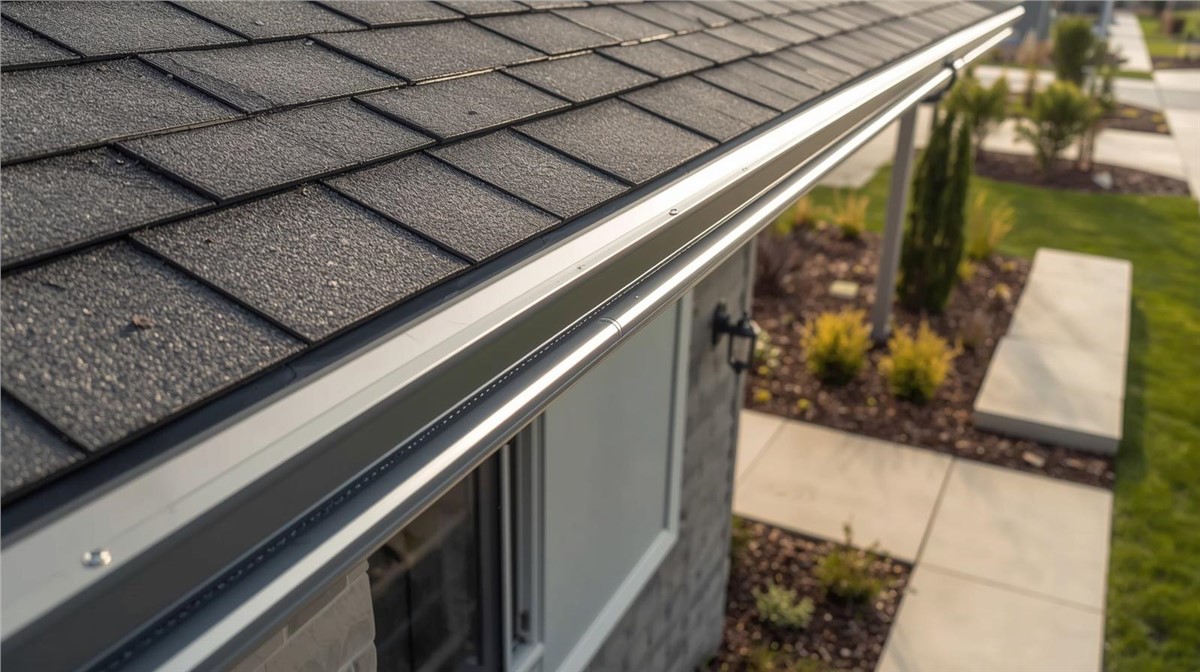
5. Gutters Are Slightly Misaligned
Gutters don’t have to fall off to cause problems.
After storms, look for:
Gutters pulling away from fascia
Sagging sections
Leaks at seams
Downspouts disconnected at joints
Even minor misalignment can cause water to overflow near the foundation during the next rain.
6. Interior Water Stains Appear Weeks Later
Sometimes the first sign of storm damage shows up inside your home.
Look for:
Ceiling stains
Peeling paint
Bubbling drywall
Musty odors
These issues often point to exterior damage that wasn’t addressed after the storm.
7. Increased Drafts or Temperature Changes
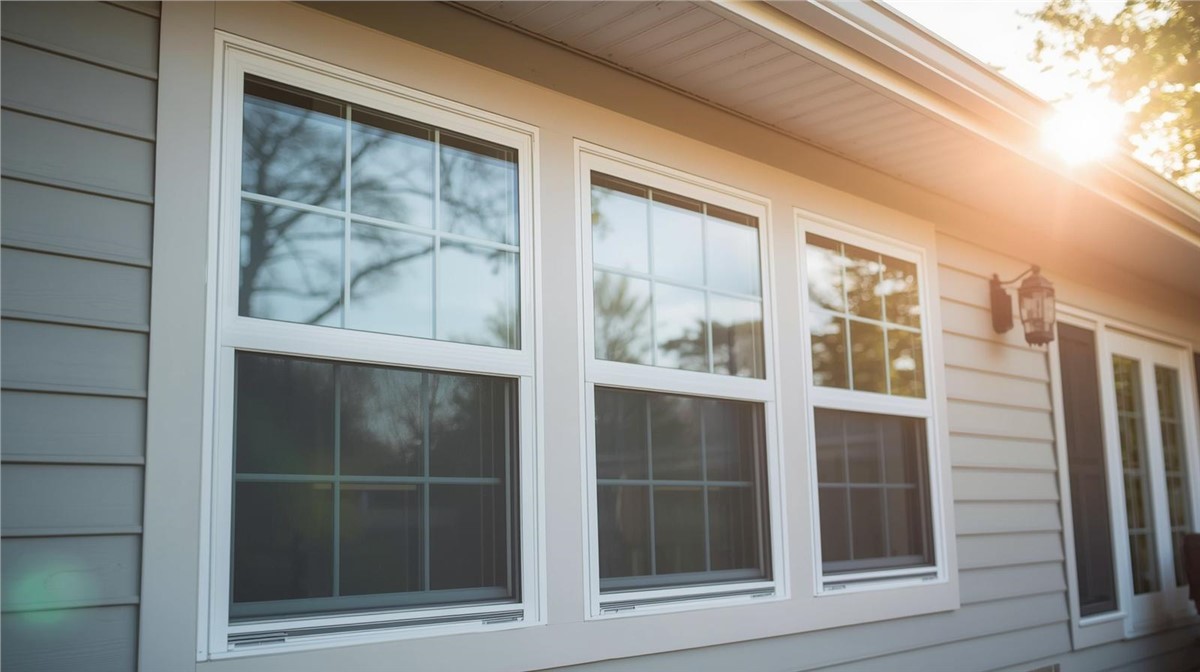
Storm damage to windows, doors, or roof seals can create air leaks.
If you notice:
Rooms that feel colder after a storm
Increased energy bills
Drafts near windows
the exterior may have subtle damage affecting insulation and sealing.
8. Ice Dams Form After Storm Season
In Illinois, storm-related roof damage in fall can worsen during winter.
Broken seals or small shingle gaps allow water infiltration when freeze-thaw cycles begin. Ice dams may form more easily on a roof already weakened by storm impact.
Why Minor Storm Damage Gets Worse Over Time
The Midwest’s climate accelerates deterioration.
A small crack today can become:
A roof leak during spring rain
Rotting roof decking
Mold inside wall cavities
Structural wood damage
Because Illinois experiences frequent weather shifts, small weaknesses don’t stay small for long.
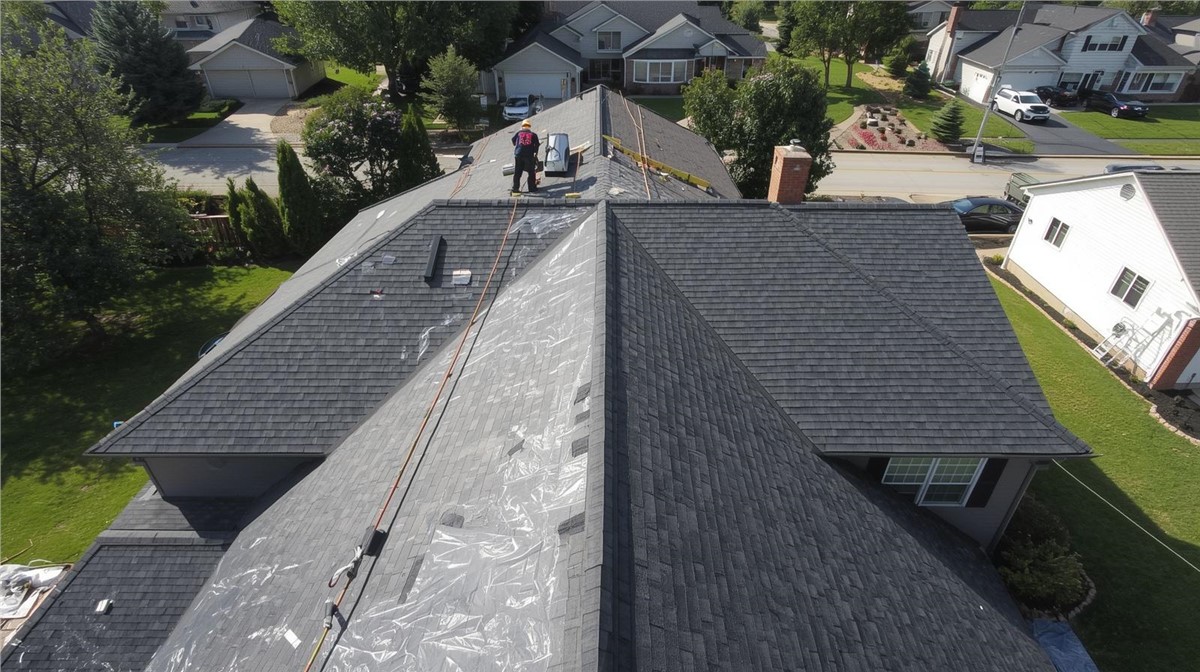
When to Schedule a Professional Inspection
Consider a professional evaluation after:
Hailstorms
High-wind events
Heavy rain combined with wind
Fallen tree branches contacting the roof
Many forms of storm damage are difficult—and unsafe—to inspect from the ground.
The Insurance Factor
Insurance policies often cover sudden storm damage but not long-term neglect.
Prompt inspections help:
Document damage early
Prevent worsening issues
Support insurance claims when applicable
Waiting too long can complicate coverage.
Preventing Future Storm-Related Problems
While storms are unavoidable, preparation helps reduce risk.
Maintain gutters and downspouts
Keep trees trimmed away from the roof
Ensure proper attic ventilation
Address small repairs quickly
A well-maintained exterior is more resilient during severe weather.
Frequently Asked Questions
Can hail damage a roof without visible holes?
Yes. Hail can bruise shingles and weaken them without causing immediate leaks.
Should I inspect my roof after every storm?
After severe storms—especially hail or high winds—yes.
Can small siding cracks cause serious issues?
Over time, yes. Moisture intrusion can damage walls behind the siding.
How long after a storm can damage appear?
Leaks and interior signs may appear weeks or even months later.
Is professional inspection necessary?
For safety and accuracy, professional inspections are strongly recommended.
Don’t Let Hidden Damage Turn Into Major Repairs
Storm damage in Illinois isn’t always obvious. What looks minor from the ground may compromise your roof, siding, gutters, or flashing. Acting early protects your home’s structure, prevents moisture intrusion, and avoids costly long-term repairs.
Huskie Exteriors works with homeowners across Illinois, bringing experience in roofing, siding, windows, and gutters designed for Midwest storm conditions. A thorough post-storm evaluation can help ensure your home remains protected long after the skies clear.
Subscribe to Huskie Exteriors's Blog






Comments