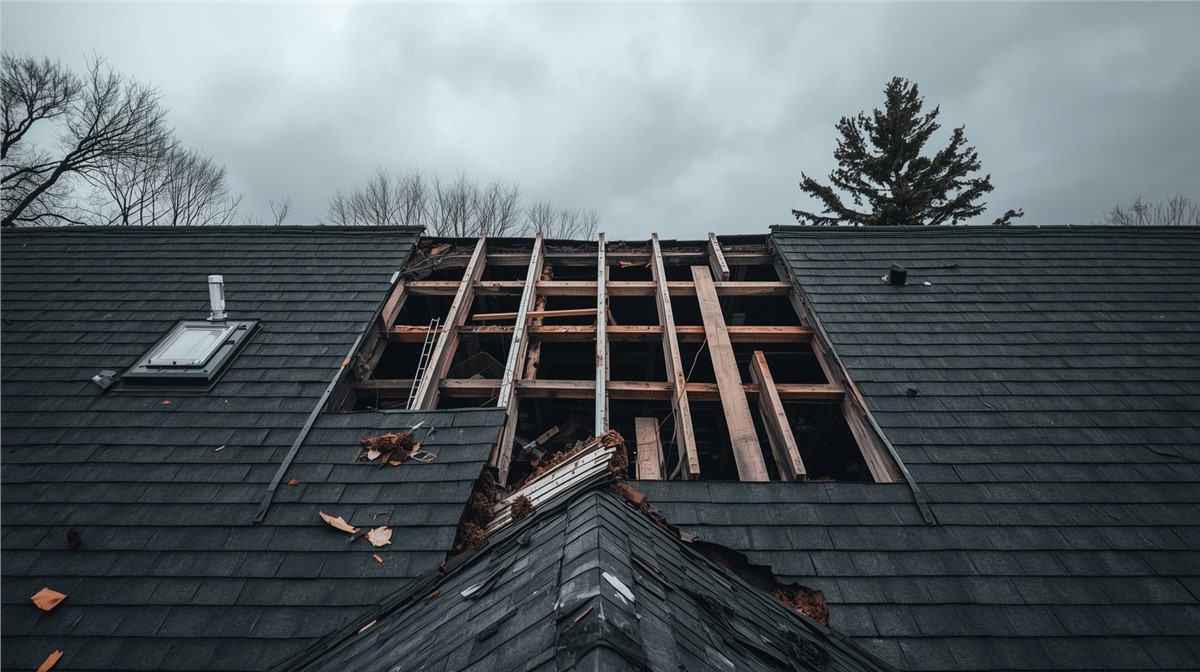
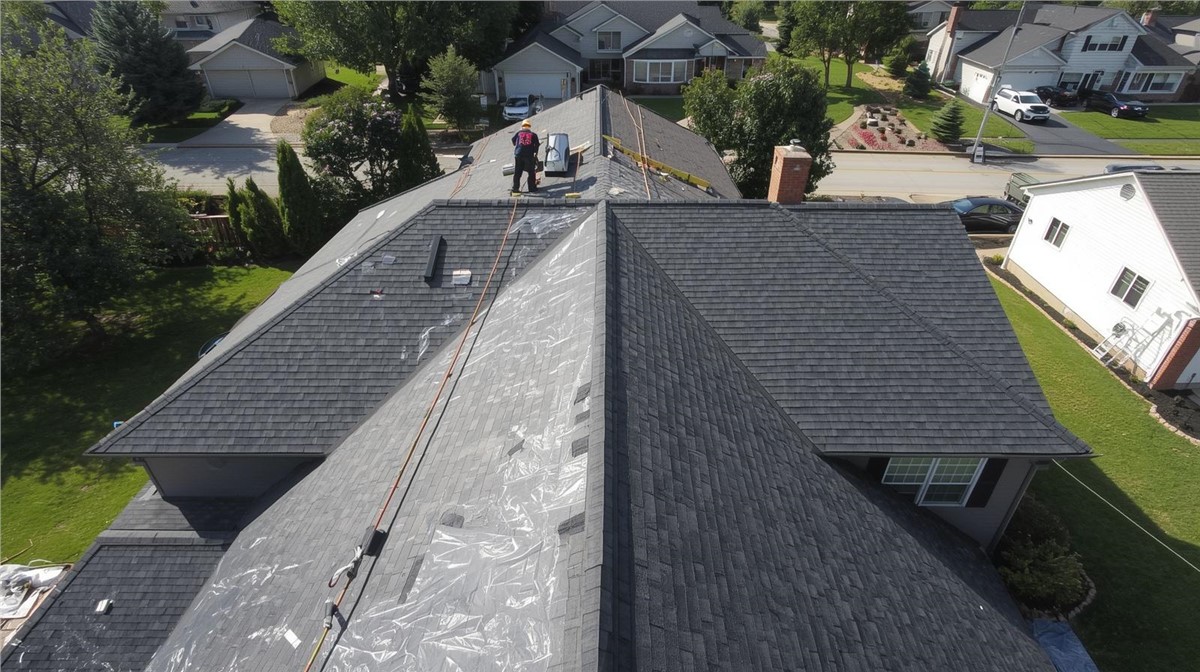
Roof repairs are a normal part of homeownership—especially in Wisconsin and Illinois, where roofs endure heavy snow, hail, high winds, humidity, and freeze-thaw cycles. But there comes a point when patching problem areas is no longer the most practical or cost-effective solution.
Understanding when a roof repair is no longer enough helps homeowners avoid repeated service calls, interior damage, and unexpected structural issues. In many cases, replacing the roof at the right time actually saves money and protects the home more effectively in the long run.
The Difference Between Repairable Damage and System Failure
Most roofs can handle isolated issues such as:
A few missing shingles after a windstorm
Minor flashing damage
Small, localized leaks
Limited hail impact
However, roofing systems are designed to work as a complete protective barrier. When deterioration becomes widespread or structural components are affected, repairs may only provide temporary relief.
1. Your Roof Is Near or Beyond Its Expected Lifespan
In the Midwest, typical asphalt shingle roofs last about 20–25 years, depending on material quality, installation, and weather exposure.
If your roof is approaching that range and showing signs of wear, repeated repairs may only delay the inevitable. Aging materials become brittle, lose granules, and struggle to seal properly during temperature swings.
Age plus visible deterioration is often the strongest indicator that replacement makes more sense than ongoing repairs.
2. Widespread Shingle Damage
Occasional damaged shingles are repairable. But replacement may be necessary when you see:
Curling or cupping shingles across large sections
Extensive granule loss
Multiple cracked or brittle shingles
Bald spots exposing the asphalt layer
These signs suggest the roofing system as a whole is deteriorating—not just isolated areas.
3. Recurring Leaks
One leak doesn’t always mean full replacement. But recurring leaks—especially in different areas—often signal deeper issues.
Water may be entering through:
Failing underlayment
Compromised decking
Aging flashing throughout the roof
Repeated repairs in multiple locations can become more expensive than installing a new system.
4. Ice Dam Damage Year After Year
Ice dams are common in Wisconsin and Illinois. Occasional issues can be managed with insulation and ventilation improvements. But if your roof repeatedly suffers ice dam damage, the underlying system may no longer be performing effectively.
Signs include:
Persistent interior water stains each winter
Damaged shingles along roof edges
Warped or rotted decking near eaves
In these cases, replacing the roofing system with proper ice and water barriers may provide long-term protection.
5. Sagging or Soft Areas
A sagging roofline or soft spots when walking on the roof (professional inspection recommended) may indicate structural decking damage.
This can result from:
Long-term moisture exposure
Rotting wood
Compromised support structures
Structural damage typically requires more than surface repairs.
6. Storm Damage Across Large Sections
Midwest storms can cause widespread hail or wind damage.
While insurance may cover repairs for small areas, replacement is often recommended if:
Damage is spread across multiple slopes
Shingle seals are broken throughout the roof
Impact damage weakens large sections
A roof that has lost its overall integrity is more vulnerable to future storms.
7. Rising Energy Bills
An aging roof may contribute to energy inefficiency, especially if ventilation and insulation systems are compromised.
Warning signs include:
Increased heating costs during winter
Uneven attic temperatures
Ice dam formation linked to heat loss
A new roofing system, combined with improved ventilation, can enhance overall energy performance.
8. Constant Repairs Adding Up
If you’ve had multiple repairs in the last few years, consider the total cost.
Repeated service visits for:
Shingle replacement
Flashing repairs
Leak patching
can quickly approach the cost of a full replacement—without providing the same long-term reliability.
9. Visible Roof Deck Damage From the Attic
Checking your attic can reveal hidden issues.
Look for:
Water stains on decking
Daylight visible through roof boards
Mold or musty odors
Damp insulation
If structural components are compromised, replacement is often necessary.
Why Midwest Weather Accelerates Replacement Needs
Wisconsin and Illinois roofs face unique stresses:
Freeze-thaw cycles that crack materials
Heavy snow loads
Wind-driven rain
Severe thunderstorms and hail
These conditions shorten the lifespan of aging systems. A roof that might last longer in a mild climate may require earlier replacement in the Midwest.
The Benefits of Replacing at the Right Time
Replacing your roof before catastrophic failure offers several advantages:
Prevents interior water damage
Protects structural components
Improves energy efficiency
Enhances curb appeal
Reduces stress during storm season
Planned replacement is typically less disruptive and more cost-effective than emergency replacement after major failure.
Repair vs. Replacement: How to Decide
Ask yourself:
Is the damage isolated or widespread?
How old is the roof?
Are problems recurring?
Is the structure beneath the shingles sound?
A professional inspection can provide clarity and help you weigh short-term repairs against long-term reliability.
Frequently Asked Questions
Can a roof be repaired indefinitely?
No. All roofing systems eventually reach the end of their service life.
Does insurance cover full replacement?
If storm damage is extensive, insurance may cover replacement. Gradual wear typically is not covered.
Is it cheaper to keep repairing?
Short-term, yes. Long-term, repeated repairs often cost more.
How long does roof replacement take?
Most residential replacements take 1–3 days, depending on size and complexity.
Should I replace before selling my home?
A new roof can improve buyer confidence and reduce inspection concerns.
Making the Smart Long-Term Decision
Roof repairs are part of maintaining your home—but knowing when repairs are no longer enough is just as important. In Wisconsin and Illinois, harsh weather can accelerate roofing wear, making timely replacement essential for protecting your home’s structure and value.
Huskie Exteriors works with homeowners across WI & IL, bringing experience in roofing systems built for Midwest conditions. A thorough evaluation can help determine whether repair or replacement is the smarter investment for your home.
Subscribe to Huskie Exteriors's Blog



Comments