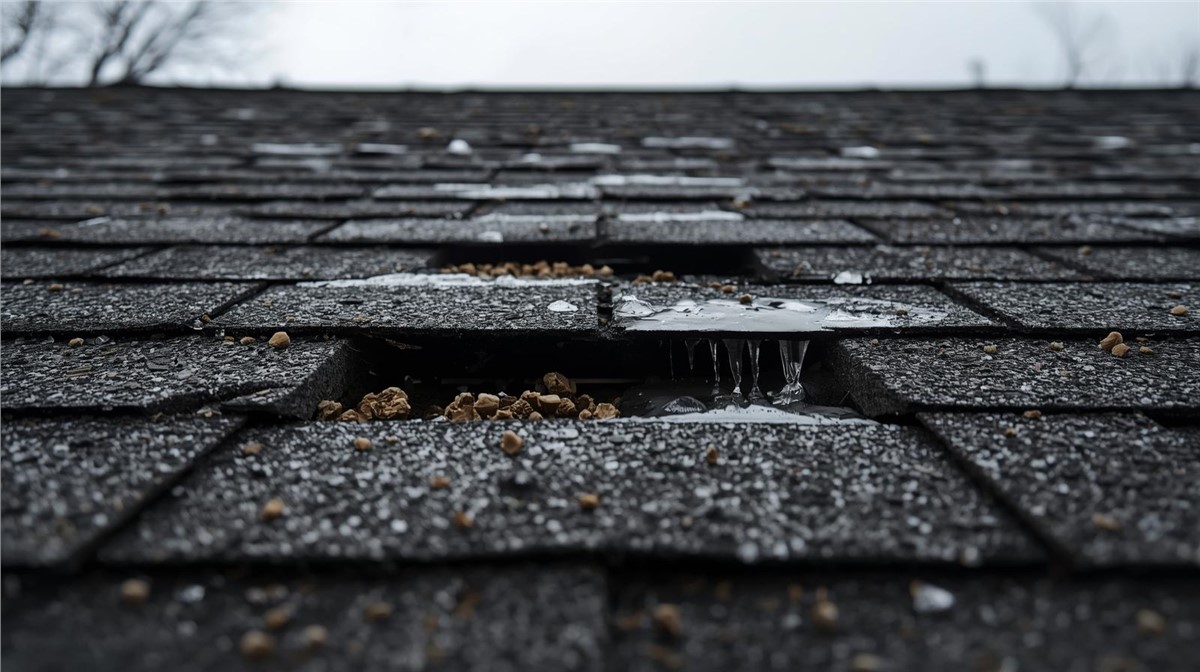
Illinois homeowners are no strangers to unpredictable winter weather. One day temperatures hover above freezing, melting snow across rooftops. The next, temperatures plunge below 32°F, turning that moisture into ice. These constant shifts create what’s known as freeze–thaw cycles—and they are one of the most damaging forces affecting roofs across Illinois.
Understanding how freeze–thaw cycles damage Illinois roofs helps homeowners prevent leaks, extend roof lifespan, and avoid costly structural repairs.
What Is a Freeze–Thaw Cycle?
A freeze–thaw cycle occurs when:
Snow or ice melts during warmer daytime temperatures
Water seeps into small cracks or gaps in roofing materials
Overnight temperatures drop below freezing
The water freezes and expands
The expansion widens cracks and weakens materials
This process can repeat dozens of times each winter in Illinois, especially during late winter and early spring.
Why Illinois Roofs Are Especially Vulnerable
Illinois experiences:
Frequent temperature swings around freezing
Heavy snow followed by sudden thaws
Ice storms and freezing rain
High winds during winter fronts
Unlike consistently cold climates, Illinois’ fluctuating temperatures create more freeze–thaw cycles, increasing stress on roofing materials.
How Freeze–Thaw Cycles Damage Shingles
1. Cracking and Splitting
When water enters small cracks in shingles and freezes, it expands. Over time, this leads to:
Brittle or cracked shingles
Broken shingle tabs
Premature aging
Older asphalt shingles are particularly vulnerable to this kind of stress.
2. Granule Loss
Granules protect shingles from UV rays and weather damage. Freeze–thaw cycles can loosen these granules, especially when combined with ice and wind.
Homeowners may notice:
Excess granules in gutters
Dark or bald patches on shingles
Loss of granules shortens roof lifespan.
3. Broken Adhesive Seals
Shingles rely on adhesive strips to seal against wind. Freeze–thaw movement can weaken or break these seals.
Loose shingles are more likely to lift during Illinois windstorms, allowing water intrusion.
Ice Dams: A Major Freeze–Thaw Problem
One of the most common winter roofing issues in Illinois is ice dam formation.
How Ice Dams Form
Heat escapes into the attic
Snow melts on the upper roof
Meltwater runs down to colder eaves
Water refreezes, forming a ridge of ice
Additional meltwater backs up under shingles
This trapped water can seep into:
Roof decking
Insulation
Interior ceilings and walls
Ice dams are directly linked to freeze–thaw activity.
Flashing and Sealant Damage
Flashing protects roof penetrations like chimneys, vents, and skylights.
When water seeps into tiny gaps around flashing and freezes, it can:
Separate flashing from the roof surface
Crack sealants
Create entry points for leaks
Because flashing is often hidden from ground view, damage may go unnoticed until interior leaks appear.
Roof Deck and Structural Stress
Moisture that penetrates under shingles can affect roof decking.
Repeated freezing and thawing can lead to:
Warped decking
Rotting wood
Weakened structural integrity
Illinois homes with older roofing systems are especially at risk.
Gutters and Drainage Complications
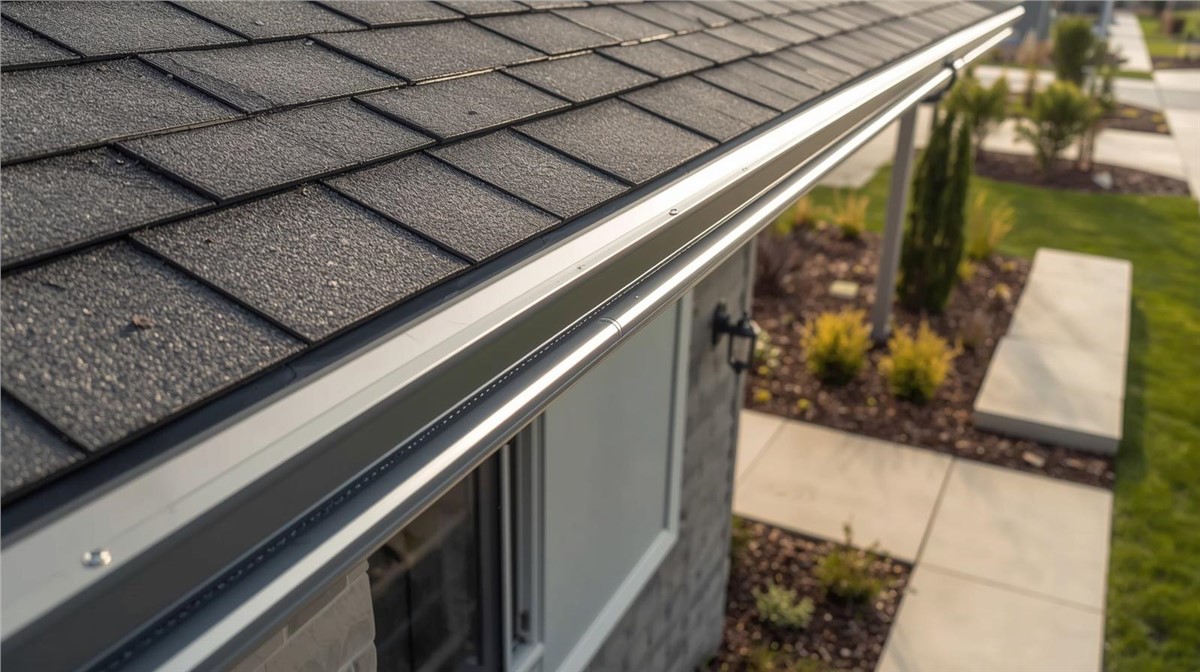
Freeze–thaw cycles also affect gutters.
Ice Buildup
Water freezing inside gutters can cause:
Sagging sections
Separation from fascia boards
Cracks at seams
When gutters fail, water overflows down siding and near the foundation.
Why Small Problems Escalate Quickly
The most dangerous aspect of freeze–thaw damage is how gradually it develops.
A tiny crack this winter can become:
A shingle failure next season
A leak during spring storms
Interior water damage months later
Illinois’ frequent weather shifts accelerate this progression.
Warning Signs of Freeze–Thaw Roof Damage
Homeowners should look for:
Curling or cracked shingles
Missing granules
Loose flashing
Large icicles forming along roof edges
Water stains on ceilings
Mold or musty attic smells
If these signs appear after winter, freeze–thaw stress may be the cause.
How to Prevent Freeze–Thaw Roof Damage
While you can’t stop Illinois weather, you can reduce its impact.
1. Improve Attic Insulation
Proper insulation prevents heat from escaping into the attic, reducing uneven snow melt.
2. Ensure Proper Ventilation
Balanced ventilation helps maintain consistent roof temperatures and reduces ice dam risk.
3. Maintain Gutters
Clean, properly pitched gutters allow water to drain efficiently during thaw periods.
4. Repair Small Issues Promptly
Address cracked shingles, damaged flashing, and loose seals before the next freeze cycle worsens them.
5. Schedule Annual Inspections
A professional inspection in early spring can catch freeze–thaw damage before heavy spring rains begin.
Why Illinois Homes Need Proactive Roof Care
Illinois winters are unpredictable. Some years bring heavy snow; others bring repeated thaw cycles. Both can stress roofing systems in different ways.
Homes with older shingles, poor ventilation, or minor existing damage are most vulnerable to freeze–thaw deterioration.
Regular maintenance and timely upgrades significantly extend roof lifespan.
Frequently Asked Questions
Are freeze–thaw cycles worse than constant freezing?
Yes. Constant freezing causes less expansion and contraction than repeated freezing and thawing.
Can freeze–thaw damage be prevented completely?
Not entirely, but proper insulation, ventilation, and maintenance greatly reduce risk.
Is freeze–thaw damage covered by insurance?
Usually only if it leads to sudden, covered damage—not gradual deterioration.
How often should Illinois roofs be inspected?
At least once per year and after severe winter weather.
Do newer roofs resist freeze–thaw damage better?
High-quality materials installed correctly perform much better, but no roof is immune.
Protecting Your Illinois Roof From Seasonal Stress
Freeze–thaw cycles are a normal part of Illinois winters—but the damage they cause doesn’t have to be. With proper ventilation, insulation, drainage, and regular inspections, homeowners can reduce risk and extend the life of their roofs.
Huskie Exteriors works with homeowners across Illinois, bringing experience in roofing systems designed for Midwest weather conditions. A proactive approach to winter-related wear helps ensure your roof stays strong through every freeze and thaw.
Subscribe to Huskie Exteriors's Blog




Comments