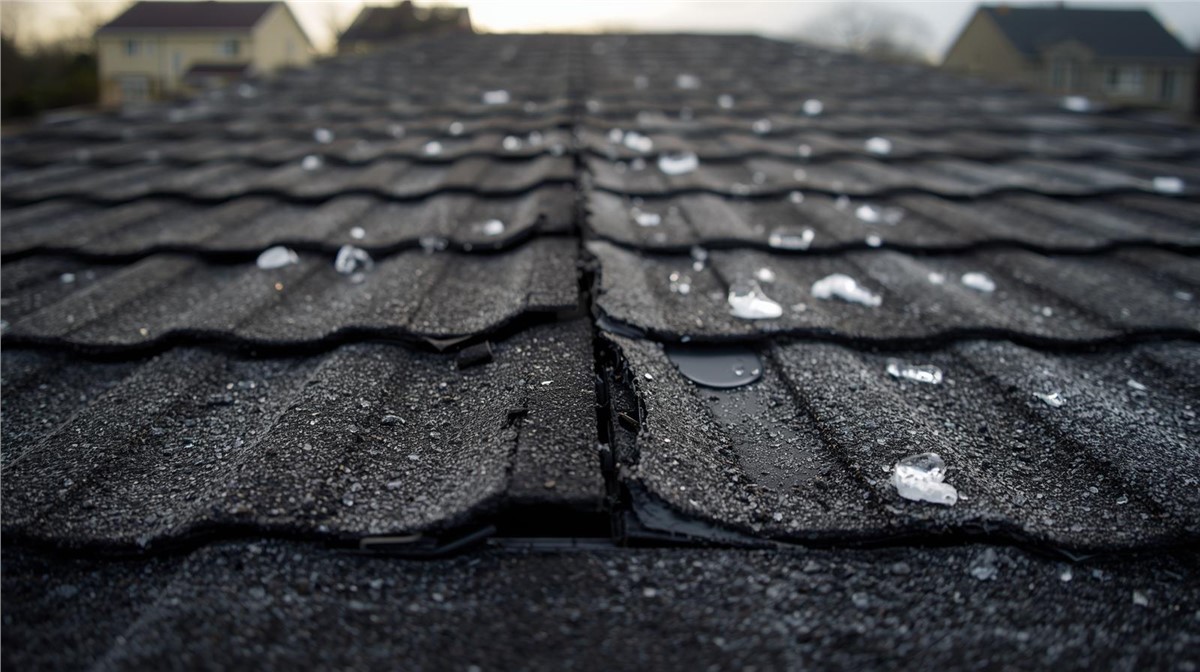
After a severe Midwest storm, many homeowners step outside, look up at their roof, and wonder the same thing: What kind of damage did we actually get? In Illinois and Wisconsin, storms often bring both high winds and hail, sometimes in the same event. While the damage they cause can look similar at first glance, wind damage and hail damage affect roofs in very different ways.
Knowing the difference matters more than most people realize. It impacts repair decisions, insurance claims, timelines, and long-term roof performance. This guide breaks down how wind and hail damage differ, what warning signs to look for, and why proper identification is so important for Midwest homeowners.
Wind and hail damage affect roofs differently—and misidentifying the cause can delay repairs or complicate insurance claims.
Why Midwest Storm Damage Can Be Hard to Identify
Illinois and Wisconsin storms are rarely simple. A single system may include:
Straight-line winds exceeding 60 mph
Large hail driven sideways by gusts
Heavy rain following impact damage
Rapid temperature drops after the storm
Because these elements happen together, damage patterns can overlap. Some issues also take weeks or months to show visible symptoms, especially during freeze–thaw cycles.
What Wind Damage Looks Like on a Roof
Wind damage occurs when uplift forces exceed the roof’s ability to hold shingles in place. This is especially common on older roofs or roofs with compromised sealing.
Common Signs of Wind Damage
Lifted or flapping shingles
Missing shingles exposing underlayment
Creased shingles (a visible horizontal fold where the shingle bent upward)
Loose ridge caps along roof peaks
Debris impact from branches or neighboring materials
Wind damage often follows a pattern, affecting roof edges, corners, and ridgelines first—areas most exposed to uplift.
Why Wind Damage Gets Worse Over Time
Once shingles lose their seal, they’re more vulnerable to:
Additional wind events
Water intrusion beneath the shingle layer
Progressive shingle loss
Even a single lifted shingle can allow moisture to spread beneath surrounding materials.
What Hail Damage Looks Like on a Roof
Hail damage is caused by direct impact. In Illinois and Wisconsin, hailstones can range from pea-sized to golf-ball-sized—or larger during severe storms.
Common Signs of Hail Damage
Circular or irregular impact marks on shingles
Granule loss exposing darker asphalt beneath
Soft spots where the shingle mat has been bruised
Cracked shingles in severe cases
Dents in metal components like vents, flashing, gutters, or siding
Unlike wind damage, hail damage is often spread randomly across the roof, depending on wind direction and hail size.
Why Hail Damage Isn’t Always Obvious
Some hail damage doesn’t cause immediate leaks. Instead, it weakens shingles internally. Over time, UV exposure and freeze–thaw cycles accelerate deterioration, leading to premature roof failure years earlier than expected.
Key Differences Between Wind and Hail Damage
Understanding the patterns helps distinguish one from the other.
Damage Pattern
Wind damage: directional, often consistent across a slope
Hail damage: scattered, impact-based, less uniform
Shingle Appearance
Wind: lifted edges, creasing, missing sections
Hail: round marks, granule loss, bruising
Secondary Indicators
Wind: debris displacement, loose flashing
Hail: dented gutters, downspouts, window trim, and siding
Often, the presence of dented metal components strongly points to hail as a contributing factor.
Why Correct Identification Matters for Insurance
Insurance coverage often depends on cause of loss. Misidentifying damage can lead to claim delays or disputes.
Wind Damage and Insurance
Wind damage is typically covered under standard homeowners insurance, provided:
Damage occurred during a documented storm event
Repairs are reported within a reasonable timeframe
Hail Damage and Insurance
Hail damage is also commonly covered, but insurers often:
Require detailed documentation
Assess granule loss and shingle bruising carefully
Distinguish between functional damage and cosmetic wear
If hail damage is mistaken for wear-and-tear, claims may be denied or reduced.
The Risk of Delaying Repairs—Regardless of Cause
Whether damage comes from wind or hail, delaying action creates similar risks.
Moisture Intrusion
Damaged shingles allow water beneath the roofing system, leading to:
Decking deterioration
Insulation saturation
Mold growth
Energy Efficiency Loss
Compromised roofing systems affect attic performance, increasing heat loss in winter and heat gain in summer—both costly in Midwest climates.
Accelerated Roof Aging
Minor storm damage often becomes widespread failure after:
Additional storms
Freeze–thaw cycles
Prolonged UV exposure
How Siding, Windows, and Gutters Provide Clues
Roof damage rarely occurs alone. Exterior components often tell the rest of the story.
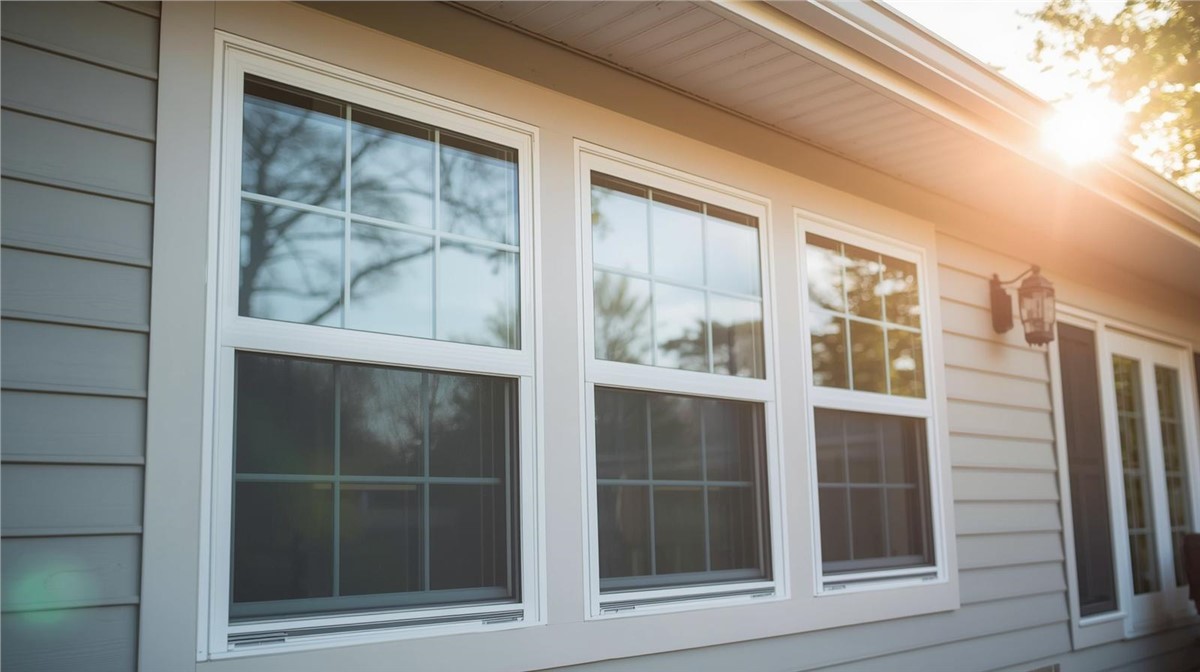
Siding dents or cracks suggest hail impact
Window trim damage may indicate hail-driven debris
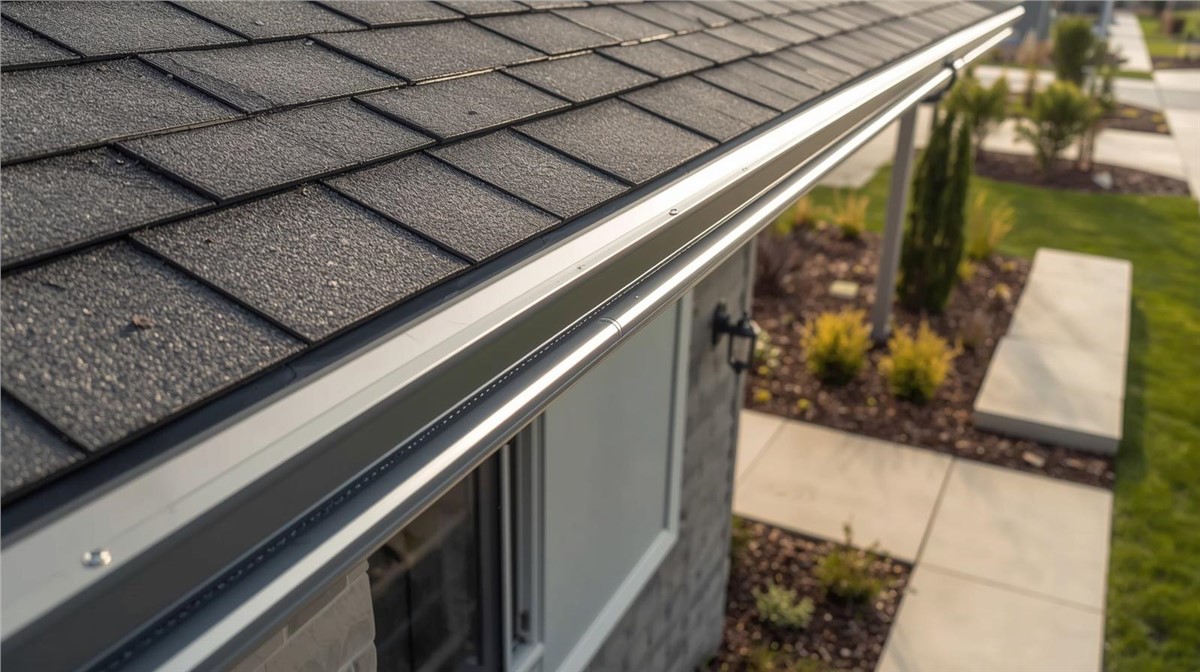
Bent gutters or downspouts often point to hail rather than wind
Overflowing gutters can worsen roof edge damage
A comprehensive exterior inspection helps confirm storm damage type and extent.
Why DIY Assessments Can Miss Critical Damage
Homeowners can spot obvious issues, but storm damage assessment is more complex than it appears.
Professionals look for:
Shingle mat bruising not visible from the ground
Seal strip failures caused by uplift
Impact angles consistent with hail size and wind direction
Code and manufacturer standards tied to repair vs. replacement
Misjudging damage severity can lead to under-repairing the roof.
Preventive Steps After Any Major Storm
Regardless of whether wind or hail is suspected, homeowners should:
Perform a visual ground-level inspection
Check attics for leaks or moisture
Document storm date and visible damage
Schedule a professional inspection promptly
Early documentation is especially important for insurance timelines.
Wind vs. Hail Damage FAQs
Can a roof have both wind and hail damage?
Yes. Many Midwest storms cause a combination of uplift and impact damage.
Does hail damage always require full roof replacement?
Not always. Severity, roof age, and shingle type determine whether repairs or replacement are appropriate.
How long after a storm can damage appear?
Some issues show up immediately, while others develop over months—especially after freeze–thaw cycles.
Can insurance deny a claim if damage is misidentified?
Yes. Incorrect cause attribution can complicate or reduce coverage.
A Smarter Way to Assess Storm Damage in Illinois and Wisconsin
Telling the difference between wind and hail damage isn’t just a technical detail—it’s a critical step in protecting your home, your finances, and your roof’s longevity.
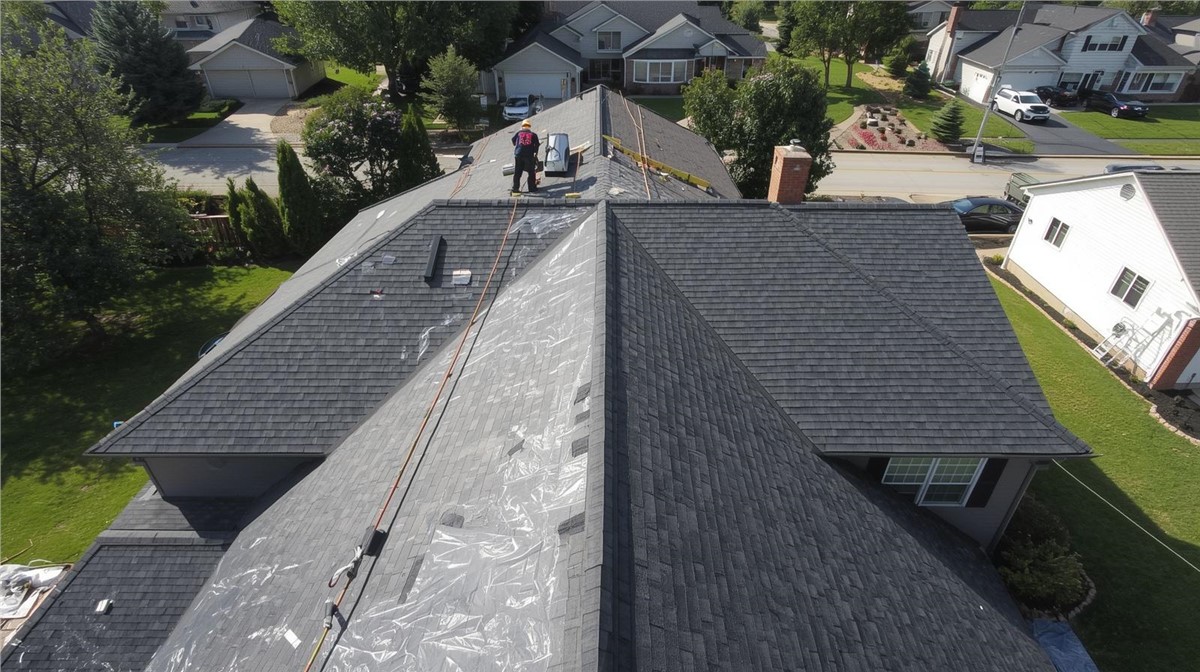
Because Midwest storms are complex, the most reliable approach is a professional inspection that looks at the entire exterior system, not just shingles. Roofing, siding, windows, gutters, and ventilation all provide valuable clues.
If your home has experienced a recent storm and you’re unsure what type of damage occurred, a local contractor like Huskie Exteriors can provide a clear, honest assessment. Understanding the difference early helps homeowners make informed repair decisions and avoid long-term consequences from delayed or incomplete fixes.
Subscribe to Huskie Exteriors's Blog






Comments