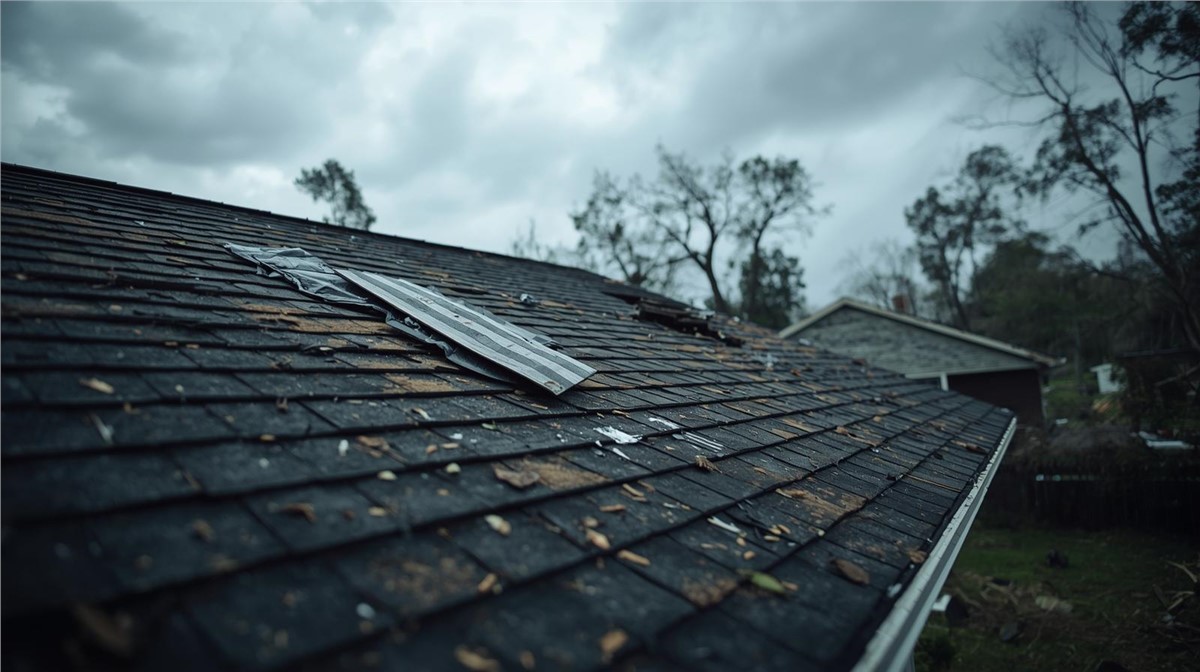
Storms are a fact of life for homeowners across Illinois and Wisconsin. From spring hailstorms and summer wind events to fall rain systems and winter ice, Midwest weather can put tremendous stress on roofing systems. After a storm passes, many homeowners take a quick look outside, see no obvious damage, and move on—planning to “deal with it later.”
Unfortunately, delaying roof repairs after a storm is one of the most common (and costly) mistakes property owners make.
Even minor storm damage can quietly worsen over time, leading to structural issues, higher energy costs, and insurance complications. Understanding what happens when repairs are postponed can help homeowners protect both their home and their long-term investment.
Delaying roof repairs after a storm often turns small, manageable issues into expensive, long-term damage.
Why Storm Damage Isn’t Always Obvious
Storm damage doesn’t always announce itself with missing shingles or water pouring through the ceiling. In many cases, the most serious problems start small.
After Midwest storms, damage may include:
Hairline cracks in shingles from hail impact
Lifted or loosened shingles from wind
Compromised flashing around chimneys or vents
Granule loss that accelerates shingle aging
From the ground, these issues are easy to miss—but they weaken your roof’s ability to shed water and regulate temperature.
How Delaying Repairs Allows Damage to Spread
Once a roof’s protective barrier is compromised, even slightly, water and air can begin working their way into places they don’t belong.
Moisture Intrusion Beneath Shingles
Water that gets beneath shingles doesn’t always drip immediately into living spaces. Instead, it can:
Soak roof decking
Saturate insulation
Travel along rafters before becoming visible
By the time interior stains appear, damage has often been occurring for weeks or months.
Progressive Shingle Failure
A single damaged shingle can expose adjacent shingles to wind uplift and moisture. Over time, this leads to:
Additional shingle loss
Accelerated wear in surrounding areas
Reduced wind resistance during the next storm
The Structural Consequences of Waiting
Roof repairs aren’t just cosmetic—they protect your home’s structure.
Wood Rot and Decking Damage
Prolonged moisture exposure can rot roof decking and framing members. Structural repairs are significantly more expensive than surface-level shingle fixes.
Mold and Indoor Air Quality Issues
Wet insulation and wood create ideal conditions for mold growth. Mold can spread into attic spaces and HVAC systems, affecting indoor air quality and increasing remediation costs.
Ceiling and Wall Damage
Water intrusion often shows up as:
Ceiling stains
Peeling paint
Warped drywall
These interior repairs add to the overall cost of delayed action.
Energy Efficiency Takes a Hit
Storm-damaged roofs don’t just leak water—they leak energy.
Insulation Performance Declines
When insulation becomes wet, it loses much of its insulating value. In Illinois and Wisconsin, this can mean:
Heat loss during winter
Higher heating bills
Increased strain on HVAC systems
Uneven Indoor Temperatures
Roof and attic issues can cause hot and cold spots throughout the home, especially during temperature extremes common in the Midwest.
Insurance Complications from Delayed Repairs
One of the biggest risks of waiting too long after a storm involves insurance coverage.
Missed Claim Windows
Many insurance policies require homeowners to report storm damage within a reasonable timeframe. Waiting too long can lead to:
Reduced claim eligibility
Partial denials
Disputes over when damage occurred
Wear-and-Tear vs. Storm Damage
Insurance typically covers sudden storm damage—not long-term deterioration. Delayed repairs can blur the line between storm-related damage and normal wear, making claims harder to support.
Seasonal Risks Multiply the Problem
Midwest seasons can turn small storm issues into major failures.
Summer Heat and UV Exposure
Damaged shingles deteriorate faster under intense sun, becoming brittle and more prone to cracking.
Fall Rain and Wind
Autumn storms can exploit weakened areas, driving water deeper into roof systems.
Winter Freeze–Thaw Cycles
Moisture trapped beneath shingles freezes and expands, widening cracks and lifting shingles further—often leading to ice dams and winter leaks.
How Storm Damage Affects Siding and Windows Too
Roof damage rarely exists in isolation.
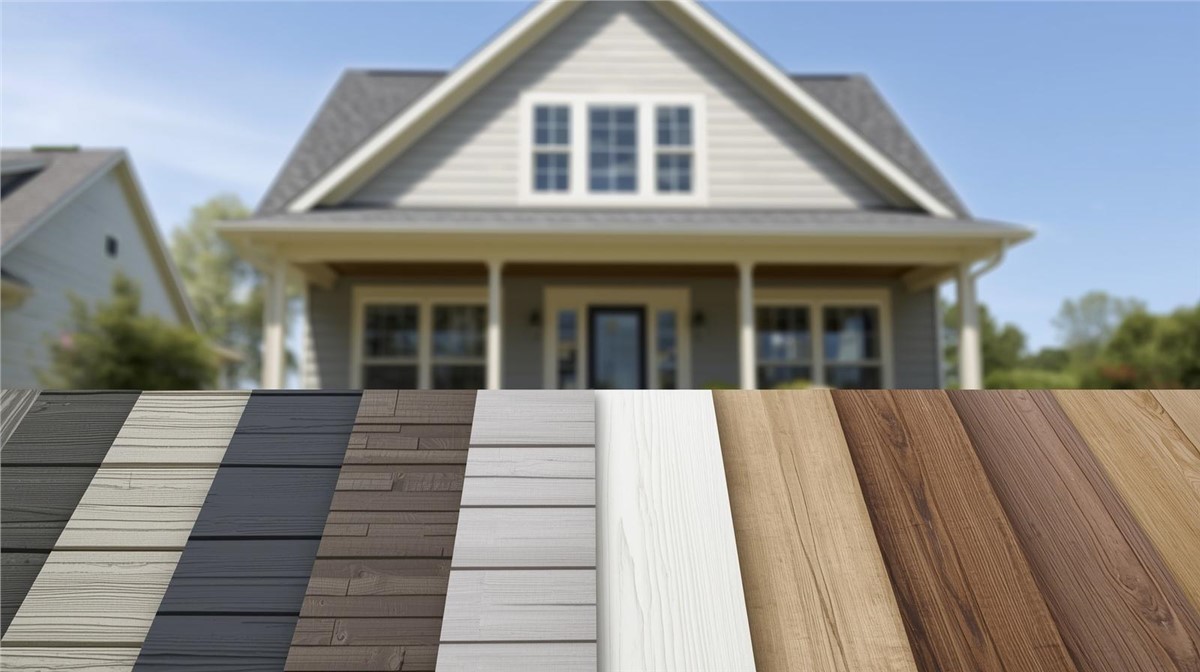
Siding can be loosened by wind-driven rain, allowing moisture into wall systems
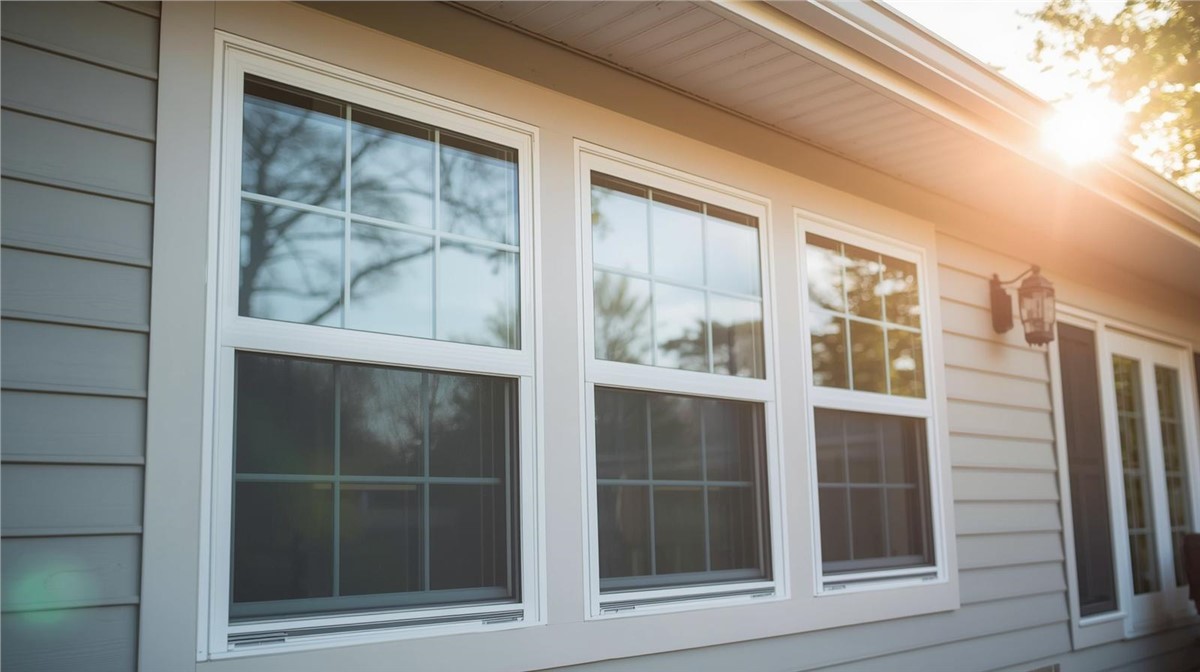
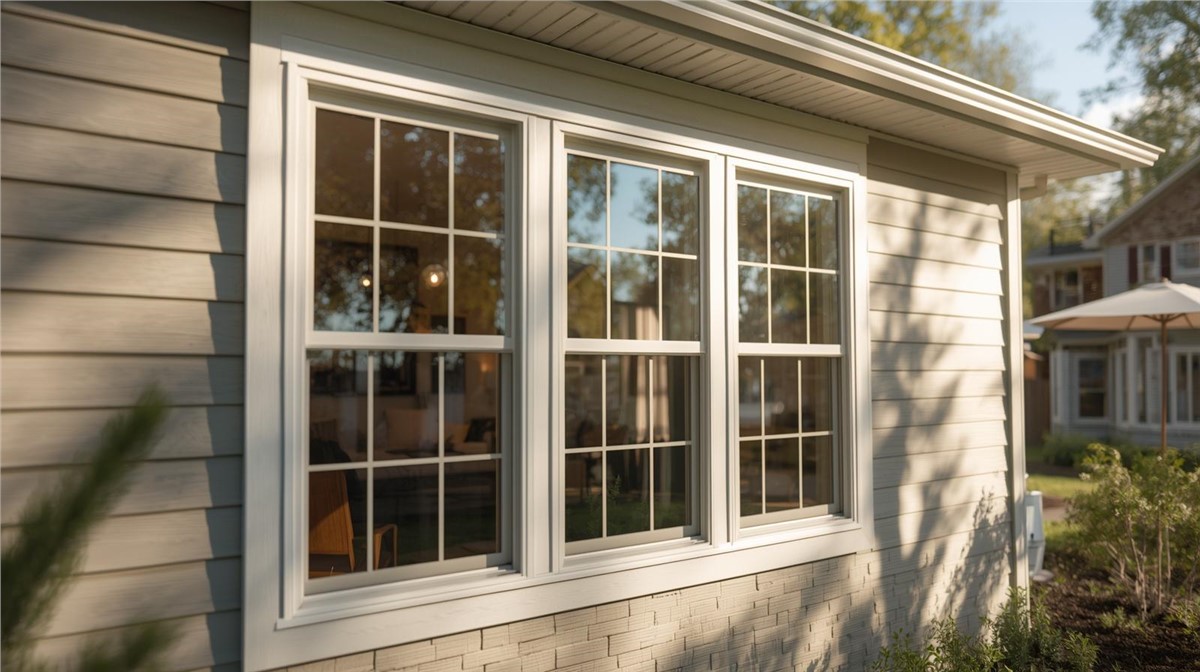
Windows may experience seal failures or flashing issues during storms
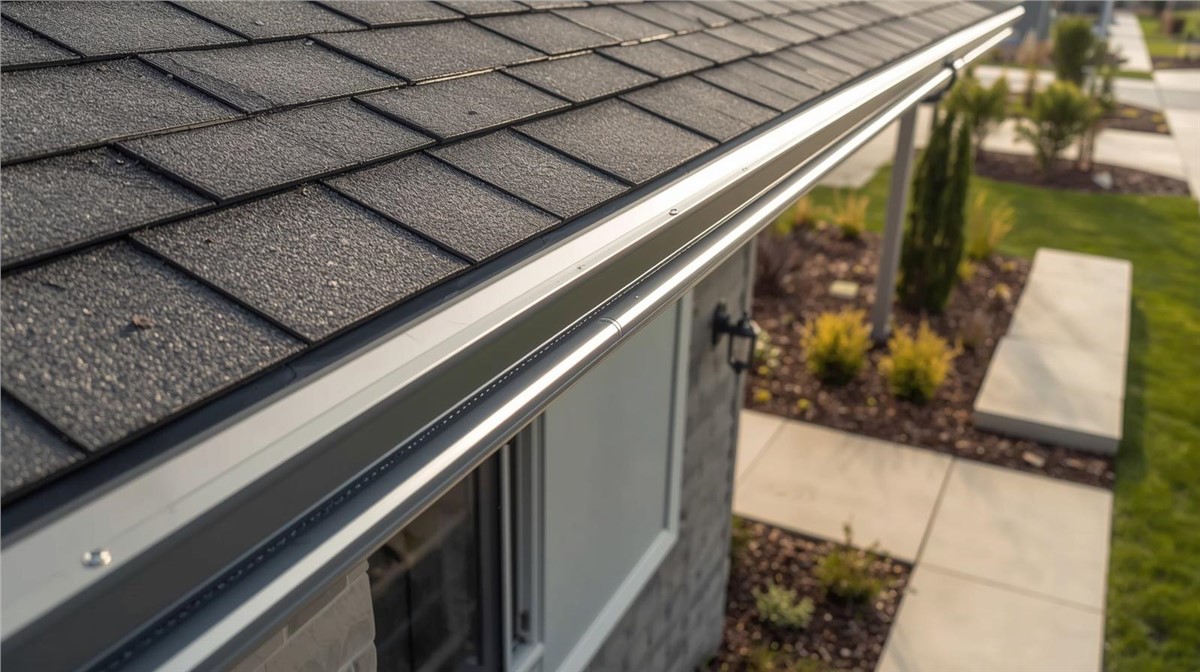
Gutters clogged with storm debris can back water up onto roof edges
When one exterior component fails, others are often impacted. Addressing roof issues early helps protect the entire exterior envelope.
Warning Signs You Shouldn’t Ignore After a Storm
If you notice any of the following after severe weather, it’s time to take action:
Missing, lifted, or cracked shingles
Granules collecting in gutters or at downspouts
New ceiling stains or attic moisture
Drafts or unexplained temperature changes
Persistent ice dams forming after winter storms
Even if these signs seem minor, they often indicate deeper issues.
Why Temporary Fixes Aren’t a Long-Term Solution
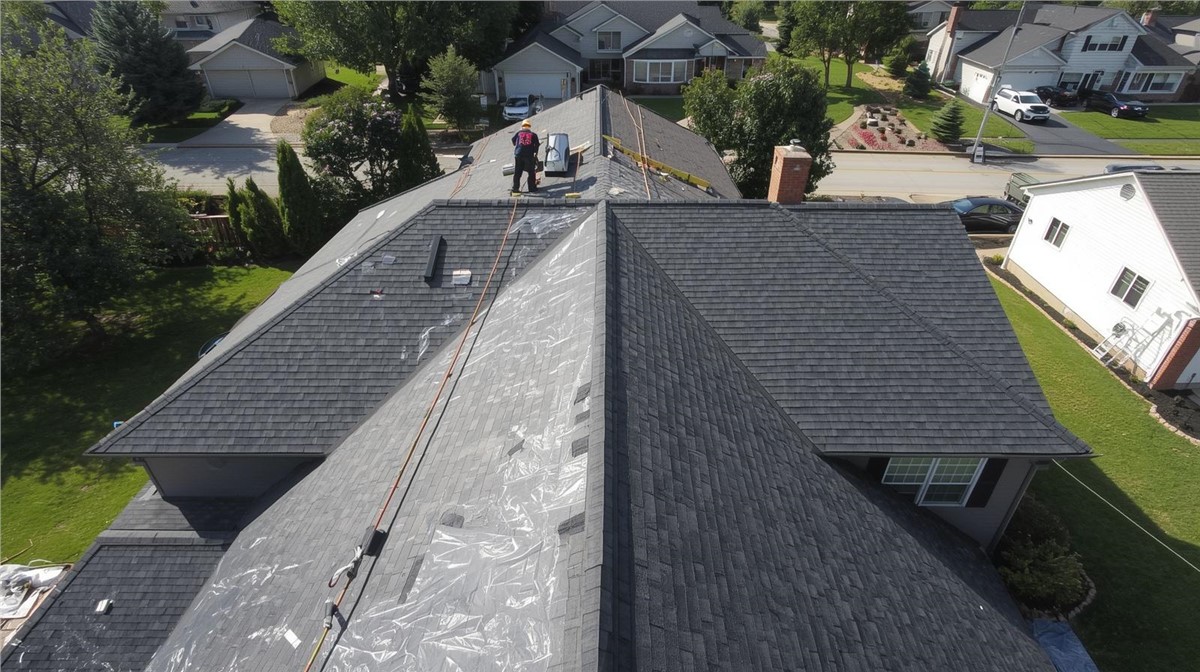
Some homeowners rely on tarps or sealants to “get by” after a storm. While temporary measures can help in emergencies, they don’t address underlying damage.
Temporary fixes may:
Mask active leaks
Delay proper repairs
Void manufacturer warranties if misused
Professional assessment ensures problems are fixed correctly—not just covered up.
The Financial Reality of Delaying Repairs
Putting off repairs rarely saves money.
Minor shingle repairs are relatively affordable
Structural repairs, mold remediation, and interior restoration are not
Energy losses add ongoing monthly costs
Early intervention is almost always the most cost-effective option.
Post-Storm Roof Repair FAQs
How soon should I have my roof inspected after a storm?
Ideally within a few days—especially after hail, high winds, or heavy rain. Early inspections help document damage for insurance purposes.
What if my roof isn’t leaking yet?
Many serious roof issues don’t leak immediately. Preventive repairs can stop future damage before it starts.
Can I wait until spring to repair storm damage?
Waiting increases the risk of worsening damage, especially through winter freeze–thaw cycles or additional storms.
Do all storms require roof repairs?
Not always—but only a professional inspection can determine whether damage is present or progressing.
A Smarter Approach to Storm Recovery in the Midwest
Storms are unavoidable in Illinois and Wisconsin—but long-term damage doesn’t have to be. The biggest risk homeowners face isn’t the storm itself, but the decision to delay repairs afterward.
Prompt inspections and timely repairs help preserve roof lifespan, maintain energy efficiency, and avoid insurance complications. They also protect siding, windows, insulation, and the overall structure of your home.
If your property has experienced a recent storm, a professional evaluation can provide clarity and peace of mind. A local contractor like Huskie Exteriors understands Midwest storm patterns and can help identify issues early—before small problems become major repairs.
Subscribe to Huskie Exteriors's Blog




Comments