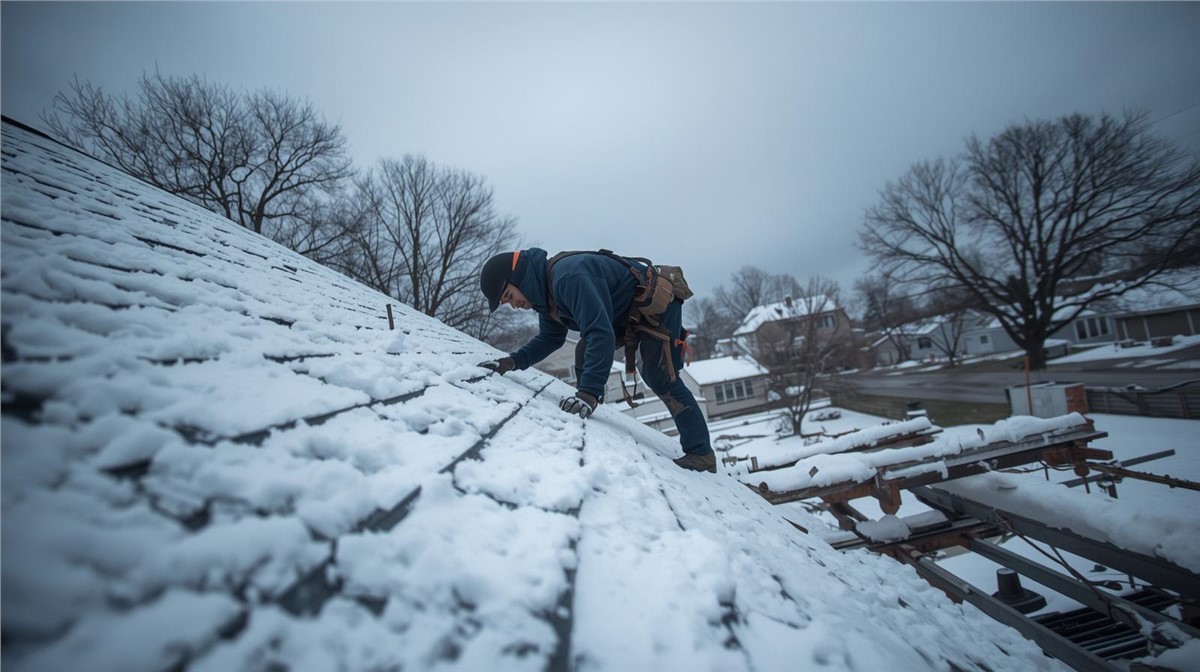
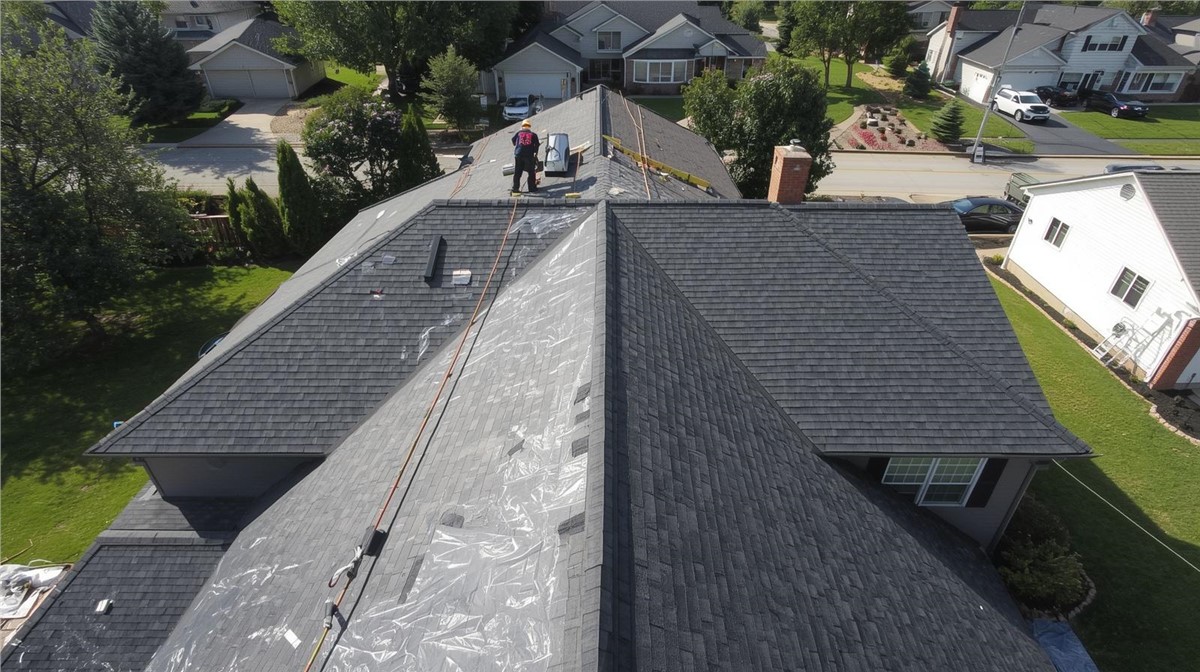
For many Illinois homeowners, winter feels like the worst possible time to think about roofing. Snow-covered yards, freezing temperatures, and icy mornings don’t exactly scream “home improvement season.” Yet roof problems don’t wait for spring—and in some cases, replacing a roof in winter isn’t just possible, it’s necessary.
If you’re dealing with leaks, storm damage, or aging shingles, you may be wondering whether winter roof replacement is realistic or risky. The short answer: yes, you can replace a roof in winter in Illinois, but there are important considerations that homeowners should understand before moving forward.
This guide breaks down how winter roofing works, when it makes sense, potential risks, and how Midwest weather factors into the decision.
Yes, roof replacement is possible in Illinois winters—but success depends on materials, temperature, and experienced installation.
Why Illinois Winters Raise Roofing Questions
Illinois (and neighboring Wisconsin) experience some of the most challenging roofing conditions in the country:
Freezing and sub-freezing temperatures
Snow, sleet, and ice accumulation
Freeze–thaw cycles that stress materials
Shorter daylight hours
These conditions naturally lead homeowners to assume roofing work must stop entirely in winter. In reality, modern materials and experienced crews can work safely and effectively during colder months—within limits.
When Winter Roof Replacement Makes Sense
Not every roofing project should wait until spring. There are several situations where winter replacement is reasonable—or even recommended.
Active Leaks or Water Damage
If your roof is leaking, waiting months for warmer weather can allow:
Interior water damage
Mold growth
Insulation saturation
Structural wood rot
Temporary repairs aren’t always enough, especially if shingles or underlayment are compromised.
Storm or Ice Damage
Winter storms, high winds, and ice buildup can cause sudden roof failure. Missing shingles or damaged flashing may require immediate replacement, not just patching.
Failed or Aging Roof Systems
Roofs near the end of their lifespan are more vulnerable to winter stress. If inspections show widespread failure, replacing the roof sooner may prevent escalating damage.
How Cold Temperatures Affect Roofing Materials
Cold weather changes how roofing materials behave. Understanding these effects helps set realistic expectations.
Asphalt Shingles in Winter
Asphalt shingles become less flexible in cold temperatures, which can make installation more delicate.
What experienced contractors account for:
Hand-sealing shingles instead of relying solely on adhesive strips
Adjusted installation techniques to prevent cracking
Careful material handling to avoid breakage
Most manufacturers allow cold-weather installation as long as their guidelines are followed.
Adhesive Sealing Timing
In winter, shingles may not fully seal until temperatures rise in spring. This doesn’t mean the roof is defective—it means sealing happens gradually with sun exposure.
Underlayment and Ice Protection
Winter installations rely heavily on:
Ice-and-water shield membranes
Proper flashing installation
Enhanced moisture barriers
These components are critical for Illinois homes exposed to snow and ice dams.
Safety Considerations for Winter Roofing
A major concern with winter roofing isn’t just materials—it’s safety.
Professional crews take extra precautions to manage:
Snow and ice removal
Slip hazards
Frozen roof surfaces
Shorter work windows
Reputable contractors will postpone work during unsafe conditions, even in winter, rather than rush installation.
The Role of Ventilation and Insulation
Roof replacement decisions in winter often uncover deeper issues related to attic performance.
Why Ventilation Matters in Winter
Poor ventilation can cause:
Uneven roof temperatures
Excessive snowmelt and ice dams
Moisture buildup in attic spaces
Addressing ventilation during a winter roof replacement can significantly improve long-term roof performance.
Insulation’s Impact on Roofing
Inadequate insulation allows heat to escape, warming roof surfaces and worsening freeze–thaw stress. Roofing work often reveals insulation gaps that affect both roof durability and energy efficiency.
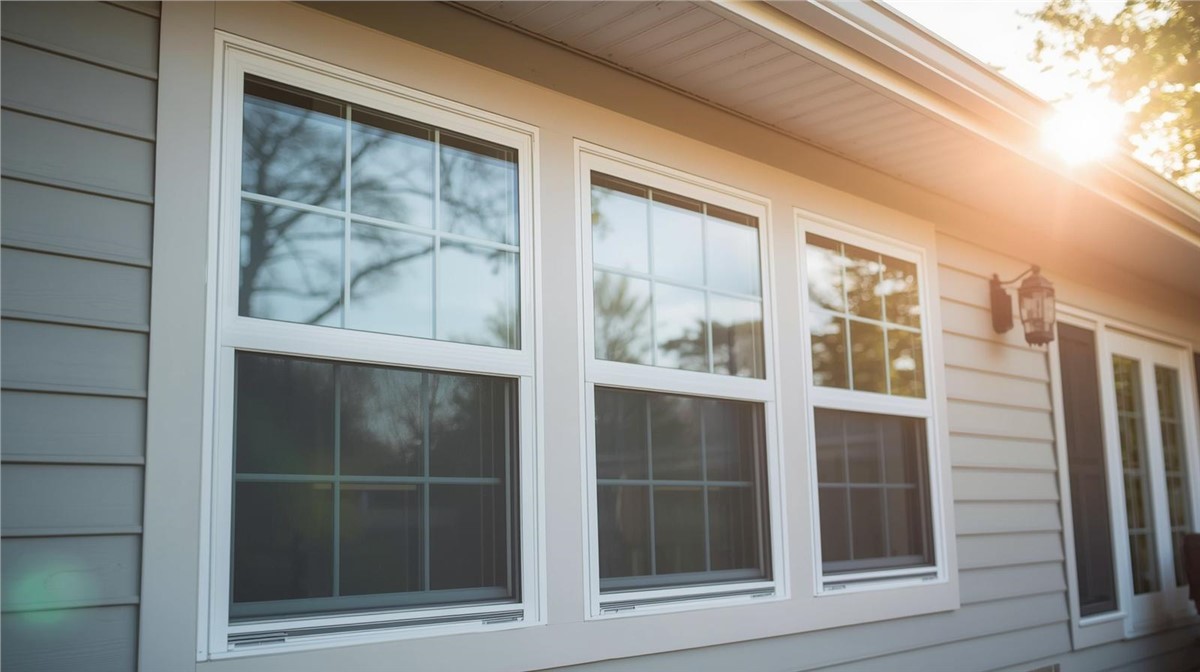
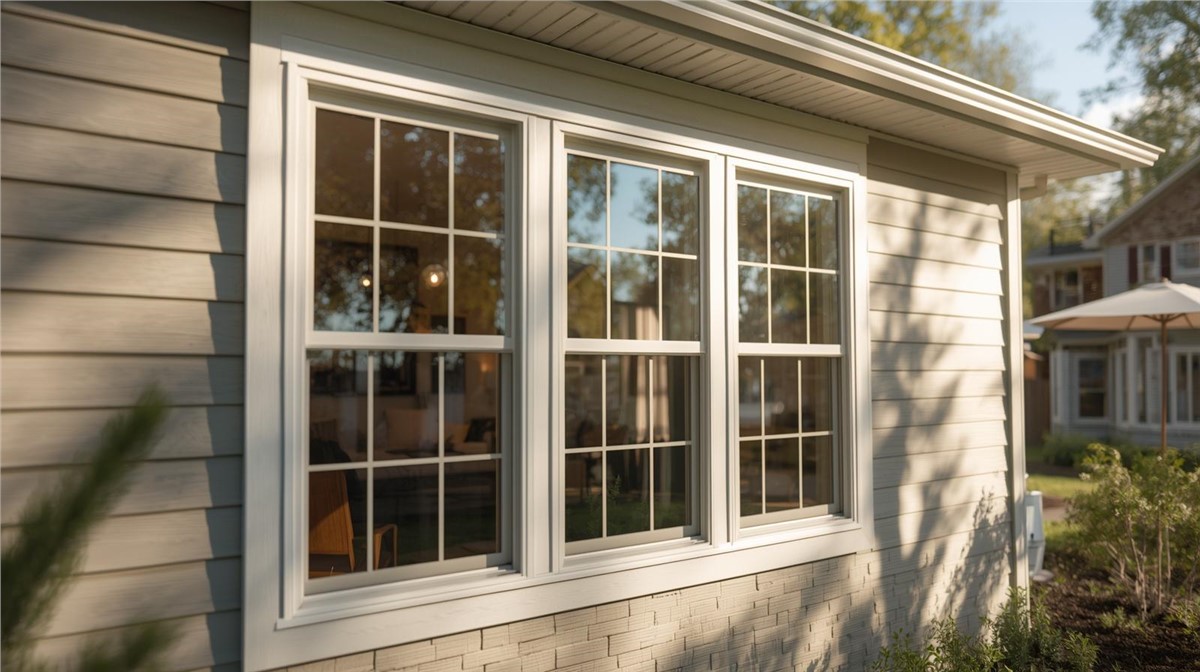
How Roofing Connects to Siding and Windows in Cold Weather
Your roof is part of a larger exterior system—especially important during Illinois winters.
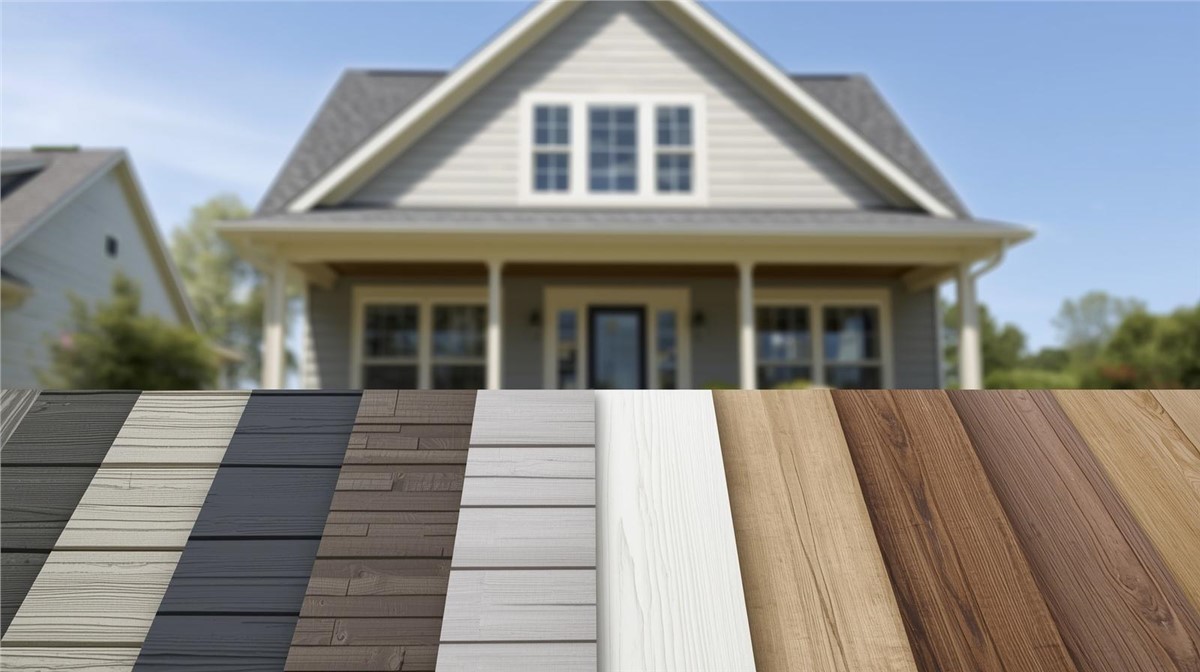
Siding helps block wind-driven snow and moisture
Windows influence indoor temperature stability
Roofing protects against vertical moisture intrusion
If siding or windows allow heat loss, roofs experience more snowmelt and refreezing, increasing winter damage risk. Coordinating exterior improvements can improve overall home performance.
Pros and Cons of Replacing a Roof in Winter
Potential Advantages
Faster scheduling availability
Immediate resolution of leaks or damage
Prevents further winter-related deterioration
Often quieter season for planning future exterior upgrades
Potential Challenges
Weather-related delays
Temperature limitations for certain materials
Slower sealing time for shingles
Safety-driven work stoppages
A reputable contractor will explain these factors upfront and help homeowners decide what makes sense for their situation.
Common Winter Roofing Myths
“You can’t install shingles below freezing.”
False. Shingles can be installed in cold temperatures when proper techniques are used.
“Winter roofs won’t last as long.”
Not true when installed correctly. Longevity depends more on workmanship and ventilation than season.
“It’s always better to wait until spring.”
Waiting can allow damage to worsen—especially with active leaks.
Winter Roof Replacement FAQs
What’s the coldest temperature roofing can be done in?
Most asphalt shingles can be installed down to around 40°F, though experienced crews may work lower with precautions. Exact limits depend on materials and manufacturer guidelines.
Will my roof warranty still apply if installed in winter?
Yes—if installation follows manufacturer requirements. This is why professional installation matters.
Can snow delay a winter roof replacement?
Yes. Snow, ice, or high winds can temporarily delay work for safety reasons.
Is winter roofing more expensive?
Not necessarily. Pricing depends on scope, materials, and conditions—not just season.
A Midwest-Realistic Take on Winter Roofing
Illinois winters are tough, but they don’t make roofing impossible. With the right materials, preparation, and experience, roof replacement during winter can be a practical solution—not a risky one.
The key is working with a contractor who understands Midwest weather patterns, temperature limitations, and how roofing ties into insulation, ventilation, siding, and windows.
If you’re unsure whether winter roof replacement is right for your home, a professional inspection can help clarify your options. A local company like Huskie Exteriors can assess current conditions, explain realistic timelines, and help you make an informed decision—whether that means repairing now or planning for warmer months ahead.
Subscribe to Huskie Exteriors's Blog





Comments