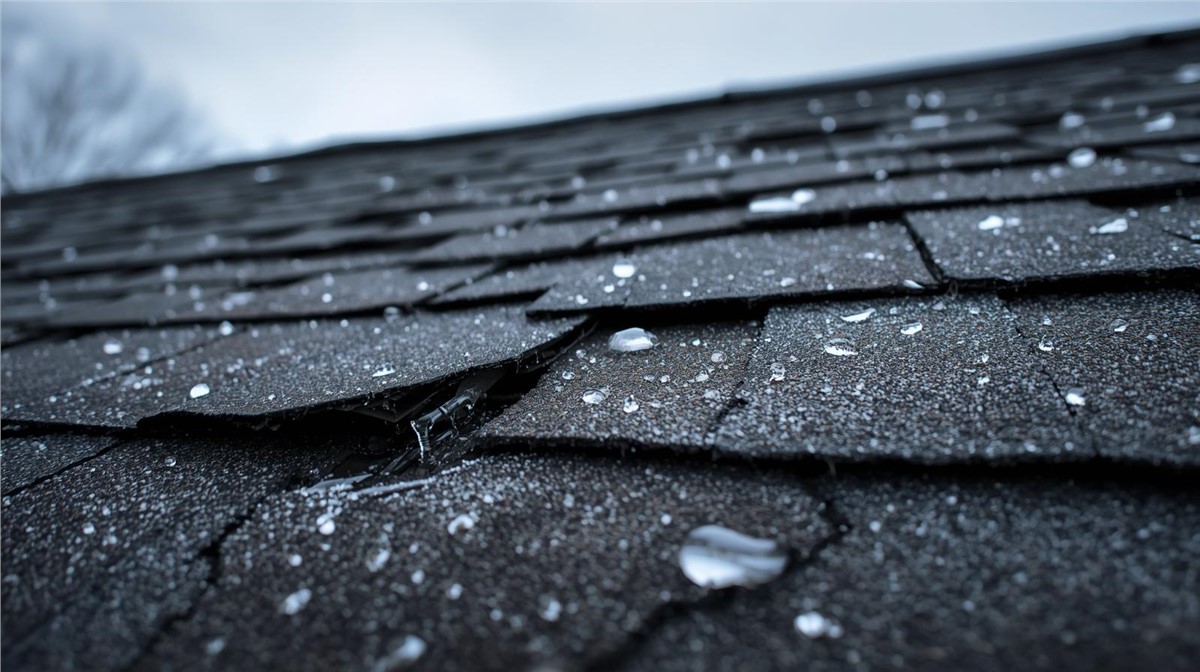
If you own a home in Illinois or Wisconsin, you’re no stranger to dramatic weather shifts. One week brings snow and ice, the next brings rain and temperatures above freezing—sometimes all within a few days. While this pattern might feel routine, it’s one of the most damaging forces your roof faces: freeze–thaw cycles.
Over time, repeated freezing and thawing can quietly weaken roof shingles, shorten their lifespan, and lead to costly repairs if left unaddressed. Understanding how this process works—and what signs to watch for—can help homeowners protect their investment and avoid unexpected damage.
What Is a Freeze–Thaw Cycle?
A freeze–thaw cycle occurs when temperatures rise above freezing during the day, allowing snow or ice to melt, then drop below freezing at night, causing that moisture to refreeze.
In the Midwest, this happens frequently during:
Late fall and early winter
Mid-winter warm spells
Early spring thaws
Each cycle causes materials on your roof to expand and contract, placing stress on shingles, flashing, and roof decking.
Why Freeze–Thaw Cycles Are So Hard on Roof Shingles
Roof shingles are designed to withstand weather, but they’re not immune to constant movement. Here’s how freeze–thaw cycles take a toll.
Moisture Penetration Beneath Shingles
As snow and ice melt, water can work its way beneath shingles—especially around nail penetrations, flashing, and roof edges. When temperatures drop again, that trapped moisture freezes and expands.
Over time, this expansion can:
Lift shingles
Break adhesive seals
Create small cracks that grow larger
Expansion and Contraction of Materials
Shingles, roof decking, and fasteners all expand when warm and contract when cold. Repeated movement can loosen nails, warp decking, and reduce the effectiveness of shingle seals.
This movement is especially pronounced in older roofs or roofs with poor ventilation.
Ice Dams and Refreezing Water
Freeze–thaw cycles are a major contributor to ice dams, a common Midwest roofing issue. When snow melts higher up on the roof and refreezes near the colder eaves, it creates a barrier that traps water.
That trapped water can back up under shingles, leading to leaks that aren’t always immediately visible.
Common Signs Freeze–Thaw Damage Is Occurring
Many homeowners don’t realize freeze–thaw damage is happening until it becomes a larger problem. Keep an eye out for these warning signs:
Shingles that appear lifted, curled, or uneven
Cracked or brittle shingles
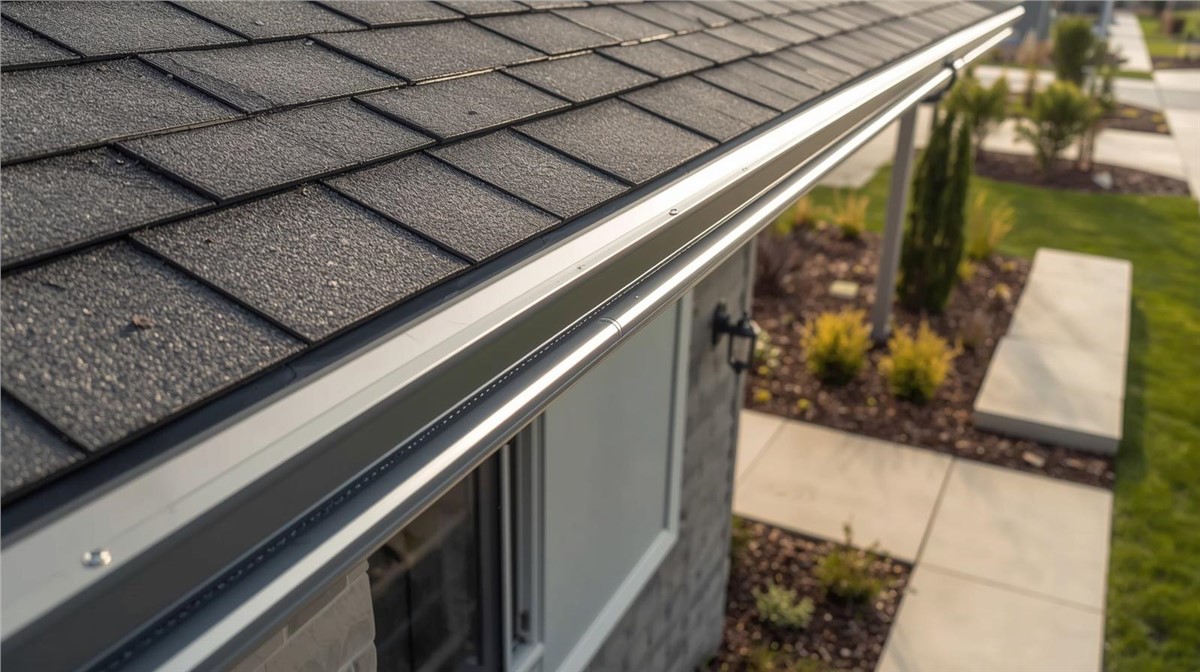
Granules collecting in gutters or at downspouts
Interior ceiling stains or attic moisture
Persistent ice dams forming each winter
These signs don’t always mean immediate failure, but they do indicate stress on your roofing system.
Long-Term Consequences of Freeze–Thaw Damage
When freeze–thaw damage goes unchecked, the effects compound over time.
Shortened Roof Lifespan
Shingles that repeatedly expand and crack lose their protective qualities faster. A roof designed to last 25–30 years may need replacement much sooner in harsh Midwest conditions.
Increased Risk of Leaks
Small cracks and lifted shingles allow water intrusion. Even minor leaks can lead to insulation damage, mold growth, and wood rot.
Higher Energy Costs
When moisture compromises insulation or ventilation systems, your home can lose heat in winter and struggle to stay cool in summer—driving up energy bills.
The Role of Ventilation in Freeze–Thaw Performance
Proper attic ventilation plays a critical role in how your roof handles freeze–thaw cycles.
Good ventilation helps:
Maintain more consistent roof temperatures
Reduce snowmelt that leads to ice dams
Minimize moisture buildup in attic spaces
Homes with inadequate ventilation are more likely to experience uneven roof temperatures, which accelerates freeze–thaw damage.
How Roofing, Siding, and Windows Work Together in Winter
Your roof doesn’t operate alone. In Illinois and Wisconsin homes, the entire exterior envelope matters.
Roofing protects against moisture intrusion
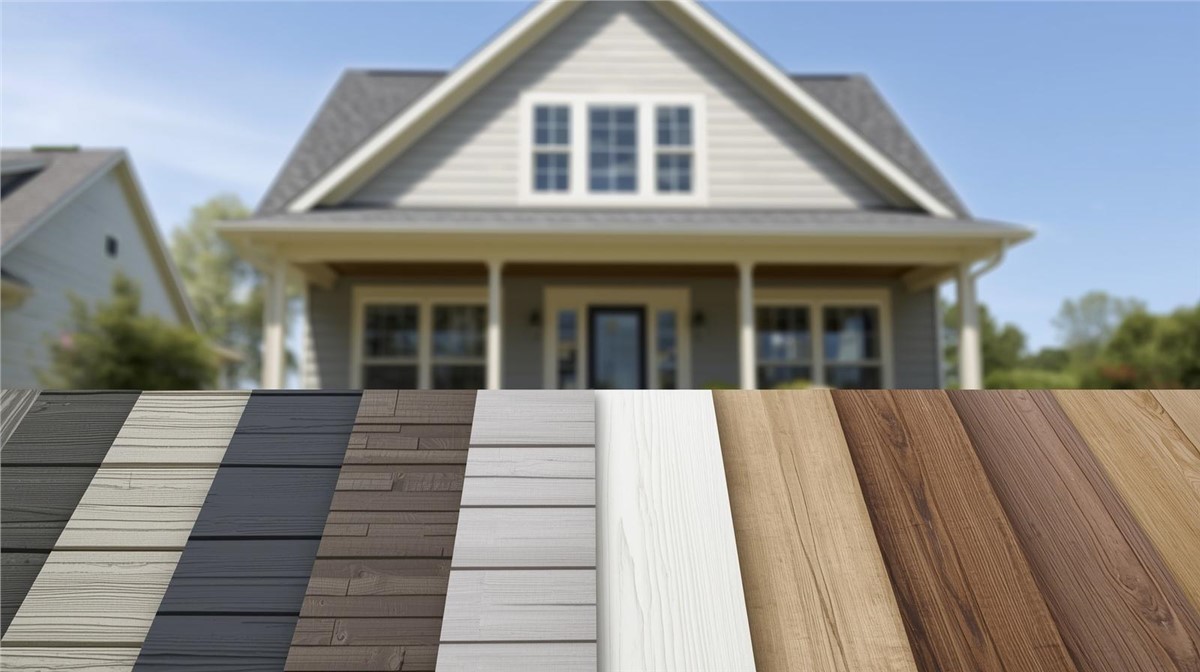
Siding shields wall assemblies from wind-driven snow and rain
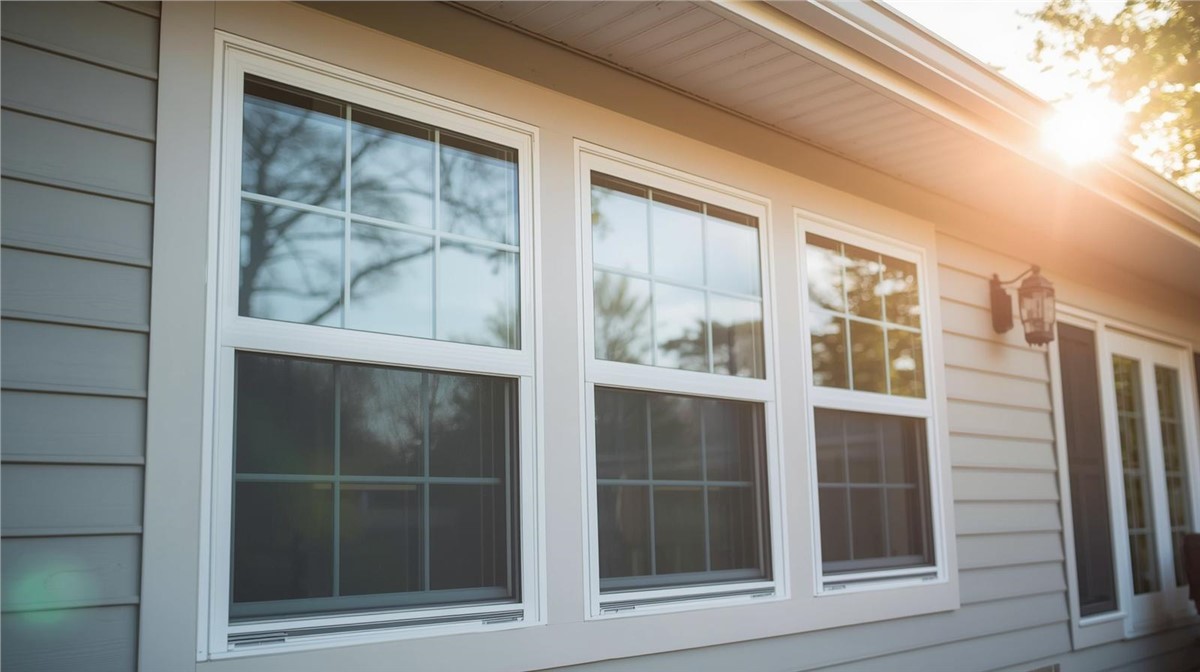
Windows influence interior temperature stability
Poorly sealed windows or aging siding can allow heat loss, increasing snowmelt on roofs and worsening freeze–thaw conditions. A well-maintained exterior system works together to reduce stress on each component.
Can Freeze–Thaw Damage Be Prevented?
While Midwest weather can’t be controlled, damage can be reduced with proactive care.
Regular Roof Inspections
Seasonal inspections—especially after winter—help catch small issues before they worsen. Lifted shingles or early cracking are easier to address early.
Quality Materials Designed for Cold Climates
Not all shingles perform equally in freeze–thaw environments. Materials designed for temperature extremes tend to resist cracking and seal better in cold weather.
Proper Installation and Underlayment
Ice- and water-shield underlayment, proper flashing, and correct nailing patterns all help prevent moisture intrusion during freeze–thaw cycles.
Attic Insulation and Ventilation Improvements
Balanced insulation and ventilation reduce heat loss and help keep roof temperatures more consistent throughout winter.
Freeze–Thaw Roofing FAQs
Are freeze–thaw cracks covered by roof warranties?
Most manufacturer warranties cover material defects, not damage caused by environmental conditions. Coverage depends on the specific warranty terms.
Why does freeze–thaw damage seem worse on older roofs?
Older shingles lose flexibility over time, making them more prone to cracking when temperatures fluctuate.
Can ice dams alone damage shingles?
Yes. Ice dams increase the likelihood of water backing up under shingles, leading to both shingle damage and interior leaks.
Is spring the best time to check for freeze–thaw damage?
Spring inspections are ideal because damage from winter cycles is often most visible after snow and ice have melted.
A Practical Midwest Approach to Roof Care
Freeze–thaw cycles are simply part of life for Illinois and Wisconsin homeowners. While they’re unavoidable, the damage they cause doesn’t have to be inevitable.
Understanding how temperature swings affect your roof—and how roofing, siding, windows, and ventilation work together—can help you make informed decisions that protect your home long-term.
If you’re concerned about how your roof handled this past winter, a professional inspection can provide clarity and peace of mind. A local contractor familiar with Midwest weather can identify early warning signs and help you plan next steps before small issues become major repairs.
Subscribe to Huskie Exteriors's Blog




Comments