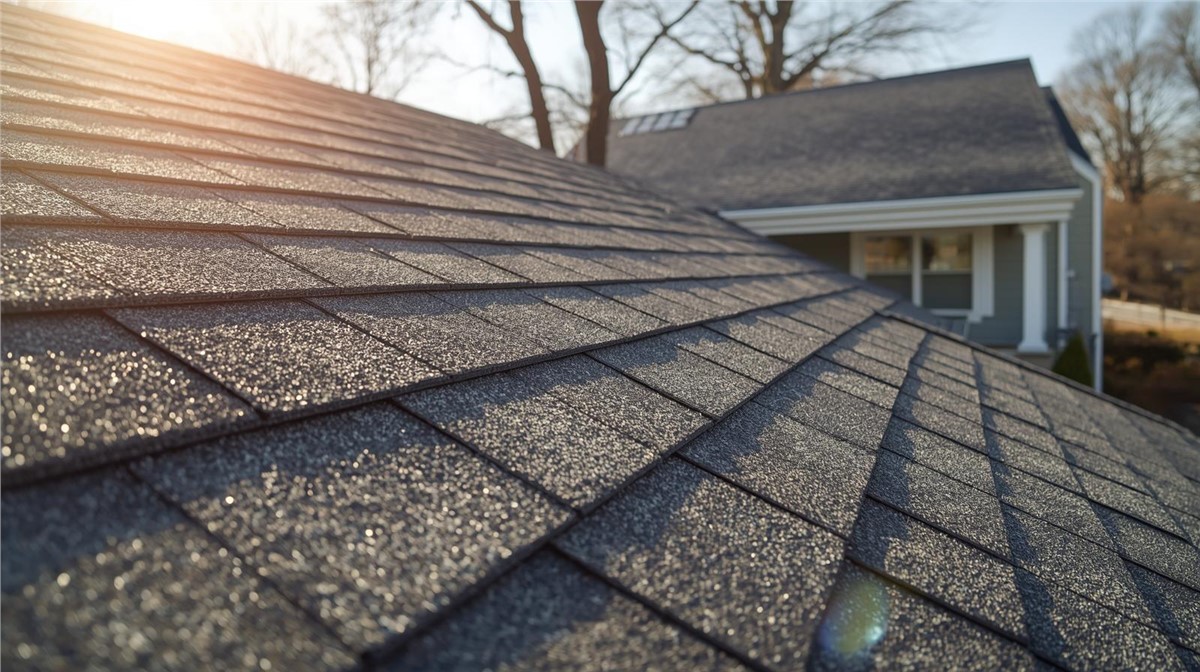
For homeowners and property owners across Illinois and Wisconsin, a roof is more than just shingles and nails—it’s your first line of defense against Midwest weather. From heavy spring rains and summer hail to subzero winter temperatures and freeze–thaw cycles, your roof works hard year-round. When you invest in a new roof, the warranty attached to it can be just as important as the materials themselves.
Roof warranties are often misunderstood. Many homeowners assume they’re fully covered for decades, only to discover limitations when an issue arises. This guide is designed to help Illinois and Wisconsin homeowners understand how roof warranties work, what they typically cover (and don’t), and how to protect that coverage over time.
Why Roof Warranties Matter in the Midwest
The Midwest’s climate is uniquely demanding on roofing systems. In northern Illinois and southern Wisconsin, roofs may experience:
Rapid temperature swings between seasons—and even within the same day
Severe thunderstorms, including hail and high winds
Heavy snow loads and ice dams during winter
Prolonged humidity that can affect ventilation and decking
Because of these conditions, roofing materials age differently here than they might in milder regions. A solid warranty provides peace of mind, but only if you understand its scope and requirements.
The Two Main Types of Roof Warranties
Most roofing projects include two distinct warranties, and confusing them is one of the most common homeowner mistakes.
Manufacturer’s Material Warranty
This warranty comes from the roofing material manufacturer. It typically covers defects in the shingles or roofing products themselves.
What it usually covers:
Manufacturing defects
Premature failure of shingles under normal conditions
What it usually does not cover:
Improper installation
Storm damage (hail, wind, falling debris)
Issues caused by poor ventilation or structural problems
Many material warranties advertise 25, 30, or even “lifetime” coverage, but the fine print often includes prorated coverage after a certain number of years.
Workmanship or Labor Warranty
This warranty is provided by the contractor who installs the roof.
What it usually covers:
Installation errors
Leaks caused by workmanship issues
Flashing or sealing problems tied to installation
Labor warranties vary widely. Some last one to five years, while others may extend longer depending on the contractor and materials used.
Common Causes of Roof Warranty Issues
Understanding what can jeopardize a warranty is just as important as knowing what it covers.
Improper Installation
Even the best roofing materials can fail if they’re not installed correctly. Incorrect nailing patterns, poorly sealed flashing, or skipped underlayment steps can void a manufacturer’s warranty.
Inadequate Ventilation
In Illinois and Wisconsin homes, attic ventilation is critical. Poor airflow can lead to excessive heat buildup in summer and moisture accumulation in winter. Both can shorten shingle lifespan and invalidate warranty claims.
Storm Damage Misunderstandings
Many homeowners assume storm damage falls under their roof warranty. In reality, hail and wind damage are typically insurance matters, not warranty issues.
Unauthorized Repairs or Modifications
DIY repairs or work done by an unqualified contractor can void coverage. Most warranties require repairs to follow manufacturer guidelines and be performed by approved professionals.
Warning Signs That May Affect Your Warranty
Catching roof problems early not only protects your home—it can also preserve your warranty eligibility.
Watch for:
Curling, cracking, or missing shingles
Granule loss collecting in gutters
Persistent leaks or water stains on ceilings
Ice dams forming along roof edges in winter
Excessive attic heat or moisture
Ignoring these signs can allow minor issues to escalate into major damage, sometimes beyond what a warranty will address.
Long-Term Consequences of Misunderstanding Your Warranty
Failing to understand your roof warranty can have lasting financial and structural consequences.
Unexpected Repair Costs
Homeowners may delay maintenance believing they’re covered, only to discover a denied claim when repairs are needed.
Reduced Roof Lifespan
Ventilation or insulation issues—often excluded from warranties—can cause premature roof aging, leading to early replacement.
Lower Energy Efficiency
Roof systems don’t work in isolation. Poor roofing performance can affect siding, windows, and attic insulation, increasing heating and cooling costs during Midwest temperature extremes.
How Roofing, Siding, and Windows Work Together
Your roof is part of a larger exterior system. In Illinois and Wisconsin homes, coordinated performance matters.
Roofing and ventilation affect attic temperatures and moisture control
Siding helps protect wall assemblies from wind-driven rain
Windows play a key role in energy efficiency and indoor comfort
When one component underperforms, it can stress the others. For example, poor roof ventilation can increase indoor heat, forcing HVAC systems to work harder and reducing window efficiency.
Understanding warranties across these systems helps homeowners make smarter long-term decisions.
Tips for Protecting Your Roof Warranty
Here are practical steps homeowners can take to stay protected:
Keep all documentation: contracts, warranty certificates, and invoices
Schedule regular inspections, especially after severe storms
Address small issues promptly before they escalate
Avoid DIY roof repairs unless explicitly allowed
Ensure proper attic ventilation is maintained
Routine inspections are particularly important after Midwest hailstorms or heavy snow seasons.
Roof Warranty FAQs
How long does a typical roof warranty last?
Material warranties often range from 20 years to “lifetime,” though coverage may be prorated over time. Workmanship warranties vary by contractor.
Are roof warranties transferable when selling a home?
Some warranties are transferable, but many require registration and may involve fees or reduced coverage periods. Always check the specific terms.
Does ice dam damage void a roof warranty?
Ice dam damage is usually not covered by warranties, as it’s considered a result of environmental conditions or ventilation issues rather than material defects.
Do I need annual roof inspections to keep my warranty valid?
Not always, but regular inspections are strongly recommended and may be required for certain extended warranties.
A Local Perspective for Illinois and Wisconsin Homeowners
Midwest homes face unique challenges, and roof warranties are not one-size-fits-all. Understanding the fine print—and how your roof interacts with siding, windows, and gutters—can help you protect your investment for decades.
If you’re unsure about the warranty on your current roof or planning an exterior upgrade, a professional inspection can clarify your coverage and identify potential concerns early. A local contractor familiar with Illinois and Wisconsin weather conditions can provide guidance tailored to your home, helping you make confident, informed decisions about your exterior systems.
Subscribe to Huskie Exteriors's Blog




Comments