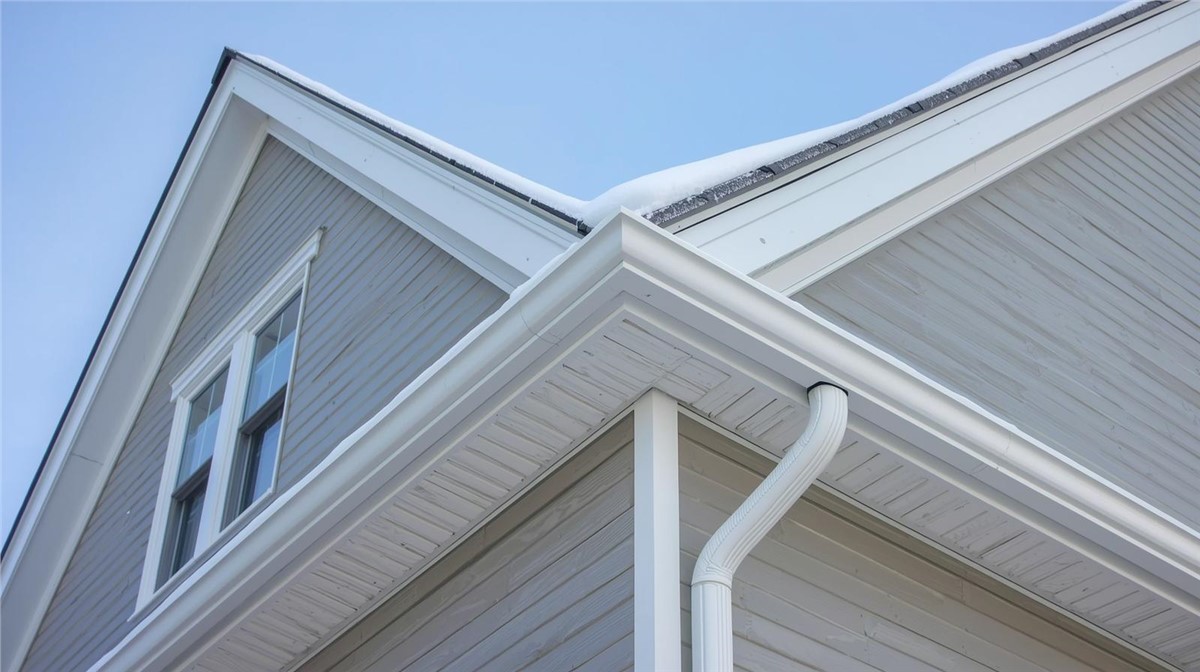
When people think about protecting their homes from cold Midwest winters, insulation usually gets all the attention. But ventilation is just as important—especially in Wisconsin and Illinois, where long winters, heavy snow, and freezing temperatures can create serious moisture and temperature problems inside your home’s exterior systems.
Understanding why proper exterior ventilation matters in cold climates can help homeowners prevent roof damage, mold growth, energy loss, and costly structural issues. Ventilation isn’t about letting cold air in—it’s about controlling airflow so your home can manage moisture and temperature safely.
What Exterior Ventilation Actually Does
Exterior ventilation works alongside insulation to regulate airflow in key areas like:
Attics
Soffits and roof overhangs
Wall cavities (in some systems)
The goal is to maintain balanced air movement that prevents moisture buildup and extreme temperature differences.
In cold climates, poor ventilation often causes more damage than many homeowners realize.
The Link Between Ventilation and Ice Dams
Ice dams are one of the most common winter roofing problems in Wisconsin and Illinois.
How Ice Dams Form
Heat escapes from the home into the attic
Warm attic air melts snow on the roof
Melted water runs down and refreezes at the colder roof edge
Ice builds up, trapping water behind it
That trapped water can back up under shingles and leak into walls and ceilings.
Why Ventilation Matters
Proper attic ventilation helps keep the roof surface cold and consistent, reducing uneven snow melt and lowering the risk of ice dam formation.
Moisture Buildup and Mold Risks
Homes naturally produce moisture from cooking, bathing, and daily living. In winter, this moisture rises into the attic.
What Happens Without Ventilation
Without proper airflow, warm moist air gets trapped in the attic, where it can:
Condense on cold surfaces
Soak insulation
Promote mold growth
Rot wood framing and roof decking
These problems often go unnoticed until major repairs are needed.
Protecting Your Roof Structure
Excess moisture in an attic doesn’t just cause mold—it can weaken the roof itself.
Long-term exposure to condensation can lead to:
Rotting roof decking
Rusted fasteners
Weakened structural components
Proper ventilation allows moisture to escape before it causes damage.
How Ventilation Improves Energy Efficiency
Ventilation also helps regulate attic temperatures year-round.
In Winter
Balanced airflow prevents heat buildup in the attic, reducing heat loss through the roof and lowering the risk of ice dams.
In Summer
Ventilation removes trapped hot air, reducing heat transfer into living spaces and easing strain on cooling systems.
Homes in Wisconsin and Illinois benefit from ventilation in both extremes.
Soffit and Ridge Vents: A Balanced System
Effective ventilation requires both intake and exhaust.
Soffit Vents (Intake)
Located under roof overhangs, soffit vents allow cool air to enter the attic.
Ridge or Roof Vents (Exhaust)
These vents allow warm, moist air to escape from the highest point of the roof.
Together, they create a natural airflow path that keeps attic conditions stable.
Signs Your Home May Have Ventilation Problems
Many ventilation issues are hidden, but warning signs include:
Large icicles or recurring ice dams
Frost or damp insulation in the attic
Mold or musty odors
Peeling paint or warped roof decking
Uneven indoor temperatures
These symptoms often point to moisture and temperature imbalance in the attic.
The Role of Insulation and Air Sealing
Ventilation works best when paired with proper insulation and air sealing.
If warm air leaks from living spaces into the attic, ventilation alone may not solve the problem. Sealing gaps around light fixtures, vents, and attic hatches helps prevent warm air from rising where it doesn’t belong.
A well-balanced system includes:
Adequate insulation
Sealed air leaks
Proper intake and exhaust ventilation
Why Cold Climates Make Ventilation More Important
In milder regions, small ventilation issues may not cause noticeable problems. But in Wisconsin and Illinois, long freezing periods make moisture and temperature imbalances much more damaging.
Freeze-thaw cycles can worsen small leaks, and trapped moisture can freeze inside materials, causing expansion and cracking.
Proper ventilation helps reduce these risks.
Ventilation and Roofing Longevity
Poor ventilation can shorten the life of roofing materials.
Excess attic heat and moisture can cause shingles to:
Curl prematurely
Lose granules faster
Age unevenly
Balanced ventilation helps roofing systems last closer to their expected lifespan.
When to Have Ventilation Evaluated
Consider a professional evaluation if:
Your home frequently has ice dams
Your attic feels damp or musty
You see frost on nails or decking in winter
Your roof seems to age faster than expected
Ventilation issues often go unnoticed without an inspection.
Frequently Asked Questions
Does ventilation make my home colder in winter?
No. Proper ventilation manages attic air, not living space temperatures.
Can ventilation alone stop ice dams?
It helps, but insulation and air sealing are also important.
How do I know if my attic has enough ventilation?
A professional inspection can assess airflow and vent balance.
Is ventilation important in newer homes too?
Yes. All homes need balanced ventilation, regardless of age.
Can poor ventilation cause mold?
Yes. Trapped moisture creates conditions for mold growth.
A Healthier, Longer-Lasting Home
Proper exterior ventilation plays a vital role in protecting homes in cold climates. By controlling moisture and temperature in the attic and roof system, ventilation helps prevent ice dams, mold, structural damage, and premature roof aging.
Huskie Exteriors works with homeowners across Wisconsin and Illinois, bringing experience in roofing and exterior systems built for Midwest weather. Ensuring proper ventilation is one of the smartest ways to protect your home through long, harsh winters.
Subscribe to Huskie Exteriors's Blog





Comments