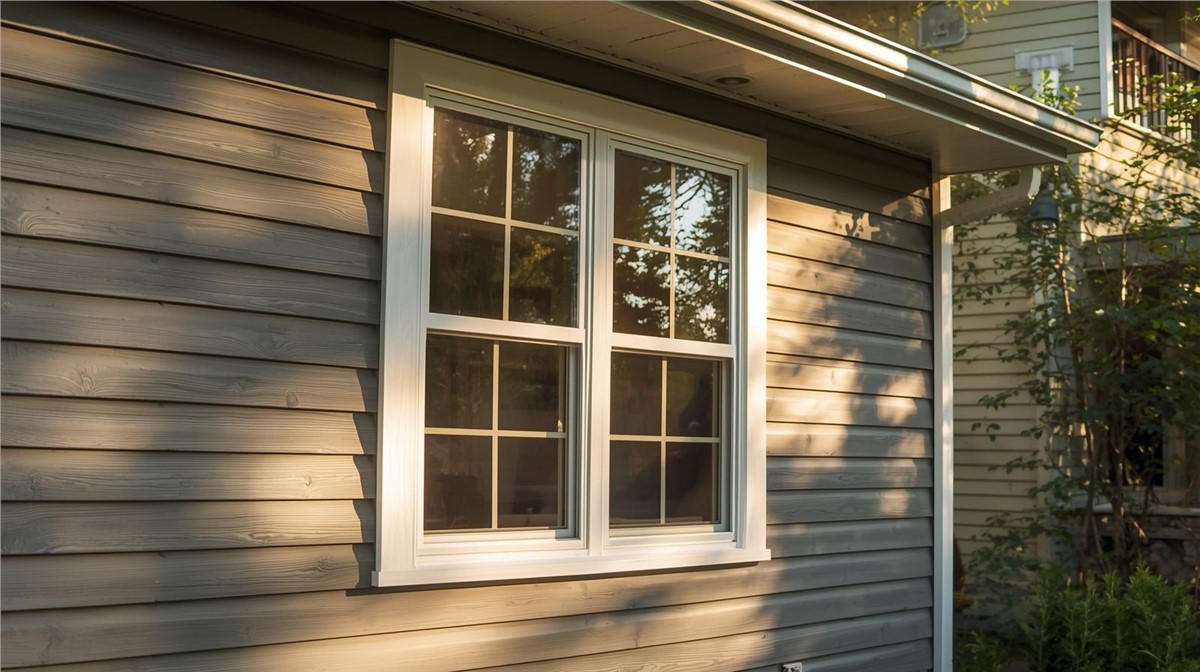
Replacing your windows is one of the most noticeable upgrades you can make to your home—but it’s also one of the most misunderstood when it comes to cost. For homeowners in Wisconsin and Illinois, window replacement pricing isn’t just about the glass. Midwest weather, installation requirements, and home construction styles all influence the final investment.
If you’re wondering what to expect, this guide breaks down window replacement costs in WI & IL, what affects pricing, and how to evaluate value beyond the initial number—so you can make a confident, informed decision.
Why Window Replacement Costs Vary So Much
It’s common to hear a wide range of prices for window replacement. That’s because no two homes—and no two window projects—are exactly alike.
Costs can vary based on:
Window size and style
Frame and glass type
Installation complexity
Home age and construction
Energy-efficiency features
In the Midwest, climate demands also influence material choices and installation methods, which affect overall pricing.
Average Window Replacement Cost in Wisconsin & Illinois
While exact pricing depends on many factors, most Midwest homeowners can expect:
Per window installed: Typically ranges from $600 to $1,500+
Whole-home projects: Often range from $8,000 to $25,000+, depending on window count and options
These ranges reflect professional installation and energy-efficient products suitable for Wisconsin and Illinois weather.
Key Factors That Influence Window Replacement Cost
1. Window Type and Style
Different window styles come with different material and labor costs.
| Window Style | Typical Cost Range (Installed) |
|---|---|
| Double-hung | Lower to mid-range |
| Casement | Mid-range |
| Sliding | Mid-range |
| Picture | Lower (no moving parts) |
| Bay/Bow | Higher due to size and complexity |
Larger or specialty windows increase both material and installation costs.
2. Frame Material
Frame material plays a major role in durability, energy efficiency, and price.
Vinyl Frames
Most cost-effective
Low maintenance
Good insulation performance
Fiberglass Frames
Higher durability
Excellent thermal performance
Higher upfront cost
Wood or Composite Frames
Premium appearance
Strong insulation
Require more maintenance
In Midwest climates, durability and thermal performance are especially important considerations.
3. Double vs. Triple Pane Glass
Glass type affects both comfort and cost.
Double Pane
Standard for energy-efficient homes
Lower cost
Good performance for most WI & IL homes
Triple Pane
Higher insulation value
Improved winter comfort
Higher upfront investment
Triple pane windows often make more sense in colder northern areas or homes with large window openings.
4. Energy-Efficiency Features
Modern windows often include upgrades that improve performance in Midwest weather:
Low-E (low emissivity) coatings
Argon or krypton gas fills
Warm-edge spacers
Insulated frames
These features add to upfront cost but can improve comfort and long-term energy savings.
5. Installation Complexity
Installation is a major part of the overall cost—and where quality matters most.
Factors that increase labor cost include:
Replacing original wood windows
Structural repairs around openings
Custom-sized windows
Brick, stone, or stucco exteriors
Upper-story or hard-to-access windows
Older homes common in Wisconsin and Illinois may require additional preparation work.
6. Home Age and Condition
Homes built decades ago often have:
Out-of-square window openings
Hidden rot or moisture damage
Outdated flashing or insulation
Addressing these issues during installation can add to the cost—but improves long-term performance and prevents future problems.
Why Midwest Weather Affects Window Costs
Window performance requirements in WI & IL are higher than in milder climates.
Winter Demands
Windows must:
Reduce heat loss
Resist condensation
Withstand strong winter winds
Summer Demands
They must also:
Limit solar heat gain
Handle humidity and temperature swings
Choosing windows that meet these demands may cost more upfront but pays off in comfort and durability.
Hidden Costs Homeowners Should Be Aware Of
Some window projects uncover issues that weren’t visible before installation.
Potential additional costs may include:
Rot repair around window frames
Trim replacement
Insulation upgrades
Siding or flashing adjustments
A thorough pre-installation inspection helps identify these needs early.
How Window Replacement Adds Value
While window replacement is an investment, it offers multiple returns.
Energy Efficiency
Lower heating and cooling demands can reduce monthly utility costs—especially during Midwest winters and summers.
Comfort Improvements
New windows reduce drafts, stabilize indoor temperatures, and minimize cold spots.
Noise Reduction
Multi-pane glass can noticeably reduce outside noise.
Curb Appeal
Updated windows improve a home’s appearance inside and out.
Home Value
Window replacement is often viewed favorably by buyers, particularly in climates with harsh weather.
Is Window Replacement Worth It Before Selling?
For many Wisconsin and Illinois homeowners, yes.
Benefits include:
Improved buyer confidence
Better energy-efficiency appeal
Updated exterior appearance
However, the return depends on window condition and local market factors.
Repair vs. Replacement: Cost Considerations
When Repair May Be Enough
Minor seal failures
Hardware issues
Limited draft problems
When Replacement Is More Cost-Effective
Multiple failing windows
Condensation between panes
Warped or rotting frames
Persistent energy loss
In many Midwest homes, replacing aging windows provides better long-term value than repeated repairs.
Timing Your Window Replacement Project
Window replacement can be done year-round, but many homeowners prefer:
Spring and fall for moderate weather
Before winter to improve comfort and efficiency
Planning ahead helps avoid delays during peak seasons.
Financing and Long-Term Perspective
Because window replacement improves comfort and efficiency for decades, many homeowners view it as a long-term home improvement rather than a short-term expense.
Energy savings, reduced maintenance, and improved durability can help offset the initial investment over time.
Frequently Asked Questions
How much does it cost to replace all windows in a Midwest home?
Most projects fall between $8,000 and $25,000+, depending on window count, size, and features.
Are triple pane windows worth the extra cost in WI & IL?
They can be—especially in colder regions or homes with large window areas.
Why do installation costs vary so much?
Home construction, window size, and hidden repairs all influence labor time and complexity.
Do new windows really reduce energy bills?
Yes, particularly in homes with older or inefficient windows.
Should windows be replaced with siding?
Often beneficial. Coordinating projects improves sealing and long-term performance.
Making a Smart Window Investment in the Midwest
Window replacement costs in Wisconsin and Illinois reflect more than just materials—they reflect the need for performance in a challenging climate. Understanding what drives pricing helps homeowners balance budget, comfort, and long-term value.
Huskie Exteriors works with homeowners throughout WI & IL, bringing experience in windows, roofing, siding, and gutters designed for Midwest conditions. With the right products and proper installation, new windows can improve comfort, efficiency, and durability for years to come.
Subscribe to Huskie Exteriors's Blog







Comments