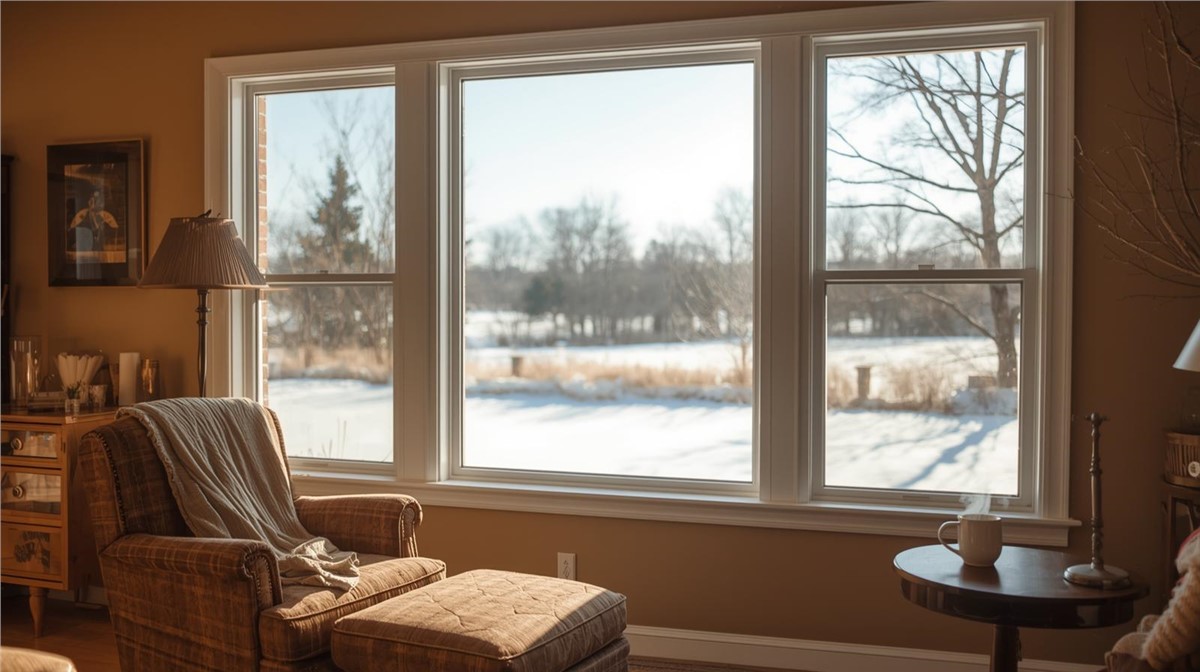
If you’ve ever felt a cold draft near your windows in January or struggled to keep certain rooms cool in July, you’re not alone. For homeowners in Wisconsin and Illinois, window performance plays a huge role in year-round comfort. With long winters, humid summers, and frequent storms, aging or inefficient windows often make homes feel less comfortable than they should.
Understanding how new windows improve home comfort in Wisconsin & Illinois helps homeowners see beyond appearance and energy bills. Modern windows are designed to reduce drafts, stabilize indoor temperatures, control moisture, and even cut down on outside noise—making a noticeable difference in everyday living.
Why Windows Affect Comfort So Much in the Midwest
Windows are one of the most vulnerable points in your home’s exterior. In WI & IL, they must stand up to:
Subzero winter temperatures
Strong winter winds that push cold air inside
Hot, humid summers
Rapid temperature swings during seasonal transitions
Older windows often struggle with these extremes, leading to uneven temperatures and indoor discomfort.
Reducing Cold Drafts in Winter
The Problem With Older Windows
Drafts are one of the most common complaints in Midwest homes. Aging windows often have:
Worn weatherstripping
Warped frames
Failed seals
This allows cold air to leak inside while warm air escapes.
How New Windows Help
Modern windows feature:
Advanced weatherstripping
Tighter seals
Multi-pane insulated glass
These features significantly reduce air leakage, helping rooms stay warmer and more comfortable during long Wisconsin and Illinois winters.
More Consistent Indoor Temperatures
Why Some Rooms Feel Too Cold or Too Hot
Rooms with large window areas or older glass often experience temperature swings. In winter, they lose heat quickly; in summer, they gain excess solar heat.
The Comfort Upgrade
New windows with insulated glass and Low-E coatings help regulate heat transfer. This results in:
Fewer cold spots near windows in winter
Reduced overheating during summer afternoons
More balanced temperatures from room to room
Comfort becomes more predictable throughout the home.
Warmer Glass Surfaces in Winter
Older windows often feel cold to the touch, creating a “radiant chill” effect that makes rooms feel cooler than the thermostat reading suggests.
New energy-efficient windows maintain warmer interior glass surfaces. This reduces:
The chilly feeling near windows
Condensation risk
The need to crank up the heat
In Midwest winters, this difference can be surprisingly noticeable.
Improved Comfort During Summer Heat
While winters are harsh, summers in Illinois and southern Wisconsin bring heat and humidity.
How Modern Windows Help
Low-E coatings and insulated glass reduce solar heat gain, helping:
Keep indoor temperatures more stable
Reduce reliance on air conditioning
Prevent rooms from becoming overly warm
This leads to a more comfortable indoor environment even during heat waves.
Better Control of Indoor Humidity
Condensation on windows is common in Midwest homes during winter. It happens when warm indoor air meets cold glass surfaces.
Why This Matters
Persistent condensation can:
Damage window frames and trim
Promote mold growth
Lead to peeling paint and wall damage
New windows reduce interior glass cooling, which helps minimize condensation and improves indoor air quality.
Quieter Indoor Spaces
Modern windows don’t just improve thermal comfort—they also reduce outside noise.
How This Helps Midwest Homeowners
New multi-pane windows can dampen:
Traffic noise
Wind noise during storms
Neighborhood sounds
This creates a calmer, more comfortable indoor environment, especially in busy suburban or urban areas.
Reduced Temperature Swings Near Exterior Walls
Homes with inefficient windows often feel noticeably colder near exterior walls during winter.
New windows improve insulation and air sealing, which:
Stabilizes temperatures along walls
Makes furniture placement more flexible
Eliminates “no-sit zones” near windows
This enhances overall livability.
Fewer Drafts Mean Less Strain on HVAC Systems
Drafty windows force heating and cooling systems to work harder to maintain comfort.
By reducing air leakage, new windows help:
Maintain steady indoor temperatures
Reduce frequent HVAC cycling
Improve overall system efficiency
Comfort improves not just near windows—but throughout the home.
How New Windows Work With Other Exterior Systems
Windows are part of a larger exterior system.
Roofing and Attic Performance
Better window insulation reduces heat loss, which helps minimize attic temperature imbalances that contribute to ice dams.
Siding and Flashing
Properly installed windows improve wall sealing and moisture control when integrated correctly with siding systems.
Gutters and Drainage
Well-sealed window systems prevent water intrusion that can occur when drainage systems fail during heavy Midwest storms.
Comfort and protection go hand in hand.
Signs Your Current Windows Are Hurting Comfort
You may benefit from new windows if you notice:
Drafts or cold air near windows
Rooms that are always too hot or too cold
Condensation between glass panes
Difficulty opening or closing windows
Excessive outside noise indoors
These issues often signal that your windows are no longer performing effectively.
Comfort Benefits Beyond Energy Savings
While energy savings matter, many homeowners are surprised by how much daily comfort improves after window replacement.
Common improvements include:
Less need for space heaters or fans
Fewer temperature complaints from family members
More usable living space near windows
A quieter, more stable indoor environment
In Wisconsin and Illinois, these quality-of-life benefits are especially noticeable during extreme seasons.
When Is the Best Time to Upgrade Windows?
Window replacement can be done year-round, but many Midwest homeowners prefer:
Spring or fall for moderate temperatures
Before winter to improve cold-weather comfort
Planning ahead avoids rushing projects during extreme weather.
Frequently Asked Questions
Will new windows really make a noticeable comfort difference?
Yes. Many homeowners report fewer drafts and more stable indoor temperatures right away.
Do I need triple pane windows for comfort?
Not always. High-quality double pane windows with proper installation can significantly improve comfort in many homes.
Can new windows reduce condensation?
They help reduce it by keeping interior glass warmer, though indoor humidity levels also matter.
Will new windows make my home quieter?
Yes. Multi-pane insulated windows can noticeably reduce outside noise.
Should windows be replaced with siding or roofing?
Often beneficial. Coordinating projects improves sealing and long-term performance.
Comfort That Lasts Through Every Midwest Season
In Wisconsin and Illinois, comfort depends on how well your home stands up to extreme weather. New windows don’t just improve energy efficiency—they help eliminate drafts, balance temperatures, reduce noise, and create a more enjoyable indoor environment year-round.
Huskie Exteriors works with homeowners across WI & IL, bringing experience in windows, roofing, siding, and gutters designed for Midwest conditions. With the right window solutions and proper installation, you can enjoy a home that feels more comfortable—no matter what the Midwest forecast brings.
Subscribe to Huskie Exteriors's Blog








Comments