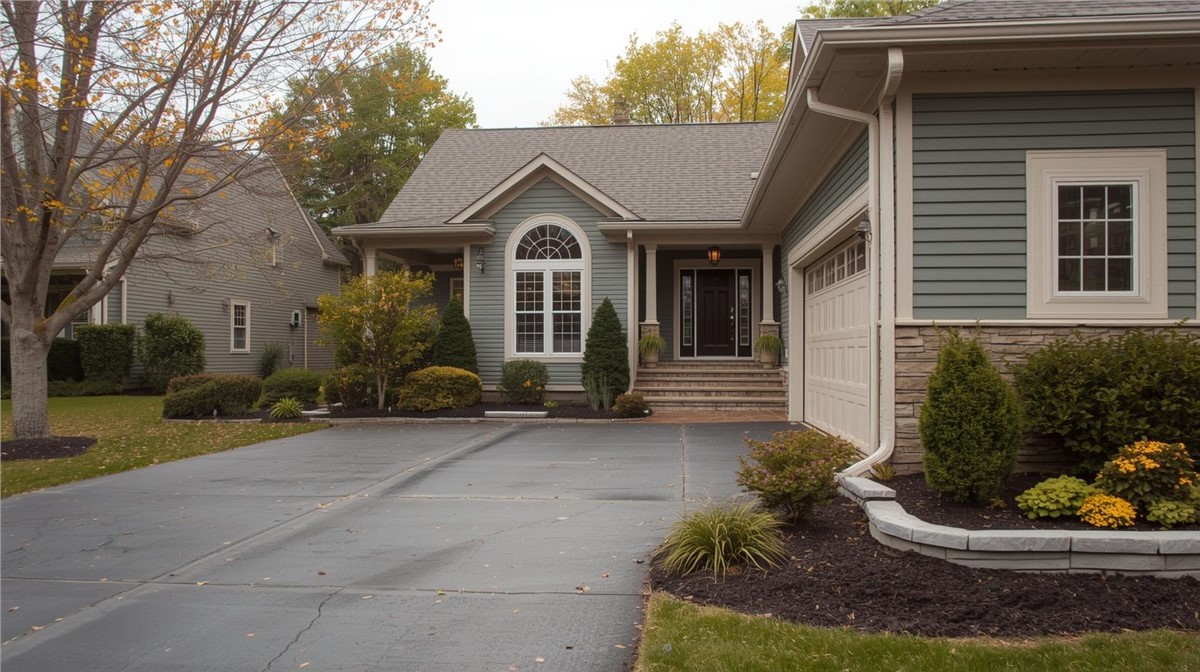
Owning a home in Wisconsin or Illinois means dealing with some of the most demanding weather conditions in the country. Heavy snow, ice, spring rain, summer storms, high winds, and dramatic temperature swings all take a toll on your home’s exterior. Without regular upkeep, small issues can quietly turn into costly repairs.
A proactive exterior maintenance checklist for Wisconsin & Illinois homes helps homeowners stay ahead of weather-related damage, extend the lifespan of exterior systems, and protect long-term property value. This guide walks through a practical, season-aware checklist covering roofing, siding, windows, gutters, and drainage—tailored specifically for Midwest conditions.
Why Exterior Maintenance Matters More in the Midwest
Homes in WI & IL are exposed to year-round stress:
Freeze-thaw cycles that expand small cracks
Heavy snow loads and ice buildup in winter
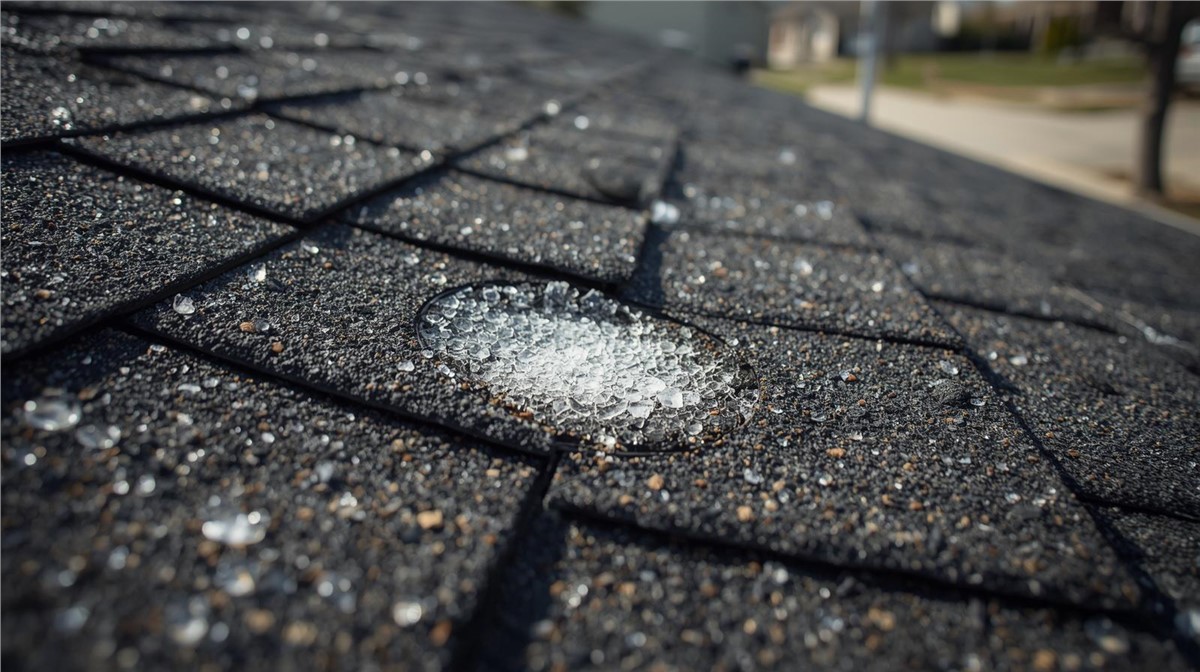
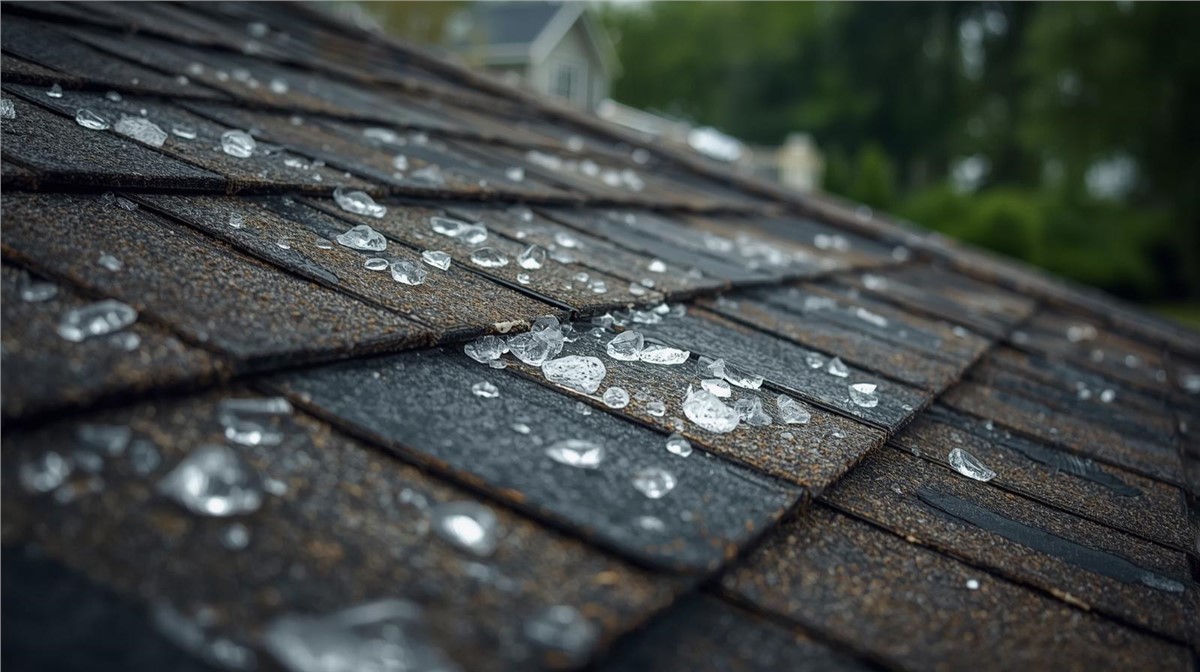
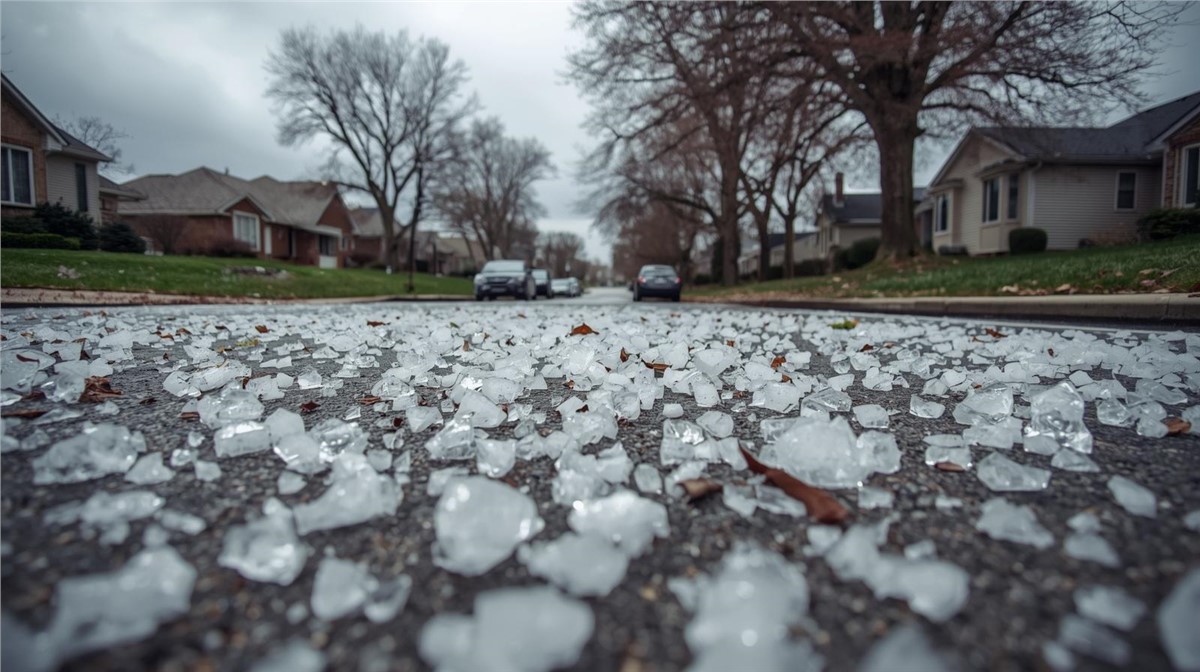
Wind-driven rain and hail during storms
Hot, humid summers that stress materials
Rapid seasonal transitions
Because exterior systems work together, neglecting one area—like gutters or flashing—often leads to problems elsewhere. Regular maintenance isn’t just preventative; it’s essential in Midwest climates.
How Often Should Exterior Maintenance Be Done?
While some tasks are seasonal, a general rule for Midwest homeowners is:
Visual exterior checks: Monthly
Seasonal maintenance: Spring and fall
Professional inspections: Annually, or after major storms
Staying consistent helps catch problems early—before winter or storm season makes repairs more difficult.
Roof Maintenance Checklist
Your roof is the first line of defense against Midwest weather.
What to Check
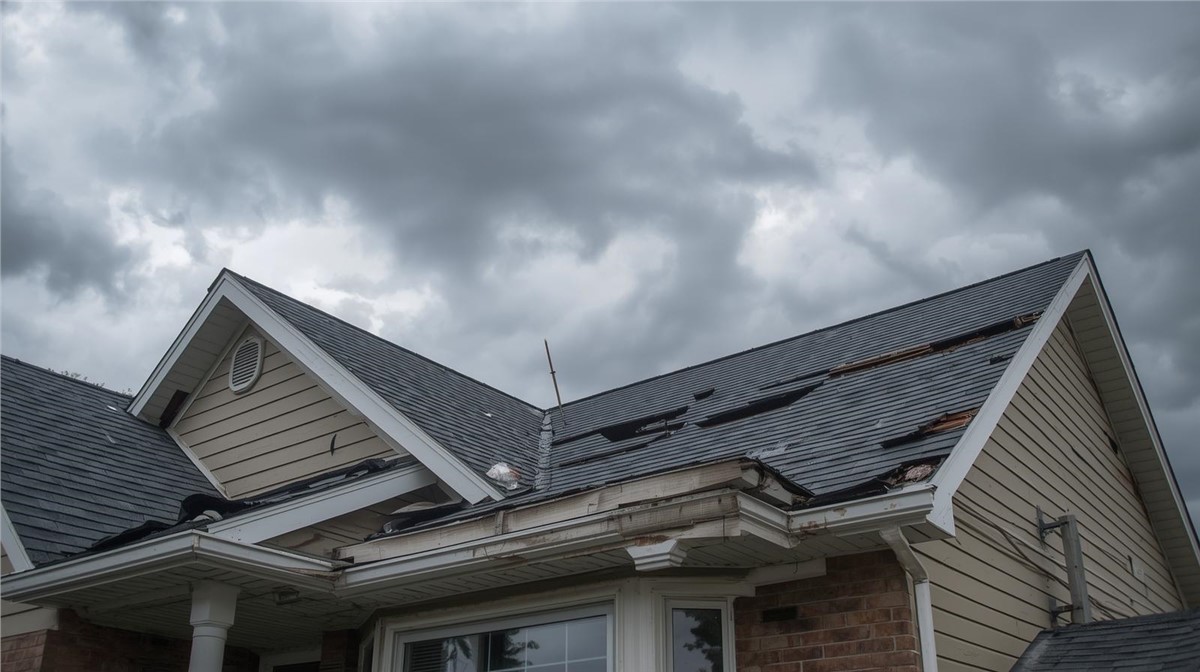
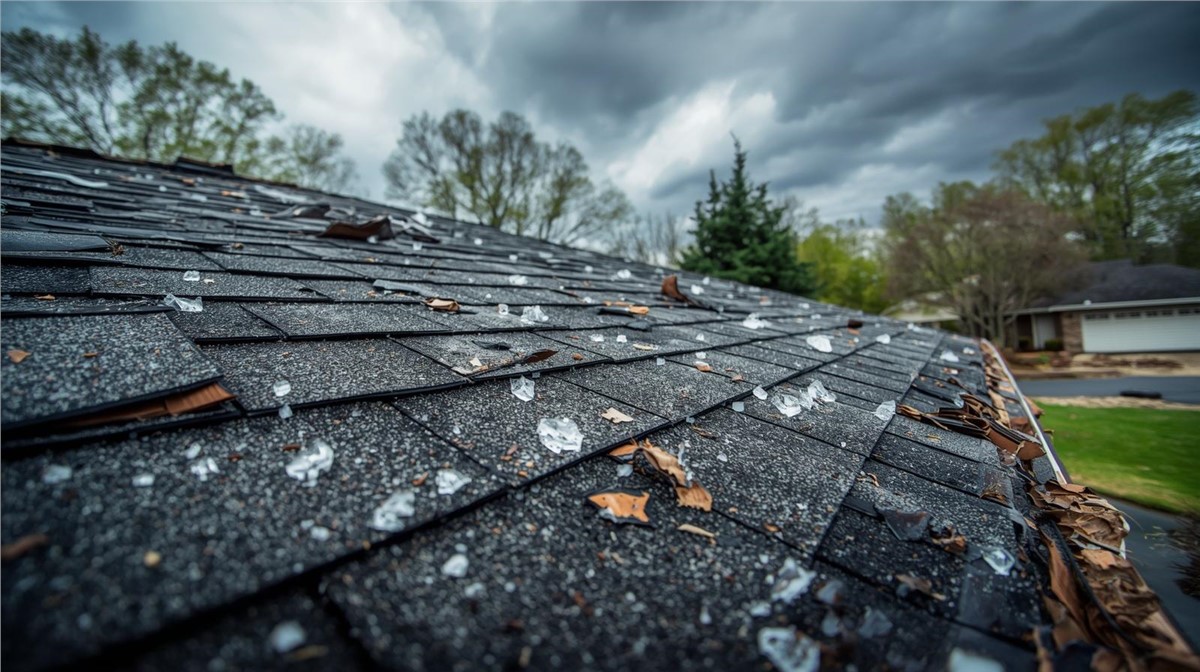
Missing, cracked, or curling shingles
Loose or damaged flashing around chimneys and vents
Granules collecting in gutters or near downspouts
Sagging or uneven rooflines
Signs of ice dam damage near eaves
Why It Matters in WI & IL
Snow, ice, and wind stress roofing materials far more than in milder regions. Small roof issues often worsen quickly during freeze-thaw cycles or snowmelt.
Best time to inspect:
Spring (after winter damage)
Fall (before snow season)
Gutter and Downspout Maintenance Checklist
Gutters play a critical role in protecting roofs, siding, and foundations.
What to Check
Remove leaves, debris, and sediment
Ensure gutters are securely fastened
Confirm proper pitch toward downspouts
Check for leaks, rust, or sagging
Make sure downspouts extend water away from the foundation
Midwest-Specific Risks
Ice buildup and icicles during winter
Overflow during heavy spring rains
Snowmelt backing up under shingles
Clogged or failing gutters are one of the most common causes of exterior damage in Wisconsin and Illinois homes.
Siding Maintenance Checklist
Siding protects your home’s walls from wind, moisture, and temperature extremes.
What to Inspect
Cracks, warping, or buckling
Loose or missing panels
Gaps at seams or corners
Mold, mildew, or discoloration
Soft spots near the foundation
Why It’s Important
Repeated moisture exposure from snow, ice, and storms can force water behind siding. Over time, this leads to insulation damage, rot, and mold—often hidden until repairs are extensive.
Tip: Avoid piling snow or mulch against siding, especially near the base of the home.
Window and Door Maintenance Checklist
Windows and doors are common sources of air and moisture infiltration.
What to Check
Drafts or cold spots in winter
Cracked or deteriorated caulk
Failed weatherstripping
Condensation between glass panes
Difficulty opening or closing
Midwest Impact
Cold winters and hot summers exaggerate energy loss through inefficient or poorly sealed windows. Moisture intrusion around frames can also damage surrounding siding and walls.
Flashing, Trim, Fascia, and Soffit Checks
These transition areas are often overlooked—but critical.
What to Inspect
Flashing around chimneys, vents, and roof-to-wall areas
Fascia boards behind gutters
Soffits for cracks or ventilation blockages
Peeling paint or exposed wood
Why It Matters
Many leaks blamed on roofs or windows actually start with flashing or trim failure—especially after freeze-thaw cycles.
Drainage and Grading Checklist
Exterior maintenance isn’t complete without checking how water moves around your home.
What to Look For
Standing water near the foundation
Soil erosion or washed-out landscaping
Downspouts discharging too close to the home
Ground sloping toward the foundation
Midwest Considerations
Frozen ground and rapid snowmelt can overwhelm poor drainage systems, leading to foundation cracks and basement moisture issues.
Tree and Landscaping Maintenance
Your yard can affect your exterior more than you might expect.
What to Do
Trim branches away from the roof and siding
Remove dead or overhanging limbs
Keep vegetation from touching siding
Avoid planting shrubs too close to the foundation
Heavy snow and ice can cause branches to break and damage roofing, gutters, and siding during winter storms.
Seasonal Exterior Maintenance Checklist
Spring
Inspect roof and gutters after snowmelt
Check siding for winter damage
Look for foundation moisture
Clean debris from gutters and yard
Summer
Inspect for storm and hail damage
Wash siding if needed
Check caulking and seals
Monitor drainage during heavy rain
Fall
Clean gutters before leaves drop
Inspect roof and flashing
Seal air leaks around windows and doors
Prepare drainage systems for snowmelt
Winter
Monitor for ice dams and icicles
Watch for interior signs of leaks
Safely remove excess roof snow if needed
Why Exterior Systems Should Be Maintained Together
Exterior systems don’t function independently.
Roofs rely on gutters for drainage
Gutters protect siding and foundations
Siding and windows depend on flashing and sealing
Drainage systems protect everything below
Maintaining only one component often leads to recurring problems elsewhere.
Signs You’re Falling Behind on Exterior Maintenance
Watch for:
Repeated leaks or repairs
Ice dams every winter
Rising energy bills
Mold or musty odors
Peeling paint or rot
Basement moisture after storms
These signs often indicate system-wide issues—not isolated failures.
Can Regular Maintenance Save Money?
Yes—especially in the Midwest.
Benefits include:
Fewer emergency repairs
Longer lifespan for roofing, siding, and windows
Improved energy efficiency
Reduced risk of foundation damage
Better resale value
Preventive maintenance is far less expensive than structural repairs.
When to Schedule a Professional Inspection
Consider professional help if:
Your home is 10+ years old
You’ve experienced recent storms
Maintenance hasn’t been done consistently
Multiple exterior issues are appearing
A professional evaluation helps identify issues you may not see from the ground.
Frequently Asked Questions
How often should gutters be cleaned in WI & IL?
At least twice per year—more often for homes with heavy tree coverage.
Is exterior maintenance really necessary every year?
Yes. Midwest weather accelerates wear faster than many homeowners expect.
Can I do all exterior maintenance myself?
Some tasks are DIY-friendly, but inspections and repairs are often safer and more effective when done professionally.
Does exterior maintenance affect energy efficiency?
Absolutely. Air leaks and moisture issues increase heating and cooling costs.
What’s the most overlooked exterior maintenance item?
Gutters and flashing—both are major contributors to hidden damage.
Staying Ahead of Midwest Weather
An exterior maintenance checklist isn’t about overdoing it—it’s about staying proactive in a climate that’s hard on homes. Regular attention to roofing, siding, windows, gutters, and drainage helps prevent surprises and keeps your home protected through every season.
Huskie Exteriors works with homeowners throughout Wisconsin and Illinois, bringing experience across roofing, siding, windows, and gutters designed for Midwest conditions. With a consistent maintenance approach and an understanding of how exterior systems work together, homeowners can protect their investment and enjoy greater peace of mind—no matter what the Midwest weather brings next.
Subscribe to Huskie Exteriors's Blog





Comments