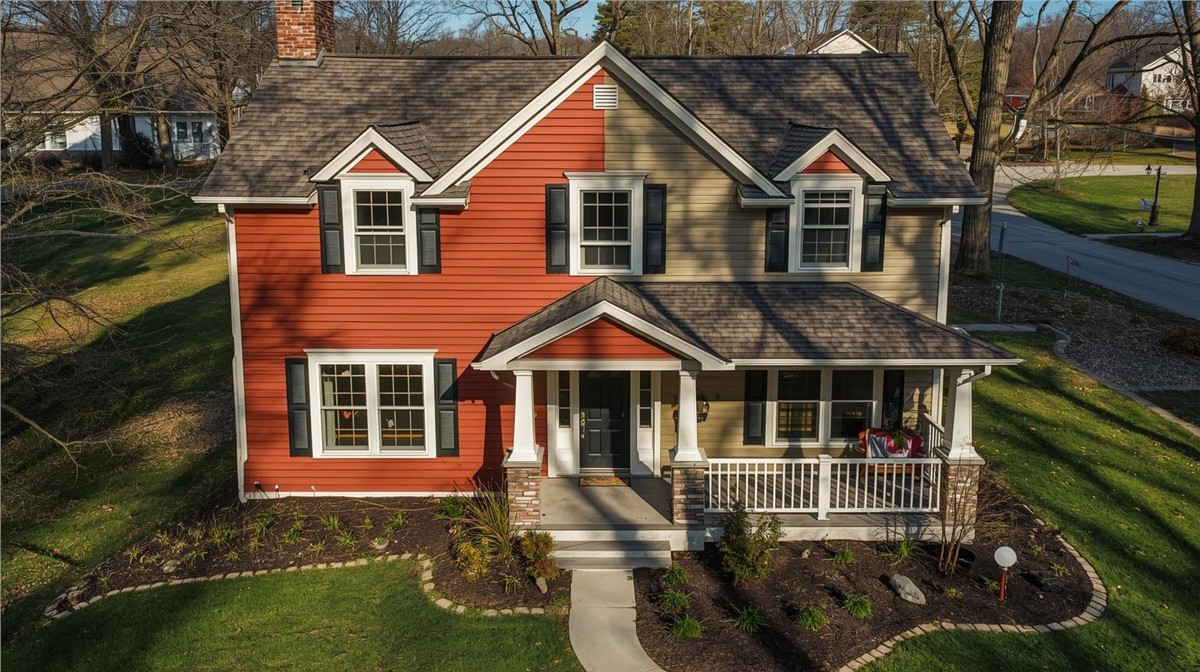
Choosing the right siding material is a major decision for homeowners in Wisconsin and Illinois. Siding isn’t just about appearance—it protects your home from harsh Midwest weather, helps manage energy efficiency, and plays a role in long-term maintenance costs. Two of the most popular options in this region are vinyl siding and fiber cement siding.
So, vinyl vs. fiber cement siding: which is better for the Midwest? The answer depends on how each material performs under snow, ice, wind, storms, and temperature extremes, as well as your priorities for durability, maintenance, and budget. This guide compares vinyl and fiber cement siding from a Midwest homeowner’s perspective, with practical insights to help you make an informed decision.
Why Siding Choice Matters in Wisconsin & Illinois
Homes in WI & IL face conditions that push siding materials harder than in many other parts of the country:
Long, freezing winters
Repeated freeze-thaw cycles
Heavy snow and ice buildup
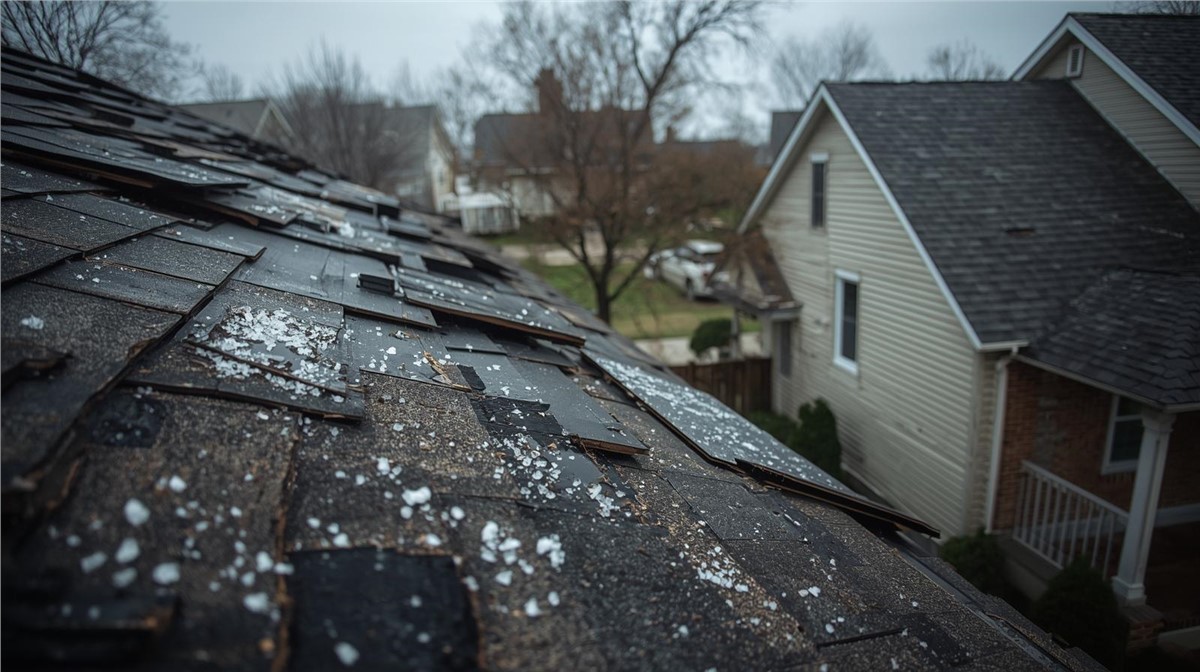
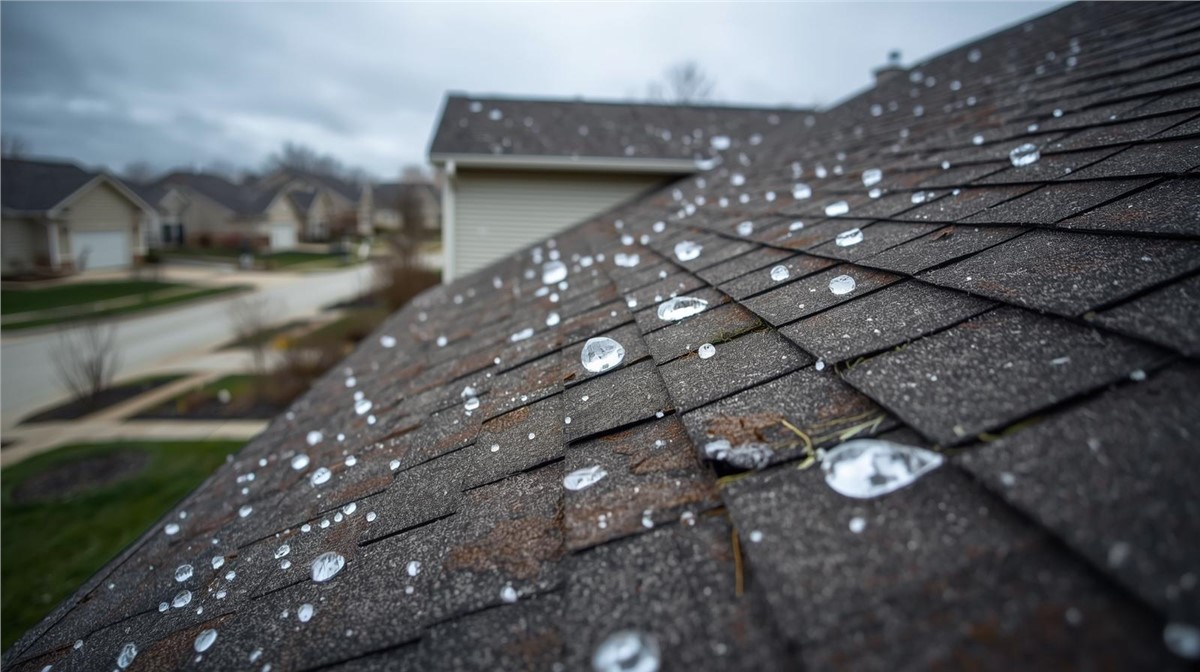
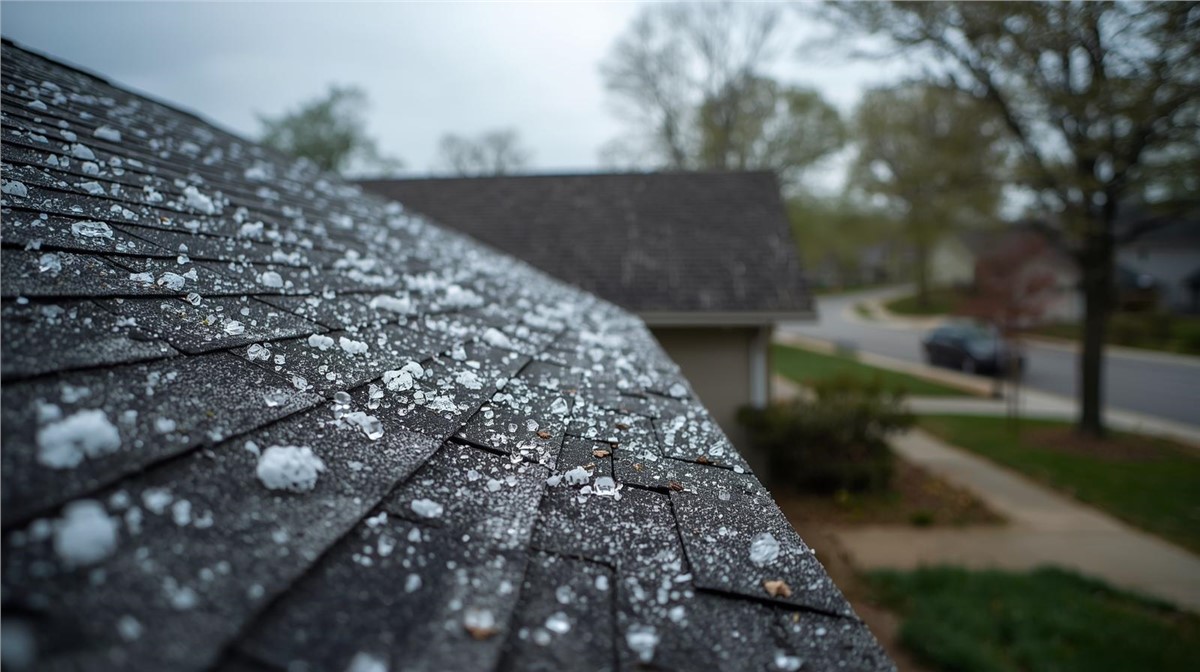
Wind-driven rain and hail
Hot, humid summers
Siding must resist moisture, handle expansion and contraction, and protect wall systems year after year. A material that performs well in mild climates may struggle in the Midwest if it’s not suited for these stresses.
Overview: Vinyl vs. Fiber Cement Siding
Before diving deeper, here’s a high-level comparison:
Vinyl siding is lightweight, low maintenance, and cost-effective.
Fiber cement siding is heavier, more rigid, and known for durability and impact resistance.
Both are widely used in Wisconsin and Illinois—but they perform differently depending on conditions and installation quality.
Vinyl Siding: Strengths and Limitations in the Midwest
How Vinyl Siding Performs
Vinyl siding is one of the most common siding materials in WI & IL due to its affordability and ease of installation.
Advantages of Vinyl Siding
Resistant to moisture and rot
Does not require painting
Lightweight and flexible
Wide range of colors and styles
Lower upfront cost
For many Midwest homeowners, vinyl provides reliable performance with minimal maintenance demands.
Midwest Challenges for Vinyl
Vinyl expands and contracts with temperature changes. In Wisconsin and Illinois, this can lead to:
Warping or buckling if installed incorrectly
Cracking in extreme cold, especially with lower-grade products
Movement during high winds
Higher-quality, thicker vinyl performs significantly better than entry-level options in freeze-thaw conditions.
Fiber Cement Siding: Strengths and Limitations in the Midwest
How Fiber Cement Siding Performs
Fiber cement siding is a composite material made from cement, sand, and cellulose fibers. It’s designed to mimic wood while offering enhanced durability.
Advantages of Fiber Cement
Excellent resistance to moisture and rot
Performs well during freeze-thaw cycles
Strong impact resistance (hail and debris)
Less movement with temperature changes
Fire-resistant
In storm-prone areas of Illinois and snow-heavy regions of Wisconsin, fiber cement’s rigidity and durability are major advantages.
Midwest Considerations for Fiber Cement
Fiber cement also has trade-offs:
Higher upfront cost than vinyl
Heavier material requiring experienced installation
Requires periodic repainting over time
When installed properly and maintained, fiber cement often lasts longer than vinyl in Midwest climates.
Durability Comparison in Midwest Weather
Freeze-Thaw Cycles
Vinyl: Flexible, but repeated expansion and contraction can stress fasteners and seams.
Fiber Cement: More stable and less affected by temperature swings.
Snow and Ice Exposure
Vinyl: Handles moisture well but can crack if impacted in extreme cold.
Fiber Cement: Resists cracking and holds up well under prolonged snow exposure.
Wind and Storms
Vinyl: Can loosen or detach in high winds if not properly secured.
Fiber Cement: Heavier and more resistant to wind damage.
Maintenance Requirements
Vinyl Siding Maintenance
Occasional cleaning
No painting required
Repairs usually involve panel replacement
Vinyl is often chosen by homeowners who want minimal ongoing upkeep.
Fiber Cement Maintenance
Periodic repainting (typically every 10–15 years)
Caulk and joint inspections
More durable repairs
While fiber cement requires more maintenance, many homeowners feel the added durability justifies it.
Energy Efficiency Considerations
Vinyl Siding
Standard vinyl doesn’t add much insulation, but insulated vinyl siding can improve thermal performance—helpful during long Midwest winters.
Fiber Cement Siding
Fiber cement itself isn’t insulating, but it works well with modern insulation systems and house wraps that improve energy efficiency.
In both cases, proper installation and integration with windows and insulation matter more than the siding material alone.
How Siding Choice Affects Other Exterior Systems
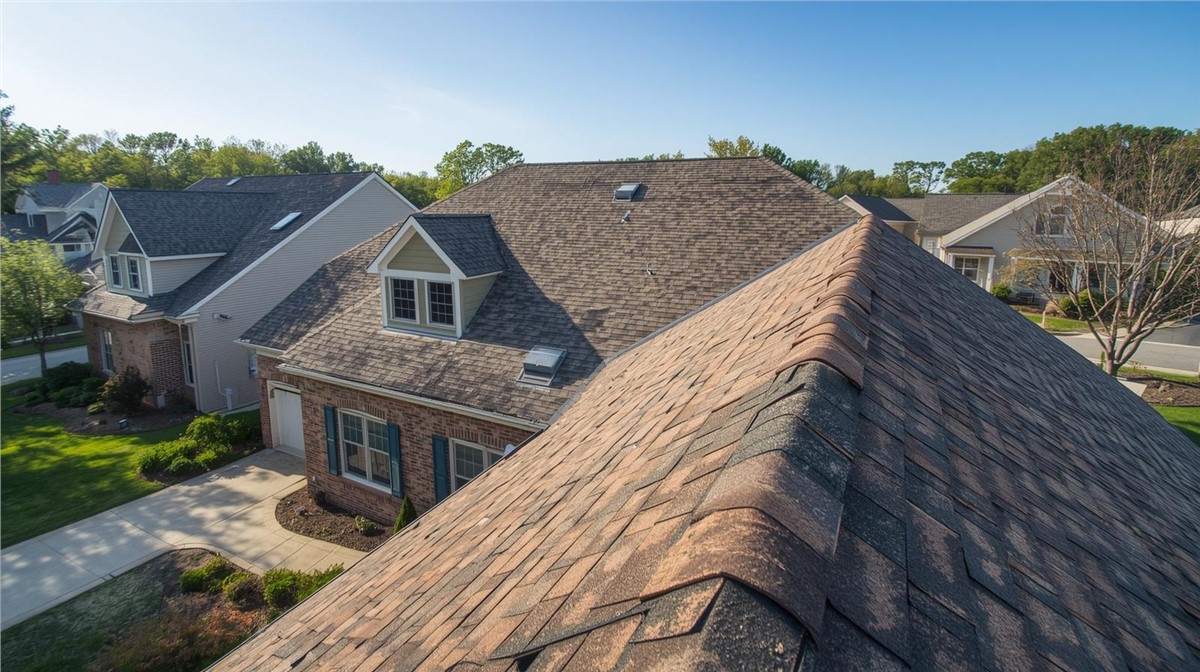
Roofing
Proper flashing at roof-to-wall transitions is critical for both materials. Fiber cement’s rigidity can improve long-term flashing stability.
Windows
Both siding types rely on correct window flashing and sealing. Poor integration can undermine even the best siding.
Gutters
Overflowing or clogged gutters damage both vinyl and fiber cement. Good drainage is essential regardless of material choice.
Siding performance depends heavily on how well all exterior systems work together.
Appearance and Curb Appeal
Vinyl Siding Aesthetics
Consistent color throughout
Wide style availability
Modern vinyl has improved appearance over older products
Fiber Cement Aesthetics
Closely mimics painted wood
Crisp edges and profiles
Often preferred for higher-end or historic-style homes
Both materials can look excellent when chosen and installed thoughtfully.
Cost vs. Long-Term Value in WI & IL
Vinyl Siding
Lower upfront cost
Minimal maintenance expenses
Shorter lifespan in harsh climates (typically 20–40 years)
Fiber Cement Siding
Higher initial investment
Longer lifespan (often 30–50 years)
Better resistance to storm-related damage
In Midwest climates, fiber cement often provides better long-term value for homeowners planning to stay in their home long-term.
Which Is Better for Wisconsin & Illinois Homes?
Vinyl May Be the Better Choice If:
Budget is a primary concern
You want low maintenance
You choose a high-quality, thicker product
Installation is done correctly for expansion
Fiber Cement May Be the Better Choice If:
Durability is the top priority
Your home is exposed to frequent storms or hail
You prefer a wood-like appearance
You’re planning long-term ownership
There’s no one-size-fits-all answer—both materials perform well when chosen for the right reasons.
Installation Quality Matters More Than Material
In Midwest climates, improper installation shortens siding lifespan faster than material choice alone.
Common installation mistakes include:
Inadequate moisture barriers
Poor flashing around windows and doors
Incorrect fastening techniques
Insufficient ground clearance
Experience with Midwest-specific conditions is critical.
Frequently Asked Questions
Does fiber cement last longer than vinyl in the Midwest?
Generally, yes—especially in areas with frequent storms and freeze-thaw cycles.
Can vinyl siding crack in cold weather?
Lower-quality vinyl can. Premium vinyl performs much better in extreme cold.
Is fiber cement worth the extra cost?
For many Midwest homeowners, the added durability and storm resistance justify the investment.
Which siding handles hail better?
Fiber cement typically resists hail impact better than vinyl.
Should siding be replaced with windows or roofing?
Often recommended to ensure proper flashing and long-term performance.
Making the Right Choice for Your Midwest Home
When comparing vinyl vs. fiber cement siding, the “better” option depends on your home’s exposure, budget, maintenance preferences, and long-term plans. In Wisconsin and Illinois, where weather extremes are the norm, siding choice should always be made with durability and system integration in mind.
Huskie Exteriors works with homeowners throughout WI & IL, bringing experience across siding, roofing, windows, and gutters designed for Midwest conditions. With the right material and a thoughtful installation, your siding can protect your home—and its value—for decades to come.
Subscribe to Huskie Exteriors's Blog




Comments