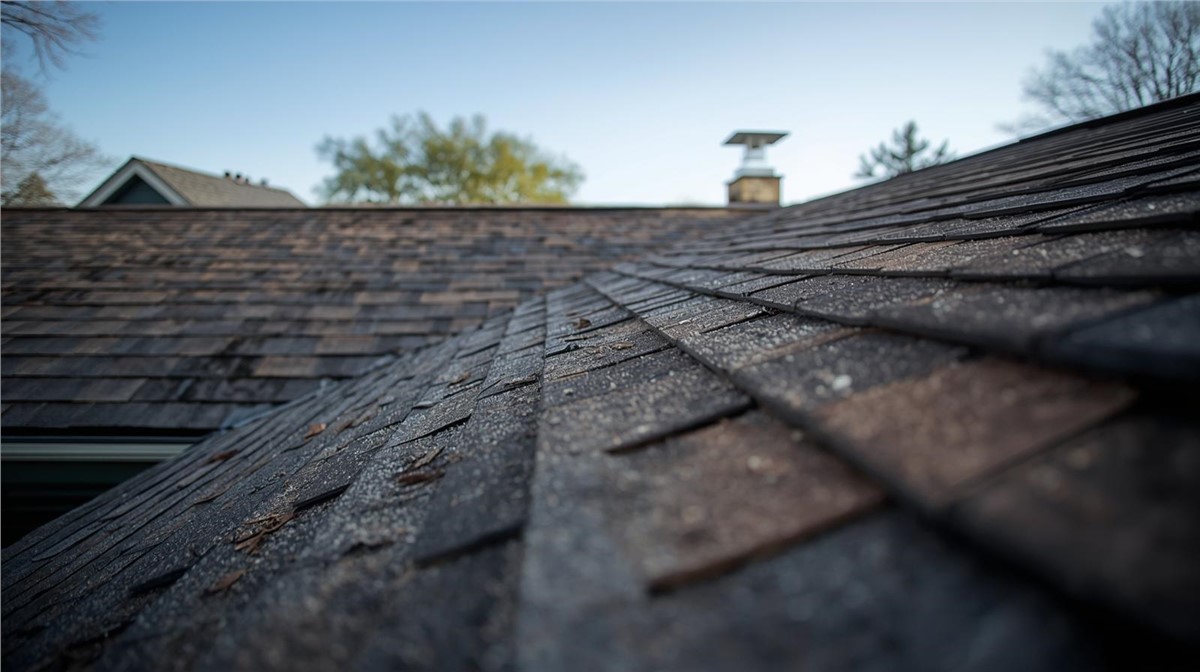
Roof inspections are easy to overlook—until a leak shows up during a snowstorm or a ceiling stain appears weeks after heavy rain. For homeowners in Wisconsin and Illinois, regular roof inspections aren’t just a good idea; they’re a key part of protecting your home from Midwest weather extremes.
So, how often should you have your roof inspected in the Midwest? The short answer: more often than homeowners in milder climates. This article explains why inspections matter so much in WI & IL, how frequently they should be done, what inspectors look for, and how roof inspections connect to siding, windows, and gutters as part of a complete exterior system.
Why Roof Inspections Matter More in the Midwest
Roofs in Wisconsin and Illinois face conditions that accelerate wear and hide damage:
Heavy snow loads and ice dams in winter
Freeze-thaw cycles that stress shingles and flashing
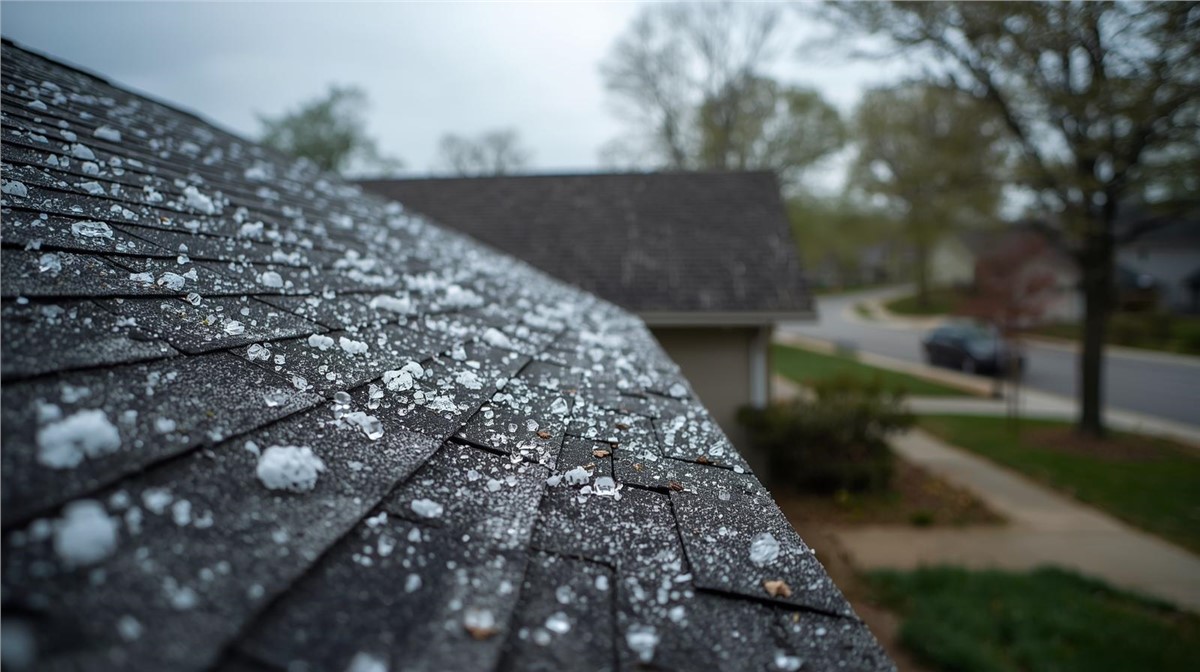
Spring hail and high winds
Summer heat, UV exposure, and severe storms
Wind-driven rain that exploits small weaknesses
Because damage often develops gradually, many Midwest roofing problems aren’t obvious from the ground. Regular inspections help catch issues early—before they lead to leaks, mold, or structural damage.
The General Rule: How Often Midwest Roofs Should Be Inspected
At Least Once Per Year
For most WI & IL homes, a professional roof inspection once per year is the baseline recommendation. Annual inspections allow small issues to be identified and addressed before another winter or storm season arrives.
After Major Storms
In addition to annual inspections, roofs should be checked after:
Hailstorms
High-wind events
Heavy snow or ice storms
Storm damage isn’t always visible, and waiting months can allow minor damage to worsen.
Why Annual Inspections Are Especially Important in WI & IL
Freeze-Thaw Damage Adds Up
Water that enters tiny cracks freezes and expands during winter. Over multiple freeze-thaw cycles, those cracks widen and compromise shingles, flashing, and sealants.
Ice Dams Hide Damage
Ice dams often cause water intrusion under shingles without immediate leaks. Inspections in spring help identify damage before it leads to interior issues.
Storm Seasons Are Unpredictable
Midwest storms can vary widely from year to year. A roof that survived last year’s storms may not be ready for the next.
How Roof Age Affects Inspection Frequency
Newer Roofs (0–5 Years Old)
Even new roofs should be inspected annually to:
Confirm installation details are holding up
Identify storm damage early
Maintain warranty compliance
Mid-Life Roofs (5–15 Years)
This is when inspections become especially important. Materials begin to age, and minor issues become more common.
Recommended:
Annual inspection
Additional inspections after major storms
Older Roofs (15+ Years)
Older roofs are more vulnerable to leaks and storm damage.
Recommended:
Annual inspection
Post-storm inspections
Closer monitoring of flashing, ventilation, and roof edges
In Wisconsin and Illinois, many roofs reach critical decision points earlier due to climate stress.
Seasonal Timing: When Inspections Work Best
Spring Inspections
Spring is one of the most important times to inspect a roof in the Midwest.
Spring inspections help identify:
Ice dam damage
Shingle cracking from winter cold
Gutter and fascia issues from snow and ice
Flashing failures caused by freeze-thaw cycles
Fall Inspections
Fall inspections prepare your roof for winter.
They focus on:
Loose or missing shingles
Flashing and sealant condition
Gutter readiness for snowmelt
Ventilation performance
Catching issues in fall can prevent emergency repairs during winter.
What a Professional Roof Inspection Looks For
A proper roof inspection goes beyond a quick visual check.
Shingles and Roofing Material
Inspectors look for:
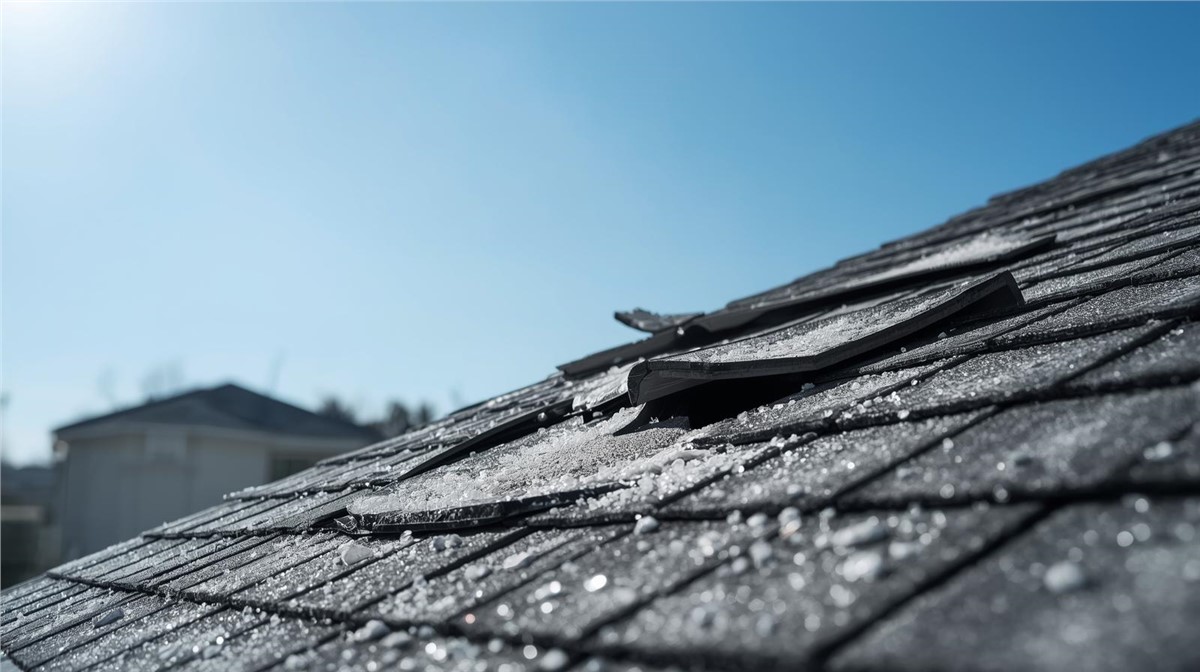
Cracked, curling, or missing shingles
Granule loss
Hail impact marks
Signs of wind uplift
Flashing and Penetrations
Flashing around chimneys, vents, skylights, and roof-to-wall transitions is one of the most common failure points.
Roof Edges and Eaves
These areas are especially vulnerable to:
Ice dams
Water backup
Gutter-related damage
Attic and Ventilation Checks
Interior inspections may include:
Signs of moisture or mold
Insulation issues
Ventilation performance
Many roofing problems originate in the attic rather than on the roof surface.
Why DIY Inspections Aren’t Enough
Homeowners can spot obvious issues, but many problems require trained eyes.
Limitations of Ground-Level Checks
Hail damage may not be visible
Lifted shingles often settle back into place
Flashing issues are easy to miss
Safety Concerns
Climbing onto a roof—especially after storms or during colder months—is risky. Professional inspections reduce injury risk and provide a more accurate assessment.
How Roof Inspections Connect to Gutters, Siding, and Windows
Roof inspections are most effective when viewed as part of a complete exterior evaluation.
Gutters
Inspectors often check for:
Granule buildup
Sagging or ice damage
Poor drainage contributing to roof edge issues
Siding
Roof leaks and ice dams can force water behind siding, leading to rot or insulation damage.
Windows
Water intrusion from roofing issues often appears as window leaks or interior wall stains—misleading homeowners about the true source.
A system-based approach helps identify root causes instead of symptoms.
Insurance, Storm Damage, and Timing
Storm-related damage is a common reason for roof inspections in WI & IL.
Important considerations:
Damage may not be obvious immediately
Some insurance policies have reporting timelines
Documentation matters
Prompt inspections after storms help homeowners make informed decisions.
Signs You Should Schedule an Inspection Sooner
Don’t wait for your annual check if you notice:
Water stains on ceilings or walls
Granules collecting in gutters
Missing or lifted shingles
Ice dams forming every winter
Sagging or uneven rooflines
These signs often indicate underlying issues that need attention.
Can Regular Inspections Extend Roof Life?
Yes—especially in Midwest climates.
Benefits include:
Catching small issues before they worsen
Preventing moisture-related damage
Reducing emergency repair costs
Extending overall roof lifespan
In Wisconsin and Illinois, proactive inspections often make the difference between repair and premature replacement.
Frequently Asked Questions
Is one inspection per year really enough?
For many homes, yes—plus additional inspections after major storms.
Should roofs be inspected after every storm?
Not every storm, but definitely after hail, high winds, or heavy snow events.
Do newer roofs still need inspections?
Yes. Storm damage and installation issues can affect roofs of any age.
Can inspections help prevent ice dams?
Yes. Inspections often identify insulation, ventilation, and drainage issues that contribute to ice dams.
Is winter a bad time for roof inspections?
Winter inspections are possible but limited. Spring and fall are ideal.
A Smart Routine for Midwest Homeowners
In the Midwest, roofs endure more stress than most homeowners realize. Annual inspections—combined with post-storm checks—help protect your home, your budget, and your peace of mind.
Huskie Exteriors works with homeowners across Wisconsin and Illinois, bringing experience in roofing, siding, windows, and gutters designed for Midwest conditions. Regular inspections and a whole-exterior approach help ensure your roof—and your home—are ready for whatever the Midwest weather brings next.
Subscribe to Huskie Exteriors's Blog





Comments