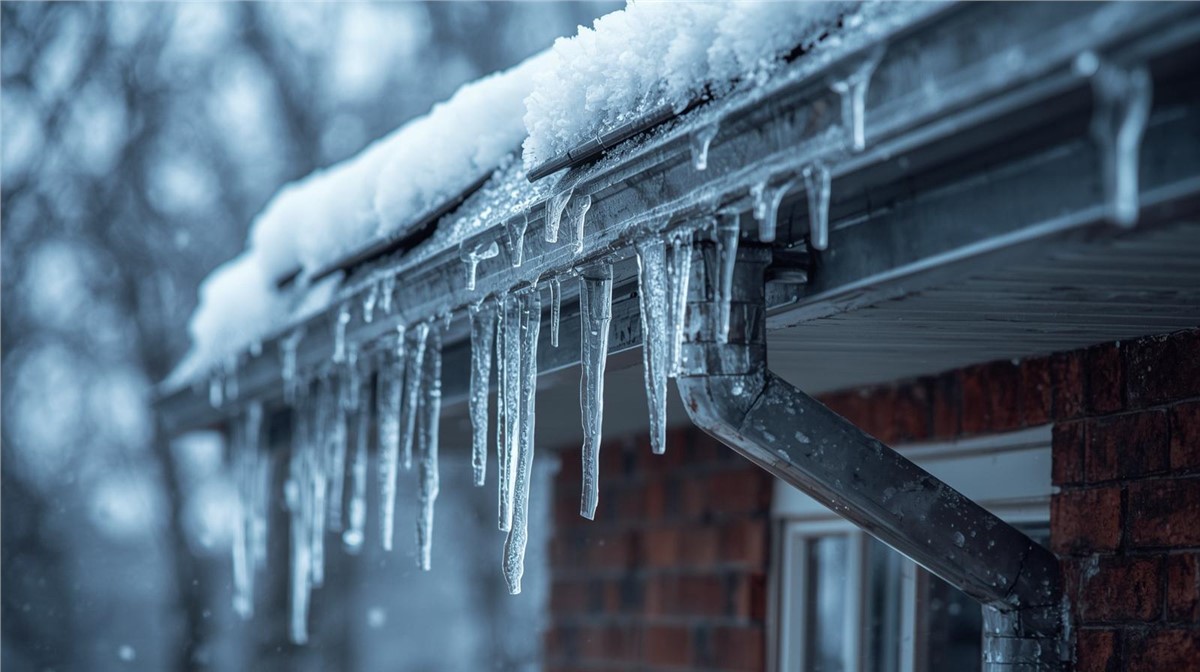
Ice dams are one of the most common—and costly—winter roofing problems homeowners face in Wisconsin and Illinois. They often appear harmless at first: a ridge of ice along the roof edge, maybe a few icicles hanging from the gutters. But beneath the surface, ice dams can cause serious damage to roofs, siding, insulation, and even interior ceilings and walls.
Understanding how ice dams form and how to prevent roof damage is especially important in the Midwest, where long winters, heavy snowfall, and repeated freeze-thaw cycles create ideal conditions for ice dam development. This guide explains what ice dams are, why they’re so common in WI & IL homes, the damage they cause, and practical steps homeowners can take to reduce risk.
What Is an Ice Dam?
An ice dam is a ridge of ice that forms along the lower edge of a roof, typically near the eaves. It prevents melting snow from draining properly off the roof.
When this happens:
Snow melts higher up on the roof
Meltwater flows downward
Water refreezes near the colder roof edge
Ice builds up and traps additional water behind it
That trapped water has nowhere to go—except back under the shingles and into the roof structure.
Why Ice Dams Are So Common in Wisconsin & Illinois
Midwest homes experience the perfect combination of conditions for ice dam formation:
Prolonged freezing temperatures
Frequent snow accumulation
Fluctuating winter temperatures
Older housing stock with varied insulation quality
In Wisconsin and northern Illinois especially, roofs may remain snow-covered for weeks at a time, increasing the likelihood of melt-and-refreeze cycles.
How Ice Dams Form: Step by Step
Understanding the process makes prevention much clearer.
Step 1: Heat Escapes From the Home
Warm air from inside the home rises into the attic. If insulation or air sealing is inadequate, heat escapes and warms the roof deck.
Step 2: Snow Melts on the Upper Roof
The warmed roof surface causes snow to melt—even when outdoor temperatures are below freezing.
Step 3: Meltwater Refreezes at the Eaves
The lower edge of the roof extends beyond the heated part of the house and stays colder. When meltwater reaches this area, it refreezes.
Step 4: Ice Builds Up and Traps Water
As this process repeats, ice accumulates and forms a dam. Additional meltwater pools behind it and is forced under shingles.
This cycle can repeat many times throughout a Midwest winter.
The Hidden Damage Ice Dams Cause
Ice dams don’t just affect shingles—they impact multiple parts of the home.
Roof Damage From Ice Dams
Water Forced Under Shingles
Roofing materials are designed to shed water downward—not resist standing water pushing upward. Ice dams overwhelm this design.
Resulting damage can include:
Saturated roof decking
Rotting wood components
Compromised underlayment
Leaks that appear weeks later
Even newer roofs can be damaged if ice dams persist.
Interior Damage Inside the Home
As water enters the roof system, it often travels before becoming visible.
Common interior signs include:
Water stains on ceilings or walls
Peeling paint or bubbling drywall
Damp insulation
Mold or mildew odors
These issues often appear long after the ice dam itself has melted.
Siding, Gutters, and Trim Damage
Gutter Stress
Ice buildup adds significant weight to gutters, causing:
Sagging or separation
Fascia board damage
Broken hangers
Siding Exposure
Water forced behind siding during ice dam events can lead to:
Rot in wood-based materials
Mold behind wall assemblies
Freeze-thaw damage to siding panels
Ice dams are rarely just a “roof problem.”
Why Icicles Are a Warning Sign
Icicles may look decorative, but they’re often a visible symptom of ice dam conditions.
Large or persistent icicles usually indicate:
Standing water in gutters
Meltwater refreezing at the roof edge
Improper drainage during freezing conditions
While not every icicle means an ice dam is present, frequent heavy icicles should prompt closer inspection.
Common Ice Dam Myths
“Ice dams mean I need a new roof”
Not always. Ice dams are usually caused by insulation, ventilation, and air leakage issues—not roofing material alone.
“Heat cables solve the problem”
Heat cables can help manage ice in limited areas, but they don’t address the root cause and are best viewed as a secondary measure.
“More snow causes ice dams”
Snow is a factor, but uneven roof temperatures—not snow depth alone—are the primary cause.
How to Prevent Ice Dams in Midwest Homes
Preventing ice dams is about controlling heat and water movement.
Improve Attic Insulation
Proper insulation keeps warm air inside the living space instead of escaping into the attic.
Key goals:
Maintain consistent roof temperature
Reduce snow melting on the roof surface
Many older WI & IL homes have insufficient attic insulation by modern standards.
Seal Air Leaks Into the Attic
Air leaks are one of the biggest contributors to ice dams.
Common leak sources include:
Attic access hatches
Recessed lighting
Bathroom fans
Plumbing and electrical penetrations
Sealing these gaps significantly reduces warm air reaching the roof.
Ensure Proper Roof Ventilation
Ventilation helps regulate attic temperature and moisture.
Balanced intake and exhaust ventilation:
Keeps the roof deck cold in winter
Reduces melt-and-refreeze cycles
Extends shingle lifespan
Poor ventilation often shows up as both ice dams and premature roof aging.
Maintain Gutters and Downspouts
Clear gutters allow meltwater to drain properly before freezing.
Midwest homeowners should:
Clean gutters before winter
Ensure downspouts are clear
Repair sagging or damaged sections
Clogged gutters worsen ice dam formation.
Remove Excess Roof Snow Safely
After heavy snowfall, carefully removing snow from roof edges can reduce risk.
Important tips:
Use roof rakes from the ground
Avoid damaging shingles
Focus on the lower roof edge
Never climb onto an icy roof—safety comes first.
Ice-and-Water Shield: A Critical Backup
While not a prevention method, ice-and-water shield provides protection if ice dams form.
This membrane:
Seals around nails
Prevents water from entering the roof deck
Is especially important along eaves and valleys
Most Midwest building codes require it, but coverage depth matters.
How Ice Dams Affect Energy Efficiency
Ice dams are often a symptom of energy loss.
Homes with frequent ice dam issues often experience:
High heating bills
Drafty rooms
Uneven indoor temperatures
Addressing ice dam causes often improves comfort and efficiency at the same time.
When Ice Dam Damage Requires Professional Help
You should seek professional evaluation if:
Ice dams occur every winter
Interior leaks appear during cold weather
Gutters repeatedly fail due to ice
Roof decking or ceilings show moisture damage
Recurring ice dams usually mean underlying system issues need to be addressed.
Frequently Asked Questions
Do ice dams only happen on older homes?
No. Newer homes can experience ice dams if insulation or ventilation is inadequate.
Can metal roofs prevent ice dams?
They reduce snow buildup, but ice dams can still occur without proper insulation and ventilation.
Will replacing shingles stop ice dams?
Not by itself. Ice dams are usually caused by heat loss, not shingle failure.
Are ice dams covered by insurance?
Coverage varies by policy and cause. Preventive maintenance is key.
Is winter roof damage always visible right away?
No. Many ice dam issues appear weeks or months later.
Protecting Your Roof Through Midwest Winters
Ice dams are one of the clearest examples of how Midwest weather tests the entire home—not just the roof. Preventing roof damage requires a combination of proper insulation, air sealing, ventilation, drainage, and roofing design working together.
Huskie Exteriors works with homeowners throughout Wisconsin and Illinois, helping identify the causes of ice dams and evaluate roofing, siding, windows, and gutters as a complete exterior system. A proactive approach today can help prevent winter roof damage and protect your home for many Midwest winters to come.
Subscribe to Huskie Exteriors's Blog





Comments