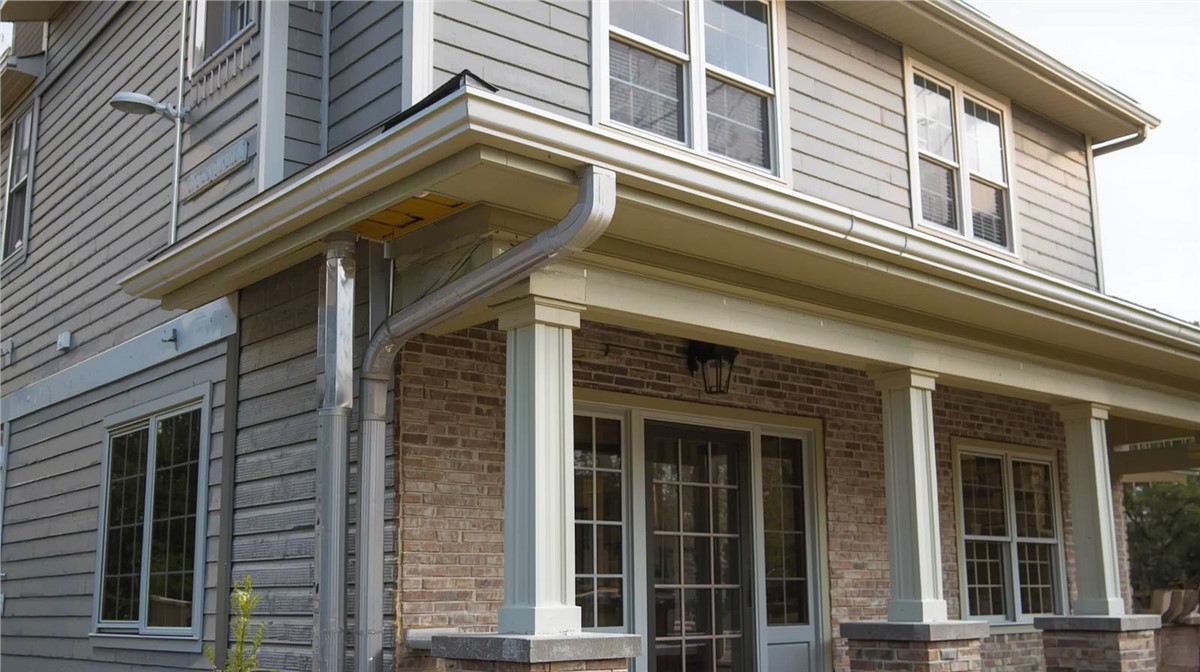
Your home’s exterior isn’t made up of isolated parts. Roofing, siding, windows, and gutters function as a single, connected system designed to protect your home from weather, moisture, temperature extremes, and long-term structural damage. When one component fails, it often puts stress on the others—especially in the demanding climate of Wisconsin and Illinois.
Understanding how all exterior systems work together to protect your home helps homeowners make smarter maintenance decisions, avoid recurring problems, and plan improvements more strategically. This guide explains how each exterior component contributes to overall protection, how Midwest weather tests those systems, and why a whole-home approach matters.
Why a System-Based Approach Matters in the Midwest
Homes in Wisconsin and Illinois face some of the most challenging weather conditions in the country:
Heavy snow and ice in winter
Freeze-thaw cycles that last for months
Wind-driven rain and hail during storms
Hot, humid summers with strong UV exposure
These forces don’t affect just one part of your home. They test every exterior system simultaneously, often exposing weak links where systems fail to work together.
A roof alone can’t protect your home if gutters are clogged. New windows won’t perform well if siding and flashing are compromised. True protection comes from how these systems integrate.
The Roof: Your First Line of Defense
What the Roof Does
Your roof’s primary job is to shed water, snow, and debris while protecting the structure beneath it.
In Midwest conditions, roofs must handle:
Snow loads and ice buildup
Wind uplift during storms
Rapid temperature swings
How the Roof Relies on Other Systems
Even a high-quality roof depends on proper support from other exterior components:
Gutters manage water once it leaves the roof
Siding and flashing protect roof-to-wall transitions
Ventilation controls temperature and moisture buildup
When these supporting elements fail, roofing problems often follow.
Gutters: Controlling Water After It Leaves the Roof
Why Gutters Are Critical
Gutters may seem secondary, but they play a major role in protecting nearly every part of your home.
Their job is to:
Collect rain and snowmelt
Direct water away from the foundation
Prevent water from backing up under shingles or behind siding
What Happens When Gutters Fail
In Wisconsin and Illinois, clogged or damaged gutters commonly lead to:
Ice dams in winter
Roof edge leaks
Siding saturation
Foundation moisture issues
Without functioning gutters, even a new roof can suffer premature damage.
Siding: Protecting Walls From Wind and Moisture
The Role of Siding
Siding shields your home’s walls from:
Wind-driven rain
Snow accumulation
Temperature extremes
It also helps control air movement and supports insulation performance.
How Siding Depends on Roofing and Gutters
Siding performs best when:
Roof flashing properly directs water away from walls
Gutters prevent overflow down siding surfaces
Windows are correctly sealed and flashed
When water repeatedly runs down siding due to gutter issues or roof leaks, moisture can enter wall assemblies and cause rot or mold.
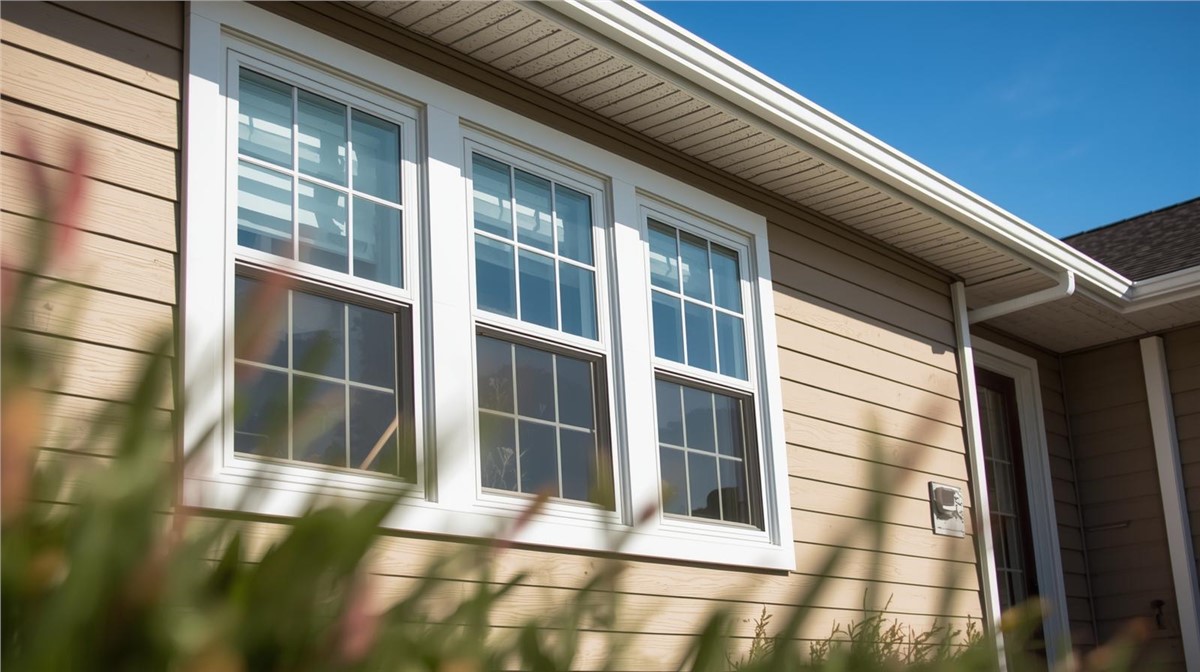
Windows: Managing Light, Air, and Energy Loss
Windows as a Vulnerable Point
Windows are one of the most common sources of air leakage and moisture intrusion—especially in older Midwest homes.
They must withstand:
Cold winter winds
Summer heat and humidity
Wind-driven rain during storms
How Windows Rely on Other Systems
Windows don’t function alone:
Siding and flashing keep water out around frames
Roof overhangs help shield windows from direct exposure
Gutters prevent water from cascading over window trim
Even high-quality windows can fail if surrounding systems aren’t working properly.
Flashing and Sealants: The Unsung Heroes
Why Flashing Matters
Flashing connects exterior systems at vulnerable transition points:
Roof-to-wall intersections
Around chimneys and vents
Window and door openings
In Midwest climates, flashing must endure freeze-thaw cycles, ice buildup, and constant moisture exposure.
System Failure Often Starts Here
Many leaks blamed on roofs or windows actually start with flashing failure. When flashing breaks down, water bypasses exterior defenses and enters the structure.
Insulation and Ventilation: Supporting Exterior Performance
Not Just Interior Systems
Insulation and ventilation play a major role in how exterior systems perform—especially in winter.
Proper attic ventilation:
Regulates roof temperature
Reduces ice dam formation
Extends shingle lifespan
Good insulation:
Keeps warm air inside during winter
Reduces moisture movement into walls and attics
When insulation and ventilation are inadequate, exterior components experience increased stress.
How Midwest Weather Exposes Weak Links
Winter: Snow, Ice, and Heat Loss
In Wisconsin and Illinois, winter is the ultimate test of exterior integration.
Common winter-related failures include:
Ice dams caused by roof and ventilation issues
Frozen or overflowing gutters
Water intrusion behind siding
Drafty windows and heat loss
These problems rarely exist in isolation.
Storm Season: Wind and Rain
Wind-driven rain can force water into gaps between systems if:
Flashing is compromised
Siding seams are loose
Gutters overflow
Storm damage often reveals how well—or poorly—systems are working together.
Why Fixing One Problem Often Isn’t Enough
Homeowners sometimes address symptoms instead of root causes.
Examples:
Replacing drywall without fixing a roof leak
Repairing siding without addressing gutter overflow
Replacing windows without correcting flashing or drainage
These fixes may provide short-term relief but often lead to recurring issues because the system as a whole hasn’t been addressed.
Benefits of a Whole-Exterior Approach
Taking a system-based view offers clear advantages:
Fewer Recurring Repairs
Problems are addressed at their source—not just where damage appears.
Better Energy Efficiency
Air sealing, insulation support, and proper integration reduce heating and cooling loss.
Longer Lifespan for Exterior Components
Roofing, siding, windows, and gutters last longer when they work together.
More Predictable Maintenance
Homeowners can plan upgrades instead of reacting to emergencies.
When Exterior Systems Should Be Evaluated Together
It’s especially helpful to evaluate all exterior systems when:
Replacing a roof
Installing new siding or windows
Addressing repeated moisture issues
Preparing for harsh winters
Buying or selling a home
Coordinating projects often improves performance and reduces long-term costs.
Common Signs Exterior Systems Aren’t Working Together
Watch for these red flags:
Recurring leaks in different areas
Ice dams every winter
Peeling paint or mold on siding
Drafty rooms near windows
Basement moisture after storms
These signs often point to system-wide issues rather than isolated failures.
Preventive Steps Homeowners Can Take
You don’t need to replace everything at once to benefit from a systems approach.
Helpful steps include:
Annual exterior inspections
Keeping gutters clean and functional
Addressing minor issues promptly
Monitoring changes after storms
Planning upgrades strategically
Preventive care is especially valuable in Midwest climates.
Frequently Asked Questions
Why do exterior problems keep coming back?
Because the root cause often involves multiple systems—not just one component.
Can new windows fix energy loss by themselves?
They help, but performance depends on siding, flashing, and insulation.
Do gutters really affect the roof and siding?
Yes. Poor drainage is a leading cause of roof edge leaks and siding damage.
Is it better to replace exterior systems together?
Often, yes. Coordinated upgrades improve integration and durability.
How often should exterior systems be inspected?
At least once per year and after major storms.
A Smarter Way to Protect Your Home
In Wisconsin and Illinois, exterior systems are constantly challenged by weather extremes. Roofing, siding, windows, and gutters work best when they’re viewed—and maintained—as parts of a single protective system.
Huskie Exteriors works with homeowners across WI & IL, taking a comprehensive approach to exterior remodeling that considers how each system affects the others. By focusing on integration instead of isolated fixes, homeowners can protect their investment, improve comfort, and reduce long-term repair costs—no matter what Midwest weather brings next.
Subscribe to Huskie Exteriors's Blog





Comments