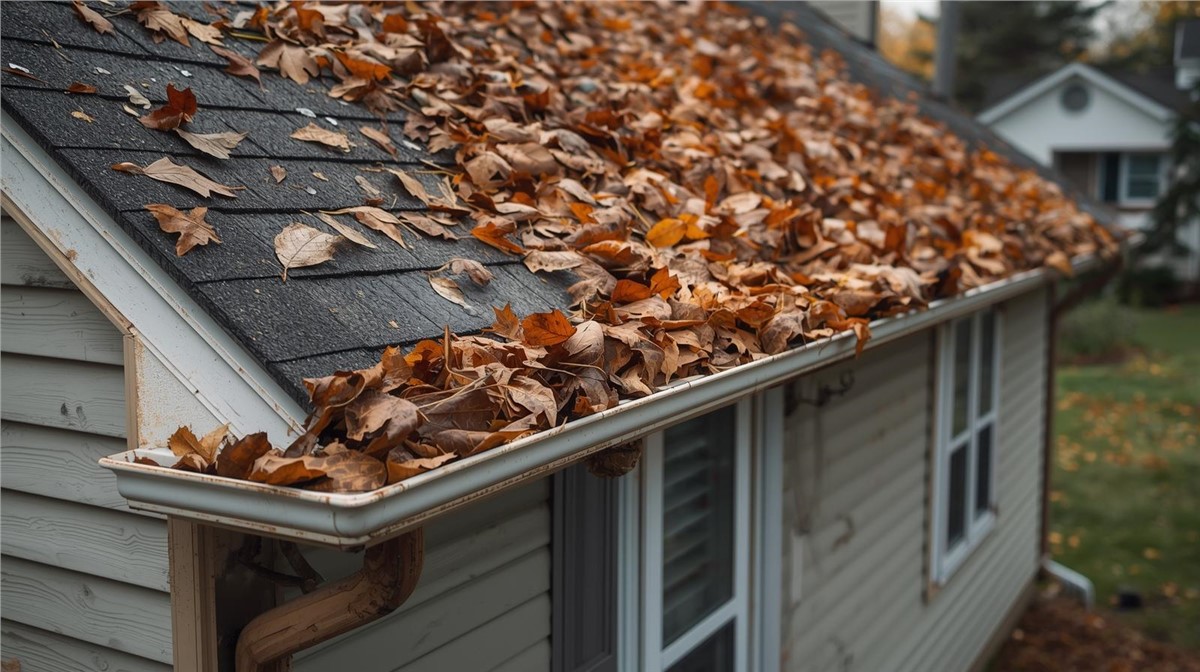
Clogged gutters may seem like a minor nuisance, but for homeowners in Wisconsin and Illinois, they can lead to serious and expensive damage. Midwest weather—with heavy snow, ice, spring downpours, summer storms, and falling leaves—puts exceptional strain on gutter systems. When gutters stop doing their job, water quickly finds its way to places it shouldn’t.
Understanding how clogged gutters damage homes in Wisconsin & Illinois helps homeowners take preventive action before small maintenance issues turn into major repairs. This guide explains what clogged gutters really do to your home, why Midwest conditions make the problem worse, and how gutters work alongside roofing, siding, windows, and foundations to protect your property year-round.
Why Clogged Gutters Are a Bigger Problem in the Midwest
Homes in WI & IL face drainage challenges that many other regions don’t. Gutters here must handle:
Heavy snowfall followed by rapid snowmelt
Intense spring and summer rainstorms
Freeze-thaw cycles that repeat for months
Ice buildup and icicles in winter
Leaves, seeds, and debris in fall
When gutters clog under these conditions, water doesn’t just overflow—it often backs up, freezes, or saturates critical structural areas.
What Happens When Gutters Get Clogged
Gutters are designed to collect water from the roof and move it safely away from the home. When debris blocks that flow, water has only a few options—and none of them are good.
Clogged gutters can cause:
Water overflow along roof edges
Standing water inside gutter channels
Ice buildup during winter
Backflow under shingles or behind siding
Over time, this repeated exposure leads to widespread exterior and interior damage.
Roof Damage Caused by Clogged Gutters
Water Backup Under Shingles
When gutters are clogged, water can’t drain properly. During rain or snowmelt, water pools along the roof edge and can be forced back under shingles.
In Wisconsin and Illinois, this is especially common during:
Spring snowmelt
Ice dam formation in winter
Heavy rainstorms with strong winds
Once water reaches the roof deck or underlayment, leaks and rot can develop—even if shingles look intact.
Ice Dams and Winter Roof Stress
Clogged gutters trap melting snow, allowing it to refreeze at the eaves. This contributes directly to ice dam formation, which:
Forces water under shingles
Damages roof decking and insulation
Leads to interior leaks weeks later
Ice-related damage is one of the most common winter roofing problems in WI & IL homes.
How Clogged Gutters Damage Siding and Exterior Walls
Water Overflow and Saturation
When gutters overflow, water runs directly down siding instead of being directed away from the home.
This can cause:
Peeling paint or faded finishes
Mold and mildew growth
Rot in wood-based siding
Moisture intrusion behind siding panels
Wind-driven rain during Midwest storms makes this problem even worse by forcing water behind siding seams.
Freeze-Thaw Damage
Water trapped behind siding freezes and expands during winter. Over time, freeze-thaw cycles:
Widen cracks and gaps
Warp siding panels
Loosen fasteners and trim
What starts as gutter clogging often ends in siding repair or replacement.
Foundation and Basement Damage From Poor Drainage
One of the most serious consequences of clogged gutters is foundation damage.
Water Pooling Near the Foundation
Overflowing gutters dump water directly at the base of the home. In Wisconsin and Illinois, this often happens during spring snowmelt or prolonged rain.
This leads to:
Soil erosion around the foundation
Cracks in foundation walls
Basement leaks or dampness
Long-term structural stress
Foundation repairs are among the most expensive home repairs—and clogged gutters are a common underlying cause.
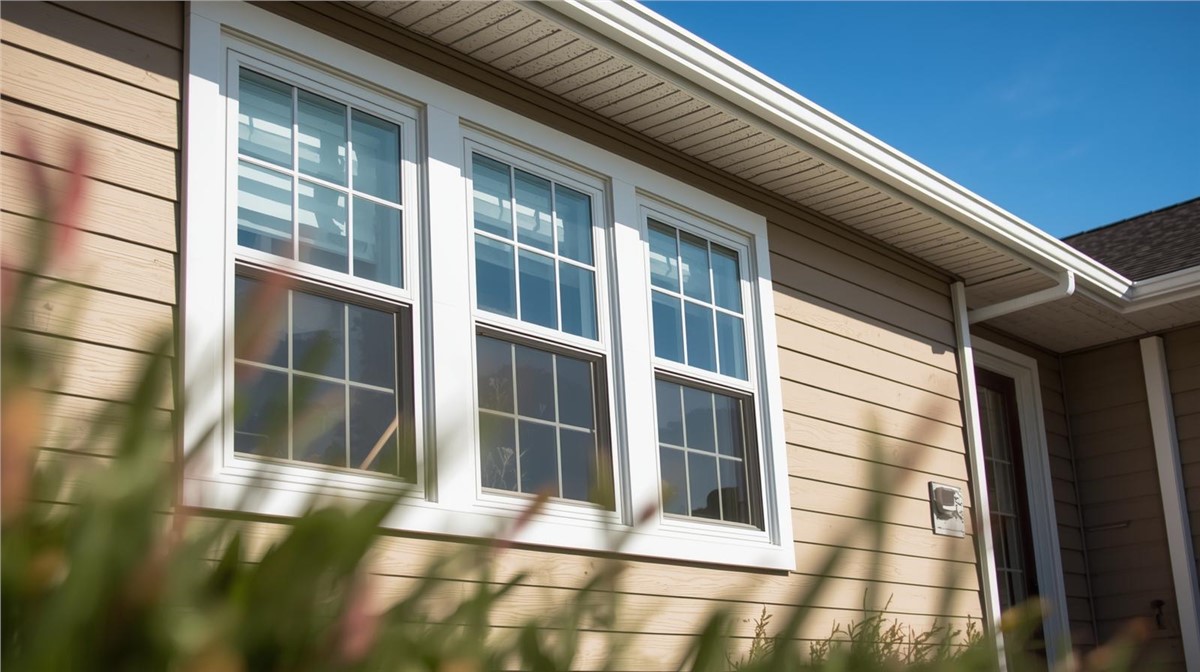
How Clogged Gutters Affect Windows and Doors
Windows rely on proper drainage above them to stay dry and sealed.
Moisture Around Window Frames
When gutters overflow:
Water cascades over window trim
Seals and caulking deteriorate faster
Frames may rot or soften
Over time, this leads to drafts, energy loss, and interior wall damage around windows.
Interior Signs
Homeowners may notice:
Water stains near windows
Bubbling drywall or peeling paint
Musty odors inside walls
These issues are often traced back to exterior drainage failures.
Fascia, Soffit, and Trim Damage
Constant Moisture Exposure
Fascia boards and soffits sit directly behind gutters. When gutters clog:
Water saturates these components
Wood trim begins to rot
Paint peels or blisters
Ice buildup in clogged gutters adds weight, causing gutters to pull away and damage fascia boards further.
Ice Buildup, Icicles, and Safety Hazards
Clogged gutters contribute to dangerous ice formation during Midwest winters.
Why Icicles Form
Standing water in gutters freezes and expands, creating large icicles along roof edges.
These can:
Damage gutters and fascia
Create falling ice hazards
Indicate ice dam conditions
Excessive icicles are a warning sign that gutters are not draining properly.
Pest and Insect Problems
Standing water and debris-filled gutters create ideal conditions for pests.
Clogged gutters can attract:
Mosquitoes
Birds and nesting animals
Insects seeking shelter
Once pests establish themselves in gutters, they often migrate into attics, walls, or siding cavities.
Signs Your Gutters Are Clogged or Failing
Wisconsin and Illinois homeowners should watch for:
Water spilling over gutter edges
Sagging or pulling gutters
Plants growing in gutters
Ice buildup along roof edges
Staining on siding or foundation walls
- Basement dampness after storms
If these signs appear regularly, gutter maintenance or replacement may be needed.
Why Clogged Gutters Are a Recurring Midwest Problem
Heavy Tree Coverage
Many WI & IL neighborhoods have mature trees that shed leaves, seeds, and debris throughout the year.
Seasonal Weather Swings
Frequent transitions between snow, rain, and freezing temperatures accelerate clogging and damage.
Undersized or Aging Gutters
Older homes often have gutter systems that aren’t designed to handle modern rainfall intensity or snowmelt volumes.
Gutter Guards: Helpful but Not a Cure-All
Gutter guards can reduce debris buildup, but they aren’t maintenance-free.
Homeowners should know:
Some guards clog with fine debris or pine needles
Ice can still form on top of guards
Periodic inspection is still necessary
Choosing the right system for Midwest conditions is key.
Repair vs. Replacement for Clogged Gutters
When Gutter Cleaning or Repair Is Enough
Clogs are infrequent
Gutters are structurally sound
No sagging or corrosion is present
When Replacement Makes More Sense
Gutters overflow repeatedly
Ice damage has caused separation
Rust or corrosion is widespread
Gutters are undersized for the home
Fascia or siding damage is occurring
In many WI & IL homes, replacing old gutter systems prevents recurring seasonal damage.
Best Time to Address Gutter Issues in Wisconsin & Illinois
Ideal Maintenance Periods
Spring, after snowmelt
Fall, before leaves drop and winter begins
Addressing issues early helps avoid emergency repairs during freezing conditions.
Preventive Steps Homeowners Can Take
Clean gutters at least twice per year
Inspect after major storms
Ensure downspouts extend water away from the foundation
Watch for ice buildup during winter
Address sagging or leaks promptly
Preventive care goes a long way in Midwest climates.
Frequently Asked Questions
Can clogged gutters really cause roof leaks?
Yes. Water backup from clogged gutters is a common cause of roof leaks in Wisconsin and Illinois.
How often should gutters be cleaned in the Midwest?
At least twice per year, and more often for homes with heavy tree coverage.
Are seamless gutters less likely to clog?
They reduce leaks at seams but still require regular cleaning and inspection.
Can clogged gutters cause mold inside the home?
Yes. Moisture intrusion from poor drainage can lead to mold growth in walls and basements.
Do gutter problems affect home value?
Indirectly, yes. Water damage to siding, roofing, and foundations affects long-term value.
Protecting Your Home Starts With Proper Drainage
In Wisconsin and Illinois, clogged gutters are far more than a minor inconvenience—they’re a leading cause of roof damage, siding deterioration, foundation issues, and interior moisture problems. Understanding the risks allows homeowners to take proactive steps before seasonal weather causes lasting damage.
Huskie Exteriors works with homeowners throughout WI & IL, helping evaluate and improve gutter systems as part of a complete exterior approach that includes roofing, siding, and windows. A properly functioning gutter system is one of the simplest—and most important—ways to protect your home through every Midwest season.
Subscribe to Huskie Exteriors's Blog




Comments